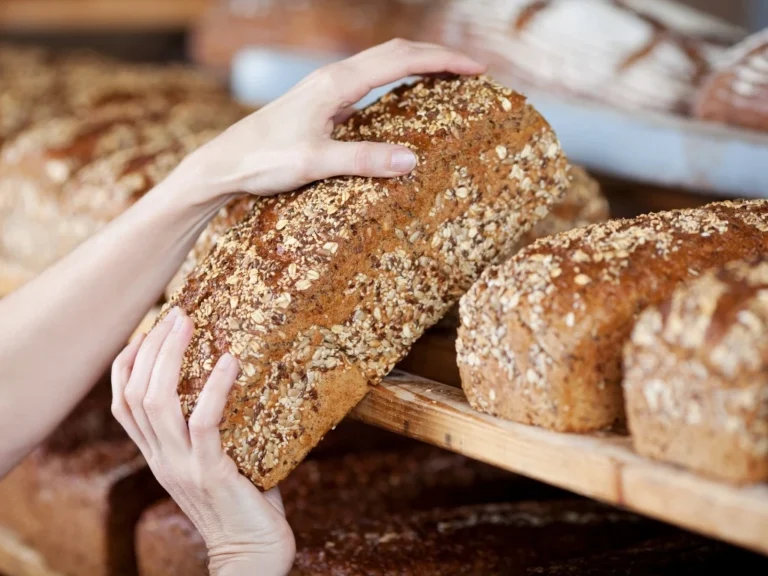









Bread can sometimes feel like a gray area when you’re trying to manage blood sugar. With so many mixed perspectives — some even suggesting you avoid it altogether — it can be hard to figure out what actually works for you.
A helpful way to look at it is that bread isn’t something you have to give up entirely. By understanding what the best bread types are for people with diabetes and how you can pair them with other foods, this staple food can still fit into a balanced, blood sugar-friendly routine.

Can people with diabetes eat bread?
Yes, individuals with diabetes can eat bread. However, the type of bread, portion size, and what you eat with it all matter.
Different breads affect blood sugar in different ways. Refined breads tend to raise blood sugar more quickly, while higher-fiber options may lead to a slower, more gradual rise.
Instead of focusing only on whether you can eat bread, it’s more helpful to look at what bread is good for diabetes and how to include it in a way that balances your individualized carbohydrate needs and supports steadier glucose levels.
What are the best bread options for people with diabetes?
The best breads for diabetes are usually those that digest more slowly and provide fiber and nutrients. This might mean having to steer clear of the average white bread, which is made from refined flour and lacks much of the essential fiber or nutrients.
Instead, prioritize breads with low to moderate glycemic index and load — a simple way of ranking how quickly a food raises your blood sugar. Foods with a high GI cause a rapid spike, while low-GI foods are digested more slowly, leading to a steadier, more gradual rise. Choosing breads made from intact, sprouted, or high-fiber grains can help keep blood sugar levels more stable.
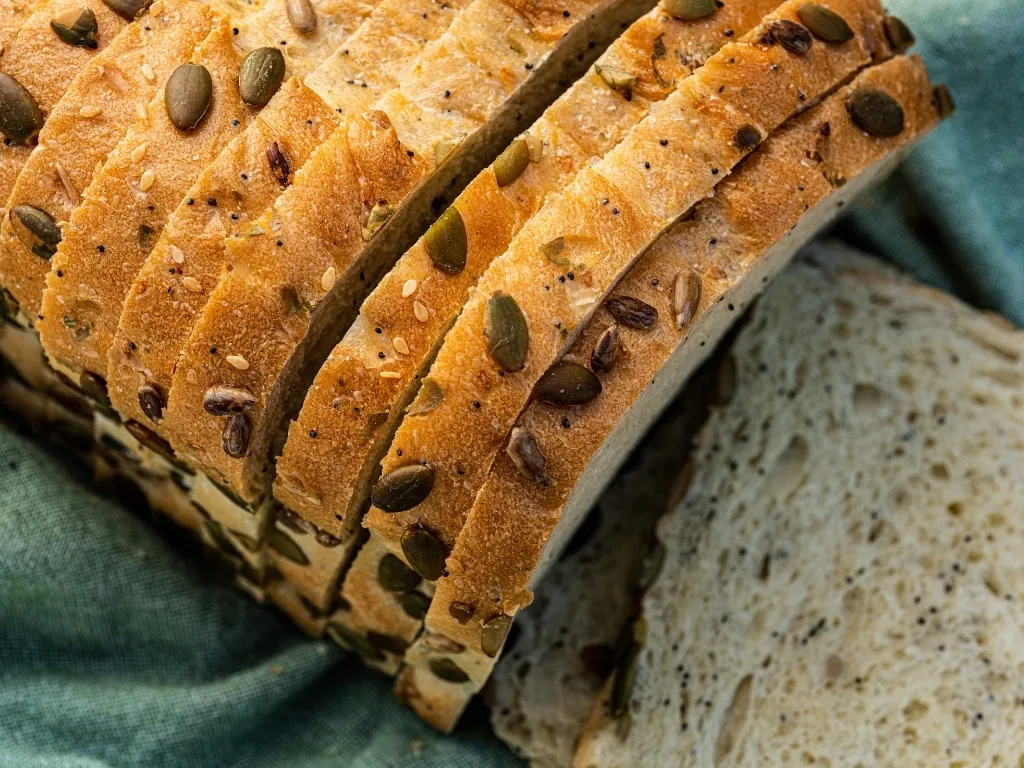
Sprouted grain bread
Sprouted grain bread is often one of the most recommended options for blood sugar management. The sprouting process may break down some of the starch and increase nutrient availability before you even eat it.
This can make the bread easier to digest and may improve glycemic response in some individuals, and may vary by product. Some studies suggest sprouted grain bread can lead to a reduced post-meal glucose response compared to other breads.
It also tends to contain more fiber and protein, which helps slow digestion and keeps you fuller longer. For everyday use, this is one of the most practical swaps you can make.
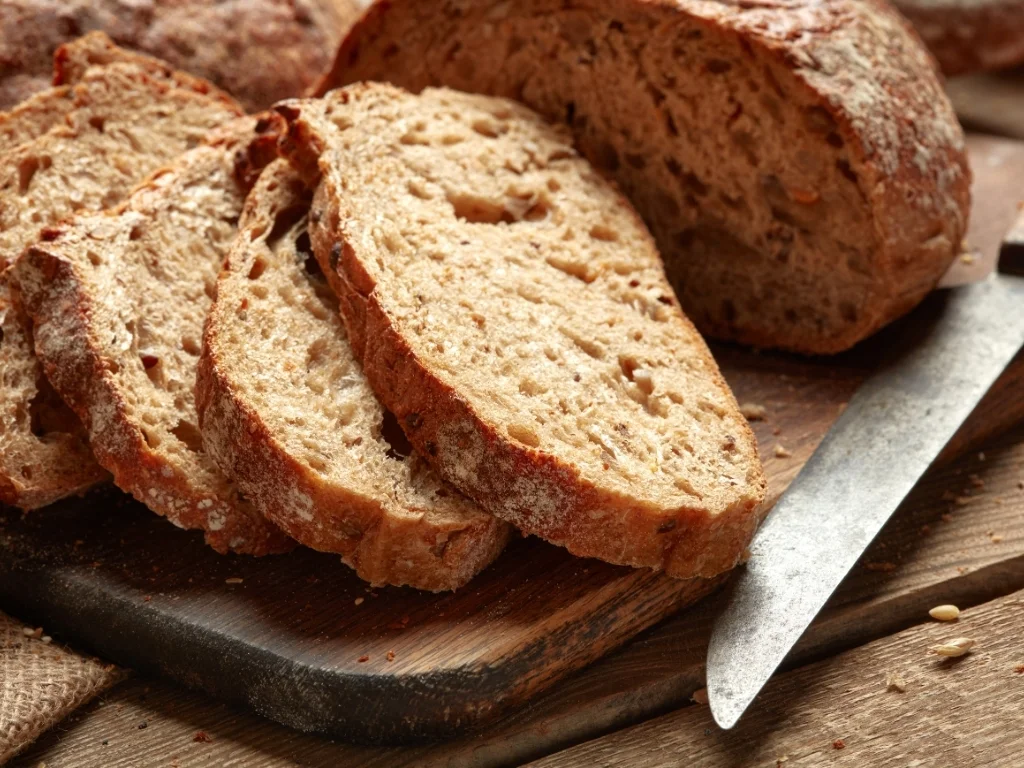
100% whole-grain bread
Whole-wheat bread can be a solid option, but only if it is authentic. Be sure to check labels and only reach for choices with “100% whole-wheat” as the key ingredient.
Because the grain is less processed, it takes longer to break down. This leads to a slower release of glucose into the bloodstream, which is helpful for blood sugar control.
This means you are less likely to experience a sharp spike followed by a crash. It is also widely available, making it one of the easiest upgrades if you are just starting to adjust your choices.
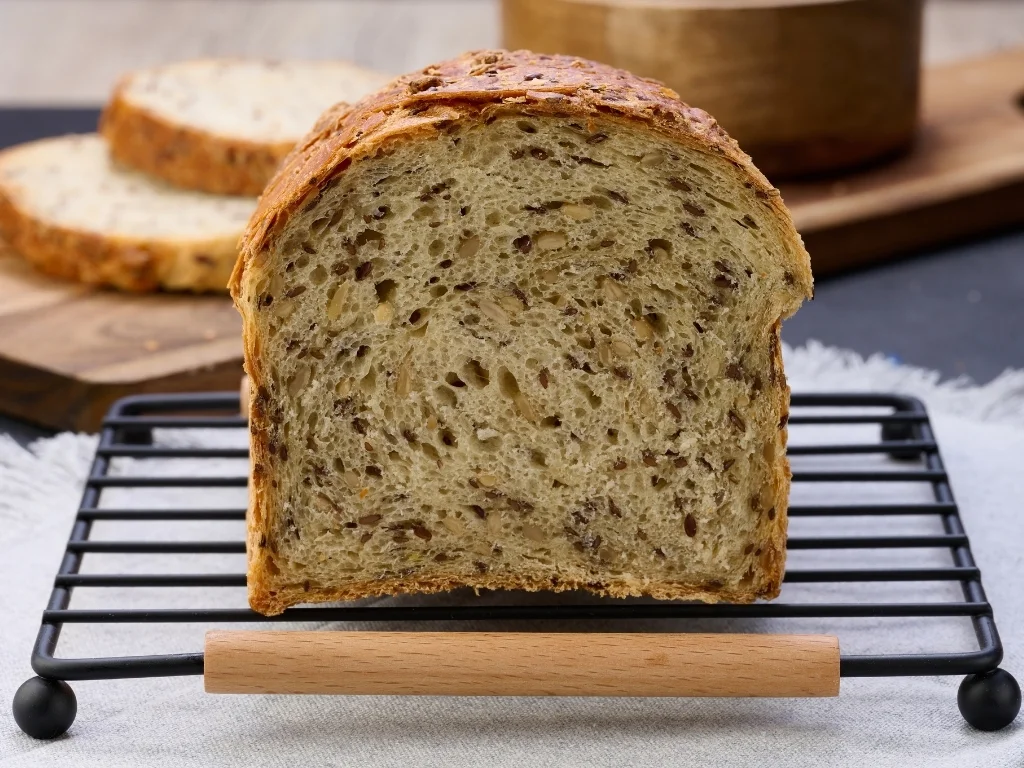
Flaxseed bread
Flaxseed bread is among the best bread choices for diabetes management. Flaxseeds have been found to significantly lower post-meal glucose, making bread made of this ingredient much more beneficial compared to regular bread.
This is largely due to the seed’s high fiber and omega-3 content, which slows digestion and the absorption of carbs, preventing rapid spikes in blood sugar. Eating flaxseeds regularly can help improve insulin sensitivity, reduce cholesterol, and even support heart health.
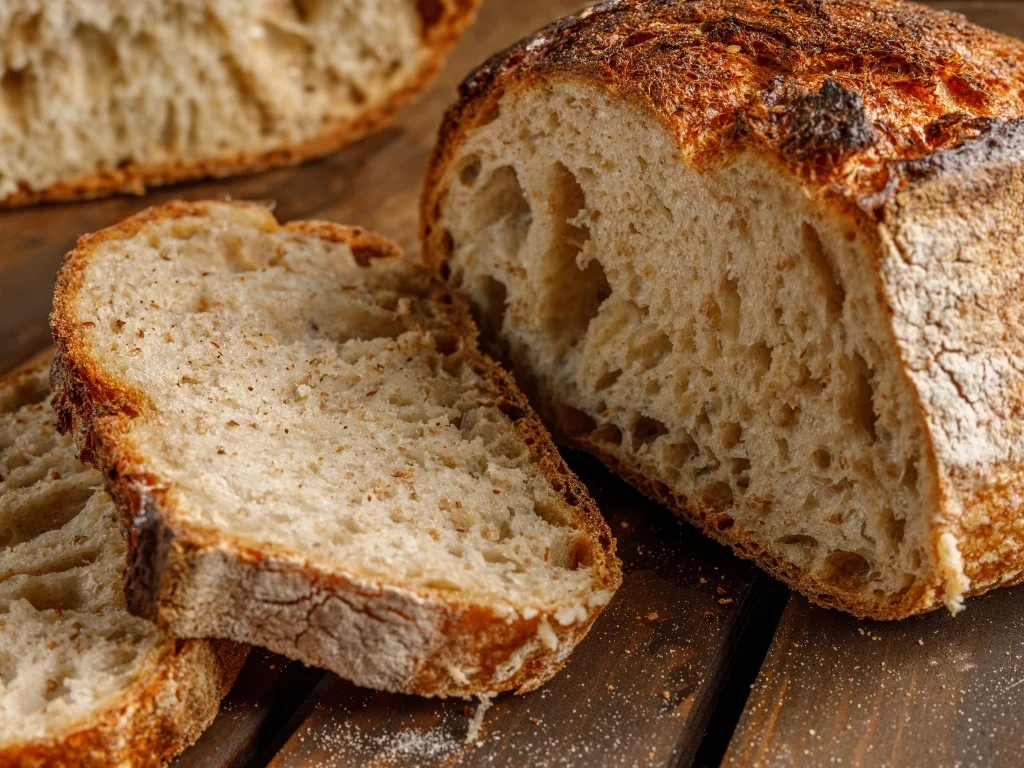
Sourdough bread
Is sourdough bread good for people with diabetes? In many cases, it can be a better option than standard white bread.
Sourdough goes through fermentation, which produces organic acids that slow down how quickly carbohydrates are digested. This can lead to a more gradual rise in blood sugar after eating.
Some studies also suggest sourdough may reduce post-meal glucose spikes compared to regular bread, especially when made with whole grains.
That said, not all sourdough offers the same effects. A refined white sourdough will still raise blood sugar faster than a whole-grain version.
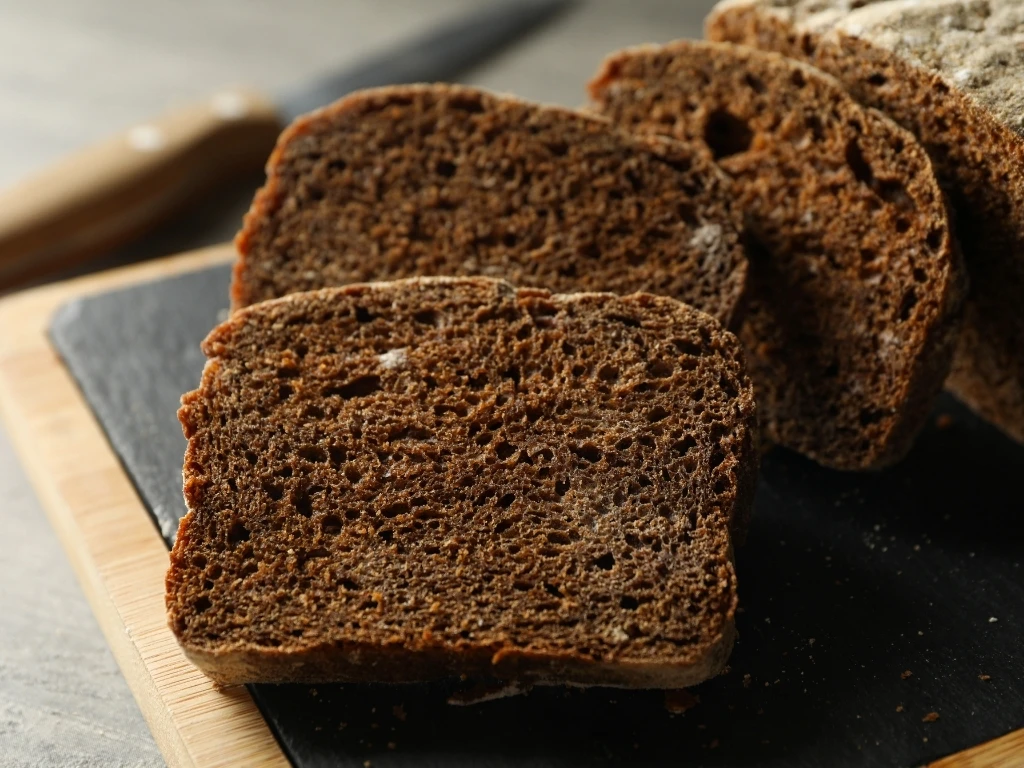
Rye bread
Rye bread, especially dense or traditional varieties like pumpernickel bread, can be another useful choice.
It has a mix of fibers, including soluble fiber, which forms a gel during digestion and slows how quickly glucose is absorbed. This can lead to a gentler blood sugar response after meals.
Many people also find rye more filling, which can help with portion control without feeling restricted.
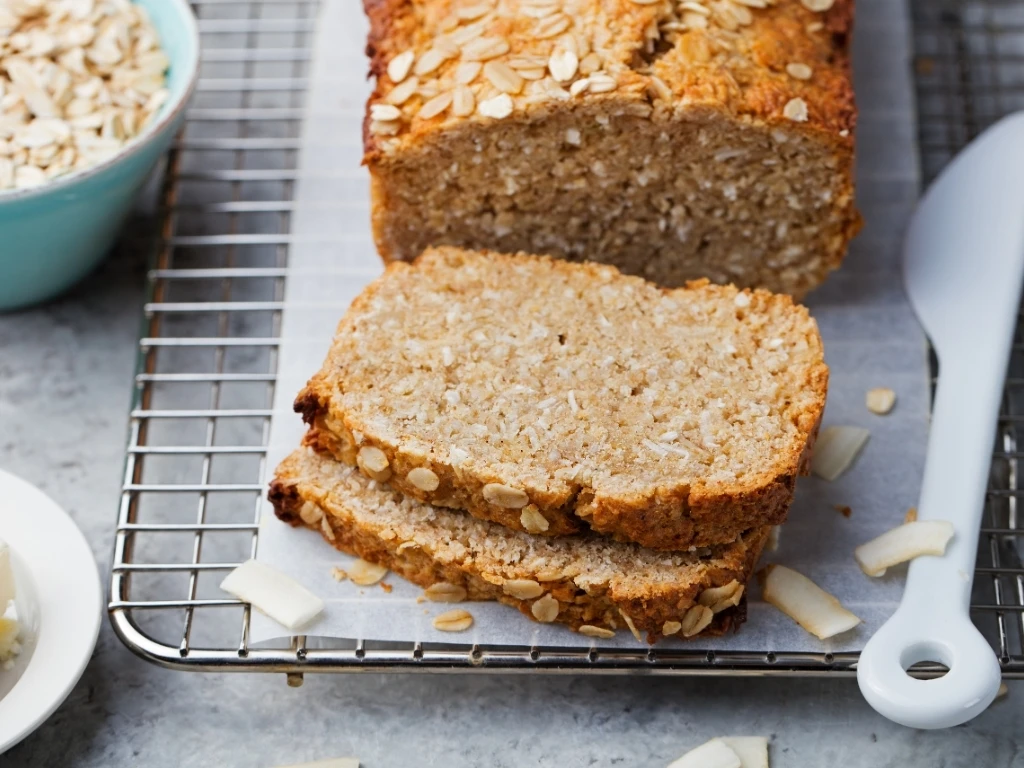
Oat or barley bread
Bread made with oats or barley may be helpful because of a specific type of fiber called beta-glucan. This fiber is known to slow digestion and may support improved blood sugar response after meals.
These breads are a good option if you want something familiar but slightly more supportive than standard wheat bread.
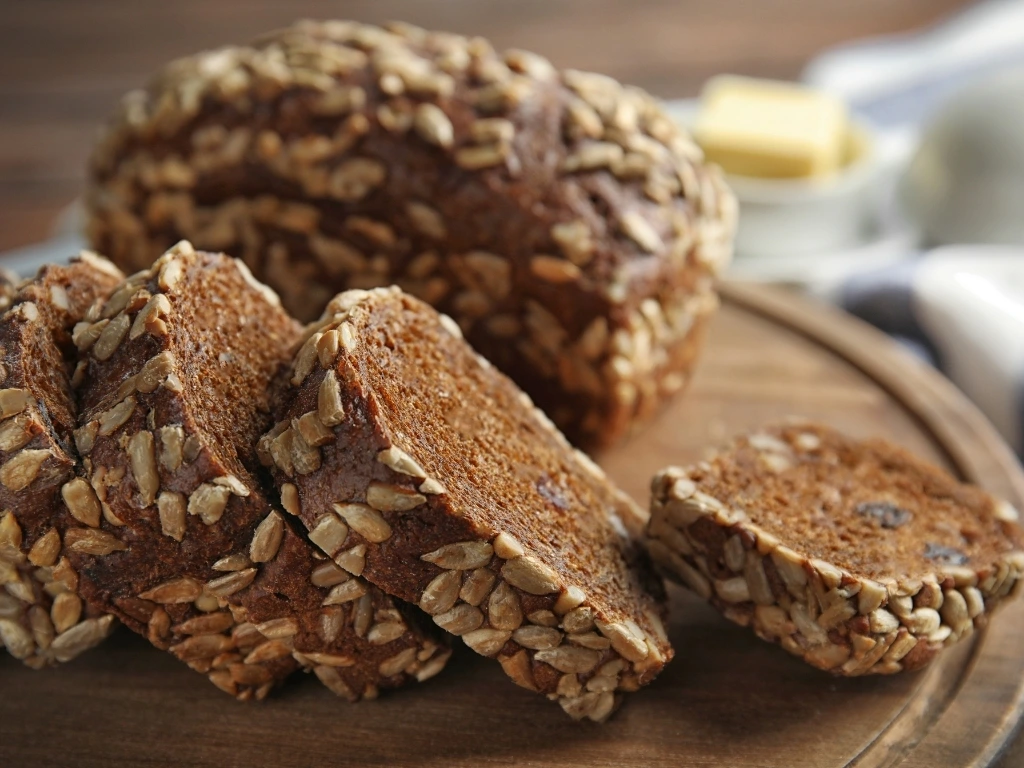
Sunflower seed bread (consume with caution)
Breads with sunflower seeds can also work well, as these add fiber, healthy fats, and a bit of protein, which all help slow digestion and reduce blood sugar spikes.
Just be careful, since many multigrain breads are still made with refined flour. The seeds help, but they do not cancel out highly processed ingredients.
How to read bread labels for better choices
Choosing the best bread for diabetes often comes down to what’s on the label. Here are a few quick checks you can use:
- Look at fiber content. Aim for at least 2 to 3 grams of fiber per slice. Higher fiber options may help slow blood sugar spikes.
- Check for added sugars. Scan the ingredient list for sugar, corn syrup, honey, or other sweeteners.
- Review the first ingredient. Choose breads where whole grains such as whole wheat or whole rye are listed first.
- Watch serving size. Some breads list smaller slices to make nutrition numbers look better.
- Keep ingredients simple. Shorter ingredient lists with recognizable foods are usually a better sign.
These small steps can make a big difference when you’re deciding what bread is good for diabetics in your day-to-day routine.
How to include bread in a balanced, blood sugar-friendly diet
Choosing the best bread for diabetes is only one part of the picture. How you eat it matters just as much.
Bread on its own can lead to a quicker rise in blood sugar. Pairing it with other nutrients helps slow digestion and improve overall balance:
- Protein: Eggs, yogurt, tuna, tofu, or lean protein sources like chicken (white meat only) can help steady your blood sugar after meals.
- Healthy fats: Avocado, nut butter, olive oil, or omega-3-rich cheeses like feta, ricotta, or goat cheese can slow how quickly carbohydrates are absorbed.
- Fiber: Vegetables, legumes, seeds, or other fiber-rich foods can further support digestion and glucose control.
For example, instead of eating toast on its own, you might try whole-grain toast with eggs and avocado, or low-glycemic bread with peanut butter and chia seeds.
These combinations tend to be more satisfying and may help reduce blood sugar spikes compared to eating bread alone.
Find a realistic approach to blood sugar and bread
Managing blood sugar does not mean you have to cut out foods you enjoy. It is more about how your meals come together day to day.
Bread can still fit into your routine. Choosing the best bread for diabetes helps, but it is just one part of the bigger picture. How much you eat, what you pair it with, and how often you have it all play a role. Over time, these patterns matter more than any single food.
It’s also worth remembering that what works for someone else may not work the same for you. Your schedule, preferences, and health needs shape what feels sustainable. If you are not sure how to put this into practice, working with a registered dietitian specializing in diabetes care can help you sort through the noise.
At Health Loft, we help you build a plan that feels realistic and includes foods you actually wa
nt to eat, while supporting steady blood sugar and long-term health. Connect with a Health Loft dietitian today.
This article was reviewed by Katie Whitson, RD, LD. It is intended for informational purposes only and does not replace personalized nutritional advice.