









If you’re trying to manage your blood sugar, it’s easy to get caught up in what to avoid. But what you add to your meals matters just as much.
There are foods that support a lower HbA1c (or blood sugar) over time when included as part of an overall dietary pattern. This is done by helping your body digest carbohydrates more slowly, supporting insulin sensitivity, and supporting overall metabolic health. Whether you have diabetes, prediabetes, or are simply trying to prevent spikes, your food choices can make a measurable difference over time.

What does a blood sugar-friendly diet look like?
A diet designed to lower HbA1C focuses on meals that keep your energy steady rather than causing sharp spikes and crashes. This is not about relying on one “superfood,” but how your meals are built and balanced over the course of the day.
A simple way to think about it is this: each meal should include a mix of fiber, protein, and healthy fats. With that kind of structure in place, certain foods can be especially useful to keep on hand.
Fiber-rich foods
Fiber slows digestion and helps reduce how quickly glucose enters the bloodstream. This can lead to more stable energy after meals and fewer spikes.
Examples include vegetables, legumes, whole grains, seeds, and fruits like berries. In practice, this could look like adding beans to a salad, choosing whole grains instead of refined ones, or including vegetables in most meals.
Lean proteins
Protein also slows gastric emptying, helping you stay satisfied. When eaten alongside carbs, it can support more stable blood sugar levels.
Options include eggs, chicken, fish, tofu, Greek yogurt, and legumes. For example, pairing toast with eggs instead of eating it alone can make a noticeable difference in how your blood sugar responds.
Healthy fats
Healthy fats take longer to digest, which can help avoid quick rises in blood sugar when paired with carbs. They also make meals more filling, which may help you feel satisfied with smaller portions.
Think avocados, nuts, seeds, olive oil, and fatty fish. Even small additions, like adding avocado to a sandwich or nuts to yogurt, can help balance a meal.
Non-starchy vegetables
These are low in carbohydrates but rich in nutrients and fiber, making them a reliable base for meals.
Leafy greens, broccoli, zucchini, peppers, and cucumbers are great options. Filling half your plate with non-starchy vegetables is a simple way to support more stable blood sugar without overthinking it.
10 foods that may help lower blood sugar, according to dietitians
The following foods are commonly recommended by dietitians because they contain nutrients that support slower digestion and more stable glucose levels.
That said, there’s no single food that can lower blood sugar immediately. These dietitian-approved options aren’t meant to be used as quick fixes. Instead, they work best when included consistently as part of your routine.
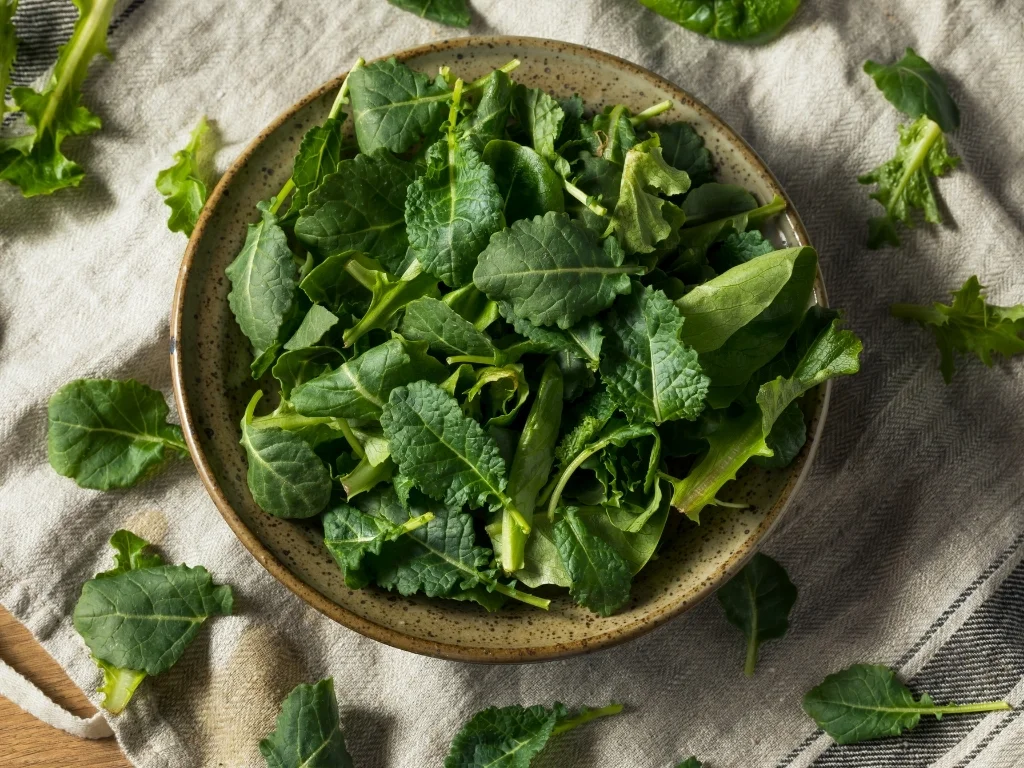
1. Leafy greens
Leafy greens like spinach and kale are low in carbohydrates but high in fiber and antioxidants. These nutrients may help reduce post-meal blood sugar spikes and support overall metabolic health. They are also easy to add to meals. Try mixing them into omelets, blending them into smoothies, or using them as a base for salads.
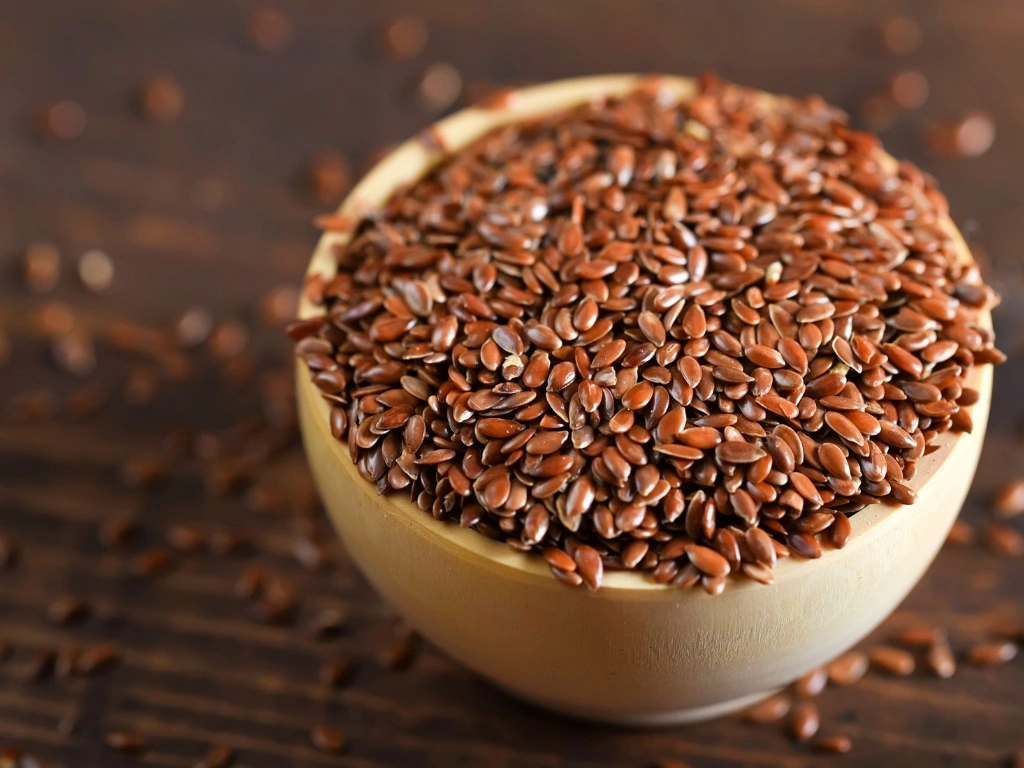
2. Flaxseeds
Flaxseeds are rich in soluble fiber, which slows how quickly glucose is absorbed in the body. Some studies suggest they may help improve blood sugar control over time. They are easy to incorporate into daily meals. Add ground flaxseed to oatmeal, yogurt, or smoothies for a simple boost.

3. Greek yogurt
Greek yogurt provides protein and probiotics, both of which may support blood sugar regulation. The protein helps slow digestion, while probiotics may support gut health, which is being studied for its role in metabolic function. Choose unsweetened versions and pair with berries or nuts for a more balanced snack.

4. Eggs
Eggs are a reliable source of protein and contain little to no carbohydrates, which makes them helpful for stabilizing blood sugar. Including protein in meals may reduce how quickly glucose rises after eating. Eggs also make meals more filling. You can include them in breakfast, salads, or quick meals throughout the day.
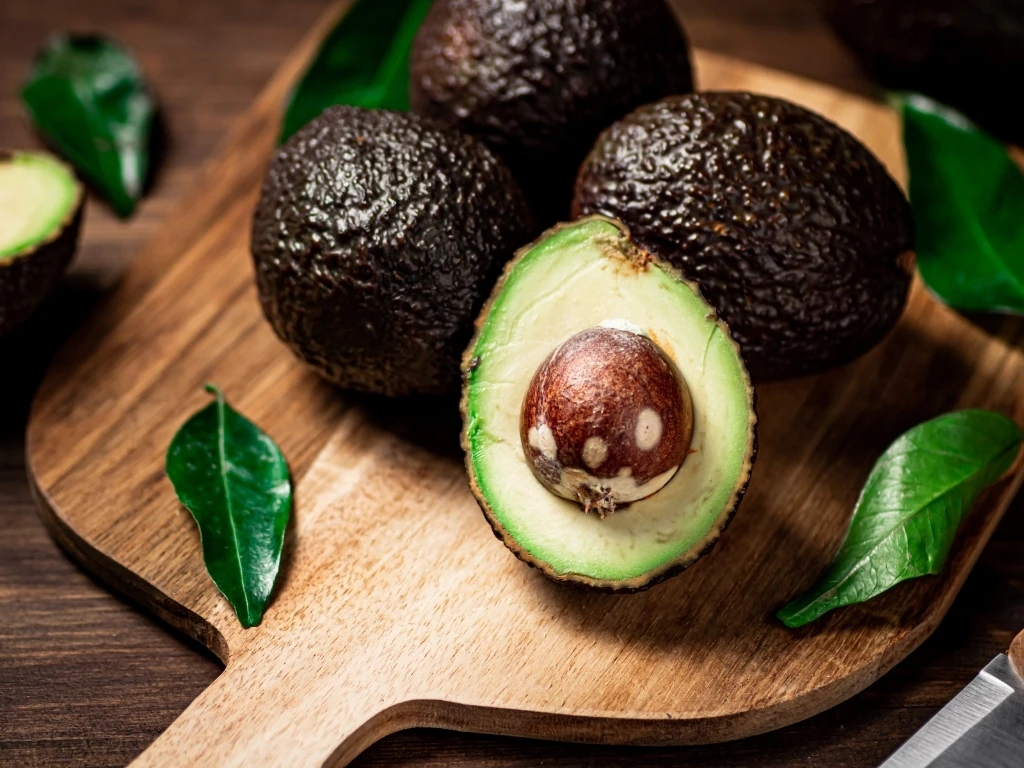
5. Avocados
Avocados are rich in healthy fats and fiber, which can help support steadier blood sugar levels. These nutrients slow digestion, which may reduce sharp spikes after meals and help keep energy more stable. They also support heart health, which is especially important for people managing diabetes. Try adding sliced avocado to eggs, salads, or whole-grain toast for a simple, balanced addition.
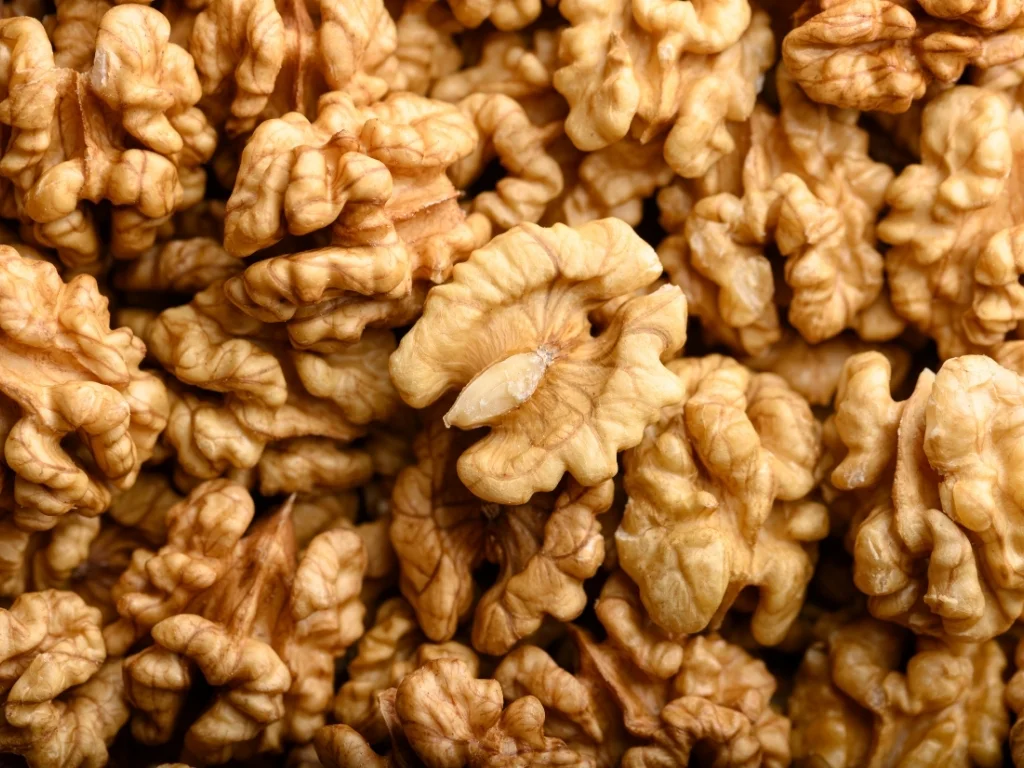
6. Nuts (especially almonds and walnuts)
Nuts provide a mix of healthy fats, fiber, and protein, all of which can help slow digestion and support more stable blood sugar levels. Some research suggests regular nut intake is associated with improved glycemic control. A small handful can be a convenient snack or added to meals like oatmeal or salads.
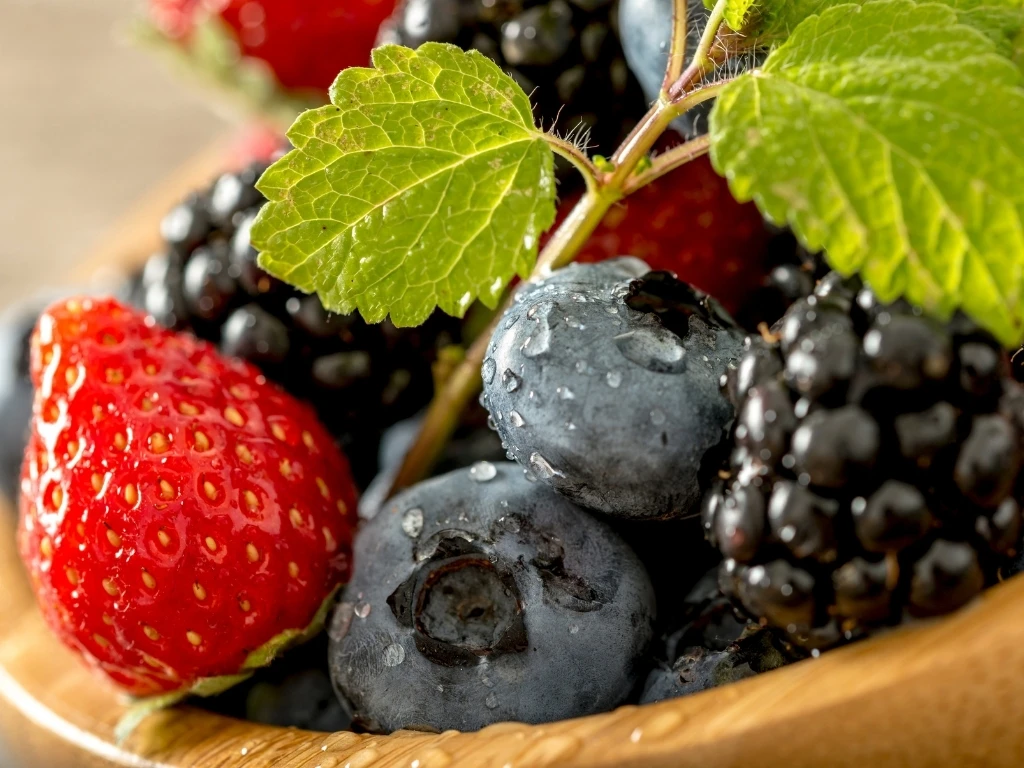
7. Berries
Berries have a lower glycemic impact compared to many fruits due to their fiber and antioxidants that may help regulate blood sugar. They can satisfy sweet cravings without causing large spikes. Add them to yogurt, oatmeal, or enjoy them on their own as a snack.
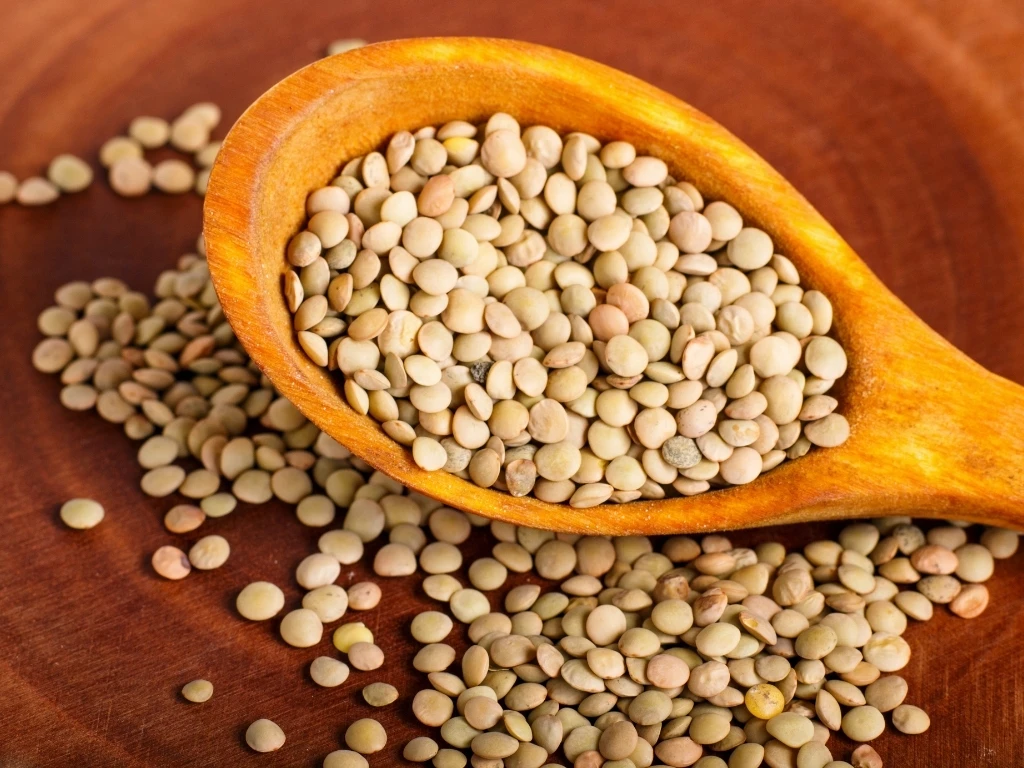
8. Beans and lentils
Beans and lentils are rich in fiber and plant-based protein, which help slow digestion and support gradual glucose release. They are often included in plans focused on foods to lower A1C because of their steady impact on blood sugar. Try adding them to soups, salads, or grain bowls.
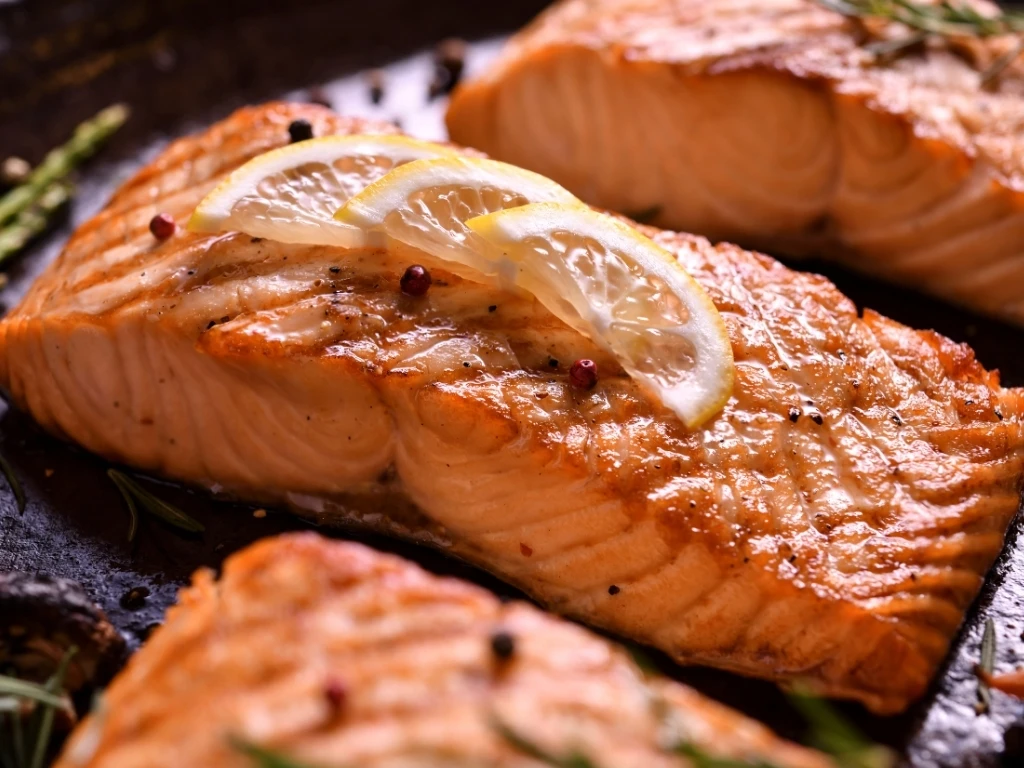
9. Fatty fish (salmon)
Fatty fish like salmon provide omega-3 fatty acids, which may help reduce inflammation and support metabolic health. While they do not directly lower blood sugar, they’re among the foods that are good for managing hyperglycemia. Aim to include fish in your meals a couple of times per week.
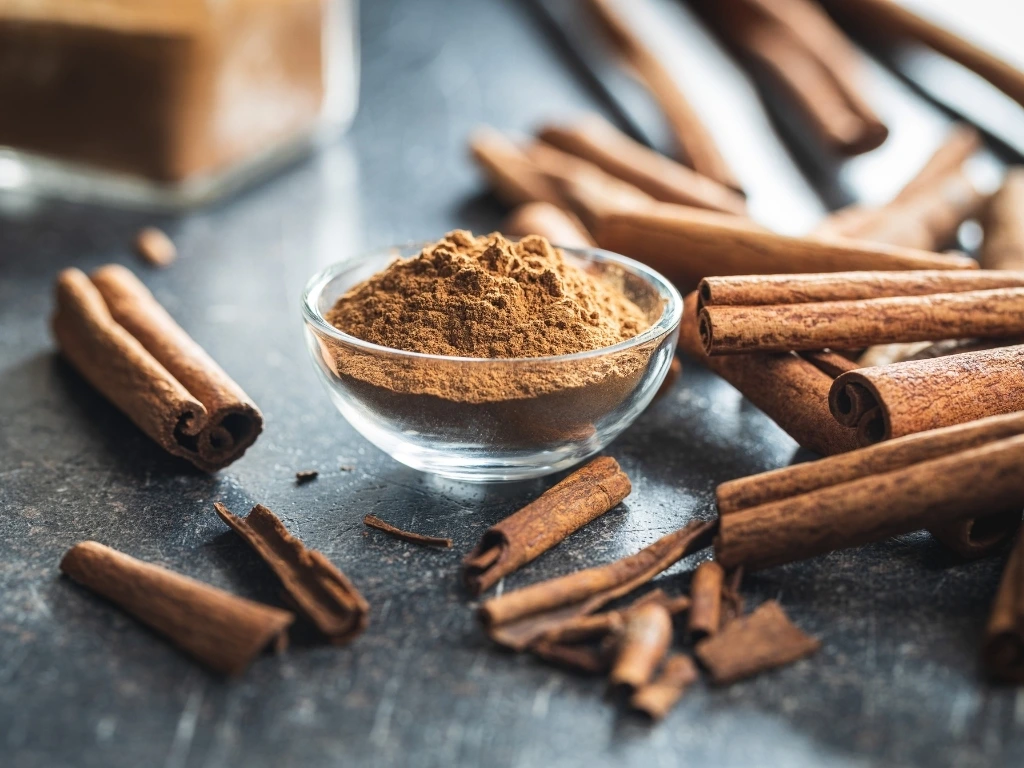
10. Cinnamon
Some studies suggest cinnamon may have a small effect on fasting blood sugar in certain individuals. However, the findings are inconsistent and should not be relied upon as a primary strategy. Still, cinnamon remains an easy addition to your routine. Sprinkle it on oatmeal, yogurt, or even coffee for extra flavor.
Turn small food choices into steady progress with a Health Loft dietitian
Including these foods that lower blood sugar in your meals can support more stable energy and better long-term control, but lasting results usually come from how your overall routine is built. How you time and portion your meals, the food combinations you consume, and whether you stay consistent all play a huge role in reducing your HbA1c (blood sugar test) results.
If you’re trying to make sense of what works for your body, you don’t have to figure it out on your own. At Health Loft, our registered dietitians specializing in diabetes care can help you turn everyday food choices into a plan that feels realistic and sustainable.
We work with you to identify which foods fit your preferences, how to structure your meals throughout the day, and how to adjust portions without feeling restricted. We also help you interpret patterns in your blood sugar, so you can understand how your body responds to different foods and make informed adjustments over time.
As your needs change, your plan can evolve too. Whether you’re managing diabetes, prediabetes, or simply aiming for better balance, having the right support can make the process feel more manageable. Connect with a Health Loft dietitian to start receiving hands-on personalized support for your nutrition.
This article was reviewed by Katie Whitson, RD, LD. It is intended for informational purposes only and does not replace personalized nutritional advice.