








Soda is one of the drinks people with diabetes are often advised to limit, as its high sugar content can cause spikes in blood glucose. To offer alternatives, sugar-free versions are now widely available, but how safe are they? Can people with diabetes actually drink diet soda?
Diet soda doesn’t contain sugar and usually won’t spike blood glucose the way regular soda does, but it’s not entirely risk-free. There are still a few important health considerations to keep in mind when deciding how often to include it in your routine — or whether to even give it a place in your diet.

Can people with diabetes drink diet soda?
The short answer is yes — in moderation. Diet soda generally isn’t bad for people with diabetes. This is because most diet sodas use sugar substitutes instead of traditional sugar, so they generally don’t cause the same spikes in blood glucose.
For those managing diabetes, this can make diet soda an occasional alternative when trying to reduce sugar intake.
That said, “sugar-free” doesn’t automatically mean that it’s healthy. Diet soda is still a processed beverage that offers little nutritional value and may contribute further to cravings for sweets. The bottom line is that water will always be a better, more nutritious choice for people with diabetes. However, this doesn’t mean that diet soda can’t still be consumed in moderation.
How diet soda may affect blood sugar and health
Diet soda is often chosen as a way to reduce sugar and calorie intake, but its broader effects on the body are still being studied. While it doesn’t contain sugar in the traditional sense, emerging evidence suggests its impact may be more complex than what was previously believed.
Artificial sweeteners and blood sugar
Most artificial sweeteners used in diet soda are not broken down by the body in the same way as sugar, which is why diet sodas typically don’t raise blood sugar levels directly. However, some research suggests they may still interact with the body in indirect ways that could influence glucose regulation, insulin response, and gut health.
Sucralose
Sucralose is a heat-stable sweetener about 600 times sweeter than sugar. It is widely used in low-calorie products. Research suggests it may influence how the body tolerates glucose by altering the composition of gut bacteria.
Aspartame
Aspartame is made from amino acids and provides very few calories. There is some evidence linking it to changes in body weight and fat storage, possibly through its effects on energy balance and how the body uses calories.
Saccharin
Saccharin has been studied for its potential effects on insulin and the gut microbiome. One study suggests it may trigger what’s known as a cephalic phase insulin response, which refers to the early release of insulin that can occur when the body anticipates food through taste or smell. This effect appears to depend on the overall diet and context, and when typical intake levels are generally considered to be low.
Acesulfame potassium (Ace-K)
Acesulfame potassium is another heat-stable sweetener, often blended with others to mask its bitter aftertaste. Research shows it might elevate certain cardiovascular risk factors and affect the antioxidant function of high-density lipoprotein (HDL) cholesterol (also known as “good” cholesterol), though more research is needed to confirm these findings.
Effects on appetite and cravings
A 2025 study suggests that artificial sweeteners can affect brain responses related to hunger and reward, which may increase cravings for sweet foods in some individuals.
However, these effects are not typical for everyone. Many people do not report noticeable changes in hunger or cravings after consuming diet soda.
Diet soda’s relationship with weight gain
Diet soda is often used as a replacement for sugary drinks, which can help to reduce one’s overall caloric intake. Still, the relationship between artificial sweeteners and body weight is not yet fully understood.
Some studies have found a link between diet soda consumption and an increase in weight, though they don’t necessarily imply that diet soda causes weight gain. In many cases, “reverse causation” may be the explanation. This dictates that people who are already at risk of obesity and are concerned about their weight may be more likely to choose diet beverages, only to end up with counterproductive results.
In addition to sweeteners, carbonation itself may have a negative effect. Some research suggests that carbonated drinks can stimulate pressure-sensitive cells in the stomach, prompting the release of ghrelin, a hormone that signals hunger. This increase in ghrelin raises the possibility that even calorie-free carbonated drinks could still lead to increased food intake and weight gain in certain situations.
Diet soda and risk for metabolic syndrome
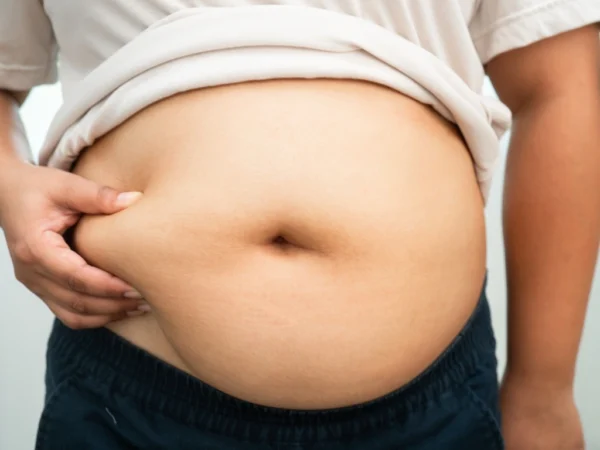
Metabolic syndrome is a group of conditions — including high blood pressure, elevated blood sugar, excess abdominal fat, and abnormal cholesterol levels — that all together increase the risk of heart disease and type 2 diabetes.
A 2021 study suggests that while artificial sweeteners are intended to be used as sugar substitutes, consuming them long-term may be associated with changes in glucose tolerance and cardiovascular risk. Further long-term clinical trials are needed to determine the full impact of artificial sweeteners on metabolic health.
What people with diabetes can drink apart from diet soda
While individuals with diabetes can drink diet sodas like Coke Zero, that doesn’t make them the only options. In fact, it can be much more beneficial to focus on drinks that support hydration without the added sugars or artificial sweeteners.
Water
Water is the most effective and straightforward choice for staying hydrated. It contains no calories, carbohydrates, or sweeteners, making it ideal for regulating blood sugar, supporting digestion, and keeping energy levels steady throughout the day.
Sparkling water
If you enjoy carbonation, sparkling water can be a satisfying alternative to diet soda. Choose plain or naturally flavored versions with no added sugar or artificial sweeteners.
Infused water
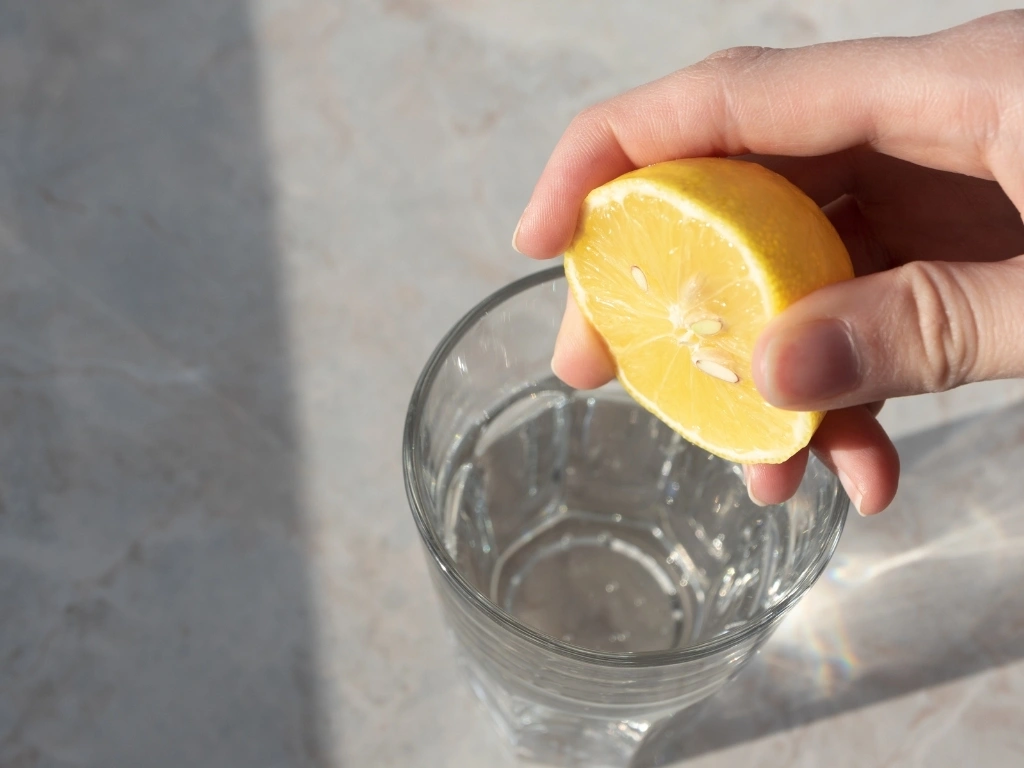
If you prefer a hint of flavor, simply add slices of fruit, cucumber, or herbs like mint or basil to water. This beverage option enhances the taste without significantly affecting blood sugar levels.
Unsweetened tea
Whether black, green, or herbal, all teas are essentially infused water that can be enjoyed hot or cold. Drinking tea without added sugar provides hydration and delivers antioxidants and other plant compounds that may be supportive of overall health.
If you prefer caffeine-free, go for herbal blends like chamomile, hibiscus, or rooibos.
Black coffee
Black coffee naturally contains little to no calories or carbohydrates, making it a diabetes-friendly choice that’s best consumed in moderation. If you enjoy coffee with milk or cream, make sure to keep portions small and avoid adding sugar to maintain its benefits.
Design a diabetes-friendly nutrition plan with Health Loft
Drinks like diet sodas can fit in a diabetes-friendly lifestyle in moderation, but they’re just one small part of maintaining stable blood sugar levels and shouldn’t be relied on extensively. What can really make a difference is a balanced, personalized approach to nutrition — something a registered dietitian specializing in diabetes care can help you with.
At Health Loft, our dietitians can provide nutrition advice that’s tailored to your specific needs, helping you understand how different beverage and food choices may be affecting your blood sugar levels. We also develop practical strategies to help manage cravings, balance meal plans, and support your weight management goals, while still accommodating the foods and drinks you enjoy most.
By connecting with a Health Loft dietitian, you can start building lasting habits that make diabetes more manageable. Take the next step in your diabetes journey for as low as $0, depending on your insurance coverage.
This article was reviewed by Haleigh Mann, MS, RDN, LDN. It is intended for informational purposes only and does not replace personalized nutritional advice.