









The gut plays a central part in how nutrients are absorbed from the food we eat. It’s natural to wonder what might be done to support it, especially in the presence of symptoms like leaky gut, which can hinder the body’s ability to process these nutrients.
Proper nutrition and lifestyle changes are often the basis of caring for the gut. However, in some cases, additional support in the form of dietary supplements may be considered for leaky gut syndrome or other digestive challenges where nutrient gaps can introduce new complications.

What is leaky gut syndrome?
Leaky gut syndrome (or simply leaky gut) in itself isn’t a formally recognized medical diagnosis. Instead, it’s a term commonly used to describe increased intestinal permeability, which happens when the lining of the intestines becomes more porous than normal.
The intestinal barrier is made up of tightly connected cells held together by structures called tight junctions, which help regulate what can and can’t move through the intestinal lining. Under healthy conditions, the gut barrier acts like a filter that only lets nutrients and water pass into the bloodstream, blocking off any substance that may be harmful.
When the gut becomes more permeable, these tight junctions tend to loosen. As a result, bacteria, toxins, or partially digested food particles may slip through the barrier more easily, potentially contributing to inflammation.
Increased intestinal permeability has been observed as a symptom of several other gastrointestinal and autoimmune conditions, such as inflammatory bowel disease, irritable bowel syndrome, celiac disease, type 1 diabetes, Hashimoto’s thyroiditis, and lupus.
Can supplements cure leaky gut?
No, supplements don’t cure leaky gut. While these products can be supportive, they are unable to resolve complex health issues on their own and shouldn’t be viewed as alternatives to prescribed medications.
Many digestive symptoms tend to be rooted in multiple causes, and supplements simply aren’t made to serve as standalone cures for underlying conditions. Instead, when taken alongside standard medical treatment and dietary changes, they may help improve aspects of gut health, such as:
- Balancing gut bacteria
- Reinforcing the integrity of the gut barrier
- Reducing inflammation
- Boosting overall nutrient status
Supplements can potentially benefit people with leaky gut — as well as other digestive conditions like Crohn’s disease or celiac disease — where the risk for deficiencies is high, as disease impairs absorption. Still, supplements are not necessary for everyone experiencing digestive symptoms.
6 supplements that may help manage leaky gut
The following are some supplements that may help heal the gut and support intestinal barrier function, according to recent studies.
While findings show great promise, keep in mind that gut health is highly individual. Deciding whether or not to use supplementation to manage leaky gut symptoms should be made with close supervision by a qualified healthcare professional.
Probiotics
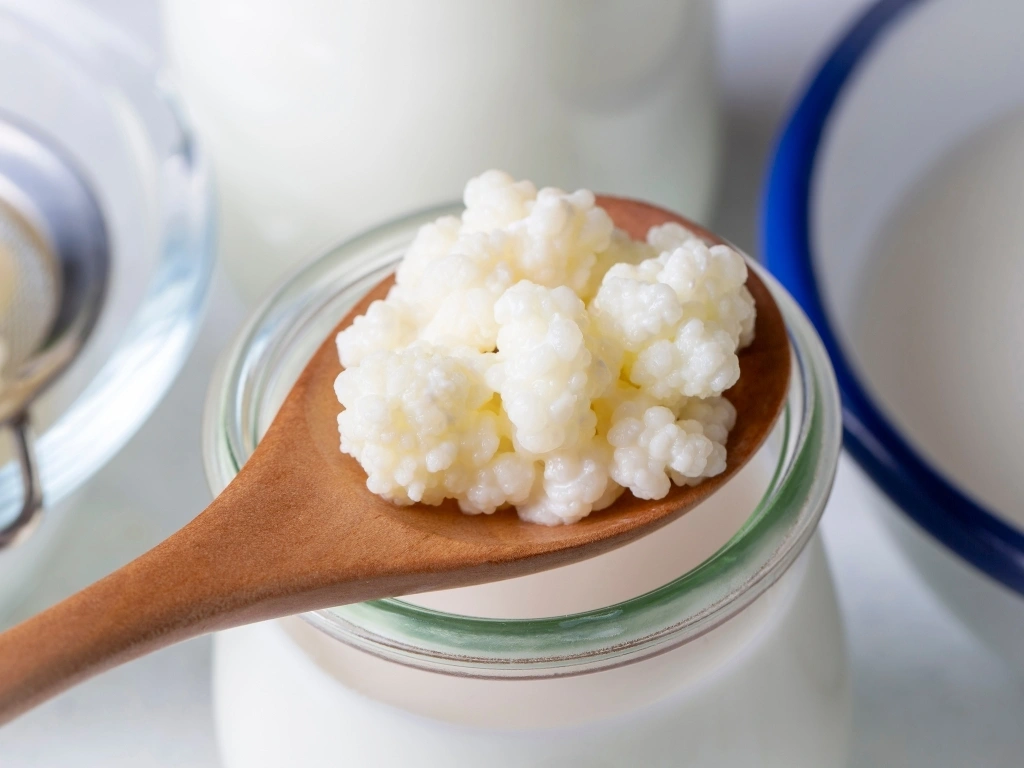
Among the most widely studied supplements for leaky gut syndrome are probiotics. These are live microorganisms typically found in fermented foods such as yogurt, kimchi, miso, and kefir that are well-known for their role in supporting beneficial gut bacteria.
Certain probiotic strains may help maintain the integrity of the intestinal barrier, particularly supporting the gut’s innermost lining and its mucus production. They also enhance immune defenses such as immunoglobulin A (IgA), a key antibody that protects the body from infections.
Some studies also suggest that probiotics may impact the proteins in tight junctions, helping regulate intestinal permeability.
Prebiotic fiber
A fiber supplement for leaky gut may also support gut health by nourishing beneficial microbes. Prebiotics are a type of fiber that the human body cannot fully digest, but gut bacteria can ferment and use as fuel.
Common prebiotic compounds include inulin, oligosaccharides, and certain starches. These substances naturally occur in foods such as garlic, onions, bananas, asparagus, lentils, and chickpeas.
When gut bacteria ferment prebiotic fibers, they produce short-chain fatty acids, compounds that support the gut environment and help preserve intestinal barrier function.
Research suggests that higher intake of prebiotics may improve gut microbiome diversity and contribute to positive metabolic effects. Some clinical studies have also observed reductions in markers associated with leaky gut after taking prebiotic supplements.
L-glutamine
L-glutamine is an amino acid that plays a crucial role in the function of intestinal cells. Specifically, it serves as a primary fuel source for cells lining the small intestine.
Studies suggest that glutamine may help regulate how tight junction proteins work and control intestinal permeability, with supplementation particularly aiding in the reduction of inflammation.
There’s also reason to believe that combining glutamine with probiotics may further support microbiome balance and intestinal barrier structure.
Zinc
Zinc is an essential mineral involved in immune function, cellular repair, and maintenance of the gut barrier. While research is still emerging, what has already been explored reports that zinc may influence intestinal permeability.
According to these studies, zinc interacts with a nutrient-sensing pathway that helps regulate tight junction proteins in the intestinal lining. Getting enough zinc levels may therefore help strengthen the intestinal barrier.
Because zinc deficiency is relatively common worldwide, ensuring adequate intake through diet or supplements may be especially important for people with inflammatory bowel conditions.
Collagen
Collagen supplements may also be used for leaky gut. This is because collagen contains amino acids that may support connective tissue throughout the body, including the digestive tract.
Collagen peptides may help strengthen tight junction proteins, thereby supporting the intestinal barrier itself, based on results from laboratory studies. They have also been found to assist in reducing inflammation involved in barrier dysfunction.
Berberine
Berberine is a compound sourced from plants, particularly herbs like barberry and goldenseal. This compound may influence tight junction proteins, effectively helping maintain the structure and integrity of the intestinal barrier.
Studies on berberine’s potential metabolic benefits have also been conducted, with some clinical trials observing improvements in blood sugar regulation among people with prediabetes and type 2 diabetes.
Why personalized nutrition is more important for gut health
Although supplements may help manage leaky gut, they’re rarely the best starting point for repairing the gut barrier and improving digestive health. When you rely on supplements alone, you’re more prone to overlooking approaches to recovery that actually have a greater impact on gut function.
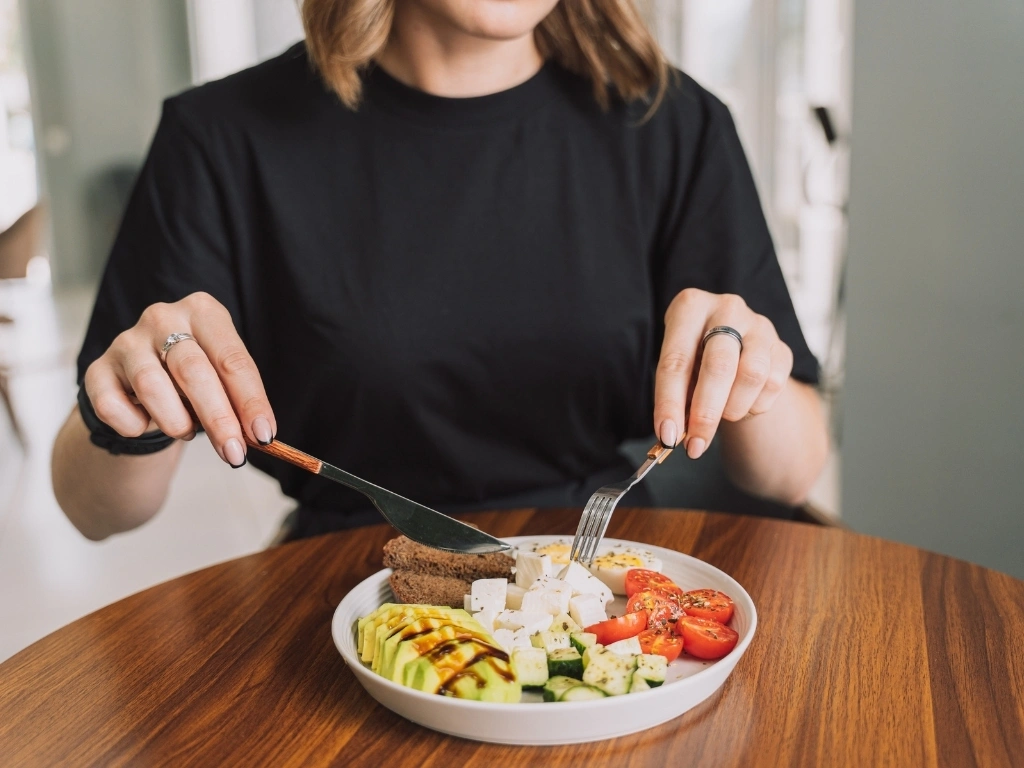
More often than not, healthy eating patterns matter far more than any single supplement. In fact, a well-rounded, personalized nutrition plan built around the following habits lays the very groundwork that dietary supplements can build upon:
- Eating balanced meals at regular times
- Getting enough fiber
- Swapping processed items for a variety of whole foods, such as fruits, vegetables, whole grains, legumes, and fermented foods
- Ensuring overall nutritional balance
These factors help support digestion and nourish beneficial gut bacteria, creating ideal conditions for supplements to be most beneficial, if deemed appropriate.
Support your gut health with expert nutrition care from Health Loft
It’s easy to focus on supplements when looking for ways to support leaky gut, but they’re just a small part of a much larger, more complex road to recovery.
Long-term improvements in gut health are more often tied to consistent nutrition habits, like eating patterns that support digestion, getting a range of nutrients, and maintaining balance without unnecessary restriction. A registered dietitian who specializes in gut health can help you build these habits in a way that fits your routine and symptoms.
In practice, that might mean helping you reintroduce foods with confidence, adjusting your diet to reduce discomfort, or making sure that you’re actually meeting your nutrient needs even when digestion isn’t optimal. Supplements, if deemed necessary for your case, can become more purposeful within this plan rather than being used as a standalone strategy.
Reach out to a Health Loft dietitian to start receiving personalized, evidence-based nutrition guidance that improves your gut health and quality of life.
This article was reviewed by Adrienne DePaul, MS, RDN. It is intended for informational purposes only and does not replace personalized nutritional advice.