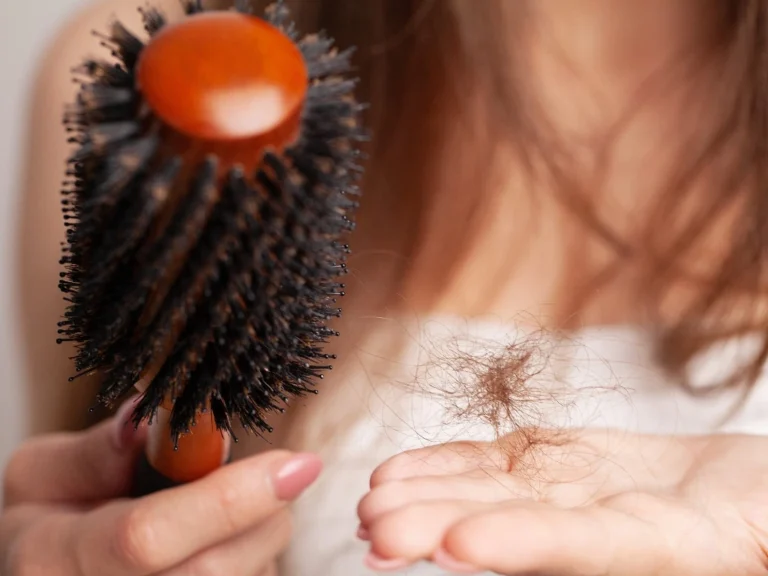









Mounjaro is a medication prescribed to individuals with type 2 diabetes to help improve their blood sugar levels. One of its well-known side effects is weight loss, which has expanded its use into weight-management settings, although that use is still considered off-label.
Recently, however, some users have also reported experiencing hair loss or shedding while on treatment, raising questions about whether the medication plays a direct role. This article explores what researchers currently know about the connection between Mounjaro and hair loss — and what you can do to support healthy hair and overall nutrition as your body adjusts.

Does Mounjaro really cause hair loss? What research actually shows
Many people starting Mounjaro ask, “Is hair loss a common side effect of Mounjaro?” Clinical trial data do not list hair loss as a known or frequent side effect, but that doesn’t dismiss the experiences of people who have noticed increased shedding while on treatment.
After the medication became widely used, some users began reporting hair loss. This is consistent with what has been observed in other GLP-1–based receptor agonists (GLP-1RA) like semaglutide and liraglutide. In fact, more than 1,000 spontaneous cases of hair loss among GLP-1RA users have been reported in the United States Food and Drug Administration Adverse Event Reporting System.
A 2025 multicenter cohort study found that exposure to GLP-1RA, including Mounjaro’s ingredient tirzepatide, was associated with a modestly increased risk of non-scarring hair loss at both six and 12 months. These patterns included telogen effluvium (a form of temporary hair loss prompted by physical or emotional stress) and androgenetic alopecia (hair loss caused by overproduction of androgens), though researchers emphasize that the data cannot prove a cause-and-effect relationship.
The same review pointed out that many of the studies didn’t include a dermatologist’s evaluation to confirm the type of hair loss, which makes the results less certain. And so far, scientists haven’t identified a clear biological mechanism showing that GLP-1 medications directly affect hair follicles.
So, what might be causing the hair loss that some people taking Mounjaro notice? Many experts believe the connection between Mounjaro and hair loss is more indirect — tied to rapid weight loss, calorie restriction, shifts in nutrient intake, or hormonal changes rather than the medication itself. Because Mounjaro suppresses appetite, users may unintentionally consume fewer calories and nutrients than their bodies need to support a healthy hair growth cycle.
On the upside, hair loss while on Mounjaro is usually temporary for most people. As weight stabilizes and nutrition becomes more balanced, many see their hair return to its normal growth cycle. If shedding continues or becomes severe, a healthcare professional can help evaluate underlying causes.

5 healthy eating habits to prevent hair loss during Mounjaro treatment
Caring for your hair during Mounjaro treatment starts with caring for your body. Hair is sensitive to changes in nutrient intake, especially during periods of weight loss. Current evidence points to nutrient deficiencies, hormonal shifts, and physical stress that weight loss brings as the primary culprits behind hair loss — not Mounjaro itself.
While dietary supplements can be helpful, the best approach is still to go natural. Adopt gentle, food-first habits such as the following to help strengthen your hair without disrupting treatment.
1. Prioritize protein
Hair is made primarily of protein, so getting enough throughout the day is essential for normal growth. One reason Mounjaro and hair loss can be connected is that a reduced appetite may lead you to eat less protein than your body needs to maintain a healthy hair cycle.
Build your meals around protein-rich foods such as eggs, yogurt, tofu, poultry, beans, or fish. If large portions feel challenging, try smaller meals or snacks spaced throughout the day to help you meet your needs more comfortably. For gentler options when your stomach feels sensitive, choose lighter protein sources like cottage cheese, nuts, or soft-cooked eggs.
2. Opt for small, nutrient-dense meals if appetite is low
When you’re eating less overall, every bite matters — especially because nutrient gaps can contribute to hair loss during Mounjaro treatment. Choose meals and snacks that combine protein with colorful produce and whole grains, so you’re still getting steady energy along with key vitamins and minerals your hair and body rely on.
Smoothies, soups, or broths can be gentle, easy-to-digest choices you can rely on whenever your appetite dips. They’re also easy to customize with flavors and ingredients you enjoy, whether you prefer something sweet or savory.
3. Stay hydrated throughout the day
Even mild dehydration can affect how hair looks and feels, so make it a point to sip water as often as possible. If plain water doesn’t cut it, consider broths, water-rich fruits like watermelon, oranges, melons, or cucumbers, or herbal teas that help hydrate, such as ginger, hibiscus, chamomile, or rosehip.
4. Include foods rich in iron, zinc, healthy fats, and vitamin D
These nutrients all play important roles in maintaining stronger, healthier, and shinier hair. Vitamin D aids in creating new hair follicles, while iron is vital for transporting oxygen to them. Zinc helps build keratin and collagen, which are the proteins that make up hair fiber. On the other hand, omega-3 and omega-6 fatty acids hydrate the scalp and strengthen hair.
Lean meats, lentils, spinach, pumpkin seeds, fortified cereals, avocados, nuts, and olive oil are all easy additions that can help keep your body well-nourished, preventing hair loss during Mounjaro treatment.
5. Seek nutrition guidance from a registered dietitian
If you’re unsure whether you’re meeting your nutritional needs while on Mounjaro — or if hair loss is still a concern — a registered dietitian can help. With personalized support, they can guide you toward a balanced eating pattern that protects your hair and overall health, helping you feel more confident and supported throughout your treatment.
More serious Mounjaro side effects to be aware of
While hair loss during Mounjaro treatment is usually temporary and more related to rapid weight changes than the medication itself, it’s still important to understand the rare but more serious side effects that may require medical attention. This helps you stay informed and gives you a sense of which symptoms to watch out for.
Most people experience only mild digestive symptoms, such as nausea, decreased appetite, or indigestion, that tend to settle with time. However, the following symptoms should prompt a call to your healthcare provider, especially if they become persistent:
- Severe abdominal pain
- Repeated vomiting
- Possible signs of pancreatitis, such as abdominal pain that radiates to your back or doesn’t ease with rest
- Allergic reactions, including sudden swelling, rash, intense itching, or difficulty breathing
Experiencing any of these symptoms doesn’t automatically mean something dangerous is happening, but they are signs that your body may need a closer look. If something doesn’t feel right, whether it’s a change in digestion or discomfort that’s hard to explain, don’t hesitate to reach out. Your healthcare team can help you sort out what’s normal and what may require further evaluation.
Receive transformative support from a Health Loft dietitian
As you progress through your treatment, it helps to remember that hair loss as a Mounjaro side effect is often temporary. As your eating pattern becomes more consistent, your nutrition more balanced, and your body fully adjusted to the medication, you may notice your hair gradually returning to its usual fullness.
Ensuring you’re properly nourished while on Mounjaro can make a meaningful difference — not only for your hair, but for your overall health and long-term success with the medication.
Working with a registered weight-loss dietitian can make this feel much easier. When you book a consultation with Health Loft, your dietitian will help you identify nutrient gaps, navigate appetite and digestion changes, and create a personalized meal plan that keeps your body well-supported throughout treatment.
Access thoughtful, evidence-based care from a team that’s here for you. Learn more about Health Loft and how we can help today.
This article was reviewed by Katie Whitson, RD, LD. It is intended for informational purposes only and does not replace personalized nutritional advice.