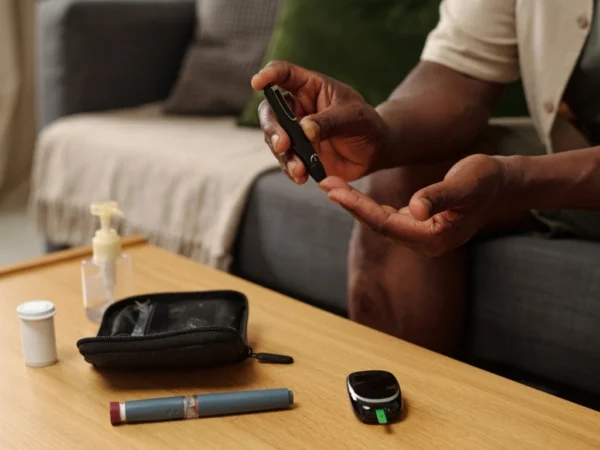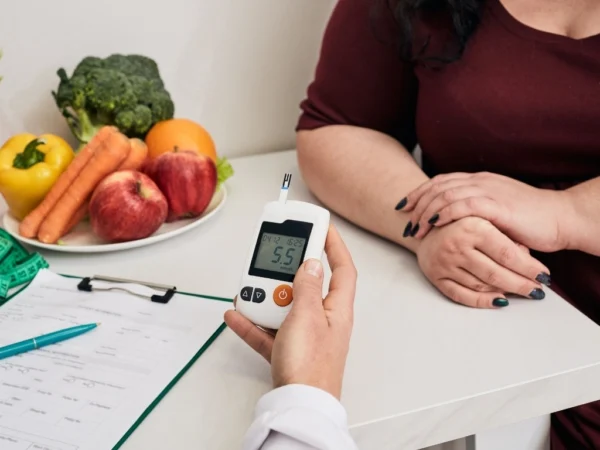









Being told you have prediabetes can feel confusing and sometimes even frustrating, especially if you thought your habits were already pretty healthy. It often raises the same question for everyone: Can my prediabetes be reversed, or is it bound to develop into diabetes?

What is prediabetes?
Prediabetes means your blood sugar levels are higher than normal, but not high enough to be diagnosed as type 2 diabetes. Think of it as an early warning sign that your body is starting to struggle with blood sugar control.
In prediabetes, blood sugar rises because the body becomes less responsive to insulin — a hormone that helps move sugar from the bloodstream into your cells. This “insulin resistance” means glucose stays in the blood longer than it should.
Prediabetes is typically diagnosed through routine blood tests, such as fasting blood glucose, A1C, or an oral glucose tolerance test. Many people don’t know they have it because symptoms are often subtle or nonexistent, which is why screening is so important.
Can prediabetes be reversed?
In many cases, yes — prediabetes is reversible.
Prediabetes doesn’t mean you’ll definitely develop type 2 diabetes. In fact, many people can bring their blood sugar back into a healthier range and improve how their body responds to insulin. This doesn’t happen overnight, but certain lifestyle changes, such as improving eating patterns, moving more during the day, managing weight, and getting enough sleep, can make a measurable difference over time.
With the right approach and support, your blood sugar can improve, and your long-term risk can drop significantly.
Key factors that influence prediabetes
If you’re wondering why you have prediabetes even if you eat healthy, it’s important to understand that blood sugar isn’t determined by just one thing. It’s shaped by how your body responds to food, your daily habits, and factors you may not always notice.
Here are some common reasons behind prediabetes:
Portion sizes
You can eat all the “right” foods, but if the portions are larger than your body can handle, your blood sugar will still rise. Even healthy carbs like rice, pasta, bread, fruit, and oats release glucose. Eating too much at once overwhelms your system and makes it harder for insulin to keep up.
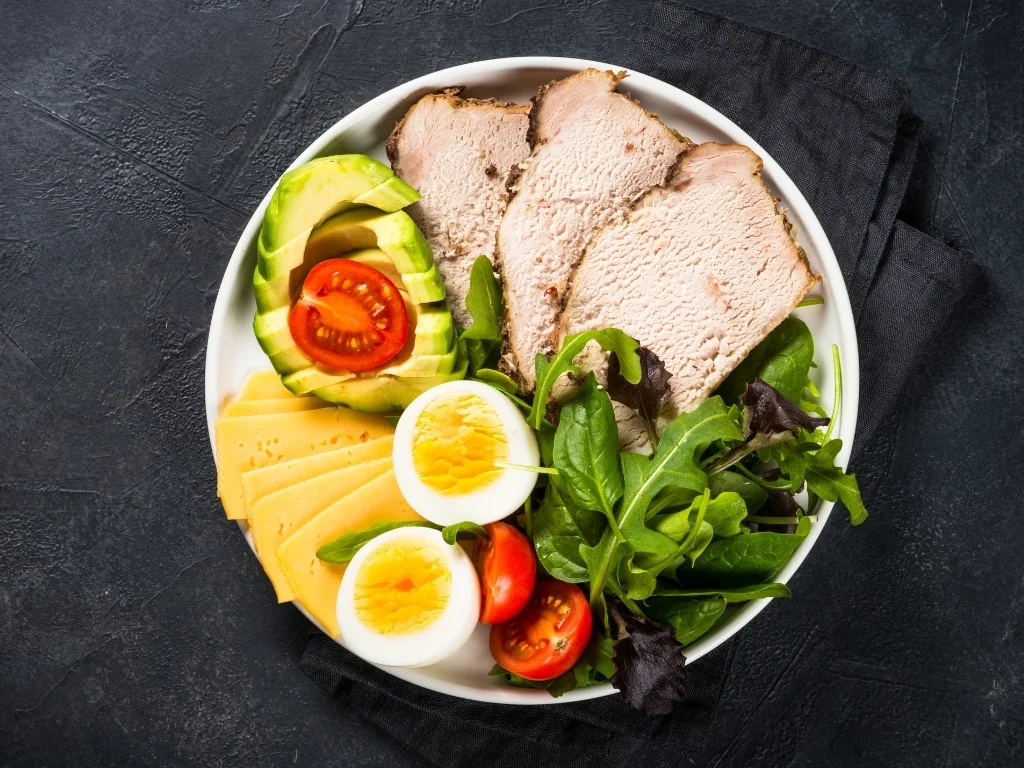
Using a simple tool like the Diabetes Plate Method can help keep portions in check. Follow this guide when you fill your plate:
- Half (50%) of your plate: non-starchy vegetables
- One quarter (25%) of your plate: lean protein
- One quarter (25%) of your plate: whole-grain or high-fiber carbs
This is an easy way to enjoy a variety of foods while keeping blood sugar steadier and preventing overportioning. Healthier eating habits may help reverse prediabetes.
Hidden sugars and refined carbs
This isn’t about how much you eat but what the food is made of. Many foods marketed as healthy contain added sugars or fast-digesting carbs that spike blood sugar quickly. Granola, smoothies, flavored yogurts, protein bars, and “healthy” cereals often fall into this category.
Lack of protein or fiber balance
A meal can look healthy yet still be unbalanced. For example, pairing fruit with toast or pasta with vegetables might be nutritious, but without enough protein or fiber, the carbs are absorbed too quickly. Protein, fiber, and healthy fats slow digestion and help keep blood sugar stable after meals.
Stress and sleep habits
Stress hormones like cortisol tell your body to release more glucose into the bloodstream. Poor or inconsistent sleep has a similar effect. Even with a great diet, chronic stress or sleep deprivation can make your body more insulin resistant, pushing blood sugar higher over time.
Physical activity levels
Movement is one of the most powerful tools for lowering blood sugar. When you’re less active — even if your diet is excellent — your muscles use less glucose. Walking after meals or adding small amounts of resistance training can dramatically improve how your body handles carbohydrates.
Genetics and insulin resistance
For some people, prediabetes develops even with good habits because they’re genetically more prone to insulin resistance. Family history, hormonal factors, and past weight changes can influence how your body manages glucose. A healthy diet can lower the risk, but it can’t always prevent it entirely.

How to lower blood sugar naturally to reverse prediabetes
You don’t need to rely on drastic changes to reverse prediabetes. Here are some of the most effective ways to support healthier glucose levels naturally:
- Improve your eating habits. Choose balanced meals with protein, fiber, and healthy fats to prevent sharp blood sugar spikes.
- Stay physically active. Aim for regular movement, even simple activities like walking after meals, to help your muscles use glucose more efficiently.
- Monitor food intake. Pay attention to portion sizes and how different foods affect your energy and blood sugar.
- Stay hydrated. Hydration supports overall metabolic health and may help your body regulate blood sugar more effectively.
- Focus on weight management if needed. Even a modest 5% to 7% weight reduction can significantly improve insulin sensitivity.
- Stay consistent with daily habits. Blood sugar improves most when healthy choices become part of your routine.
While many people see meaningful improvements with lifestyle changes alone, medications are also available when needed. Your physician can help you determine the safest, most effective approach based on your overall health and blood sugar levels.
How long does it take to reverse prediabetes?
Reversing prediabetes doesn’t follow a fixed timeline. Some people aim for reversals within three months, but setting such goals may not be realistic. Instead, it helps to focus on making small steps that contribute to long-term health changes.
Experts recommend losing weight as the quickest way to help reverse prediabetes, as it will lower blood sugar levels. Ultimately, progress depends on several factors, such as how high your blood sugar is, how consistently you adopt healthier habits, and your overall lifestyle.
When to seek extra support for prediabetes
Speaking with a healthcare provider or dietitian can help you get clearer guidance and a plan that actually works for your day-to-day life.
Common symptoms to watch for include:
- Unexplained fatigue or low energy
- Blurred vision
- Slow-healing cuts or frequent infections
- Increased hunger, especially shortly after eating
These symptoms don’t always mean your condition is worsening, but they are signals worth paying attention to.
You may also want support if:
- Lifestyle changes start to feel overwhelming or hard to maintain
- You’re unsure how to adjust your diet or activity safely
- You’re experiencing stress, burnout, or trouble sleeping that affects your habits
- You feel confused about your lab results or how to interpret them
If anything feels off or bothers you, it’s always wise to talk to a healthcare provider or dietitian. Getting support early often leads to better outcomes and a smoother path toward reversing prediabetes.
Start improving your blood sugar with Health Loft
While it can feel overwhelming at first, prediabetes can be successfully reversed. In fact, it’s also one of the most responsive conditions to lifestyle changes — especially when it comes to nutrition, movement, sleep, and stress.
If you’ve noticed elevated blood sugar or symptoms that concern you, speak with a qualified professional before making major changes on your own. Proper evaluation can help you understand where you stand and what specific actions will make the biggest impact.
At Health Loft, our registered dietitians specialize in diabetes care and can provide you with personalized, sustainable guidance to reverse prediabetes or prevent its progression. We tailor recommendations to your lifestyle, symptoms, medical history, and goals, helping you build habits that support steady blood sugar and long-term health. Connect with a Health Loft dietitian to get started.
This article was reviewed by Katie Whitson, RD, LD. It is intended for informational purposes only and does not replace personalized nutritional advice.