








It’s common to feel like your choices shrink when you first transition to a gluten-free diet. Finding satisfying snacks, especially if you’re living with celiac disease, can sometimes feel limiting. Many everyday snack foods contain wheat or hidden sources of gluten, so checking ingredient labels quickly becomes second nature.
Some people with celiac disease may also follow a plant-based lifestyle, which may add another layer of challenge.
But skipping snacks isn’t ideal either. Small snacks on a gluten-free diet can play an important role in maintaining steady energy between larger meals and balanced nutrition throughout the day.
The good news is that there are many simple, celiac-safe options — even for vegan gluten-free snacks — that are both nourishing and enjoyable.

What is celiac disease?
Celiac disease is an autoimmune condition triggered by gluten, a protein found in wheat, barley, and rye. When someone with celiac disease eats gluten, the immune system reacts by attacking the lining of the small intestine.
Over time, this immune response damages the intestine and interferes with the body’s ability to absorb nutrients properly.
Why a strict gluten-free diet is essential for celiac disease
Currently, the only effective treatment for celiac disease is a lifelong strict gluten-free diet. Removing gluten allows the small intestine to heal and helps prevent complications such as nutrient deficiencies, bone loss, and chronic digestive symptoms.
Even small amounts of gluten can trigger symptoms and intestinal damage. Because of this, choosing safe foods — including snacks — becomes an important part of daily life. The right snacks for celiac disease can help maintain energy, support nutrient intake, and make a gluten-free diet feel more sustainable.
11 healthy, gluten-free snacks for celiac disease
Below are a variety of healthy snacks that gluten-free eaters can enjoy. These options are naturally gluten-free and provide a balance of protein, fiber, healthy fats, and essential nutrients.
When shopping for ingredients, especially packaged items, reach for options that have the “gluten-free” label, because cross-contact can occur during packaging.
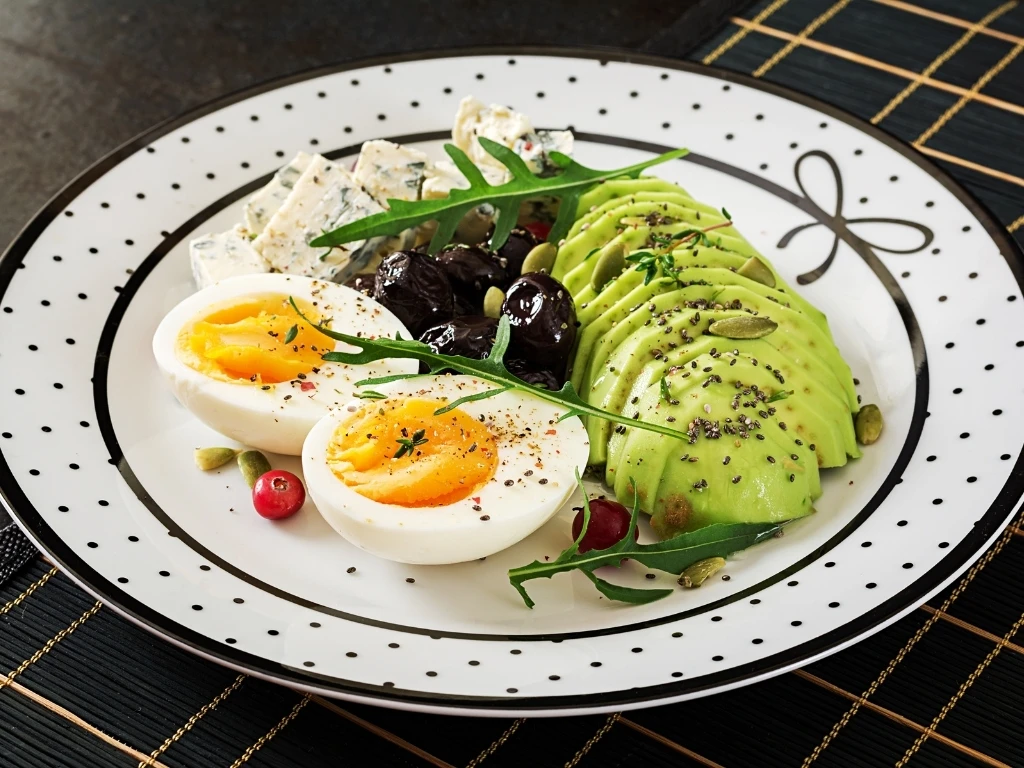
1. Hard-boiled eggs with sliced avocado
Eggs are rich in protein and nutrients such as vitamin B12 and choline. Pairing them with avocado adds heart-healthy fats and potassium, creating a simple and nourishing snack.
2. Greek yogurt with berries and chia seeds
Greek yogurt provides protein and calcium, which support bone health and muscle maintenance. Berries add antioxidants and fiber, while chia seeds provide omega-3 fats. Together, they make one of the easiest snacks for a gluten-free diet that also keeps you satisfied between meals.
3. Cottage cheese with pineapple or peaches
Cottage cheese offers protein and calcium, both important for maintaining strong bones. Fresh fruit adds natural sweetness and vitamin C while keeping the snack light and refreshing.
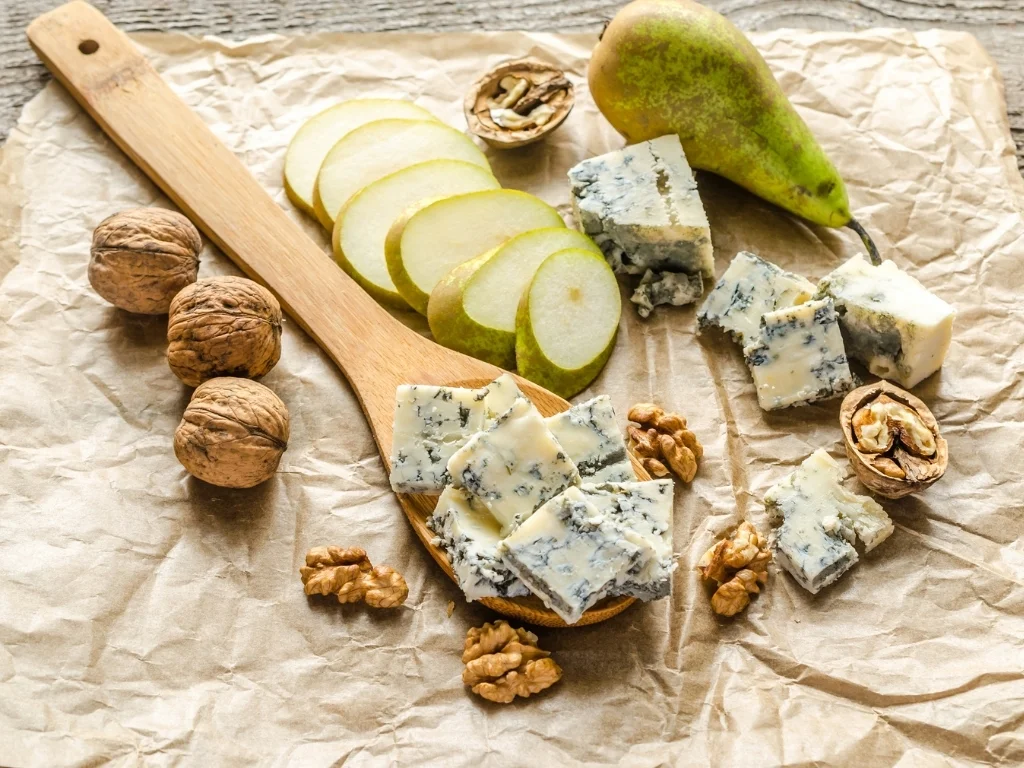
4. Walnuts with pear slices and cheese
Walnuts contain omega-3 fatty acids that support heart health and brain function. Paired with pear slices and a small serving of cheese, they create a snack that offers fiber, healthy fats, and natural sweetness.
5. Tuna salad with cucumber slices or gluten-free crackers
Tuna is a great source of protein and omega-3 fats. Served with cucumber slices or certified gluten-free crackers, it becomes a refreshing and filling snack option.
6. Cheese slices with grapes
Cheese provides protein and calcium, while grapes add hydration and natural sugars. This simple pairing offers a satisfying mix of protein and carbohydrates.
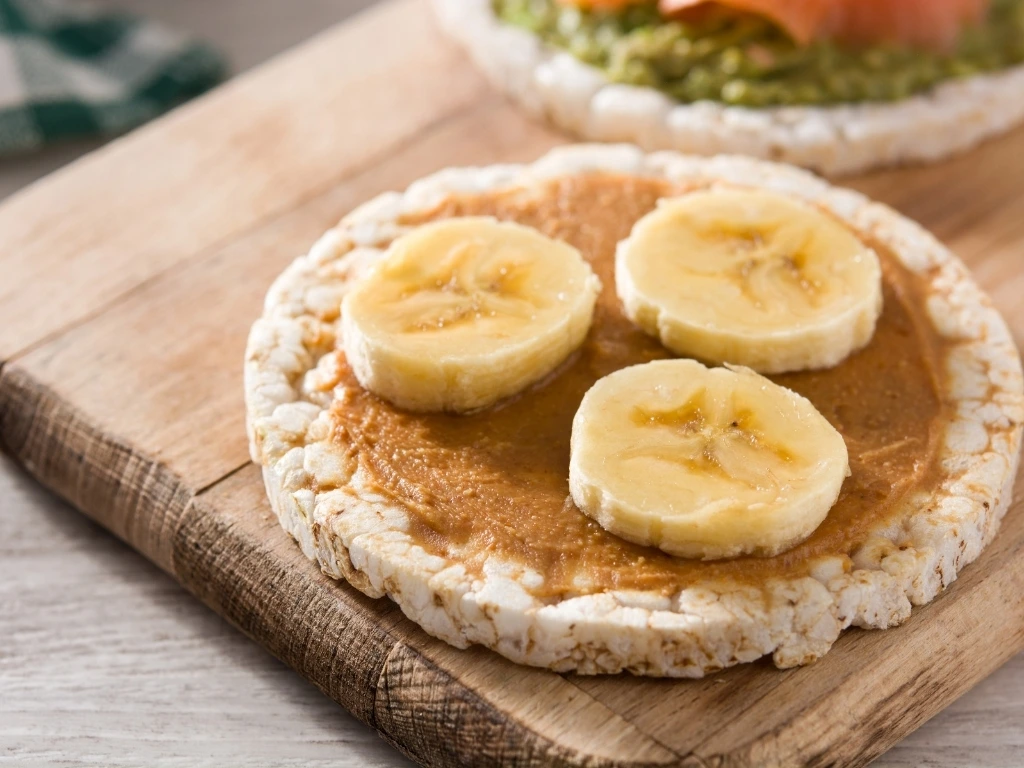
7. Rice cakes with peanut butter, honey, and banana
Plain rice cakes are naturally gluten-free and easy to top with nutritious ingredients. Peanut butter provides protein and healthy fats, while a banana adds potassium and natural carbohydrates. A light drizzle of honey adds sweetness and quick energy.
8. Hummus with carrot, cucumber sticks, and feta cheese
Hummus is made from chickpeas and provides plant protein and fiber. Paired with crunchy vegetables and a sprinkle of feta cheese, it becomes a nutrient-dense snack that also adds calcium and extra protein.
9. Smoothie with yogurt, berries, and spinach
A smoothie can be a quick snack when you need something convenient. Yogurt provides protein, berries add antioxidants, and spinach contributes vitamins like folate and vitamin K.
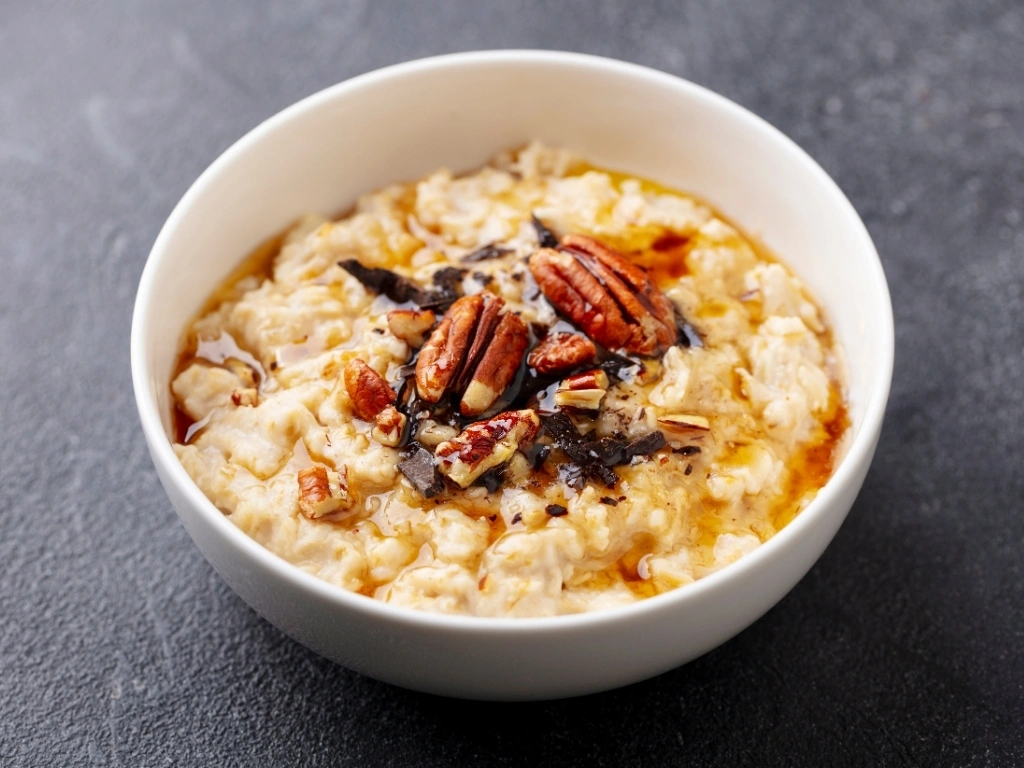
10. Certified gluten-free oatmeal with nuts, cinnamon, and milk
Oats are naturally gluten-free, but should be labeled certified gluten-free to avoid cross-contact. Preparing oatmeal with milk instead of water adds protein and calcium, while nuts and cinnamon contribute healthy fats and flavor.
11. Baked sweet potato with yogurt or cottage cheese
Sweet potatoes provide fiber, vitamin A, and potassium. Adding yogurt or cottage cheese turns this into a balanced snack with both carbohydrates and protein.
11 vegan gluten-free snacks for celiac disease
Some people with celiac disease also follow a vegan diet. Fortunately, many naturally gluten-free foods are plant-based as well. These vegan gluten-free snacks provide fiber, plant protein, and healthy fats.
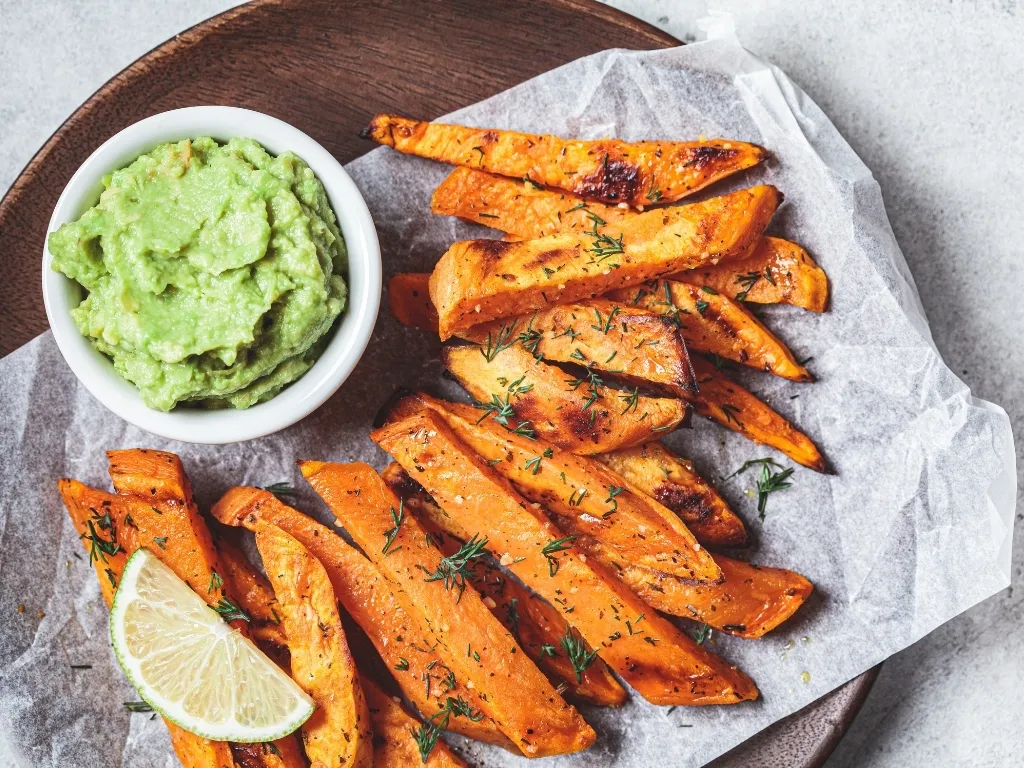
1. Guacamole with carrot sticks
Avocados provide healthy fats and potassium that support heart health. Pairing guacamole with carrots (or other vegetables like cucumber and bell peppers) creates a fresh, satisfying snack.
2. Roasted chickpeas
Roasted chickpeas are crunchy, high in plant protein, and rich in fiber. Seasoned with olive oil and spices, they make a filling snack that can easily replace processed foods. If store-bought, check to ensure they are certified gluten-free, as some spices or seasoning blends may contain gluten.
3. Apple slices with tahini
Tahini, made from sesame seeds, provides healthy fats and minerals such as calcium and iron. Paired with apple slices, it becomes a simple snack that balances sweetness with richness.
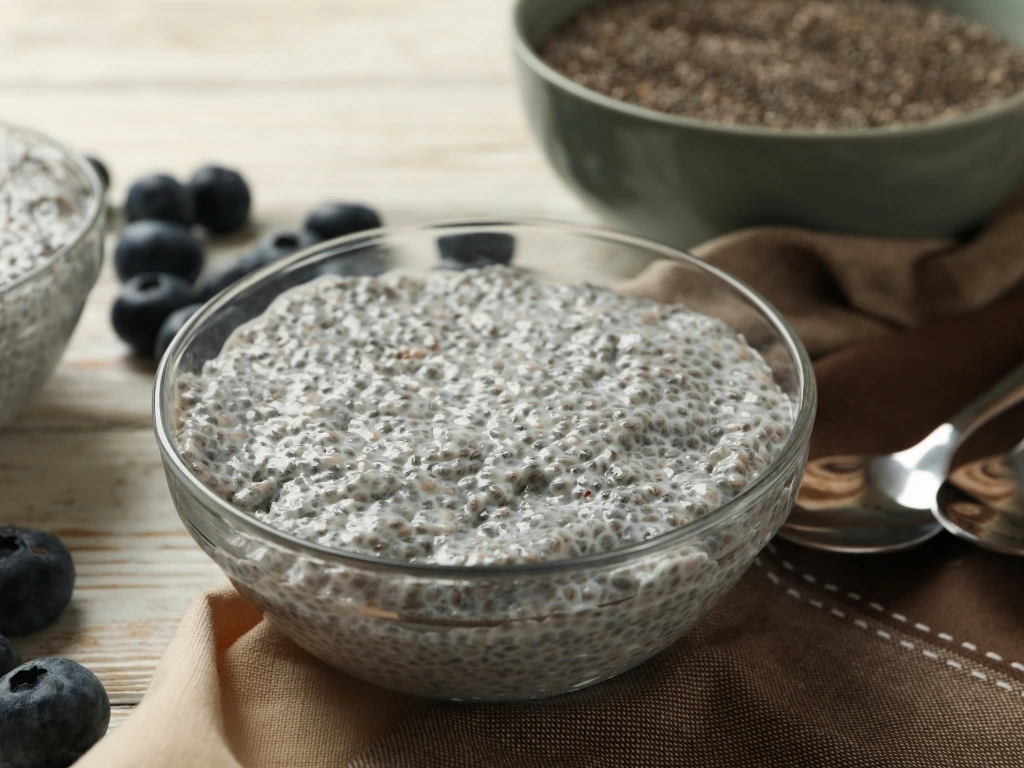
4. Chia pudding with plant milk
Chia seeds absorb liquid and form a pudding-like texture when mixed with plant milk. They are rich in fiber, omega-3 fats, and calcium, making them a nutritious snack.
5. Rice cakes with avocado and tomato
Rice cakes are naturally gluten-free and provide a convenient base for toppings. Adding mashed avocado and sliced tomato creates a snack that provides fiber, vitamins, and healthy fats.
6. Smoothie with plant milk, berries, and flax seeds
A smoothie made with plant milk, fruit, and flax seeds provides fiber, antioxidants, and omega-3 fatty acids. It’s a quick option for people looking for nourishing snacks for a gluten-free diet that also fit a vegan lifestyle.
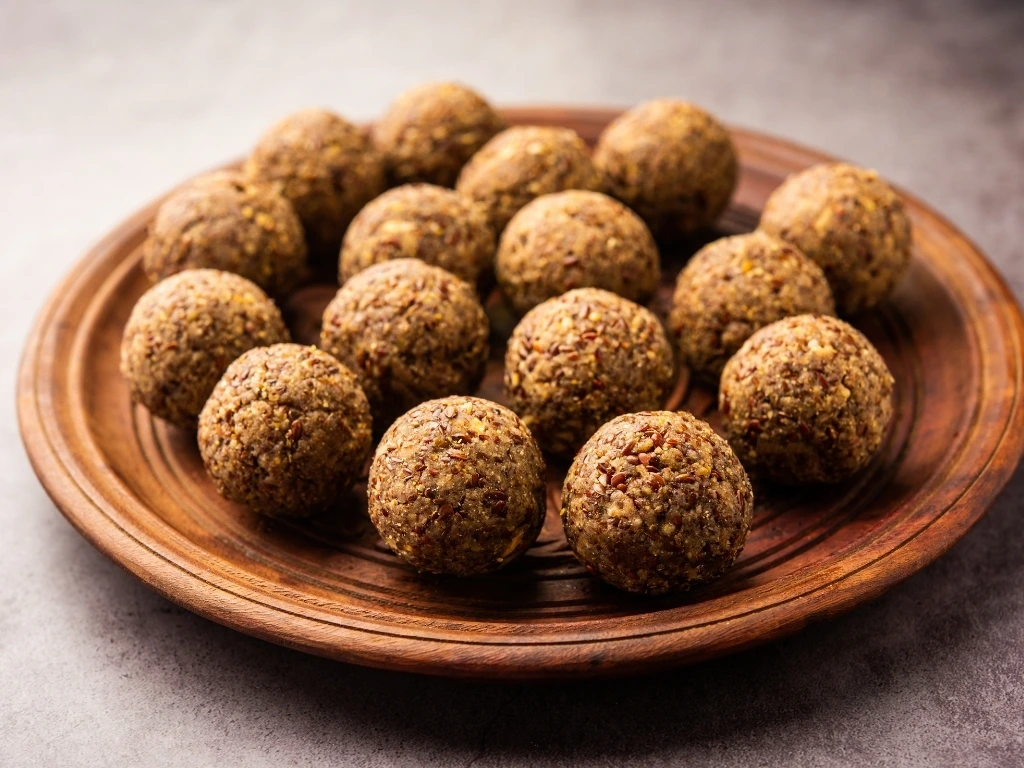
7. Date and nut energy balls
Blending dates and nuts creates small snack bites that provide natural carbohydrates for energy along with healthy fats and minerals.
8. Edamame with sea salt
Edamame is a naturally gluten-free plant protein that also provides fiber and folate. A bowl of lightly salted edamame can be a satisfying snack that supports steady energy levels.
9. Apple slices with almond butter
Apples offer fiber and vitamin C, while almond butter provides healthy fats and protein. Together they make a balanced snack that can help keep hunger in check.

10. Popcorn with olive oil and sea salt
Air-popped popcorn is a whole-grain snack that is naturally gluten-free. A drizzle of olive oil adds healthy fats while keeping the snack simple and satisfying. Like with chickpeas, be mindful of any spices used to season any store-bought popcorn.
11. Trail mix with nuts, seeds, and dried fruit
A simple trail mix made from almonds, pumpkin seeds, walnuts, and dried fruit offers healthy fats, fiber, and minerals like magnesium. Just be sure the ingredients are gluten-free to avoid cross-contact.
Get personalized nutrition support for a gluten-free diet with Health Loft
Snack ideas can be a helpful starting point, but nutrition needs vary widely for people with celiac disease. Some individuals are working to rebuild nutrient levels after diagnosis, while others are learning how to maintain a balanced gluten-free diet that supports long-term gut health.
A registered dietitian experienced in celiac disease can make it easier to manage a gluten-free diet and maintain balanced nutrition. They can guide you in identifying safe foods, avoiding hidden sources of gluten, and building a nutrition plan that supports healing while still feeling practical and enjoyable.
At Health Loft, we work with patients to create personalized eating strategies, address potential nutrient gaps, and build a sustainable plan that includes snacks for a gluten-free diet as well as balanced meals. Connect with a dietitian now.
This article was reviewed by Katie Whitson, RD, LD. It is intended for informational purposes only and does not replace personalized nutritional advice.