









Acid reflux can show up in frustrating ways — a burning feeling after meals, chest discomfort, or that familiar sensation of acid rising when you lie down. While medication can help, everyday food choices often play an important role in symptom control.
Understanding the best diet for people with acid reflux can help you reduce flare-ups and feel more confident around meals. This guide breaks down which foods tend to be soothing, which ones commonly trigger symptoms, and how to make eating feel easier day to day.

How does diet affect acid reflux?
Acid reflux occurs when stomach acid flows back into the esophagus, causing symptoms like heartburn, chest discomfort, or throat irritation. When these symptoms happen frequently or become chronic, the condition is known as gastroesophageal reflux disease (GERD).
Diet plays an important role in acid reflux by influencing how your stomach and esophagus respond during digestion. Some foods can slow things down, increase pressure in the stomach, or relax the lower esophageal sphincter (LES) — the muscle that normally keeps stomach acid in place. When that happens, acid can creep back up into the esophagus, leading to the burning or irritation many people recognize as heartburn.
While individual triggers vary, many people notice patterns over time. Heavier or higher-fat foods often worsen symptoms, while gentler, easier-to-digest options tend to feel more comfortable. For this reason, the best diet for acid reflux or GERD usually focuses on foods that support smoother digestion and reduce pressure on the stomach.
Good foods for acid reflux to include in your daily diet
While everyone’s triggers can look a little different, these food groups are commonly associated with fewer reflux symptoms. For many people, they’re key parts of the best diet for acid reflux and can make everyday meals feel more comfortable.
Lean proteins
Lean proteins such as skinless chicken, turkey, fish, eggs, tofu, and legumes are generally easier to digest compared with higher-fat protein sources. Because they contain less fat, they pass through the stomach more efficiently, leaving you feeling lighter and reducing post-meal discomfort.
People often notice that meals centered around lean proteins don’t leave the stomach feeling heavy or overly full, which can help minimize the burning or pressure sensations associated with reflux. Choosing lean meats or plant-based proteins over fatty cuts or processed meats can make a noticeable difference in how comfortable you feel after eating.
Low-acid fruits and vegetables
Low-acid fruits like bananas, melons, apples, pears, and berries are generally gentle on the esophagus. They provide fiber that supports digestion without added discomfort, making them reliable staples in a balanced diet for people with acid reflux.
Additionally, easy-to-digest vegetables — such as leafy greens, zucchini, carrots, green beans, and squash — add nutrients and volume without increasing stomach pressure, especially when cooked.
A study of nearly 4,000 adults in Isfahan found that vegetables alone weren’t strongly linked to GERD risk. But when fruits and vegetables were eaten together in higher amounts, GERD risk dropped by 33%. The effect was even stronger for women and for people who were overweight or obese, who saw the largest reductions in risk.
Low-fat dairy and dairy alternatives
Low-fat or fat-free dairy, like skim milk, low-fat yogurt, or kefir, is usually easier on the stomach than full-fat versions. While research shows that dairy doesn’t always worsen GERD, high-fat versions may relax the LES and increase the risk of reflux. Low-fat or plant-based options like almond or oat milk are safer choices.
Low-fat yogurt may also help reduce inflammation and support the gut barrier. Its probiotics and compounds can gently support the stomach and intestinal lining, helping digestion for some people. Still, everyone’s body responds differently, so it’s always worth paying attention to how certain foods make you feel.
Whole grains
Whole grains — like oatmeal, brown rice, quinoa, and whole wheat bread — are rich in fiber, which can help manage acid reflux by supporting steady digestion and regulating stomach emptying. Fiber adds bulk to stomach contents, reducing pressure on the LES and lowering the likelihood of acid reflux.
In a study of 36 patients with low-fiber diets and non-erosive reflux disease (NERD), adding fiber (psyllium 5 g three times daily) for 10 days significantly reduced heartburn, from 93% to 40% of participants, and improved LES resting pressure.
Herbs and mild seasonings
If you think you have to completely avoid herbs and seasonings when managing acid reflux, you’re wrong. For centuries, herbs and mild spices have been used to support digestion and overall health. Modern studies show that many of these botanicals have anti-inflammatory, antimicrobial, gastroprotective, and antioxidant properties, which can help soothe the digestive system and reduce irritation.
Gentle options include ginger, turmeric, cinnamon, rosemary, basil, parsley, and thyme, which are generally well-tolerated. Other herbs and mild seasonings, such as cilantro, dill, fennel, and cardamom, can also support digestion — though individual tolerance may vary.
Broths and soups
Broths and soups are a simple way to boost your fluid intake while keeping meals light and easy on the stomach. Their high water content makes them lighter on the stomach and less likely to trigger reflux, which can help limit symptoms in some individuals.
For the best results, stick to broth-based soups with lean proteins like chicken, turkey, fish, tofu, or legumes, paired with gentle vegetables. Heavier options — like cream-based or tomato-based soups — can worsen symptoms. You can also adjust sodium when making soups at home, or choose low-fat, low-sodium pre-made versions.
It’s also important to be mindful of how you eat soup. Adding it to an already heavy meal can increase calories and weight, which may worsen GERD. And avoid consuming soup when it’s very hot. Wait a few minutes for it to cool, as extreme heat can trigger reflux. With these simple adjustments, broths and soups can be a soothing, nutritious addition to your reflux-friendly diet.
Avoid these common foods that trigger acid reflux
These foods are common culprits in worsening GERD, so limiting or avoiding them altogether is often part of a well-structured diet for people with acid reflux — especially if they tend to trigger your symptoms.
Spicy foods
Spicy foods can worsen reflux symptoms for some people because capsaicin may increase esophageal burning and sensitivity. While they don’t always trigger reflux on their own, they can make heartburn feel sharper and more uncomfortable once acid reaches the esophagus, especially if the lining is already irritated.
Greasy and high-fat foods
Fried foods, fatty meats, creamy sauces, and rich desserts are slower to digest, which means the stomach stays fuller for longer periods. This extended digestion can lead to a heavier, more uncomfortable feeling after meals and can increase the likelihood of reflux symptoms appearing. People often notice that these foods leave them feeling bloated or more prone to burning sensations in the chest or throat. Because of this, these foods are often limited in diets for people with acid reflux.
Acidic foods
Acidic foods such as citrus fruits, tomatoes, vinegar-based dressings, and pickled items don’t necessarily increase reflux frequency, but they can intensify symptoms. Their low pH can irritate the esophageal lining, which lacks the protective barrier of the stomach, worsening existing reflux and slowing healing.
Carbonated beverages
Soda, sparkling water, and other fizzy drinks can create a sense of fullness and bloating. This extra pressure in the stomach may increase discomfort and make reflux symptoms more noticeable. Even if carbonation doesn’t raise stomach acid directly, many people report that bubbles make heartburn or regurgitation feel worse.
Alcohol
Alcohol can irritate the digestive tract lining and may make reflux symptoms more pronounced. It’s often worse when consumed in the evening, after a big meal, or alongside other triggers like smoking. Even moderate amounts can leave some people feeling burning sensations or discomfort that lasts longer than usual.
Caffeine
Coffee, tea, and other caffeinated beverages can trigger symptoms for some people, particularly in larger quantities. While not everyone reacts the same way, caffeine may increase awareness of discomfort, leading to heartburn or bloating in sensitive individuals. Reactions are highly individual, so some people can enjoy these drinks with little effect, while others notice significant flare-ups.
Peppermint
Peppermint is most commonly found in candies and chewing gum and is often thought of as soothing for digestion. Because of this, many people — especially those with GERD — don’t immediately think of it as a potential reflux trigger.
Peppermint can help improve gut motility and relax intestinal muscles, which is why it’s sometimes helpful for conditions like IBS. However, it can also relax the LES, which may trigger reflux or heartburn in some people. If you notice symptoms after consuming peppermint, consider reducing your intake or avoiding it altogether.
Chocolate
Chocolate can be another common trigger for reflux. Like coffee, it contains compounds such as methylxanthines, which can relax the LES and increase esophageal exposure to stomach acid. It’s also high in fat and often has added sugar, making it a calorie-dense food. Because fat slows digestion, chocolate tends to worsen reflux. Studies consistently list it as a top dietary trigger for GERD, so it’s a good idea to watch your intake or eliminate it from your acid reflux diet.
5 easy recipes using foods that won’t cause acid reflux
Looking for things to eat that are acid reflux–friendly? Here are five satisfying options you can make at home, featuring gentle, easy-to-digest ingredients that work well for breakfast, lunch, or dinner.

1. Grilled chicken with brown rice and steamed vegetables
Lean chicken digests easily and is gentle on the stomach, while brown rice adds fiber, and steamed vegetables provide nutrients without causing irritation. Chicken can be swapped for fish, turkey, tofu, or lentils, and brown rice for quinoa or white rice. Vegetables like zucchini, carrots, and green beans are usually well tolerated.
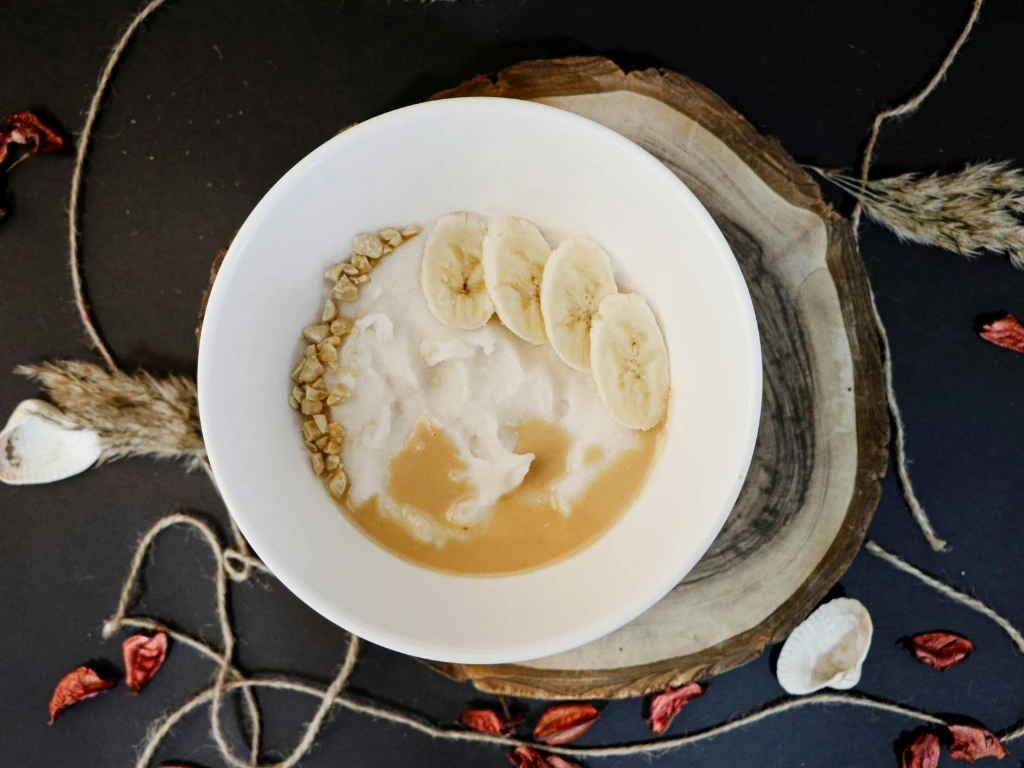
2. Oatmeal with banana and almond butter
Oatmeal is gentle on the stomach and supports easy digestion, while banana adds natural sweetness without the acidity. A small amount of almond butter increases fullness without triggering discomfort. Together, these ingredients fit well into a balanced diet for people with acid reflux. Pears or apples can replace bananas, and chia seeds or ground flax can be used instead of almond butter.
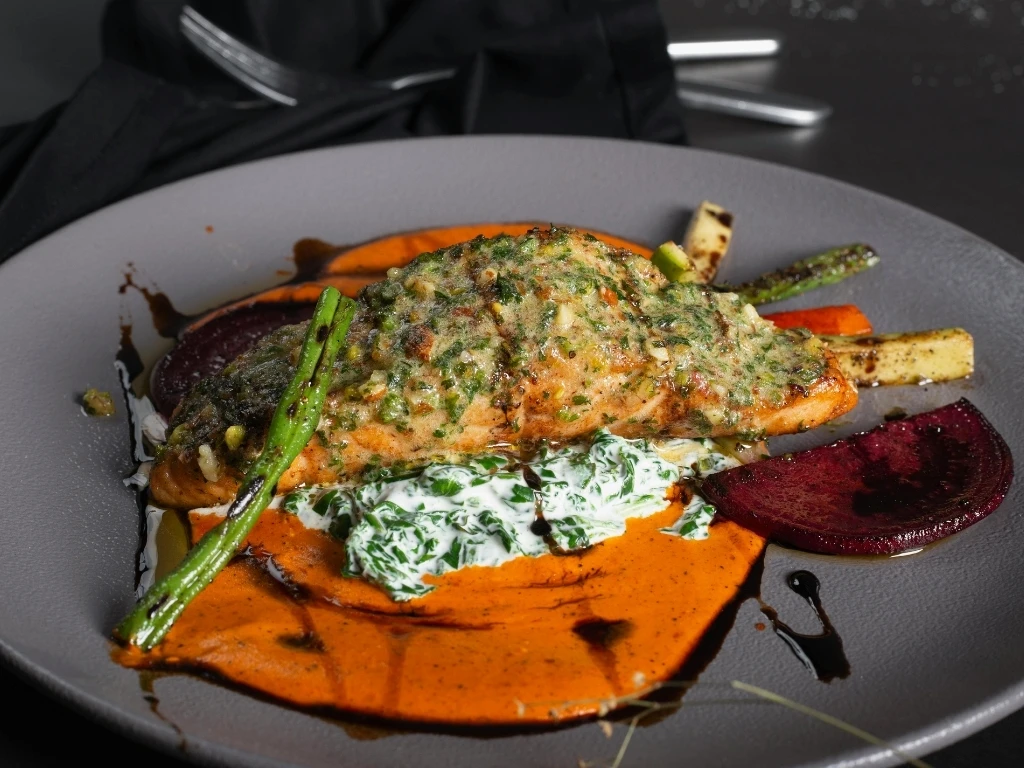
3. Baked salmon with quinoa and roasted vegetables
Baked salmon provides lean protein and anti-inflammatory omega-3s, while quinoa supports steady digestion. Roasted vegetables add nutrients and flavor without feeling heavy, which makes this meal a good fit within a diet for people with acid reflux. Salmon can be swapped for cod or tofu, and quinoa for rice or couscous. Vegetables like carrots, zucchini, and leafy greens are usually well tolerated.
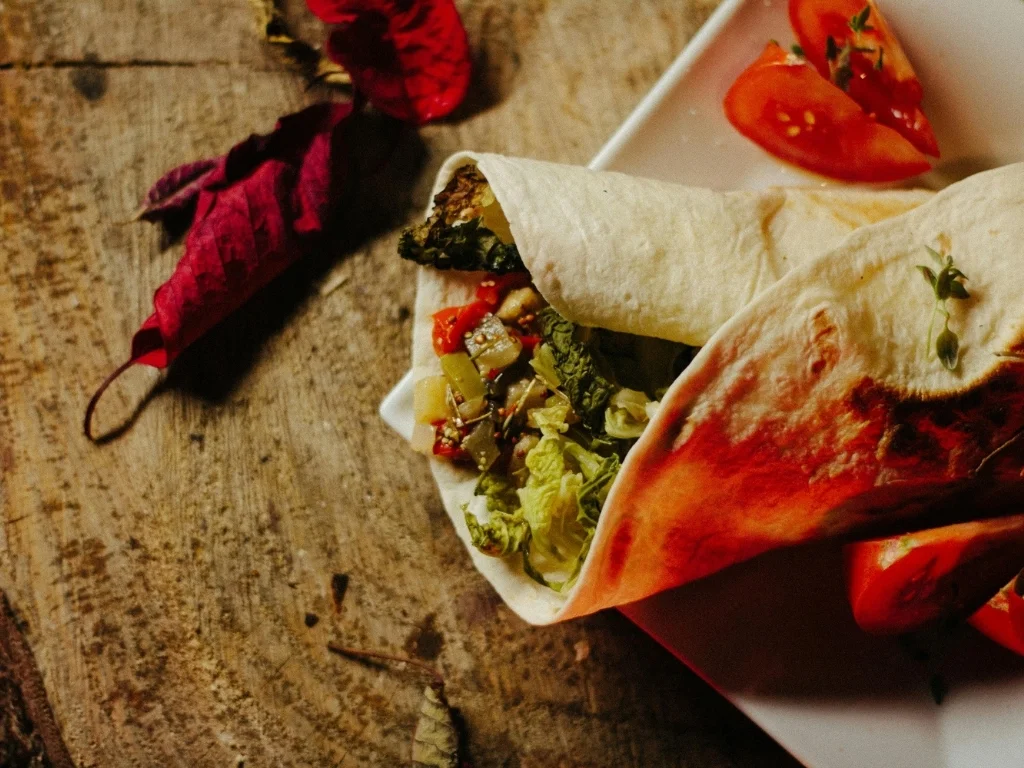
4. Turkey and avocado whole wheat wrap
Lean turkey digests well, whole wheat adds fiber, and a small amount of avocado provides healthy fat. Lettuce wraps work if bread causes discomfort, and avocado can be swapped for hummus or yogurt spreads. Turkey can also be replaced with chicken or eggs.
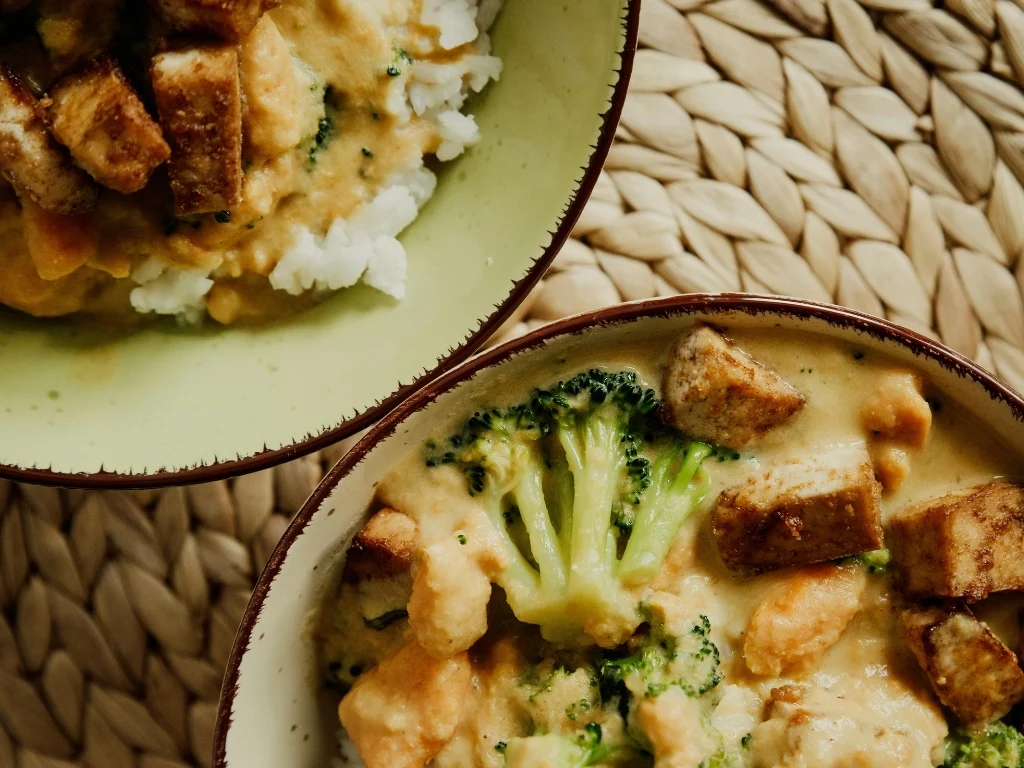
5. Vegetable stir-fry with tofu and rice
Tofu provides low-fat protein that’s easy to digest, cooked vegetables add nutrients, and rice keeps the meal filling. Tofu can be replaced with tempeh or chickpeas, and rice with rice noodles or whole-grain noodles. Mild seasonings like ginger or herbs are easier to enjoy than spicy sauces.
Work with a Health Loft dietitian for GERD support
When it comes to managing acid reflux, your daily eating habits can be one of the biggest factors in how often and how severely your symptoms appear. That’s why choosing gentle foods, eating smaller portions, keeping consistent meal times, and finding balance with flexible eating can make a real difference.
There isn’t a single best diet for acid reflux or GERD, as triggers vary from person to person. That’s where working with an acid reflux dietitian can be especially helpful. At Health Loft, our GERD dietitians can help you pinpoint personal triggers, create meals that fit your preferences and schedule, and build sustainable habits that make managing reflux feel more doable day to day.
Working one-on-one with a registered dietitian can help take the guesswork out of eating, ease stress around meals, and give you more control over your symptoms. Connect with a Health Loft dietitian to get personalized support throughout your GERD journey today.
This article was reviewed by Katie Whitson, RD, LD. It is intended for informational purposes only and does not replace personalized nutritional advice.