









Gut bacteria, also known as the gut microbiome or “intestinal flora,” are the trillions of microorganisms living throughout the digestive system. These bacteria respond continuously to your daily habits. What you eat, how you sleep, how you manage stress, and even medication use can either support or disrupt your microbiome.
Because these bacteria depend on your lifestyle for nourishment and support, their balance can shift over time. Over days and weeks, these changes can reshape how your gut itself functions.
Supporting healthier gut bacteria through consistent, balanced choices is a key part of improving digestion and overall comfort.

Why gut balance matters
A healthy gut contains a wide range of microbes working together. When that ecosystem is stable, your body is generally better able to break down food, absorb nutrients, and maintain a steady digestive rhythm.
On the other hand, when your intestinal flora is out of balance, your body may start to respond differently to foods or routines that used to feel fine. These effects are often subtle at first, but may show up as:
- Bloating or a feeling of fullness after usual portions
- Changes in digestion, such as constipation or diarrhea
- General discomfort after meals without a clear cause
- Excessive gas or indigestion
- Brain fog
- Weakened immunity
While these symptoms don’t always point to a single cause, they can reflect how your gut is responding to shifts in diet, routine, or stress.
Researchers are also continuing to explore how gut health may affect the rest of the body. New studies have found links between gut dysbiosis — the imbalance in gut bacteria — and several chronic health conditions, including:
- Anxiety
- Depression
- Inflammatory skin conditions
- Type 2 diabetes
- Alzheimer’s disease
While these studies show associations rather than direct cause-and-effect, they highlight just how much this complex ecosystem impacts our overall health and well-being.
Although there is still much to learn about the microbiome, this article focuses on practical lifestyle habits that can help nourish and support healthier gut bacteria.
9 simple ways to have healthier gut bacteria
Keeping gut bacteria healthy comes down to simple, consistent habits that support balance in your digestive system over time.
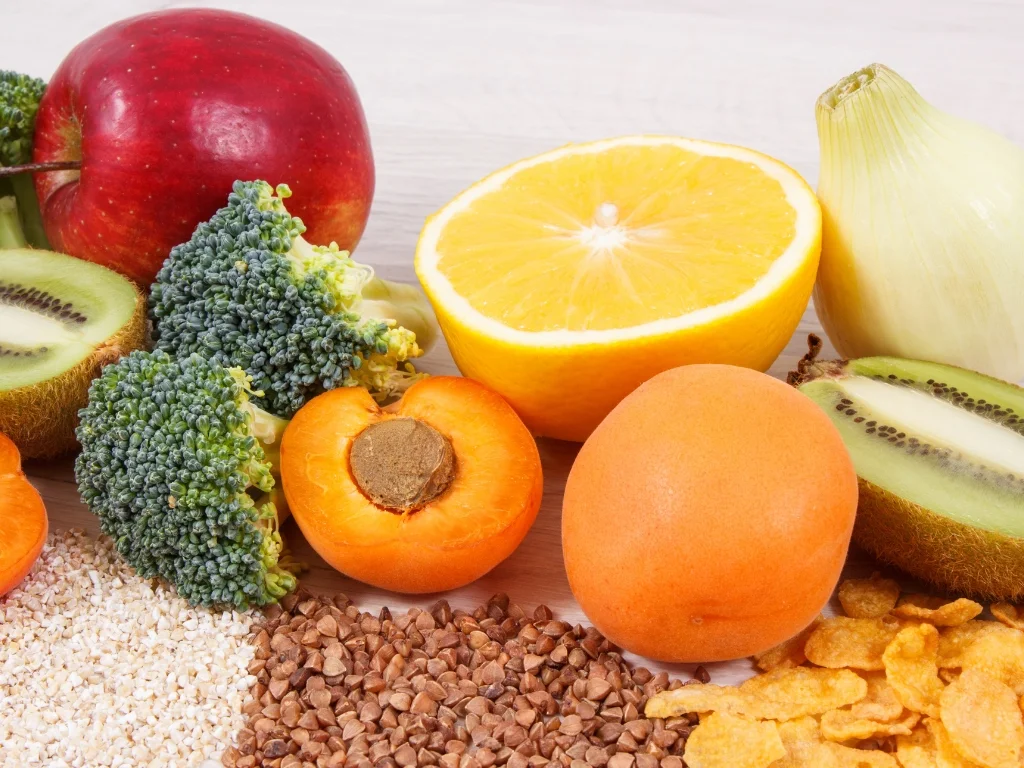
1. Build meals around fiber-rich foods
Fiber is one of the main sources of nourishment for beneficial gut bacteria. A higher fiber intake helps gut bacteria grow, diversify, and support smoother digestion.
Rather than focusing on total intake all at once, aim to include fiber throughout the day. Most adults benefit from around 25 to 38 grams of fiber per day, depending on age and sex.
If your current intake is low, increase it slowly over a few weeks. Doing so too quickly can lead to bloating or gas, as it takes time for your gut to adjust to breaking down the additional fiber. Drinking enough water is also essential to move fiber through the digestive system more comfortably.

2. Limit highly processed foods
Ultra-processed foods are often low in fiber and high in refined carbohydrates, added sugars, and additives, which may, over time, affect gut diversity.
You don’t need to remove them completely. Instead, the focus should be on reducing how often they replace whole foods. For example, swapping chips for nuts or roasted chickpeas, choosing fruit and yogurt instead of sugary snacks, or going for whole-grain versions when possible can all help support a more balanced gut when practiced consistently.

3. Establish a consistent eating schedule
Your digestive system tends to respond well to regular patterns. Skipping meals and then eating large portions later can sometimes make digestion feel less predictable.
A steadier pattern typically includes three main meals per day, spaced evenly from one another, with one to two snacks if needed. Aim to eat every three to five hours, depending on your schedule.
This level of consistency can support more stable digestion and help you better recognize hunger and fullness cues. It can also reduce sudden digestive stress from very large or rushed meals.

4. Add variety to your diet
Different gut bacteria thrive on different nutrients, which explains why variety plays such an important role in maintaining microbial diversity.
Instead of relying on the same meals each day, try rotating ingredients throughout the week. This can be as simple as switching up your fruits and vegetables, alternating protein sources, or incorporating different whole grains.
If you follow a vegetarian or lactose-free diet, variety is still very achievable. Even if you include meat in your diet, expanding your options by including a range of plant-based foods such as legumes, nuts, seeds, and whole grains like buckwheat or quinoa, along with fortified plant-based alternatives, can provide additional benefit.

5. Include fermented foods regularly
Fermented foods contain live microorganisms that can support a balanced gut environment and overall digestive function.
Some common options you can easily add to your regular diet are:
- Yogurt
- Kefir
- Kimchi
- Sauerkraut
- Miso
- Tempeh
Look for labels that mention “live and active cultures” since some products are heat-treated and no longer contain active bacteria. If you’re new to these foods, start with small portions (one to two tablespoons), as it is normal for some people to experience mild bloating at first as the gut adjusts.

6. Support your body during stress
The connection between your gut and brain — often called the gut–brain axis — means that ongoing stress can influence digestion, bowel habits, and even how your gut bacteria function.
These simple habits can help your body shift into a more relaxed, digestion-friendly state:
- Take a few slow breaths before eating
- Eat without distractions when possible
- Step away from screens during at least one meal
- Add a short daily walk into your routine
- Take brief breaks during the day to reset
Finding joy outside of meal times can also be supportive of gut health. What relieves stress can be highly individual, so it may be worth exploring activities that feel calming or restorative to you personally — whether that’s knitting, spending time with pets, building Legos, gardening, listening to music, or engaging in other creative outlets.

7. Stay physically active throughout the day
Regular movement supports more than just heart and muscle health. It may also help maintain a healthier, more diverse gut microbiome. Research suggests that physically active individuals tend to have greater microbial diversity and higher levels of beneficial bacteria compared to those with more sedentary lifestyles.
Supporting your gut through movement doesn’t require intense workouts or long hours at the gym, either. Generally, you only need to aim for at least 150 minutes of moderate physical activity per week. Still, even small increases in daily movement that reduce prolonged sitting may already benefit digestive and gut health.
Here are some practical ways to do that:
- Take short walking breaks throughout the day
- Stretch or stand regularly if you work at a desk
- Go for a walk after meals
- Use the stairs whenever possible
- Try out gardening or do more household chores as alternative physical activities
- Find enjoyable activities like dancing, cycling, swimming, or yoga

8. Get enough sleep
One of the key regulators of the gut–brain axis is your sleep-wake cycle, also known as your circadian rhythm. When sleep is irregular or consistently lacking, it can disrupt this balance, gradually affecting the balance of gut bacteria and slowing down normal digestion.
Most adults benefit from around seven to nine hours of sleep each night. Just as important as duration is consistency. Going to bed and waking up at similar times helps keep your internal body clock stable, which in turn supports both digestion and overall gut function.
Here are some helpful habits that might help:
- Limiting caffeine intake six to eight hours before bed
- Reduce screen time 30 to 60 minutes before sleep to help your body wind down
- Keep your bedroom cool, dark, and quiet
- Follow a calming pre-sleep routine, such as reading, light stretching, or breathing exercises

9. Be mindful of antibiotics and supplements
Antibiotics are crucial to treating bacterial infections, but they don’t distinguish between harmful and beneficial gut bacteria. After a course of antibiotics, your body typically needs time to rebuild that balance.
During this period, focusing on fiber-rich and nutrient-dense whole foods can help nourish beneficial bacteria. Probiotic supplements may sometimes be useful, but they are not necessary for everyone and should be used thoughtfully.
Here are some guidelines to keep in mind when taking antibiotics or supplements:
- Avoid starting multiple supplements at once without proper guidance
- Prioritize getting nutrients from whole foods whenever possible
- If using probiotics, choose products that clearly list bacterial strains
- Consult a healthcare professional for advice tailored to your needs
How long does it take to improve gut bacteria?
Changes in your gut microbiome don’t happen instantly, but they can begin sooner than you might expect.
Research suggests the gut microbiome can start responding to dietary changes within 24 to 48 hours, especially when you increase fiber intake or shift toward more whole, minimally processed foods.
You may start noticing small improvements, such as reduced bloating or more regular digestion, within one to two weeks of consistent habits. More lasting changes, however, usually develop over several weeks to a few months. The timeline varies depending on factors like diet, stress levels, sleep, and overall lifestyle.
If symptoms persist, worsen, or interfere with your daily routine, it’s a good idea to consult a physician or a registered dietitian.
Understand your gut better with Health Loft
Gut health is often overlooked, yet its role in the body is much larger than most people realize. A well-supported gut boosts not just digestion alone but also energy levels, mood, appetite, and day-to-day comfort. By taking steps to support healthier gut bacteria, you’re also supporting your broader well-being.
At Health Loft, our registered dietitians specializing in gastrointestinal health provide a more structured, evidence-based approach to understanding your gut better. We start by assessing your symptoms, medical history, and current eating patterns to build a clearer picture of what may be affecting your digestive health.
From there, we help identify potential triggers or gaps in your diet and routine, clarify what your symptoms might be telling you, and translate that information into realistic changes that fit into your daily life. This may include adjusting fiber intake, refining meal timing, or carefully guiding you through targeted strategies for gut relief when appropriate.
Connect with a Health Loft dietitian and start building a plan that boosts your gut and overall health.
This article was reviewed by Solveig Adalsteinsdottir, MS, RDN, LDN. It is intended for informational purposes only and does not replace personalized nutritional advice.