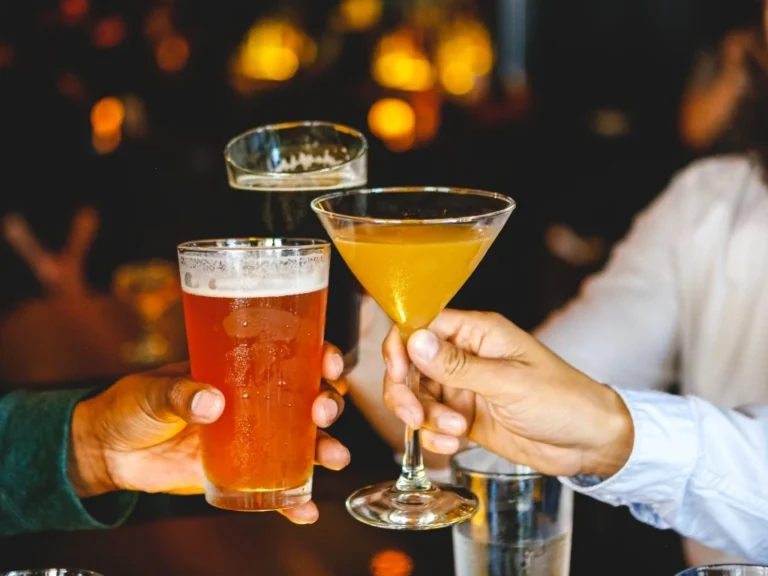









Living with ulcerative colitis (UC) often means rethinking everyday habits, especially in social settings. Alcohol is one of the most common gray areas. Some people with UC can enjoy an occasional drink without noticeable effects, while others find that even small amounts worsen symptoms. This unpredictability can take much of the ease out of drinking.
Because responses vary so widely, there isn’t a universal rule for alcohol use with ulcerative colitis. How your body reacts depends on several factors, such as disease activity, gut sensitivity, medications, and your personal symptom history. Understanding how alcohol interacts with the digestive system can help you make choices that feel safer, more informed, and better aligned with your health.

How alcohol affects ulcerative colitis
Alcohol can influence digestion through several overlapping ways, which may be more noticeable when you’re living with ulcerative colitis.
Irritation of the intestinal lining
Ulcerative colitis involves ongoing inflammation in the lining of the colon. When the gut is already inflamed or sensitive, it tends to react more strongly to irritants such as alcohol.
For some individuals, this irritation shows up as diarrhea, urgency, cramping, or abdominal discomfort, particularly when alcohol is consumed in larger amounts or during periods of active disease.
Changes in gut motility and fluid balance
Alcohol can also affect how quickly contents move through the digestive tract. Faster gut motility may worsen loose stools or shorten the time available for fluid absorption.
In addition, alcohol has a diuretic effect, meaning it increases fluid loss. For people with UC — especially those who already experience diarrhea — this can raise the risk of dehydration and electrolyte imbalances, contributing to fatigue and weakness.
Effects on the gut microbiome
Alcohol may also impact the balance of bacteria in the gut. While research is still emerging, changes in the gut microbiome are believed to play a role in inflammation and symptom control in inflammatory bowel disease (IBD). For some people, alcohol appears to disrupt this balance enough to trigger digestive symptoms or contribute to symptom flares, even if the effects are not immediate.
Does alcohol trigger UC flares?
Research looking at alcohol and UC flares is limited, and findings remain mixed. Studies suggest that consuming small amounts of alcohol may be tolerated, though heavy alcohol use may increase the likelihood of symptom worsening. Still, responses aren’t strictly consistent and tend to vary based on individual tolerance.
This tolerance tends to differ depending on disease activity. Some people tolerate alcohol better during remission than during active inflammation, though remission does not guarantee symptom-free drinking. Because symptoms can appear hours or even a day later, patterns related to ulcerative colitis and alcohol are not always immediately obvious.
Which drinks are most likely to cause UC symptoms?
Not all alcoholic beverages affect the gut in the same way. Based on surveys and patient-reported tolerance, not comparative trials, additives, sugar content, and carbonation often matter as much as the alcohol itself.
Beer
Beer is commonly reported as problematic for people navigating UC and alcohol concerns. Carbonation can increase bloating and urgency, and fermentation byproducts may irritate sensitive digestive systems. For individuals who are also sensitive to gluten, traditional beer may further aggravate symptoms.
Wine
Wine tolerance can differ by type. Red wine contains higher levels of histamines and certain plant compounds that some people find irritating, while white wine is more acidic. Sulfites used as preservatives may also contribute to symptoms in sensitive individuals.
Spirits
Spirits contain a higher concentration of alcohol, which can be more irritating even in smaller volumes. For some people with UC, this higher alcohol content increases the likelihood of cramping, urgency, or loose stools, particularly if consumed quickly or on an empty stomach.
Mixed drinks
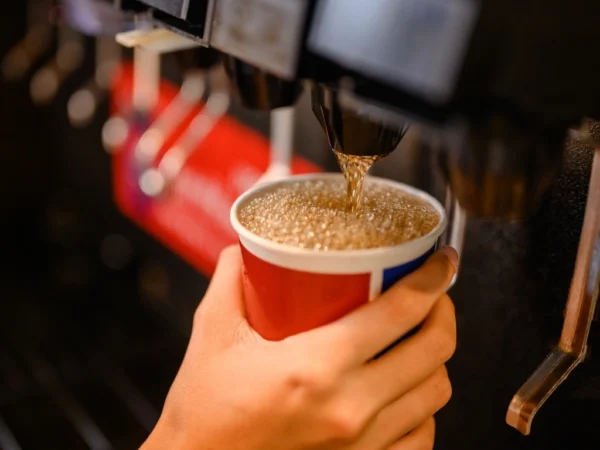
Mixers are often the bigger issue. Sugary sodas, juices, and energy drinks may worsen diarrhea and bloating, while artificial sweeteners can trigger digestive discomfort in sensitive individuals. Carbonation may also increase bloating and urgency, making mixed drinks harder to tolerate than they appear.
Even when a drink seems “better tolerated,” it does not mean it is risk-free. Individual response plays a major role in how ulcerative colitis and alcohol interact.

When alcohol is more likely to worsen UC symptoms
Alcohol is generally more problematic during periods of active inflammation. When the gut lining is already compromised, alcohol can worsen irritation, increase stool frequency, and slow healing.
Alcohol may also be riskier:
- Shortly after a flare, when the gut is still recovering
- During medication changes or dose adjustments
- When symptoms are mild but persistent
Signs that alcohol may not be a good choice right now include consistent symptom worsening after drinking, increased urgency or bleeding, nighttime bowel movements, or prolonged fatigue. In these situations, stepping back from alcohol can help reduce strain on the digestive system and support recovery.
How drinking alcohol affects UC medications
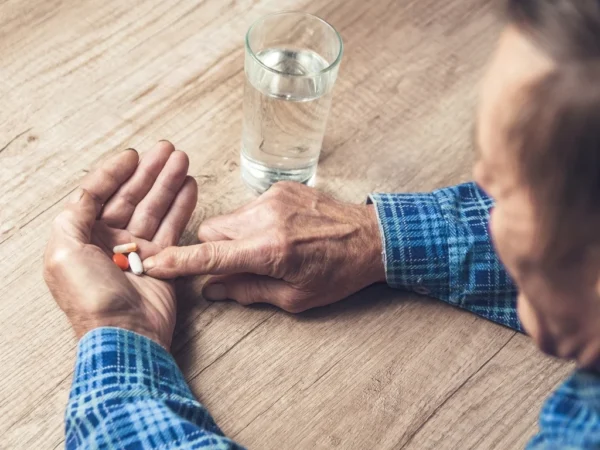
Alcohol can interact with medications used to treat ulcerative colitis. Some treatments place additional demands on the liver, and alcohol may compound that effect. Others may experience increased side effects such as nausea, dizziness, or fatigue when combined with alcohol.
Because medication plans can vary from person to person, alcohol use with ulcerative colitis should always be discussed with your care team. If liver function is being monitored or you’ve been advised to limit or avoid alcohol, it’s important to follow that guidance closely.
Does alcohol use lead to IBD?
Some people may wonder whether alcohol itself can cause ulcerative colitis in those without the condition. Many concerns are based on the idea that alcohol may disrupt the gut microbiome and promote inflammation. Studies have shown that people with alcohol use disorder (a condition where heavy drinking is difficult to control) often have gut bacteria patterns similar to those seen in patients with IBD.
However, large studies have produced mixed results. While alcohol has been shown to affect the gut microbiome and inflammatory pathways, current evidence doesn’t clearly support a direct link between alcohol use and the development of new cases of ulcerative colitis.
The same goes for Crohn’s disease, another form of IBD that can involve any part of the gastrointestinal tract, including the small intestine. There is also no strong evidence that alcohol consumption and Crohn’s disease are directly connected. Still, once the disease is present, alcohol can act as a trigger that worsens symptoms or contributes to flares in people who may be more sensitive.
Similar to UC, you can drink alcohol with Crohn’s disease, though there’s always the risk of aggravating symptoms, especially during a flare. Even in remission, tolerance is not guaranteed, and symptoms may appear hours or the following day rather than immediately. Because Crohn’s can involve the small intestine, alcohol-related irritation can also affect nutrient absorption and hydration in some cases.
Across both conditions, decisions around alcohol use are best guided by symptom patterns, disease activity, and treatment considerations. Paying attention to your body’s response is still the most practical approach.
If you choose to drink, here’s how to do it more safely
For those who decide to include alcohol occasionally, a harm-reduction approach is often more realistic than strict avoidance.
Strategies that may reduce risk include:
- Keeping portions small and limiting frequency
- Drinking slowly and spacing drinks out
- Eating food before and while drinking
- Staying well hydrated
- Avoiding high-sugar or highly carbonated mixers
Tracking symptoms can also be helpful. Writing down what you drank, how much, and how you felt over the next 24 to 48 hours may reveal patterns that guide future choices.
When to avoid alcohol completely
On the other hand, some people simply prefer non-alcoholic alternatives — and in certain situations, skipping alcohol altogether is the safest choice. Alcohol is best avoided if you’re experiencing any of the following:
- Active flare
- Gastrointestinal bleeding
- Recovering from a recent hospitalization
- Living with a history of pancreatitis
- At risk for severe dehydration
- Your clinician has advised against drinking.
Simple mocktails, diluted juices, or herbal iced teas may be easier on the gut. Alcohol-free beer or wine still contains compounds that can irritate some individuals, so tolerance varies.
Make confident lifestyle choices with personalized nutrition advice from Health Loft
Questions about alcohol and ulcerative colitis are common, and for good reason. Research shows mixed results, and individual responses vary widely based on disease activity, medications, and overall gut health. While some people in remission may tolerate small amounts of alcohol without clear symptoms, others find that it quietly worsens inflammation or interferes with recovery. Understanding how your own body reacts matters more than following blanket rules.
At Health Loft, our registered ulcerative colitis dietitians take the time to understand your symptoms, treatment plan, and daily routines. We work with you to identify potential triggers, support remission, and create nutrition strategies that fit your life — including guidance around social situations and alcohol, when relevant.
Partnering with a Health Loft dietitian can help you navigate decisions around ulcerative colitis and alcohol use with more clarity and confidence, so your choices support both your health and quality of life. Connect with a dietitian today.
This article was reviewed by Katie Whitson, RD, LD. It is intended for informational purposes only and does not replace personalized nutritional advice.