









Planning meals around Hashimoto’s thyroiditis can sometimes feel like a challenge. Most advice found online tends to contradict the next, especially when it comes to dietary strategies that actually work versus those that don’t.
While nutrition is certainly vital to thyroid health, it’s important to recognize that there’s no single diet for Hashimoto’s thyroiditis that works for everyone, much less cures the condition on its own. Instead, food choices can support energy levels, metabolism, and overall health when approached thoughtfully and combined with appropriate medical care.

What is Hashimoto’s thyroiditis?
Hashimoto’s thyroiditis (or Hashimoto’s disease) is an autoimmune condition where the immune system mistakenly attacks the thyroid, a small butterfly-shaped gland at the front of the neck. This can gradually damage the thyroid and lead to hypothyroidism, a state in which the thyroid becomes unable to produce enough hormones.
How diet supports thyroid function
Nutrition influences how effectively the thyroid produces hormones and how well those hormones function throughout the body, especially as they regulate metabolism, energy use, and body temperature. Several nutrients — such as iodine, selenium, iron, and zinc — play a role in this process, supporting the production, conversion, and actual function of thyroid hormones.
It’s worth asking whether Hashimoto’s can be reversed with diet. Although adequate intake of the aforementioned nutrients can indeed support thyroid health, food alone cannot correct thyroid dysfunction. The goal should be to create steady nutritional support that complements medical treatment.
Foods to include in a Hashimoto’s thyroiditis-friendly diet
An antioxidant-rich, anti-inflammatory diet can be beneficial for Hashimoto’s, particularly in helping support thyroid function. Focus on adding nutrient-dense, whole foods, such as the following:
Healthy fats
Healthy fats, especially omega-3 fatty acids and monounsaturated fats, help your body produce and use thyroid hormones effectively while calming inflammation associated with Hashimoto’s. They also improve cholesterol levels, helping reduce the risk of cardiovascular issues, which are common with hypothyroidism.
Consider these sources for a regular dose of healthy fats:
- Cold-water fatty fish, such as salmon (preferably wild-caught), mackerel, and sardines
- Flaxseeds (ground for proper absorption) and flaxseed oil
- Chia seeds
- Walnuts
- Hemp seeds
- Avocado and avocado oil
- Extra-virgin olive oil
Gut-friendly vegetables
Vegetables that are rich in fiber and low on the glycemic index (GI) are crucial for managing autoimmune responses, as they manage to promote a healthy gut microbiome without blood sugar spikes that may trigger inflammation.
Antioxidants found in these vegetables also help reduce oxidative stress common with Hashimoto’s, which can affect thyroid tissue over time.
Expand your food list for Hashimoto’s thyroiditis with any of the following:
- Leafy greens, such as kale, arugula, and spinach
- Cruciferous vegetables, such as broccoli, Brussels sprouts, and cabbage (must be well-cooked for easier digestion and to deactivate goitrogens, which can interfere with iodine uptake)
- Other beneficial vegetables, such as asparagus, zucchini, and celery
High-fiber carbohydrates
Fiber is beneficial for Hashimoto’s as it supports digestion, helps manage common symptoms like constipation and chronic inflammation, and boosts gut health, which is closely connected to immune and thyroid function.
High-fiber carbs you can depend on are:
- Root vegetables and tubers, such as sweet potatoes, turnips, and carrots
- Whole grains, such as quinoa, buckwheat, and brown rice
- Legumes, such as lentils, chickpeas, and black beans
Fiber-rich foods may reduce absorption of thyroid medications like levothyroxine, which is why they’re best consumed at least four hours apart from medications.
Low-GI fruits
Fruits provide antioxidants, fiber, vitamins, and minerals that are crucial for managing inflammation and supporting immune balance. Like vegetables, choosing low-glycemic fruits helps maintain stable blood sugar levels.
Excellent fruits with low GI include:
- Berries, such as blueberries, blackberries, and strawberries
- Grapes (contains myo-inositol, which improves thyroid function)
- Apples (preferably eaten with skin)
- Pears
- Citrus fruits, such as oranges, lemons, and grapefruit (contains vitamin C, known to enhance the immune system)
- Pomegranate
Lean protein
Consuming enough protein is essential for producing thyroid hormones, maintaining energy, and strengthening muscles. Lean protein sources are preferred, as they offer these benefits without excess fat. They also address bodily functions often affected by the disease, such as metabolism and leaky gut.
Consider these lean choices:
- Poultry, such as turkey and chicken
- Fish
- Tofu
- Legumes
- Eggs
While some sources suggest that eggs can be bad for Hashimoto’s, they offer nutrients that are necessary for thyroid function. However, eggs may trigger symptoms in certain individuals, depending on personal tolerance.
Selenium-rich foods
Selenium is a trace mineral stored mainly in the thyroid, where it helps regulate hormone production, reduce thyroid antibody levels, and protect thyroid cells against oxidative stress.
Some reliable food sources of selenium include:
- Brazil nuts (primary source, limited to two per day)
- Seafood, such as fish, shrimp, and oysters
- Meat and poultry
- Eggs
- Whole grains
- Legumes
- Portobello mushrooms
Selenium-rich foods can also interfere with levothyroxine, so spacing meals and medication may be necessary.
Iron-rich foods
Iron is essential for thyroid hormone production and conversion. However, some people with Hashimoto’s develop low iron levels, partly because autoimmune-related stomach changes can reduce absorption.
Improve your iron status with these options:
- Liver and organ meats
- Red meat, specifically beef
- Dark leafy greens, particularly spinach
- Legumes
Boost iron absorption by pairing these with vitamin C-rich foods (such as citrus fruits, bell peppers, or strawberries). At the same time, avoid consuming foods high in calcium (such as dairy products or canned fish) alongside iron sources, as calcium can inhibit iron absorption.
Foods to limit in a Hashimoto’s thyroiditis diet
Aside from boosting your nutrient intake, it may also help to reduce certain foods that can contribute to inflammation, disrupt gut balance, or interfere with thyroid medication.
Refined grains
Refined grains such as white bread, white pasta, and many packaged baked goods have had much of their fiber and nutrients removed. Because they digest quickly, they can cause swift changes to the blood sugar, causing energy levels to fluctuate.
Added sugars
A diet high in added sugars (found in pastries, cakes, sweetened cereals, and sugary beverages) tends to promote blood sugar spikes and may contribute to systemic inflammation when consumed regularly.
Highly processed foods and meats
Fast food, hot dogs, packaged snacks, and ultra-processed meals also often contain added sugars, as well as unhealthy fats and excess sodium. Regularly relying on these foods may negatively affect gut bacteria and metabolism.
Nightshades
While there’s no solid scientific evidence that nightshade vegetables (such as tomatoes, peppers, eggplant, and white potatoes) directly impact thyroid function, certain individuals with autoimmune conditions report symptom flare-ups after consuming them. This reaction is thought to be linked to compounds like alkaloids and lectins, which may intensify inflammation.
Goitrogen-containing foods
Soy foods (such as soy sauce, tofu, and soy milk) and cruciferous vegetables (such as broccoli, cabbage, and cauliflower) contain compounds known as goitrogens. In very large amounts and when eaten raw, these compounds can interfere with iodine uptake into the thyroid gland. Cooking these foods and moderating portions makes them much more tolerable.
Gluten
Some individuals with Hashimoto’s also have celiac disease or non-celiac gluten sensitivity. In these cases, avoiding gluten is important, though further studies are needed to confirm whether a gluten-free diet has benefits for individuals who are able to digest and tolerate gluten.
Foods high in iodine
Iodine may be necessary for thyroid hormone production, but too much iodine (from supplements or consuming heavily iodized products) can worsen thyroid dysfunction in certain people.
7-day sample diet plan for Hashimoto’s thyroiditis
While there may be no single diet that works for Hashimoto’s thyroiditis, it helps to have a structured guide you can use as inspiration to plan your own meals. This dietitian-approved, seven-day diet plan for Hashimoto’s is designed to make eating feel much easier to manage.
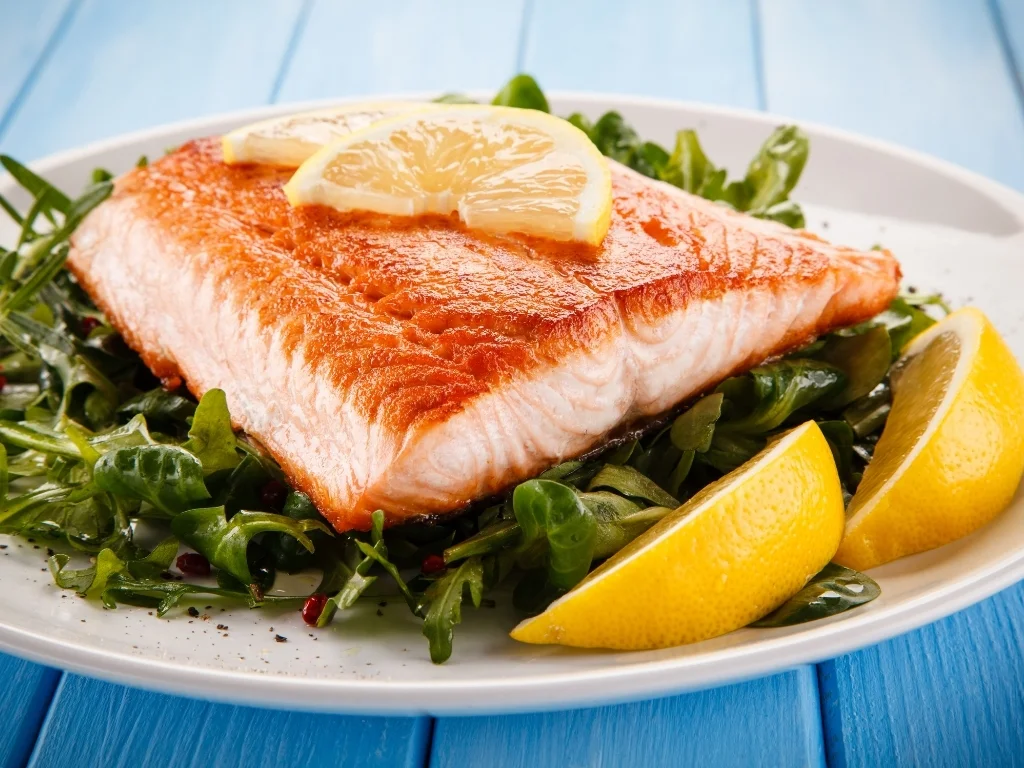
Day 1
- Breakfast: Mediterranean omelet with sautéed zucchini, red onion, parsley, and feta (cooked in olive oil)
- Lunch: Lemon-herb grilled salmon over arugula with shaved fennel and toasted pumpkin seeds
- Dinner: Baked chicken thighs with turmeric, cumin, roasted cauliflower, and millet
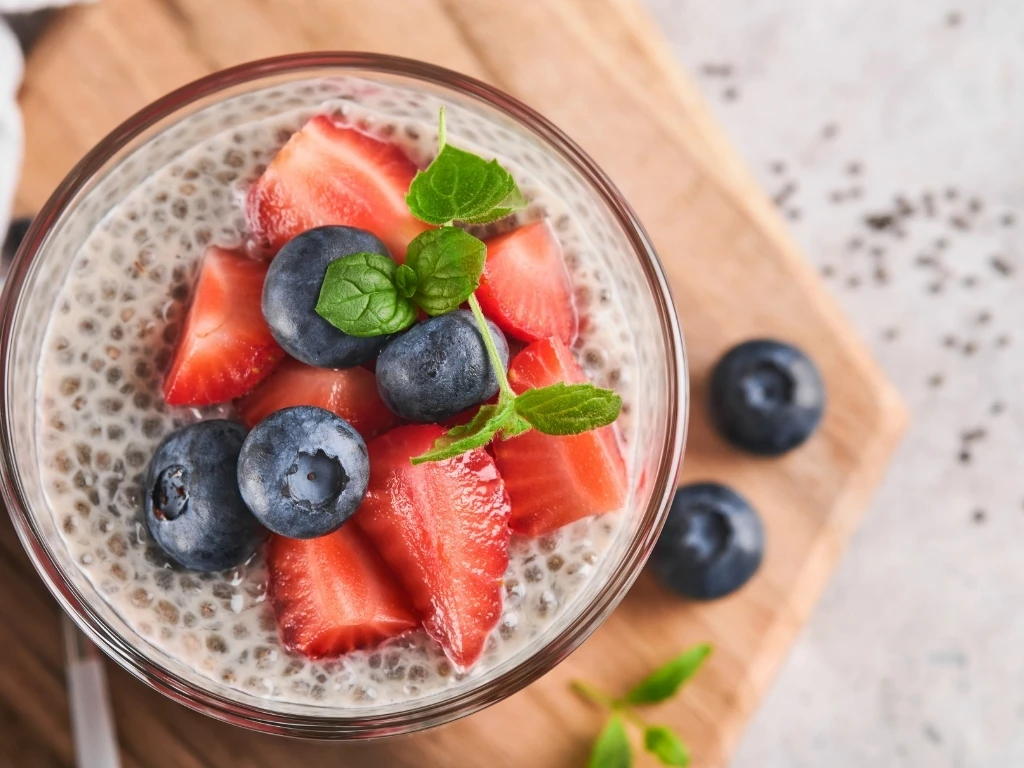
Day 2
- Breakfast: Coconut chia pudding topped with berries and crushed pistachios
- Lunch: Sardine and white bean salad with capers, olive oil, and fresh dill
- Dinner: Ginger-garlic baked cod with sesame sautéed bok choy and steamed jasmine rice
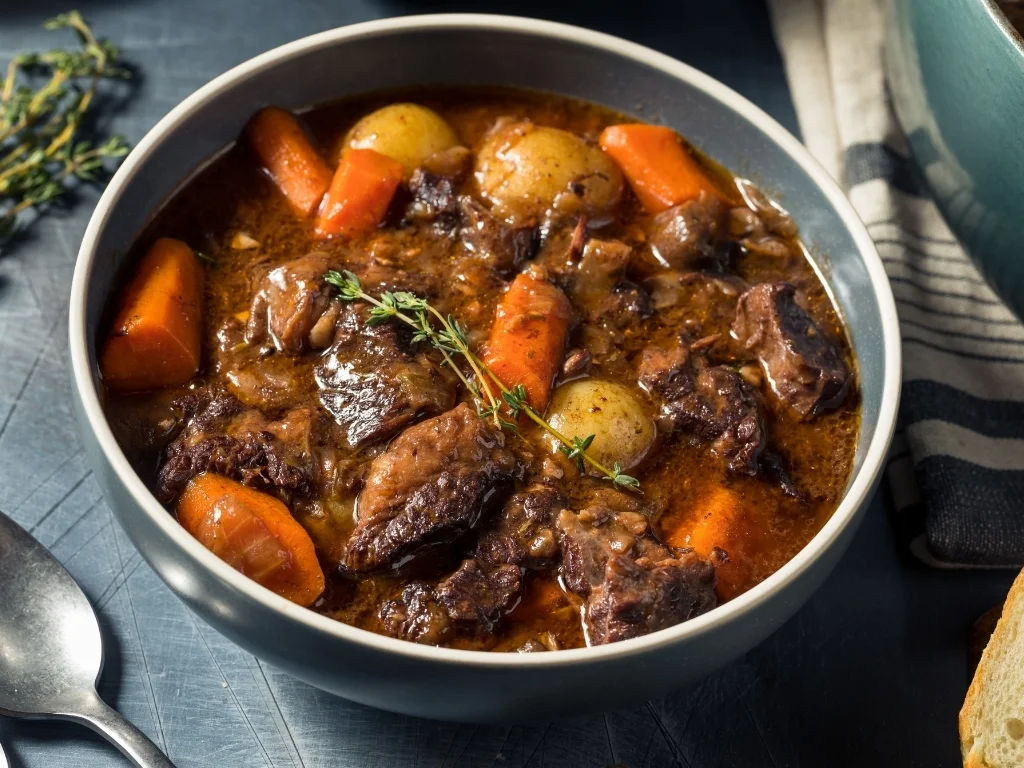
Day 3
- Breakfast: Buckwheat porridge with cinnamon, ground flaxseed, and stewed apples
- Lunch: Roasted vegetable and hummus plate (eggplant, carrots, red peppers) with warm gluten-free flatbread
- Dinner: Slow-cooker grass-fed beef stew with parsnips, carrots, potatoes, celery root, and fresh thyme
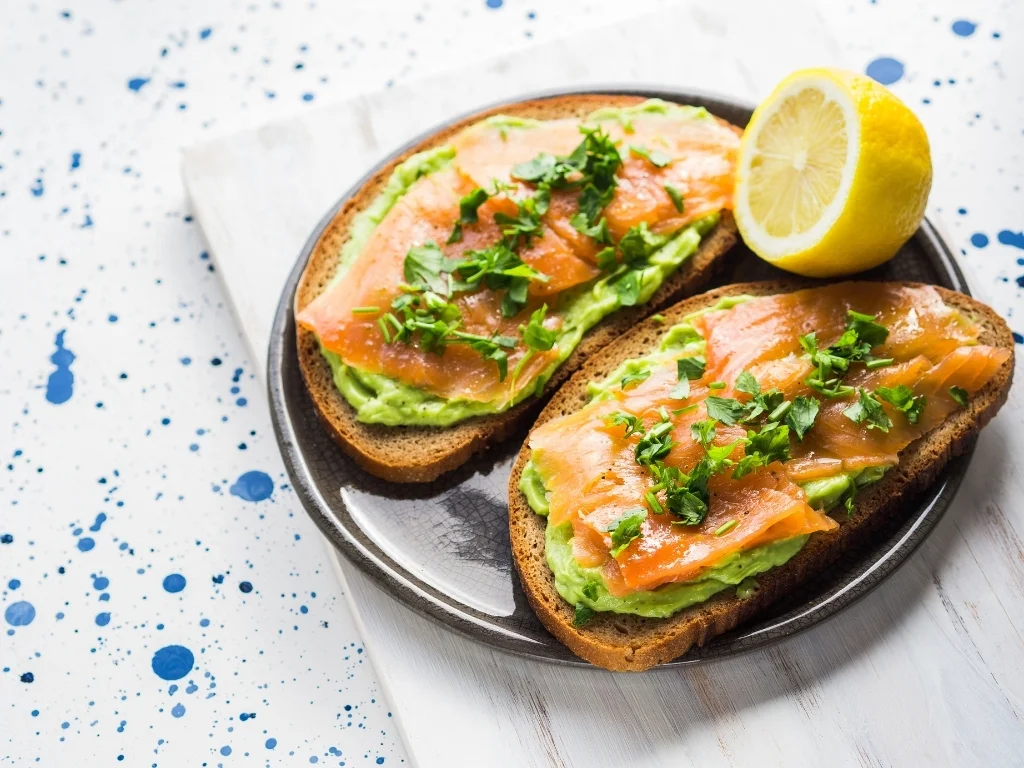
Day 4
- Breakfast: Smoked salmon with avocado on toasted sourdough (or gluten-free toast if needed)
- Lunch: Miso-ginger soup with tofu, shiitake mushrooms, sea vegetables (moderate portion), and scallions
- Dinner: Herb-crusted lamb chops with roasted Brussels sprouts and mashed sweet potatoes
Day 5
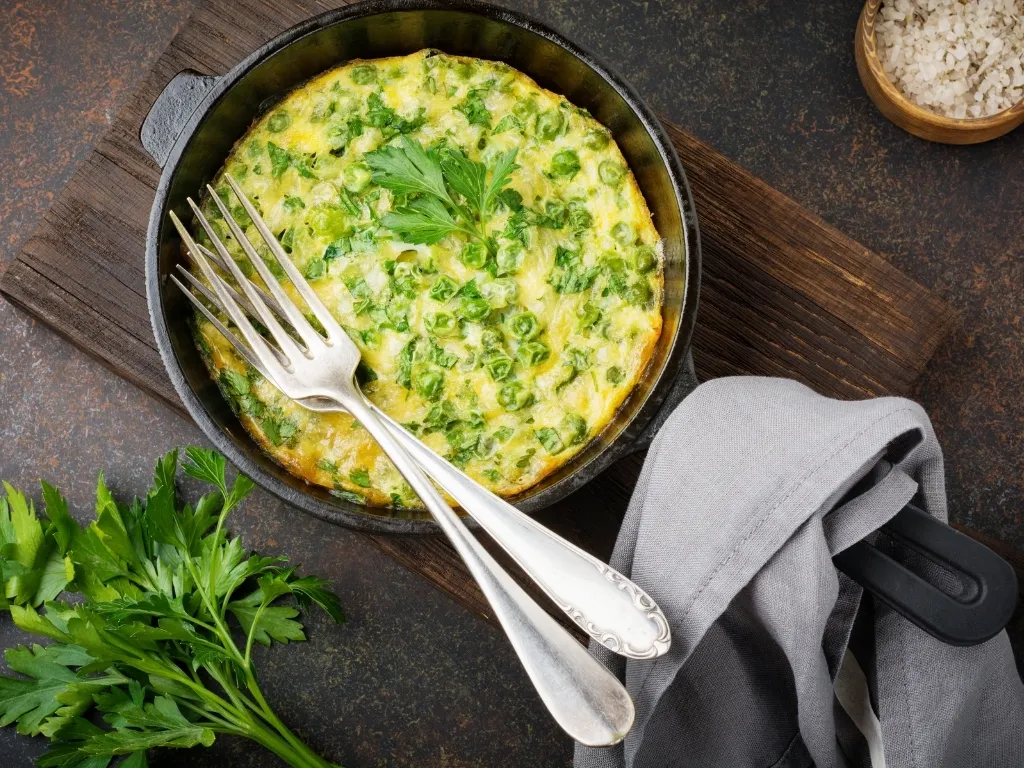
- Breakfast: Frittata with leeks, green peas, and herbs
- Lunch: Mediterranean quinoa tabbouleh with cucumber, parsley, mint, olive oil
- Dinner: Baked rainbow trout with lemon, served alongside sautéed Swiss chard and wild rice
Day 6
- Breakfast: Green smoothie with kefir, spinach, hemp seeds, and ginger
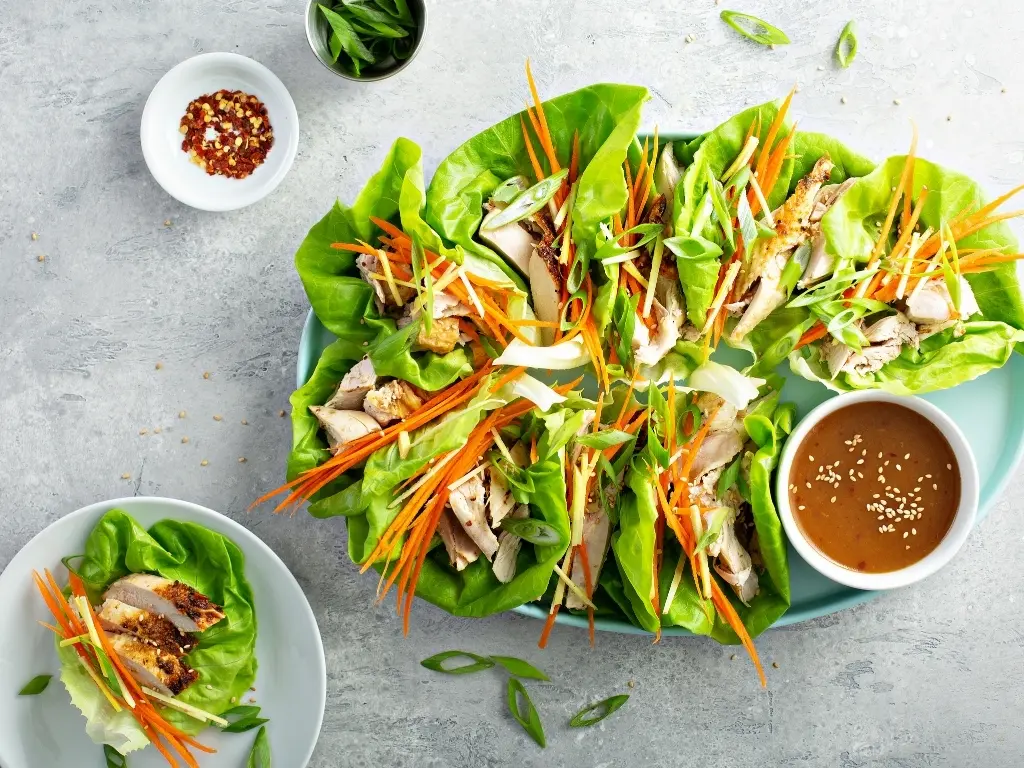
- Lunch: Roasted turkey lettuce wraps with avocado, shredded cabbage, carrots, and lime-cilantro dressing
- Dinner: Coconut milk chickpea curry with spinach and basmati rice (cooked thoroughly for easier digestion)

How to make this Hashimoto’s diet plan work for you
The sample meal plan above is meant to serve as a starting point, but the real value comes from adapting it based on your own preferences, tolerances, and symptoms.
For instance, if your iron levels are low, you may need to pair iron-rich foods with vitamin C for better absorption. If blood sugar swings are making fatigue persistent or worse, balancing carbohydrates with protein and healthy fat at each meal can ease symptoms. If digestive discomfort is present, adjust the type of fiber you consume, along with portion size or preparation methods.
Rather than removing multiple foods at once, gradual adjustments to your intake can help identify what actually improves your energy, digestion, and symptoms. Working with a registered dietitian makes tracking these factors much more manageable.
Complete your thyroid care with a supportive nutrition plan from Health Loft
Diet is most effective for Hashimoto’s thyroiditis when it’s part of a coordinated treatment plan. A registered dietitian who specializes in thyroid conditions can help ensure your food choices remain supportive of your energy, blood sugar levels, and thyroid and immune health.
At Health Loft, we work closely with you and your primary care providers to align meal plans and nutrition strategies with your diagnosis, antibody levels, nutrient status, medications, and day-to-day symptoms. Rather than offering a generic plan, we focus on practical, personalized approaches, which means that every step will be designed for you and with you.
Connect with a Health Loft dietitian today to better understand how nutrition fits into comprehensive thyroid care.
This article was reviewed by Solveig Adalsteinsdottir, MS, RDN, LDN. It is intended for informational purposes only and does not replace personalized nutritional advice.