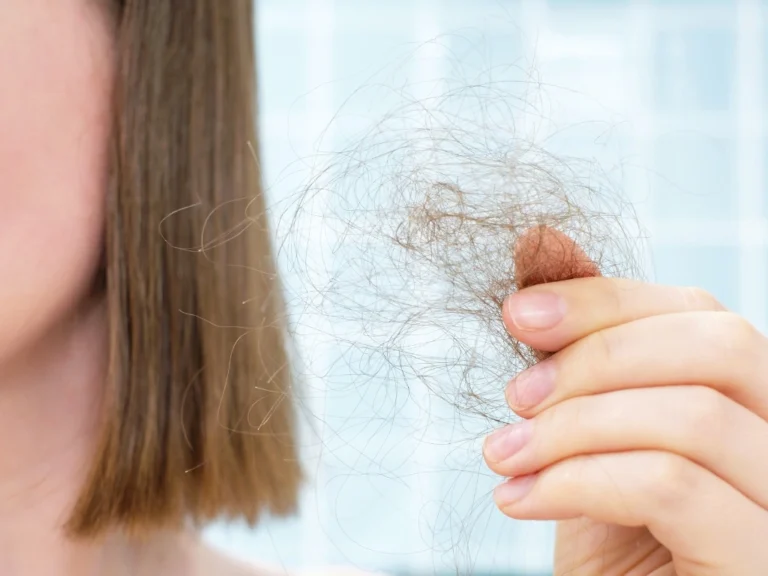









Hair loss is a common concern that many different factors may contribute to, from genetics and hormones to stress and medical conditions.
Many people look for specific foods or supplements that can stop shedding. While nutrition is only one small part of a much bigger picture and no single food can guarantee hair regrowth, a nutrient-rich eating pattern has been shown to support healthy hair follicles and may help reduce the risk of nutrition-related thinning.
Explore what a healthy diet for hair loss looks like and what it can realistically do for your overall hair health.
Why does hair loss happen?
Hair loss can result from various overlapping factors, with some being temporary and may resolve on their own, while others are long-term and may require ongoing care.
Common contributors to hair loss include:
- Genetics and hereditary hair loss (most common cause worldwide)
- Hormonal changes, such as those related to pregnancy, menopause, polyendocrine metabolic ovarian syndrome (PMOS), or thyroid disorders
- Aging (naturally slows hair growth over time)
- Stress, illness, surgery, or other major life events that can trigger shedding
- Certain medications, including some used to treat cancer and other conditions
- Medical conditions, such as autoimmune diseases, scalp infections, and thyroid disease
- Nutritional deficiencies
Because the cause can vary widely, an accurate diagnosis is essential to getting effective treatment. Identifying the underlying cause helps in determining what treatment or management approach may be most suitable for your case.
Can a bad diet cause hair loss?
Yes, a poor diet can contribute to hair loss, but it’s rarely the only cause. Genetics, hormones, and medical conditions are often involved, with inadequate nutrition potentially increasing the risk of temporary hair shedding or making it worse.
Since hair follicles need a steady supply of nutrients to function properly, highly restrictive diets, crash dieting, and insufficient calorie intake can disrupt the normal hair growth cycle. This is why deficiencies in essential nutrients such as iron, protein, zinc, and vitamin D may also contribute to hair loss in some people.
That said, following a healthy diet for hair loss can help support hair health and address nutritional gaps, although it may not reverse hair loss caused by other underlying factors.
Key nutrients for hair health and regrowth
The following nutrients serve as the building blocks for a healthy diet designed to manage hair loss:
Protein
Hair is primarily made of keratin, a structural protein that gives hair strength and resilience. Without enough protein, the hair may become weak, dry, and more prone to breakage, thinning, or slowed growth.
Iron
Iron helps carry oxygen to the hair follicles, where new hair is formed. When levels are low, the hair growth cycle can be disrupted, and shedding may increase. This is one of the most common nutrient-related causes of hair loss.
Zinc and selenium
Zinc supports tissue repair and helps maintain a healthy scalp, while adequate intake of selenium may act as an antioxidant that protects hair follicles from oxidative stress. A deficiency in these minerals may contribute to dryness, flaking, or increased hair shedding in some individuals.
It’s important to note, however, that too much selenium can worsen hair loss, so striking a balance is key.
Healthy fats
Omega-3 fatty acids help maintain scalp moisture and support the skin barrier around hair follicles. These healthy fats may also contribute to hair softness and reduce dryness or brittleness.
Vitamins
Vitamins such as A, C, D, E, and B vitamins support different stages of the hair growth cycle, from follicle development to collagen production. They also help with iron absorption and antioxidant protection, both of which are important for maintaining healthy hair.
That said, supplementing without a vitamin deficiency may lead to excess intake, which can also be associated with hair loss.
7 foods that support a healthy diet for hair loss
A healthy diet for hair loss focuses on nutrient-dense foods that provide the vitamins, minerals, protein, and healthy fats needed for normal hair growth. Although diet in itself cannot treat all forms of hair loss, it plays an important supporting role in keeping hair strong and healthy.
1. Meats and poultry
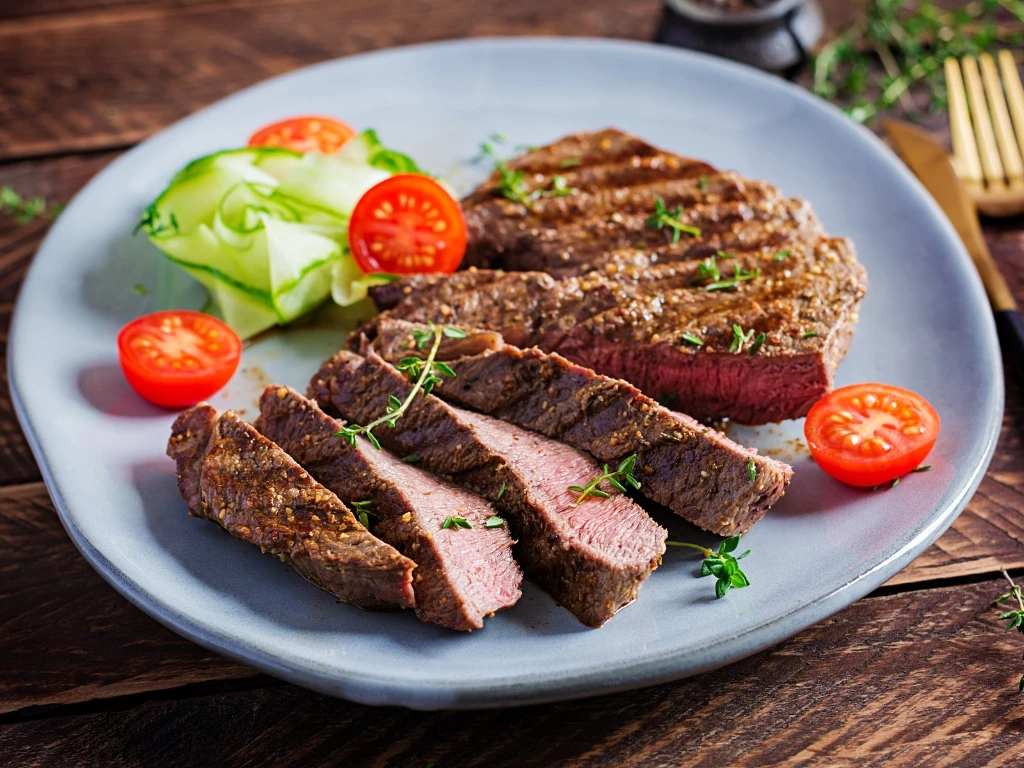
While it’s often advised to limit consumption of red meat, such as beef or lamb, it actually plays a crucial role in hair health because it provides easily absorbed heme iron, complete protein, zinc, selenium, and B vitamins.
These nutrients, best sourced from lean cuts, can reduce the risk of deficiencies that may cause hair thinning and fuel the cellular growth required to support normal hair growth. Poultry, such as chicken and turkey, provide the same nutrient profile, making them excellent alternatives for anyone whose eating pattern doesn’t accommodate red meat.
While a lesser popular choice, organ meats, especially beef liver, offer the same benefits, with an extra boost of vitamin A, which promotes healthy natural oil production on the scalp.
2. Eggs
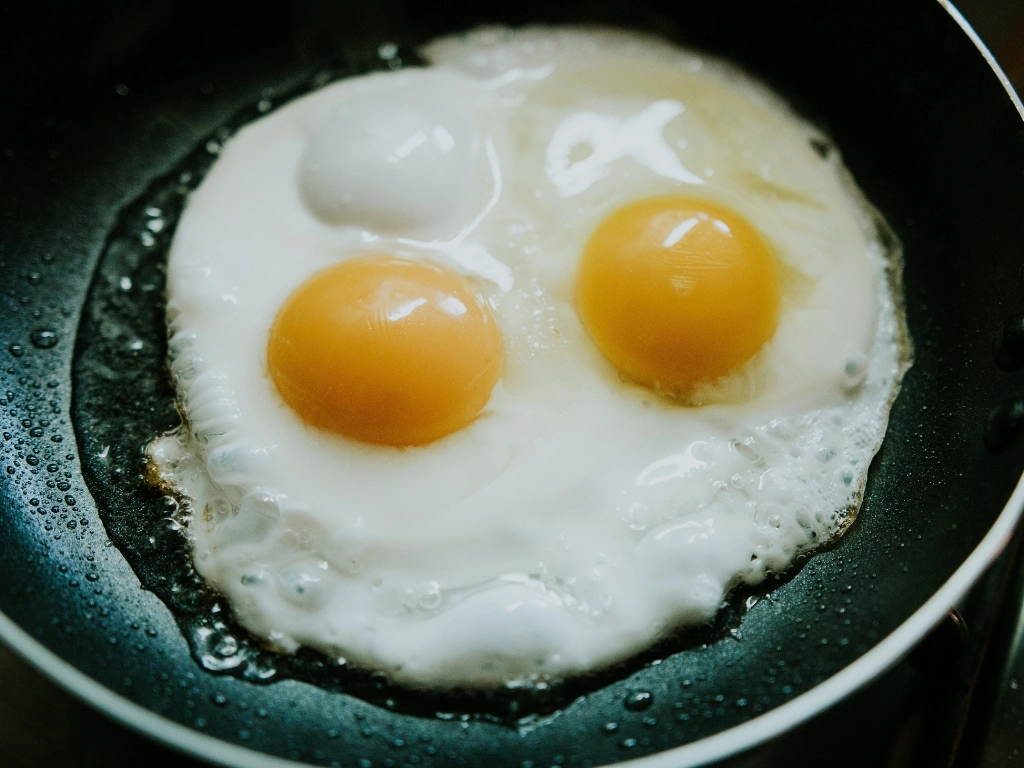
Eggs are another staple of healthy diets for hair loss. They contain high levels of protein, biotin (vitamin B7), and essential vitamins that nourish hair follicles and build strong strands.
3. Soy products
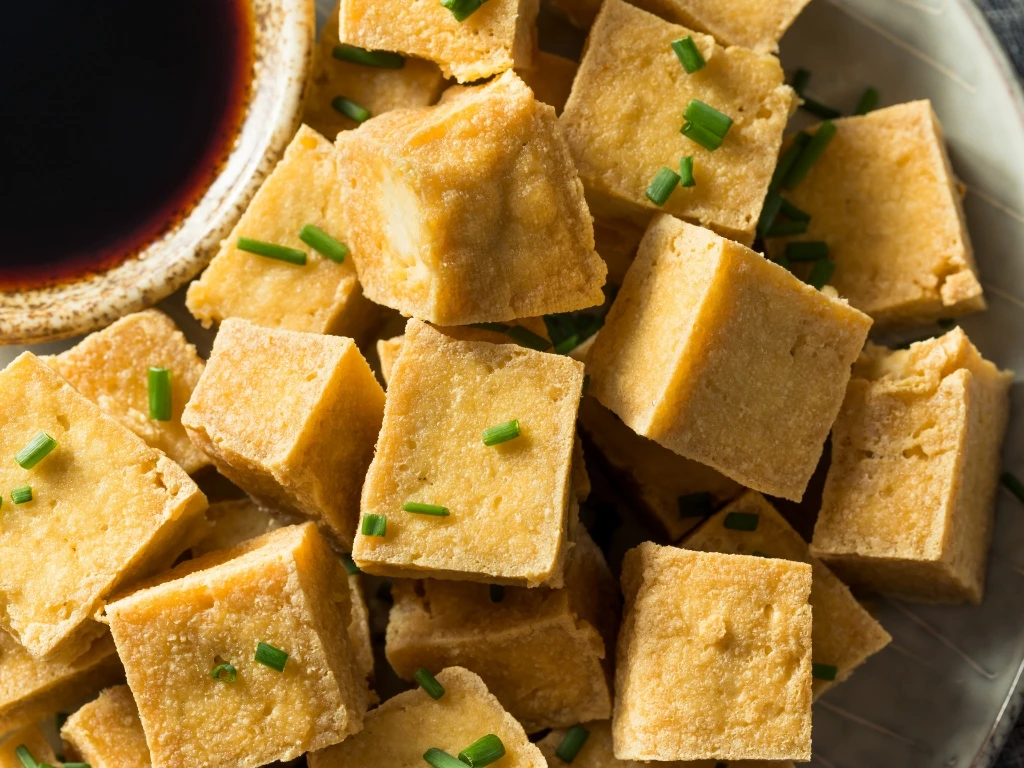
Soybeans not only provide protein necessary for hair health, but their minerals and plant compounds (isoflavones) also help nourish the scalp and protect hair follicles from oxidative stress, and regulate hormones that may contribute to hair loss, particularly during menopause.
Choose among a wide array of soy products, including tofu, tempeh, edamame, and soy milk.
4. Fermented foods and probiotics
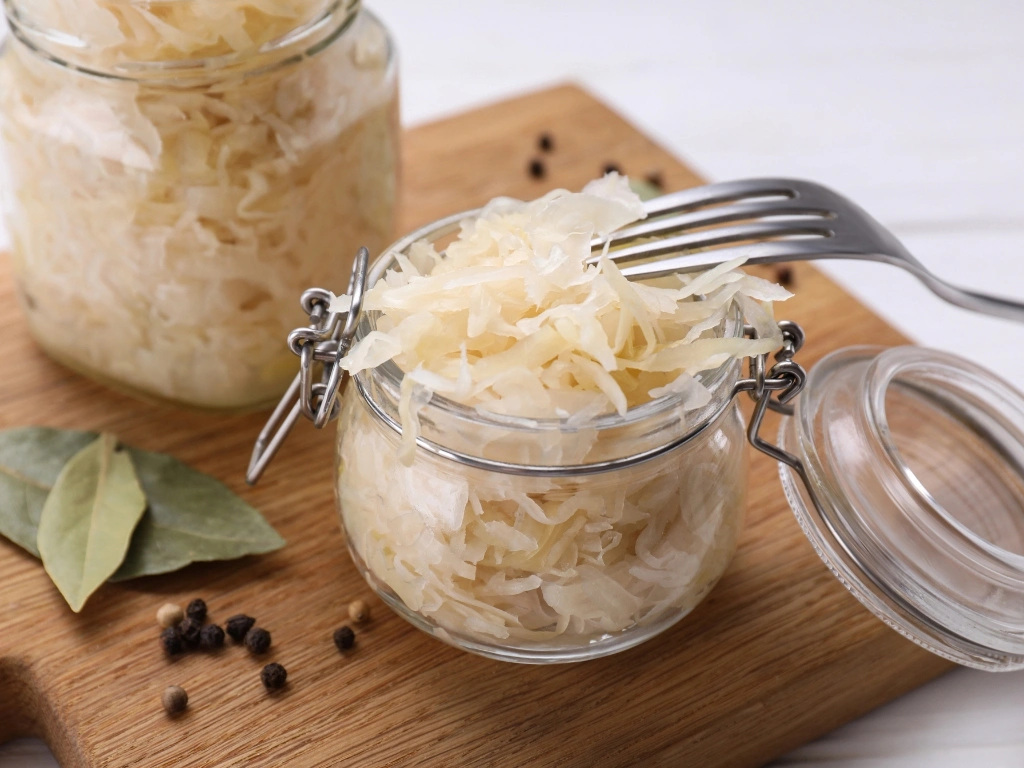
Foods with live microbes, including probiotics, can also be supportive of hair health, as these microbes help balance your gut microbiome, reduce inflammation in the body, and help balance the scalp’s pH, providing the ideal environment for hair to thrive.
Good options to include in your diet are Greek yogurt, kefir, kimchi, and sauerkraut.
5. Seafood
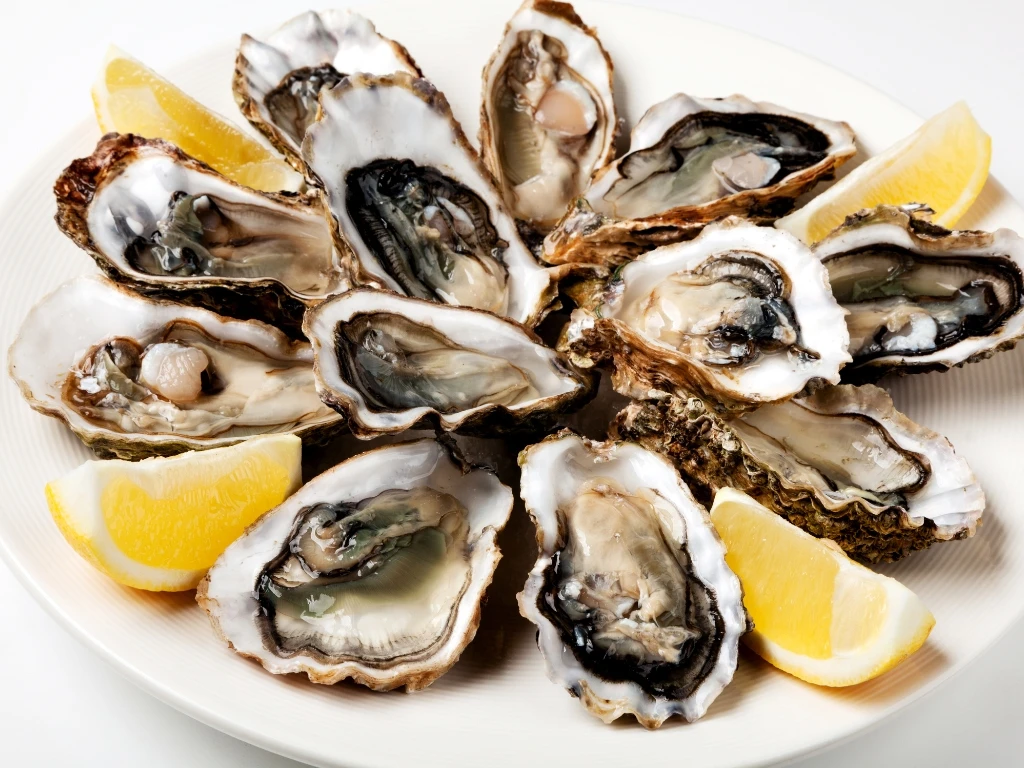
Finned fish, as well as shellfish like oysters, shrimp, mussels, and crab, are also packed with protein, zinc, and iron, and omega-3s. Together, these nutrients promote a healthy scalp and hair growth.
Fatty fish, such as salmon, sardines, mackerel, and herring, are exceptional sources of omega-3s, while oysters are considered among the best foods for hair, given how they’re incredibly rich in zinc.
6. Seeds and nuts
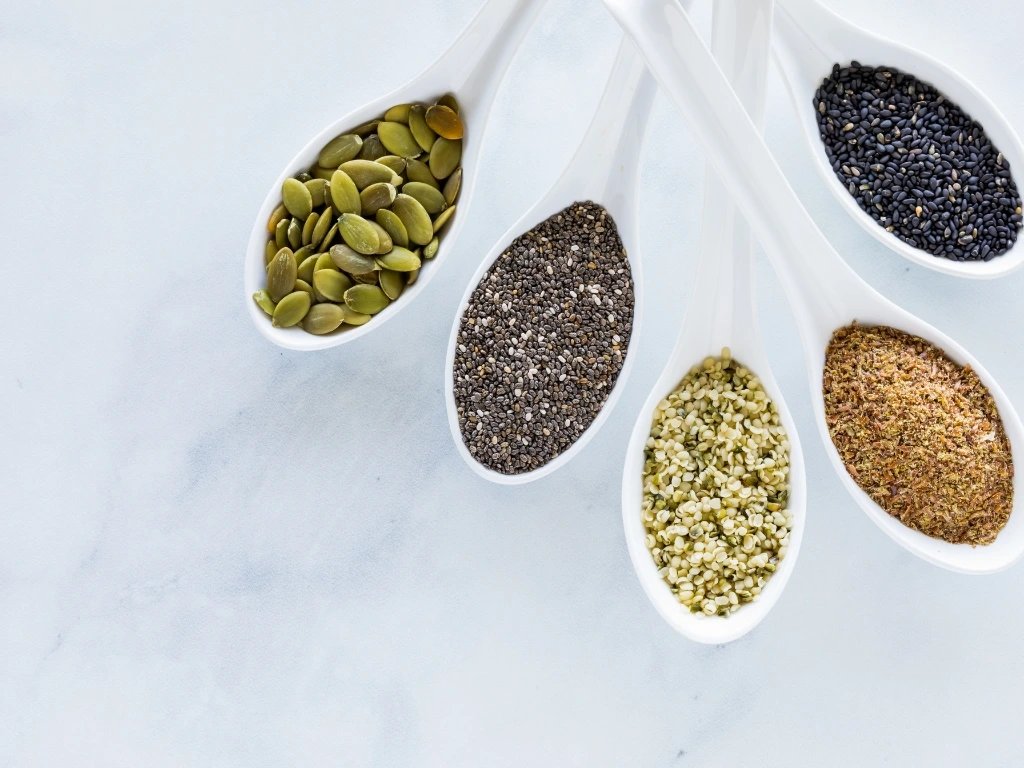
Seeds and nuts deliver concentrated doses of hair-strengthening protein, omega-3 fatty acids, biotin, and vitamin E. Adding a small handful to your daily diet already helps provide nutrients involved in having healthy hair and skin.
Some reliable choices include:
- Flax seeds
- Chia seeds
- Pumpkin seeds
- Almonds
- Walnuts
- Brazil nuts (limit intake to 2 pieces per day to avoid consuming too much selenium)
Roasting nuts at high temperatures may impact their health-promoting properties, especially healthy fats, so it’s best to eat them raw or sprinkled over salads or yogurt. To maximize nutrient absorption, consider soaking or grinding whole nuts or seeds.
7. Vitamin-rich foods
Maintaining healthy hair growth requires a balance of essential nutrients, including different vitamins. Consuming whole foods is the best way to deliver these to your scalp and hair follicles.
Biotin can help the body produce keratin and is found in egg yolks, legumes, and whole grains. Vitamin C, vital for collagen production and scalp health, is abundant in berries, sweet peppers, citrus fruits, and guavas.
Vitamin A, which helps your skin glands moisturize the scalp, can be sourced from sweet potatoes, spinach, carrots, and kale. Avocados, sunflower seeds, and almonds supply vitamin E, which protects the hair from damage.
Spinach and lentils are also great foods to add to a healthy diet for hair loss, particularly as sources of iron and zinc.
Everyday habits that may promote healthier hair growth
Nutrition is most effective when it works alongside everyday lifestyle habits that support overall well-being. Consider the following:
Keep stress levels in check
Chronic stress increases stress hormones, which can interfere with the hair growth cycle. These hormones indirectly reduce signals that activate hair follicle stem cells. As a result, more hairs remain in the resting (telogen) phase, leading to increased shedding.
Prioritize quality sleep
Sleep supports hormone regulation and immune balance, which are both important for healthy hair growth. Poor sleep links with several forms of hair loss, while good quality of sleep helps maintain normal circadian rhythms that improve follicle activity.
Eat enough to support healthy hair growth
Eating too little or following restrictive diets can disrupt the hair growth cycle by limiting the nutrients needed for repairing follicles and producing keratin. Rapid weight loss and chronic calorie deficits have been linked to increased shedding, fatigue, and weakened hair structure.
Avoid sugary drinks
One review found that high intake of sugary drinks may be associated with greater hair shedding, potentially through inflammation and metabolic stress. Reducing your intake of these drinks may help support a more stable hair growth cycle.
Supporting healthier hair starts with good nutrition
A balanced, healthy diet can help with hair loss, but food alone can’t resolve underlying scalp or hair concerns that should be addressed individually. Equally important are steady lifestyle habits such as managing stress, prioritizing sleep, and avoiding overly restrictive eating patterns that can disrupt hair growth.
Still, whole foods are integral to improving hair health. With adequate protein, iron, zinc, selenium, healthy fats, and a wide range of vitamins and minerals, your diet can help regulate the hair growth cycle, protect the scalp, and strengthen strands overall.
A registered dietitian can help assess whether nutrition is contributing and guide you toward practical hair growth meals that may help alleviate hair loss.
At Health Loft, our dietitians can support your hair health with personalized nutrition strategies that address not only relevant symptoms but also the full picture of your well-being. Connect with a Health Loft dietitian and discover a healthier version of yourself.
This article was reviewed by Katie Whitson, RD, LD. It is intended for informational purposes only and does not replace personalized nutritional advice.