









Maintaining adequate nutrition can be challenging during cancer treatment and other conditions that affect the immune system. Changes in appetite, taste, energy levels, and digestion may make it harder to eat enough to support recovery and overall well-being. At the same time, neutropenia, a condition in which white blood cell levels are too low to effectively fight infections, can further increase the risk of illness.
Eating patterns designed to address this concern, often referred to as neutropenic diets, may help reduce exposure to potentially harmful microorganisms from food while still providing adequate calories, protein, and variety.

What is neutropenia?
Neutropenia is a condition characterized by a low number of neutrophils, a type of white blood cell that helps the body fight infections.
When neutrophil levels are low, the immune system may have a harder time responding to bacteria, viruses, and fungi that would not normally cause illness.
Common causes of neutropenia include:
- Cancer treatments, such as chemotherapy, radiation therapy, stem cell transplantation, or certain medications
- Cancer-driven bone marrow disorders, such as leukemias, lymphomas, multiple myeloma, or myelodysplastic syndromes
Neutropenia may also result from non-cancer-related conditions, such as:
- Various infections, including COVID-19, Epstein-Barr virus, human immunodeficiency virus, and hepatitis
- Immune conditions, such as rheumatoid arthritis or lupus
- Low levels of vitamin B12, copper, or folate
The severity and duration of neutropenia can vary from person to person. Some people experience only mild changes in their immune function, while others may face a higher risk of infection.
Because infection risk may increase during periods of neutropenia, healthcare teams sometimes recommend following a neutropenic diet, also known as a low microbial diet.
Why are neutropenic diets recommended?
A neutropenic diet aims to reduce exposure to microorganisms that may increase the risk of foodborne illness in people with weakened immune systems.
It is not a guaranteed way to prevent infection, but it may help reduce exposure to potential sources of foodborne illness, such as bacteria, viruses, molds, and other microorganisms that may be present in certain foods.
However, recommendations for neutropenic diets can vary between healthcare institutions. Some treatment centers have strict guidelines, while others place greater emphasis on food safety practices rather than restricting specific foods.
Can diet help increase neutrophils?
There’s currently no evidence on whether one can increase neutrophils with diet. Instead, the goal of a neutropenic diet is simply to help maintain adequate nutrition and reduce exposure to potential foodborne pathogens while the underlying cause of neutropenia is being treated.
Foods to eat on a neutropenic diet
There is no single best diet for a weak immune system, especially during neutropenia. In general, a balanced eating pattern that prioritizes food safety, adequate calories, protein, and hydration is often advised.
While recommendations vary, the following foods are considered safer choices because they can be prepared and stored safely:
- Fully cooked meat, poultry, and fish – Cooking foods thoroughly helps reduce harmful bacteria.
- Pasteurized dairy products – Milk, yogurt, cheese, and other pasteurized products are generally considered safer choices.
- Well-cooked eggs – Choose eggs with fully cooked whites and yolks.
- Cooked fruits and vegetables – Thoroughly cooked produce is often considered the safest option during neutropenia because heat helps reduce microorganisms.
- Fruits with thick, peelable skins – Some healthcare teams recommend cooked fruits and vegetables when neutropenia is severe, while others may allow carefully washed fresh produce like bananas, oranges, and avocados.
- Packaged breads, cereals, rice, and pasta – Commercially prepared grain products are typically safe when handled properly.
- Canned or shelf-stable foods – These can be convenient, lower-risk options when stored and prepared according to instructions.
- Commercially prepared nut butters – Peanut butter and other packaged nut butters are generally considered safe.
Foods to avoid on a neutropenic diet
On the other hand, the following foods may carry a higher risk of foodborne illness:
- Raw or undercooked meat, poultry, seafood, or eggs – Examples include sushi, rare steak, raw shellfish, over-easy eggs, and sunny-side-up eggs.
- Unpasteurized dairy products and juices –These products may contain harmful bacteria.
- Raw sprouts – Alfalfa, clover, and bean sprouts can harbor bacteria even after washing.
- Deli meats and hot dogs that have not been reheated – Heat these foods until steaming or to an internal temperature of 165°F (74°C) before eating.
- Raw fruits and vegetables that cannot be peeled or cooked – Some treatment centers recommend avoiding raw produce altogether during periods of severe neutropenia.
- Foods from self-serve buffets or salad bars – Temperature control and handling practices can be difficult to verify.
- Refrigerated smoked seafood – Unless cooked in a dish, these products may pose an additional risk.
7-day neutropenic meal plan, designed by a dietitian
Built around the food recommendations above, this sample meal plan is intended as a starting point and should not replace guidance from your healthcare team.
The most appropriate food choices still largely depend on factors such as treatment type, immune status, symptoms, and individual nutrition needs. Feel free to adjust these meals based on your calorie and protein needs, treatment side effects, food preferences, and your medical team’s recommendations.
Day 1
- Breakfast: Scrambled eggs, whole grain toast, and cooked apples with cinnamon
- Lunch: Heated turkey and cheese sandwich on whole grain bread with heated canned vegetable soup
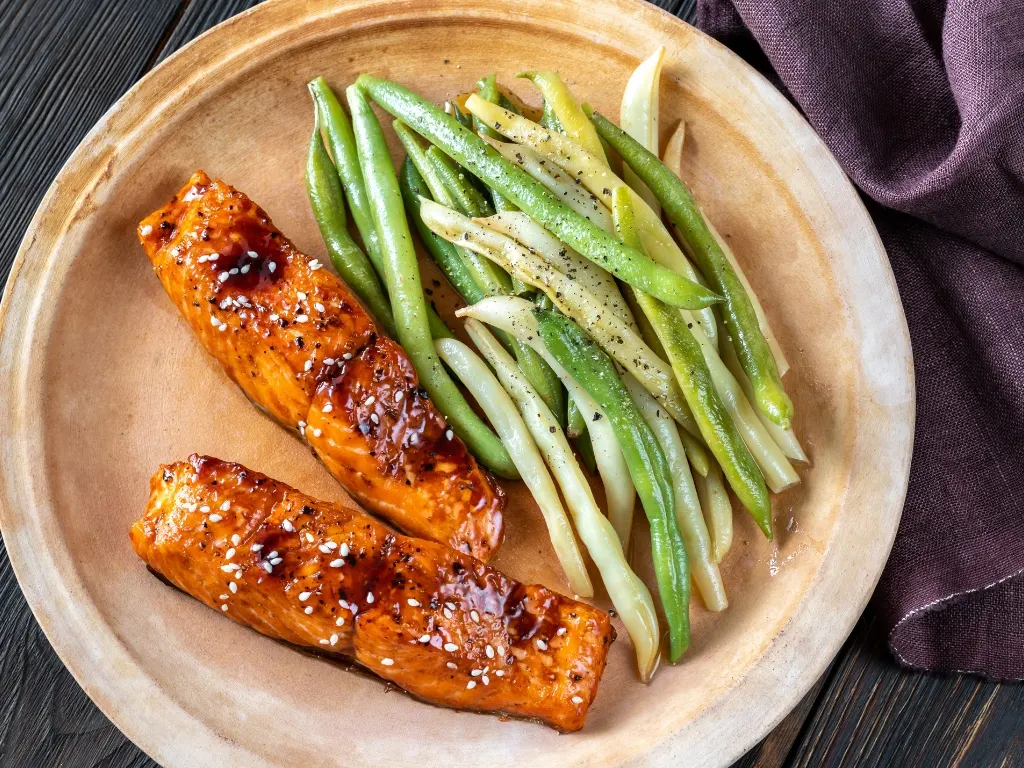
- Dinner: Teriyaki salmon, rice, and steamed green beans
- Optional snack: Pasteurized Greek yogurt with canned peaches
Day 2
- Breakfast: Oatmeal made with pasteurized milk, topped with cooked pears and chopped walnuts
- Lunch: Chicken and rice soup with whole grain crackers
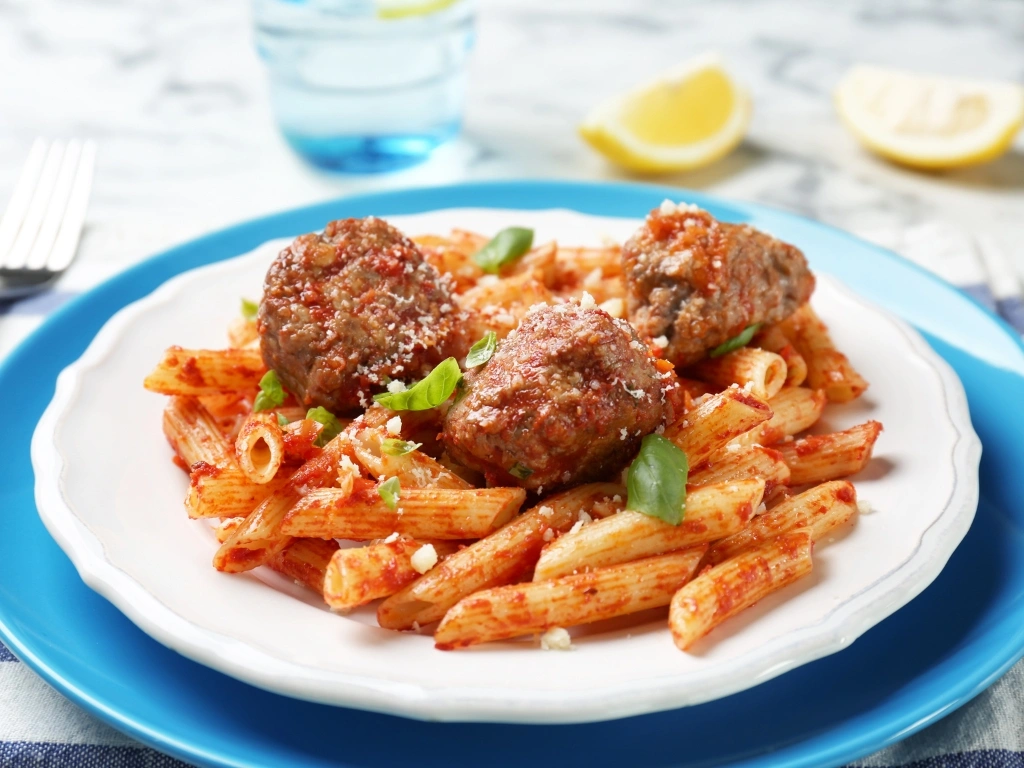
- Dinner: Lean beef meatballs with pasta and roasted carrots
- Optional snack: Pasteurized cottage cheese with canned fruit

Day 3
- Breakfast: Pasteurized cheese omelet with whole grain toast and canned fruit cocktail
- Lunch: Tuna melt made with canned tuna and pasteurized cheese, served with tomato soup
- Dinner: Baked chicken breast, mashed potatoes, and steamed broccoli
- Optional snack: Peanut butter on crackers
Day 4
- Breakfast: Greek yogurt parfait made with pasteurized yogurt, granola, and berries (gently cooked to reduce potential microorganisms)
- Lunch: Turkey wrap with thoroughly heated turkey, pasteurized cheese, and cooked vegetables
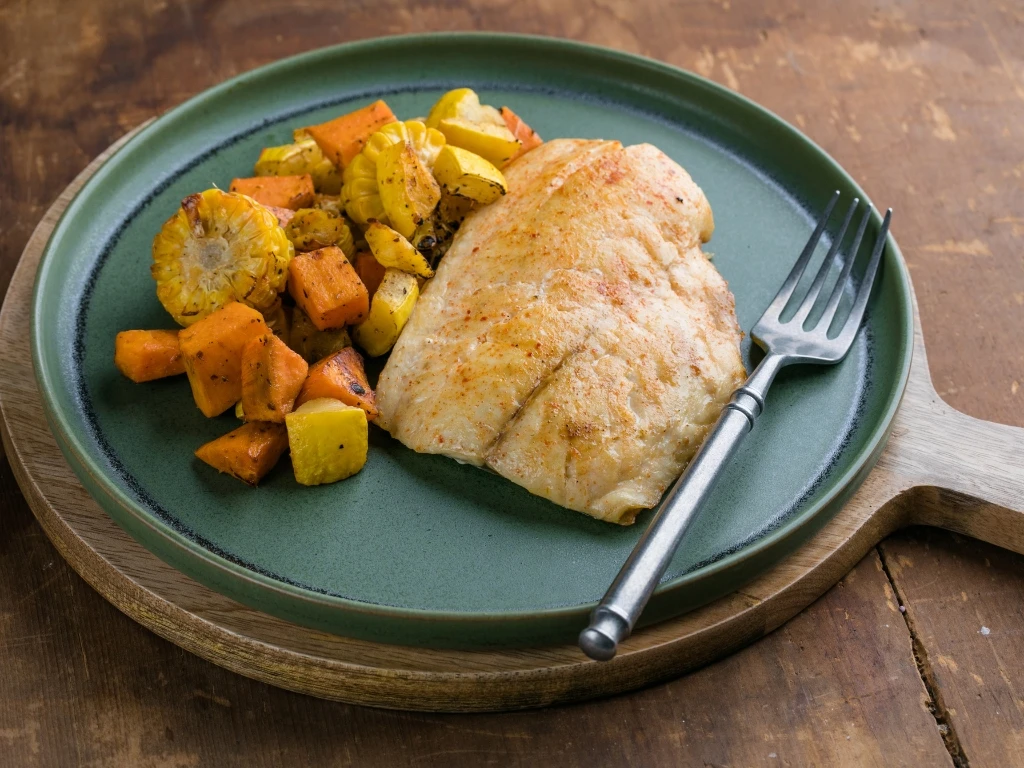
- Dinner: Baked cod with quinoa and roasted zucchini
- Optional snack: Pasteurized string cheese and applesauce
Day 5
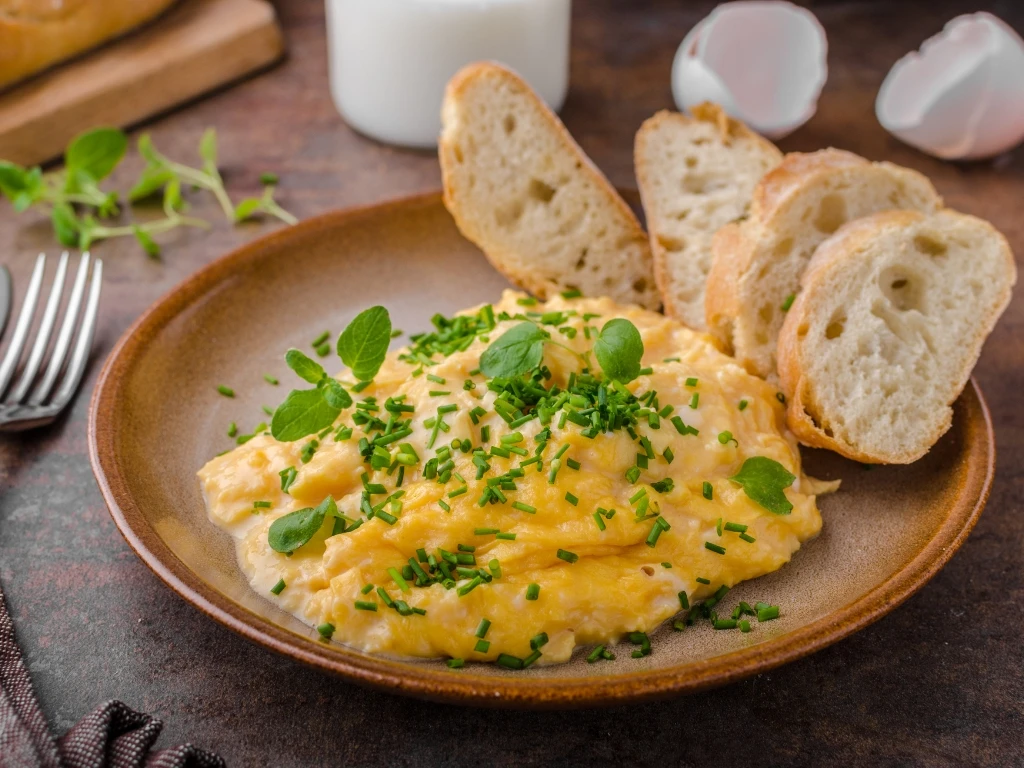
- Breakfast: Scrambled eggs with pasteurized cheese and a whole-grain English muffin
- Lunch: Chicken salad made with canned chicken, served on toasted bread with cooked carrots
- Dinner: Lean pork tenderloin, rice, and steamed cauliflower
- Optional snack: Rice pudding made with pasteurized milk
Day 6
- Breakfast: Oatmeal with peanut butter and banana slices (if required, the banana will need to be thoroughly washed before peeling)
- Lunch: Lentil soup with whole-grain toast
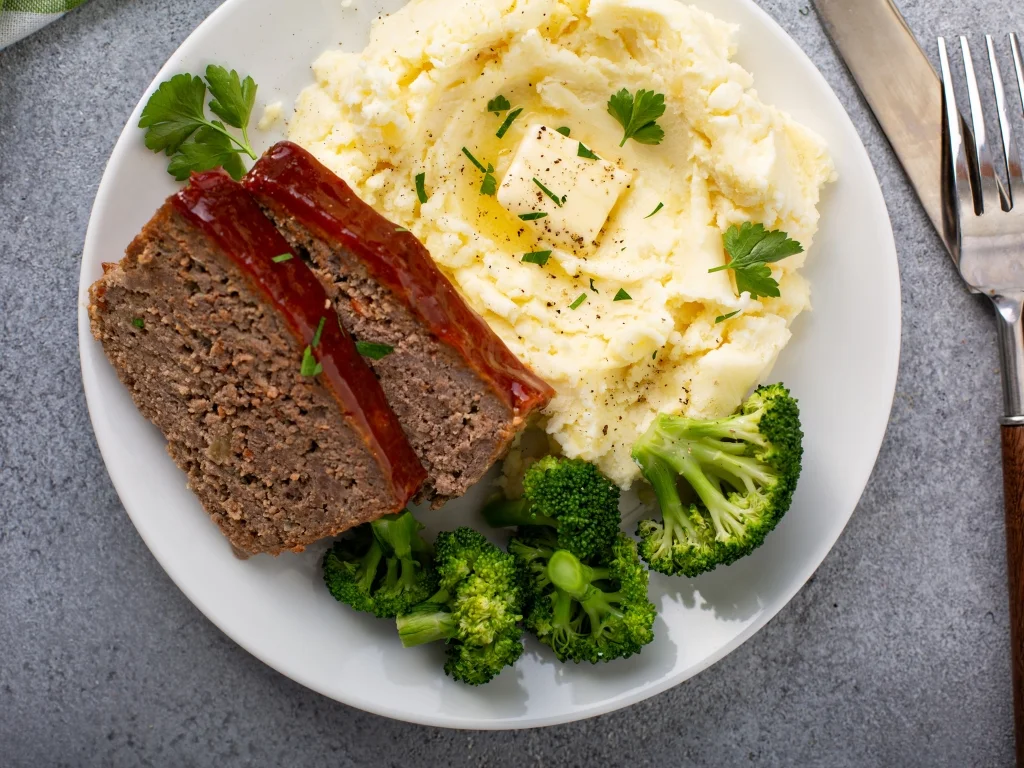
- Dinner: Turkey meatloaf, roasted sweet potatoes, and cooked green beans
- Optional snack: Pasteurized cottage cheese with canned pears
Day 7
- Breakfast: Egg and pasteurized cheese breakfast sandwich on a toasted English muffin
- Lunch: Grilled chicken with pasta salad made from cooked vegetables
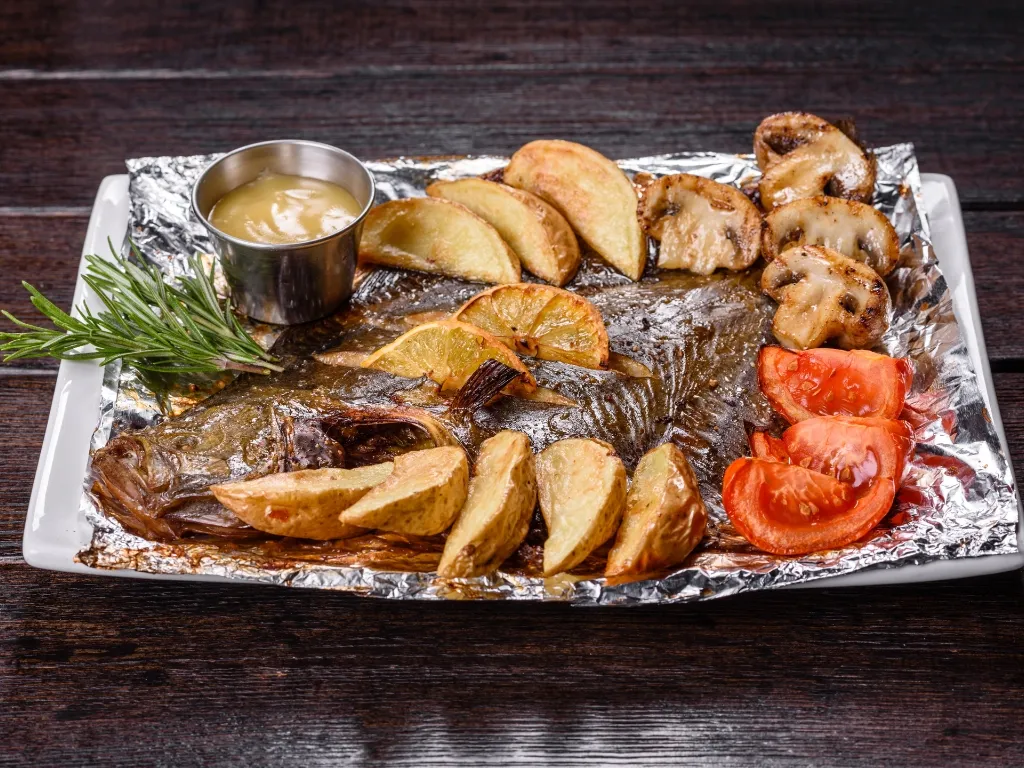
- Dinner: Baked tilapia and roasted potatoes, mushrooms, and tomatoes, served with quinoa
- Optional snack: Pasteurized Greek yogurt with smooth nut butter
Simple food safety practices to observe
Reducing exposure to harmful bacteria and other microorganisms takes more than choosing safe ingredients. Food safety practices also play a critical part in the success of a neutropenic diet:
- Wash your hands thoroughly before preparing or eating food
- Refrigerate perishable foods promptly
- Store foods at appropriate temperatures
- Avoid cross-contamination between raw and cooked foods
- Cook foods thoroughly using recommended temperatures
- Wash fruits and vegetables carefully before eating or cooking
- Check expiration dates regularly
- Reheat leftovers to an internal temperature of 165°F (74°C) before eating.
Manage immune system issues with personalized support from Health Loft
While there may be foods commonly considered safe for this condition, the most effective neutropenic diet is one that supports your nutritional needs while aligning with your healthcare team’s food safety recommendations.
Appetite, taste changes, fatigue, nausea, and other treatment-related side effects can also influence what and how much you can comfortably eat, affecting your food choices from day to day. Working with a registered dietitian can help you:
- Adjust meal plans based on treatment side effects
- Maintain adequate calorie and protein intake
- Navigate food safety concerns
- Address unintended weight loss or poor appetite
- Create a personalized nutrition plan that supports treatment and recovery
At Health Loft, we help make eating feel much more manageable during a time that may already feel overwhelming by offering personalized nutrition support during cancer treatment and neutropenia-related nutrition challenges. We help translate food safety recommendations into realistic, nourishing meal plans that fit your preferences, symptoms, and lifestyle.
Connect with Health Loft today to receive compassionate, individualized nutrition support tailored to your needs.
This article was reviewed by Katie Whitson, RD, LD. It is intended for informational purposes only and does not replace personalized nutritional advice.