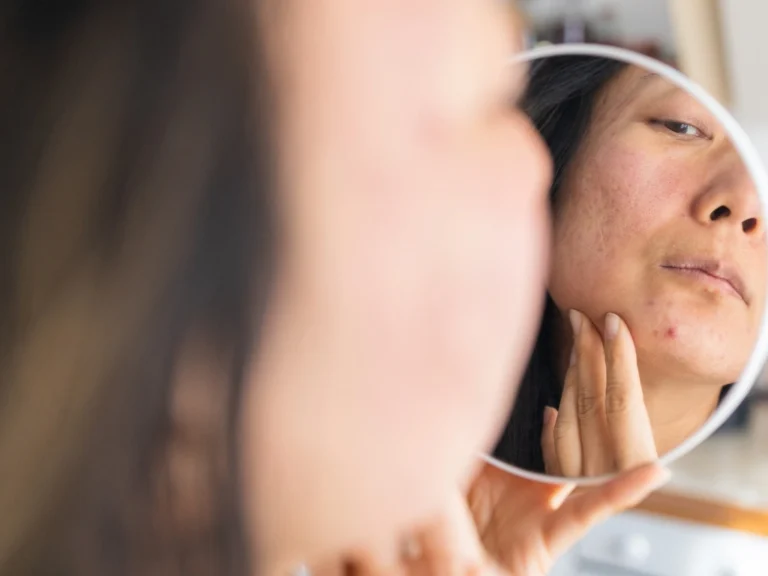









Few things are more frustrating than waking up to a new breakout and wondering what might have been the culprit. While acne is often misconstrued as solely a matter of personal hygiene, it’s actually a much more complex condition that may be influenced by many factors, including what you eat.
Read on to learn more about the different foods that may cause pimples, according to current research, as well as key dietary changes that may help you achieve clearer skin.

How does acne develop?
Acne is a common inflammatory skin condition that develops when hair follicles become clogged with oil (or sebum), dead skin cells, and sometimes bacteria. This blockage can lead to common types of acne, including whiteheads, blackheads, and pimples, as well as deeper, more painful or cystic breakouts.
Although acne is often associated with the teenage years, it can affect people of all ages. Many adults in their 30s, 40s, and even 50s continue to experience acne.
Several factors can contribute to acne, including:
- Increased oil production in the skin
- Buildup of dead skin cells inside pores
- Growth of naturally occurring skin bacteria
- Hormonal changes during puberty, menstruation, or pregnancy
- Family history and genetics
- Certain medications and environmental irritants
Acne is multifactorial, which means that there’s no single cause to explain each case. Instead, it’s usually different factors interacting with one another that lead to the development of acne. This is exactly why acne often requires an individualized approach for it to be properly managed and healed.
Can diet influence acne?
Given that acne has many contributing factors, diet does not necessarily directly cause acne. However, it can influence some of the processes involved in its development.
Researchers believe that diet may influence factors such as blood sugar regulation, hormone activity, and oil production. For example, eating large amounts of refined carbohydrates can cause blood sugar levels to rise quickly. In response, the body releases more insulin, which may stimulate androgen hormones that increase sebum production. Excess oil can also contribute to clogged pores and breakouts.
It’s important to note, however, that diet is only one small part in acne development, which also involves genetic components, hormonal fluctuations, medications, stress, and skincare habits, among other things.
3 foods that may make your skin break out
Certain foods have been found to cause pimples. However, it’s worth noting that, given how several factors play into acne development, what foods may affect one person’s skin aren’t necessarily the same foods that will affect another’s skin.
Still, learning more about the following foods may be a helpful starting point for improving skin health:

1. Sugary foods and drinks
Do sugar — or sugary drinks like soda — cause acne? Not directly, but diets high in sugary foods and beverages have been linked to a greater likelihood of breakouts.
A large study of more than 24,000 adults found that people who currently have acne were more than twice as likely to consume at least five servings of sugary beverages per day compared with people who had never had acne.
Higher intake of foods that combine high levels of sugar and fat was also associated with recurring acne.

2. Dairy products
Can dairy cause skin spots? There have been extensive studies that look into the potential role of dairy products, particularly cow’s milk, in acne.
According to a systematic review from 2022, 70% of studies examining dairy intake found that there was a link between at least one dairy product and acne development and/or severity. Researchers believe that the naturally occurring hormones and insulin-like growth factor-1 (IGF-1) in milk may help to explain this relationship, although the evidence remains inconclusive.
3. Junk food
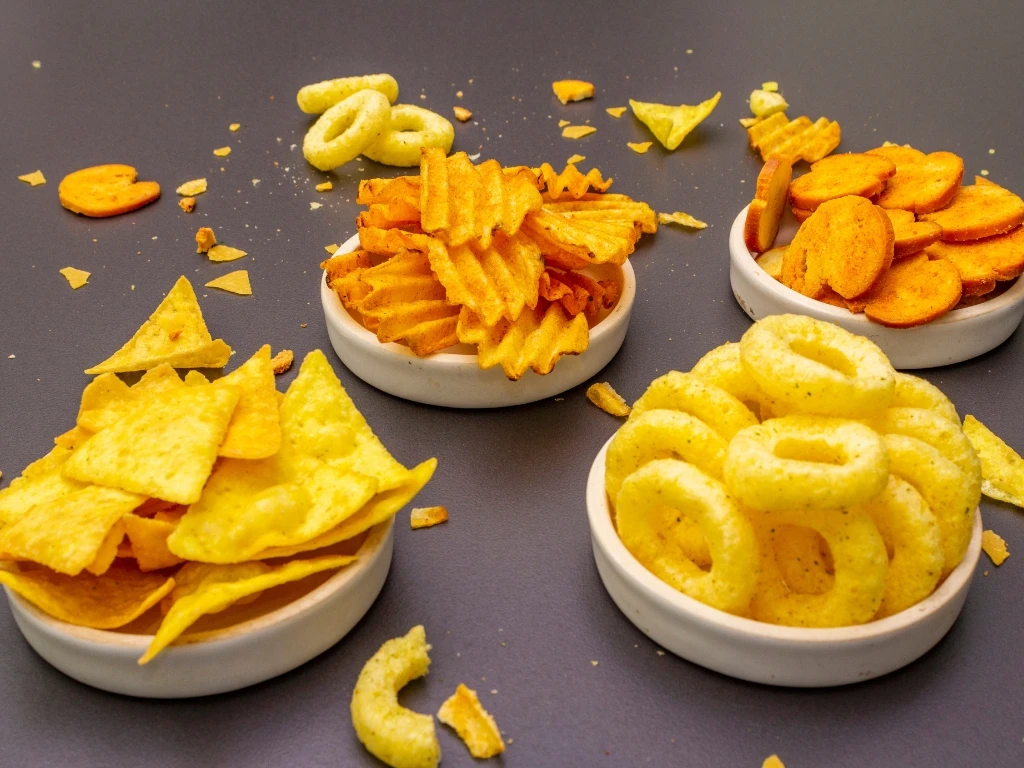
Junk food may also cause pimples, particularly when it is high in refined carbohydrates, added sugars, and trans fats. A review on the dietary influences of skin health identified fast food, greasy foods, and diets rich in refined sugars as dietary factors associated with acne.
How can acne be prevented? Dietary habits to help manage breakouts
Knowing which foods can cause acne may be important, but current research suggests that overall dietary patterns matter more than singling out any one food item.
Here are some habits relating to diet and nutrition that may help support skin health and reduce factors that contribute to breakouts.
Shift to foods lower in glycemic index
One of the most consistently studied dietary strategies for acne is following a low-glycemic diet. Foods lower on the glycemic index are shown to cause a slower rise in blood sugar compared with refined carbohydrates and sugary foods. Examples of low-glycemic foods include:
- Legumes, such as beans, chickpeas, and soybeans
- Non-starchy vegetables, such as broccoli, spinach, and eggplant
- Whole grains, such as steel-cut oats, quinoa, and barley
- Selected fruits, such as apples, pears, and citrus fruits
Another systematic review mentioned above also found that most studies supported a link between high-glycemic diets and acne, while several clinical trials showed that adopting a low-glycemic eating pattern could reduce acne lesions and improve the overall severity of recurring acne. This may be because stable blood sugar levels help reduce hormonal and inflammatory processes involved in acne development.
Incorporate antioxidant-rich foods into your diet
Fruits, vegetables, legumes, and other plant foods provide antioxidants that help protect cells from oxidative stress, which is thought to play a role in acne-related inflammation. While no single antioxidant-rich food has been proven to clear acne, dermatology experts generally recommend eating a variety of colorful produce as part of a skin-supportive diet.
The Mediterranean diet, which emphasizes vegetables, fruits, legumes, nuts, and olive oil, has also been associated with lower acne severity, likely due to its anti-inflammatory and antioxidant-rich food pattern.
Eat more fatty fish and omega-3-rich plant foods
Omega-3 fatty acids have anti-inflammatory properties that may benefit people with acne. One intervention study from 2024 found that acne patients who increased their omega-3 levels through a Mediterranean-style diet and omega-3 supplementation experienced significant improvements in both inflammatory and non-inflammatory acne lesions.
Fatty fish such as the following are among the richest sources of omega-3 fatty acids:
- Salmon
- Sardines
- Mackerel
- Herring
Plant foods can also help to increase omega-3 intake as part of a balanced diet. Consider:
- Walnuts
- Chia seeds
- Flaxseeds
- Legumes
Consume zinc-rich foods
Zinc is an essential mineral involved in immune function, wound healing, and inflammation regulation. Emerging research suggests zinc may play a role in acne management, with some researchers proposing that localized zinc deficiency could contribute to inflammatory skin conditions.
Good dietary sources of zinc include:
- Oysters
- Beef
- Poultry
- Pumpkin seeds
- Beans
- Lentils
- Cashews
Nourish your skin with food-first strategies from Health Loft
Acne may be a complex condition that no one food can prevent, but small changes to your diet and lifestyle, especially when done consistently, can add up over time. Aside from limiting your intake of certain common foods that may cause pimples, it’s also important to practice healthier eating habits, good physical and sleep hygiene, and stress management.
It’s important to keep in mind that the foods that trigger breakouts for one person may have little effect on someone else’s skin. This is exactly why overly restrictive diets often do more harm than good when it comes to managing acne. Eliminating entire food groups without guidance can make it harder to meet your nutritional needs and may add unnecessary stress to your daily life.
Working with a registered dietitian who specializes in skin health can help you take a more personalized approach. At Health Loft, our experts can help identify potential dietary triggers, ensure that you’re meeting your nutrient needs, and create a nutrition plan that realistically supports both your skin and overall health.
Book a consultation with a Health Loft dietitian today for food-first strategies that keep your skin healthy, nourished, and glowing.
This article was reviewed by Haleigh Mann, MS, RDN, LDN. It is intended for informational purposes only and does not replace personalized nutritional advice.