









When people think about nutrition, they usually put the spotlight on essential nutrients, such as protein, carbohydrates, fats, vitamins, and minerals. Recently, however, beneficial plant compounds called polyphenols are gaining attention for their potential role in supporting overall health, especially in the context of anti-aging and anti-inflammation.
This guide explores what polyphenols are, why they matter, which polyphenol-rich foods contain them, and whether consuming too much — especially through supplements or heavily processed products — may come with potential downsides.

What are polyphenols, and how do they help?
Polyphenols are natural compounds found in plant foods like berries, tea, cocoa, herbs, nuts, and vegetables. Plants produce them as a form of protection against stress from sunlight, insects, and the environment. When we eat these foods, those compounds may help protect our bodies, too. There are thousands of different types of polyphenols, including well-known groups like flavonoids and stilbenoids (a group that includes the popular resveratrol).
Their biggest benefit comes from how they act in the body: polyphenols help neutralize unstable molecules called free radicals, which can damage cells over time. They also support the body’s natural response to inflammation, helping maintain overall health as we age. Researchers continue to study how polyphenol-rich foods may support heart health, brain function, and healthy aging as part of a balanced diet.
Health benefits of a polyphenol-rich diet
As research on nutrition continues to grow, polyphenol-rich foods are being studied for their role in supporting long-term wellness. While they’re not a cure-all, these plant compounds may help protect cells, support healthy metabolic function, and promote overall resilience as we age.
Helps stabilize blood sugar levels
Some polyphenols may help the body regulate blood sugar more effectively by improving insulin sensitivity and slowing how quickly carbohydrates are broken down. A 2024 review found that compounds in foods like berries, green tea, and cocoa may support glucose control while also helping reduce inflammation linked to type 2 diabetes.
Reduces inflammation and oxidative stress
Oxidative stress happens when unstable molecules (or free radicals) build up faster than the body can neutralize them. This may contribute to inflammation and wear-and-tear of cells over time. Recent studies, however, report that antioxidant properties found in polyphenols may help reduce this cellular damage and inflammation.
Aids heart health
Research suggests that diets rich in polyphenols may also support healthy blood pressure, cholesterol levels, and circulation. A 2025 study noted that people who ate more polyphenol-rich foods tended to have lower heart disease risk scores over time.
Promotes gut balance
Some polyphenols also interact with gut bacteria in a two-way relationship. The gut bacteria themselves help transform polyphenols into bioactive compounds the body can use much more effectively, while the polyphenols act as prebiotics that support beneficial bacteria and curb harmful ones.
Contributes to healthy aging
Developing research suggests that polyphenols may also help protect cells and support brain health as we age, though scientists are still learning how these effects work in the long term.
Polyphenol-rich foods to include in a balanced diet
One of the best things about polyphenols is that they’re found in many everyday plant foods. It’s recommended to eat a wide variety of colorful foods to get a balanced mix of beneficial compounds, fiber, vitamins, and healthy fats.
“The pigments of foods themselves can be polyphenol sources,” says Health Loft’s registered dietitian, Adrienne DePaul, MS, RDN. “Picking brightly colored options is a wonderful way to increase your intake.”
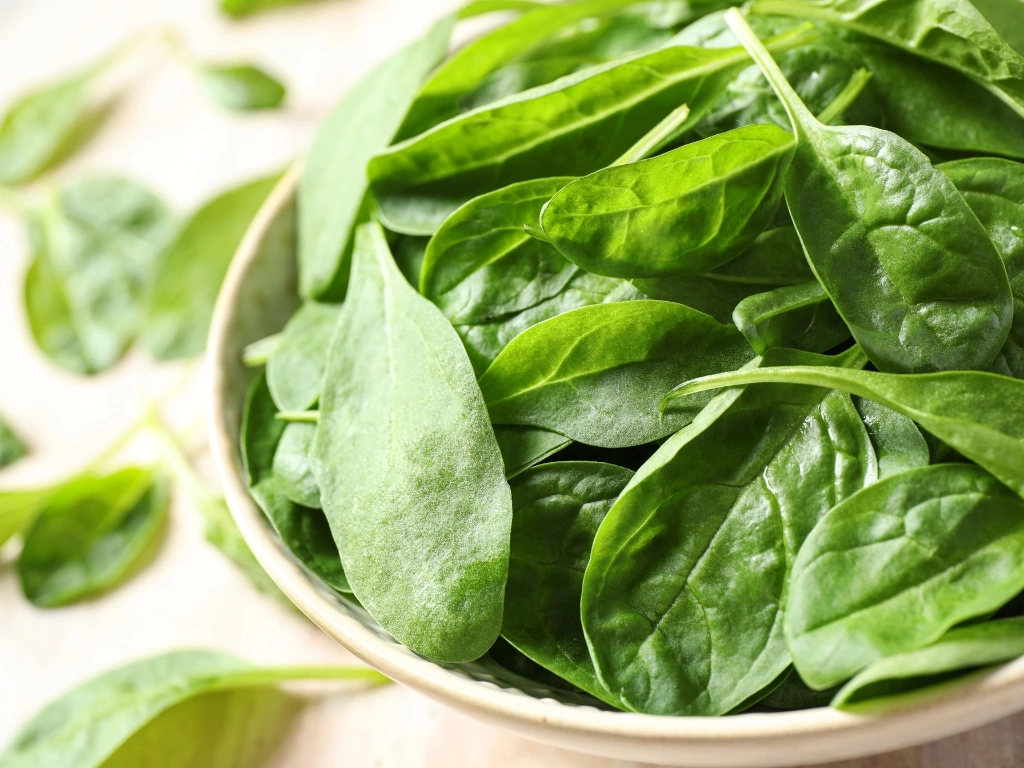
1. Vegetables, especially leafy greens
Different vegetables contain different types of polyphenols, which is why variety matters.
Some excellent vegetables to source polyphenols from are:
- Broccoli: about 198mg per 100g
- Red onions: about 103mg per 100g
- Spinach: about 120mg per 100g
- Black beans: about 59mg to 1600mg per 100g
- Black olives: about 117mg to 569mg per 100g
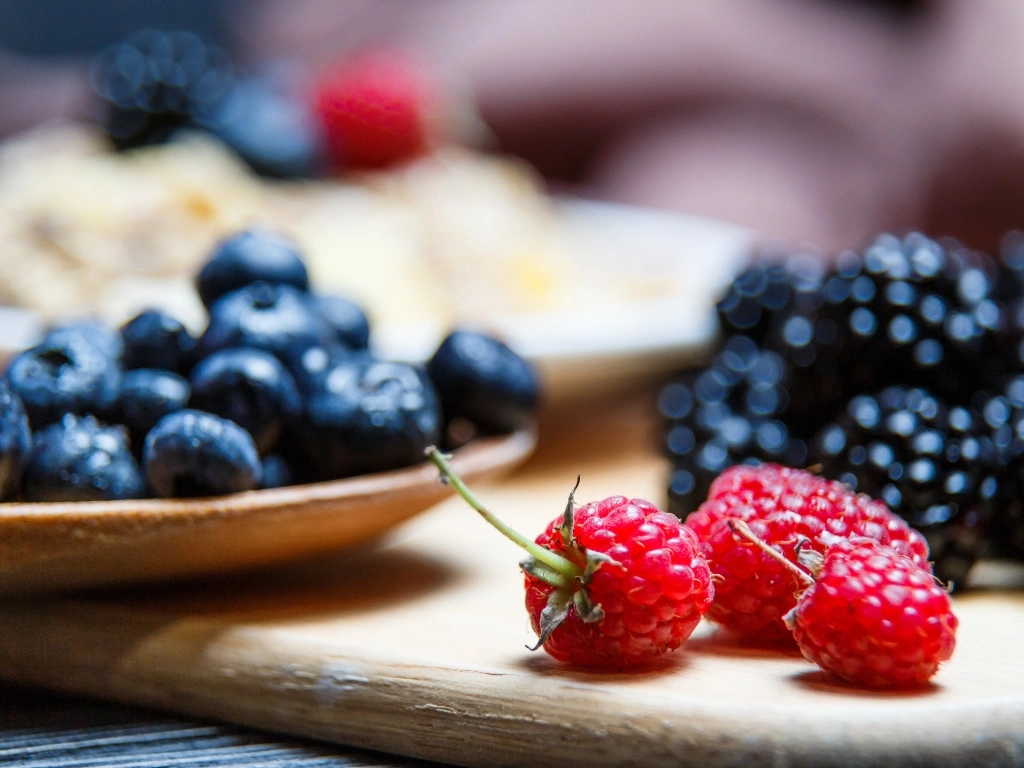
2. Fruits, especially berries
Deeply colored fruits such as berries are often especially high in polyphenols, particularly anthocyanins and flavonoids. Many fruits containing polyphenols also provide vitamin C and fiber.
Here are some berries rich in polyphenols and other fruit sources:
- Blueberries: about 525 mg per 100g
- Blackberries: about 248 mg per 100g
- Strawberries: about 225 mg per 100g
- Cranberries: about 120mg to 315 mg per 100g
- Black currants: about 820 mg per 100g
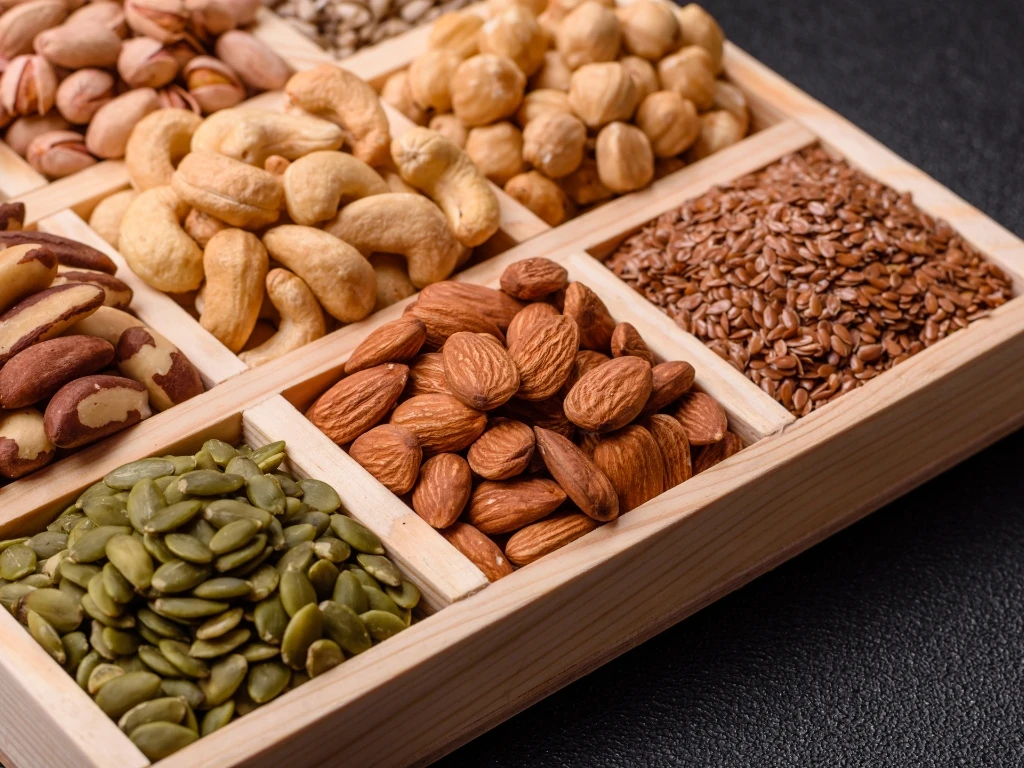
3. Nuts and seeds
Nuts and seeds offer polyphenols alongside fiber, plant protein, and healthy fats that support heart and metabolic health.
Good options to add to your regular diet include:
- Pecans: about 1,520 mg per 100g
- Walnuts: about 1,558mg to 1,625 mg per 100g
- Hazelnuts: about 291mg to 875 mg per 100g
- Almonds: about 180mg to 190 mg per 100g
- Sesame seeds: about 217mg per 100g
- Chia seeds: about 200mg to 350 mg per 100g
- Pumpkin seeds: about 100 to 120 mg (up to double when roasted)
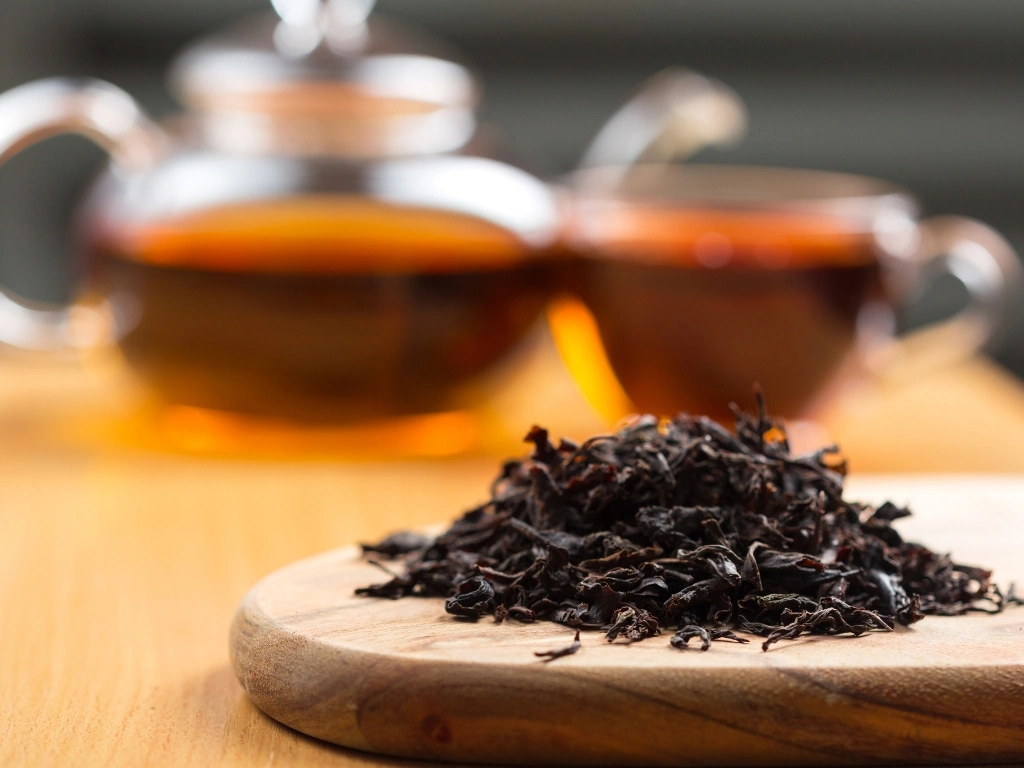
4. Drinks
Some beverages are naturally rich in polyphenols, though added sugar can reduce their overall healthfulness.
Below are some great drinks to load up on polyphenols:
- Coffee: about 200mg per 100mL
- Green tea: about 115mg per 100mL
- Black tea: about 40mg to 70mg per 100mL
- Pomegranate juice: about 135mg to 180mg per 100mL
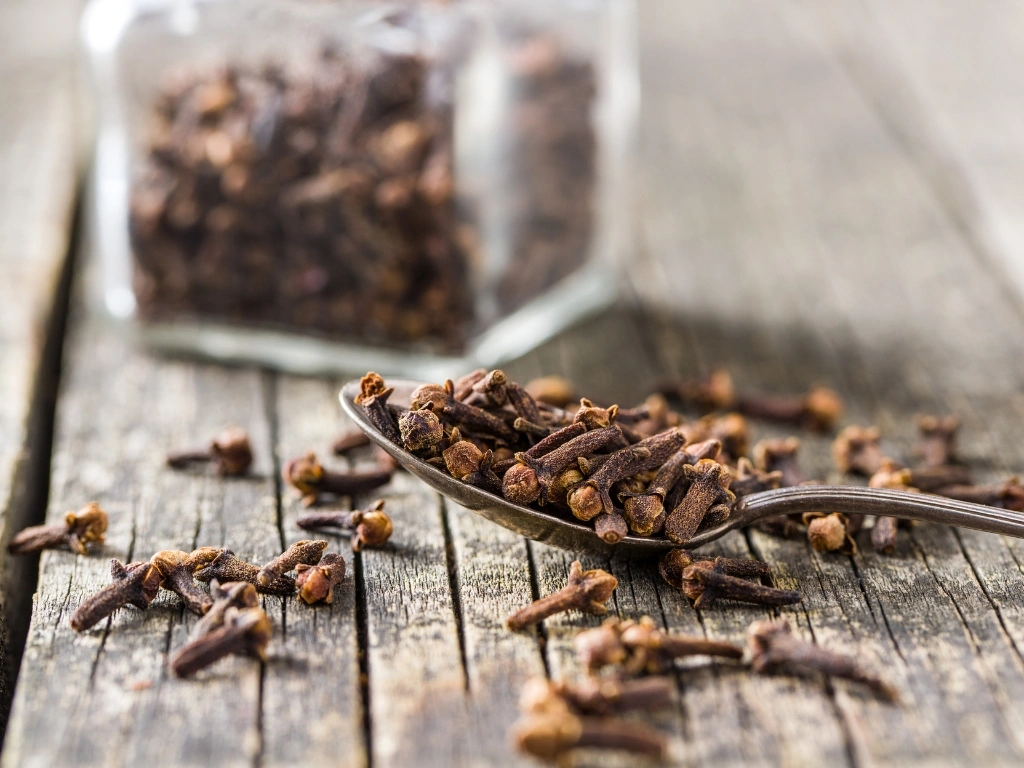
5. Herbs and spices
Even small amounts of herbs and spices can meaningfully contribute polyphenols to your diet.
Here’s how common choices measure up:
- Cloves: about 160.5 mg per 1g
- Cinnamon: about 97.0 mg per 1g
- Turmeric: about 21.2 mg per 1g
- Fresh oregano: about 9.4mg per 1g
- Dried oregano (concentrated): about 63.0mg per 1g
Extra virgin olive oil
This Mediterranean diet staple lends a lot more than just heart-healthy, flavorful fats to a meal. Olive oil, particularly the extra virgin varieties, offers about 0.05mg to 1.0mg per g (roughly 0.7mg to 14.0mg per typical tablespoon) of polyphenols, making it a worthwhile choice for your diet.
Downsides of consuming too much polyphenols
For most people, polyphenols from whole foods are considered very safe and beneficial as part of a balanced diet. However, it is possible to overdo certain polyphenol-rich foods or supplements.
Digestive discomfort from excess fiber
Many polyphenol-rich foods — including berries, legumes, nuts, vegetables, and whole grains — are also naturally high in fiber. While fiber supports digestion and gut health, increasing intake too quickly can cause bloating, gas, cramps, constipation, or diarrhea. Drinking enough water and gradually adding more fiber-rich foods can help your digestive system adjust more comfortably.
Added sugar, even in some “healthy” foods
Not every food marketed as “healthy” is equally nutritious. Some fruit juices, chocolate products, granola bars, flavored yogurts, and packaged snacks may contain significant amounts of added sugar. Reading nutrition labels can help identify ingredients like syrups, cane sugar, or high-fructose corn syrup. In general, whole foods such as fresh fruit, unsweetened tea, and minimally processed snacks are better everyday choices.
Unintended sugar consumption from heavy fruit intake
Whole fruit can absolutely fit into a healthy diet, but relying almost entirely on sweet fruits for polyphenols may unintentionally increase daily fructose intake. Pairing fruit with protein, healthy fats, or fiber-rich foods can help support steadier blood sugar levels.
Polyphenol supplements may not be necessary for everyone
High-dose polyphenol supplements may interact with certain medications or affect how the body absorbs nutrients and metabolizes drugs. Because concentrated extracts can have stronger effects than whole foods, it’s best to speak with a healthcare professional or registered dietitian before starting supplements regularly.
Discover the right way to boost your polyphenol intake with Health Loft
Building a healthier, more balanced diet doesn’t require expensive powders, restrictive cleanses, or complicated rules surrounding food intake and choice of ingredients. In most cases, adding more polyphenol-rich foods to your diet simply means eating a greater variety of whole foods, such as fruits, vegetables, herbs, nuts, and seeds, consistently over time.
A registered dietitian specializing in general health can help you introduce polyphenol sources into everyday meals to enjoy the benefits without changing much of what you’re already familiar with.
At Health Loft, we believe that nutrition care works best as part of a collaborative healthcare approach. This is why our dietitians work alongside physicians and other healthcare professionals to provide personalized, evidence-based support tailored to your nutritional needs, even as they shift.
On top of learning more about the full picture of your health, our experts also closely evaluate your current eating patterns and create a realistic plan that fits your health goals, preferences, and lifestyle.
If you’re ready to build sustainable habits, connecting with a Health Loft dietitian is a supportive place to start.
This article was reviewed by Adrienne DePaul, MS, RDN. It is intended for informational purposes only and does not replace personalized nutritional advice.