








One common concern surrounding vegan diets is how effectively plant proteins can help build, strengthen, and repair muscles compared to animal-based sources.
Here’s what the science reveals: Muscle gain depends not on where protein comes from, but more on your total protein intake, overall quality of the diet, and consistency in resistance training.
By learning which high-protein plant foods are best for muscle growth and how to prepare and portion them, vegan diets can actively support bodybuilding and muscle performance at a high level.
Can a vegan diet support bodybuilding?
Yes, vegan diets may be supportive of bodybuilding by providing adequate protein and calorie intake. Protein, in particular, plays a central role, aiding muscle repair, recovery, and growth, and enabling the body to meet the demands of resistance training.
That said, it’s worth noting that most plant proteins tend to be lower in certain essential amino acids (particularly lysine, methionine, leucine, and threonine) and are less digestible than animal proteins. This is why vegan meals for bodybuilding typically require thoughtful planning and variety.
Athletes observing plant-based eating patterns often combine different plant protein sources throughout the day to improve their overall protein quality and support the protein-administered process of muscle repair (also called muscle protein synthesis).
“While a vegan diet is not generally considered the most practical approach for bodybuilding, individuals who choose this dietary pattern for ethical, moral, or religious reasons can achieve their nutrition and physique goals with thoughtful planning and appropriate supplementation when needed,” says Solveig Adalsteinsdottir, MS, RDN, LDN from Health Loft.
She adds: “Given the higher prevalence of disordered eating among bodybuilding competitors, it’s important to think carefully before adding extra dietary restrictions. Adding further restrictions may not be the best choice for everyone, especially if it makes meeting nutrition needs more difficult or creates added stress around food.”
How to build muscle on a vegan diet
Building muscle on a vegan diet follows the same core principles as any other muscle-building approach:
Protein supplies the amino acids your body needs to repair muscle tissue and build new muscle after training. For active individuals, protein needs are generally higher than the standard recommended dietary allowance. The American College of Sports Medicine recommends vegan athletes consume approximately 1.3 to 1.8 grams of protein per kilogram of body weight per day, roughly 10% more than omnivorous counterparts, to compensate for lower digestibility.
However, this will vary depending on your goals and the intensity of your training.
Instead of relying on a single large meal to provide all the protein you need in a day, focus on working toward your total daily protein intake slowly. Distributing protein across meals and snacks throughout the day (every three to four hours) may be more supportive of muscle protein synthesis and recovery in the long term.
Eat enough calories to support growth
Muscle growth also requires enough energy. Even with enough protein, eating too few calories can limit muscle development because the body lacks the fuel needed to support training and recovery.
Many muscle-building programs recommend a modest calorie surplus — often around 10% to 20% above maintenance needs — to support muscle gain (or “hypertrophy”) while minimizing unnecessary increase in body fat.
Train for progressive overload
Nutrition may support muscle growth, but it’s resistance training that stimulates it. Progressive overload means gradually increasing the demands placed on the muscles over time through heavier weights, more repetitions, extra sets, or overall higher training intensity.
Without this progression, muscle growth can eventually plateau, even with a consistently high-protein diet.
Build meal-prep habits you can sustain
Meal preparation can make vegan muscle-building significantly more manageable. Aside from planning meals ahead, batch-cooking reliable protein staples and keeping them ready to heat (and eat) can also help maintain consistency in your intake, reducing the likelihood of skipping meals or under-eating during busy days.
Best high-protein vegan foods for muscle growth
Building muscle on a vegan diet is easier when meals include a variety of protein-rich foods across the day that help provide a more complete amino acid profile per plate and support muscle repair and growth more effectively.
Many foods for vegan bodybuilding also provide fiber, vitamins, minerals, and healthy fats that support recovery and performance.
| Food Category | Food | Portion | Protein |
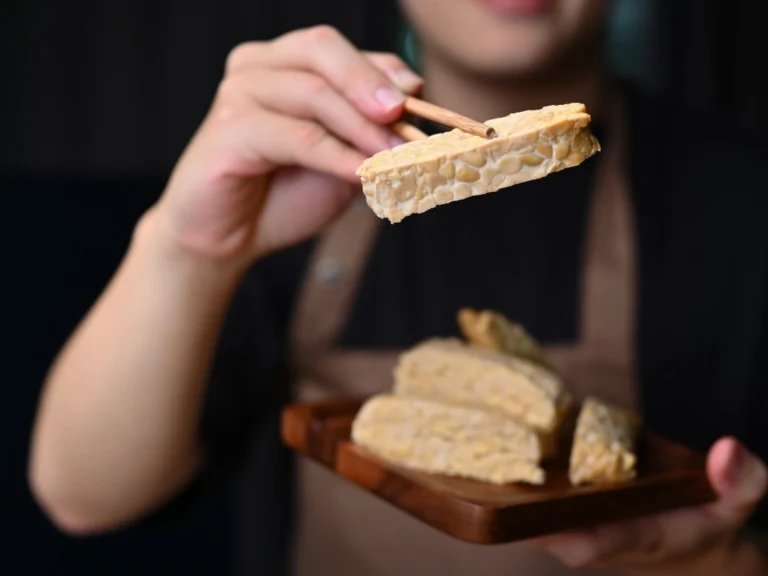
| Common plant-based proteins | Tempeh | 150 grams | 27 grams |
| Tofu | 1 cup | 22 grams | |
| Edamame | 1 cup | 23 grams | |
| Soy nuts | ¼ cup | 16 grams | |
| Soy milk | 1 cup | 7–8 grams | |
| Soy protein powder | 1 scoop | 20–28 grams | |
| Hemp protein powder | 1 scoop | 12–15 grams | |
| Rice protein powder | 1 scoop | 11–15 grams | |
| Legumes and pulses | Lentils | 1 cup | 18 grams |
| Black beans | 1 cup | 14–16 grams | |
| Kidney beans | 1 cup | 14–16 grams | |
| Pinto beans | 1 cup | 14–16 grams | |
| Chickpeas | 1 cup | 15 grams | |
| Hummus | ⅓ cup | 7 grams | |
| Grains and cereals | Quinoa | 1 cup | 8–12 grams |
| Brown rice | 1 cup | 5–8 grams | |
| Barley or bulgur | 1 cup | 5–8 grams | |
| Whole-grain bread | 2 slices | 5–8 grams | |
| Oatmeal | 1 cup | 6 grams | |
| Ezekiel bread | 1 slice | 4 grams | |
| Nuts and seeds | Hemp seeds | ¼ cup | 7–12 grams |
| Pumpkin seeds | ¼ cup | 7–12 grams | |
| Almonds | ¼ cup | 6–9 grams | |
| Walnuts | ¼ cup | 6–9 grams | |
| Pecans | ¼ cup | 6–9 grams | |
| Peanut butter | 2 tbsp | 8 grams | |
| Chia seeds | 2 tbsp | 6 grams | |
| Other sources | Nutritional yeast | 2 tbsp | 6 grams |
| Spirulina | 1 oz | 16 grams | |
| Spinach | ½ cup | 3 grams | |
| Kale | 1 cup | 1 gram |
5-day high-protein vegan meal plan for muscle building
This high-protein vegan diet meal plan shows how a full week of eating can support muscle gain when protein is consistently included in each meal. Each day below highlights the main protein-rich ingredients with approximate portions so you can clearly see how intake is structured.
Always keep in mind that portion sizes should be adjusted based on your body weight, training intensity, and energy needs.
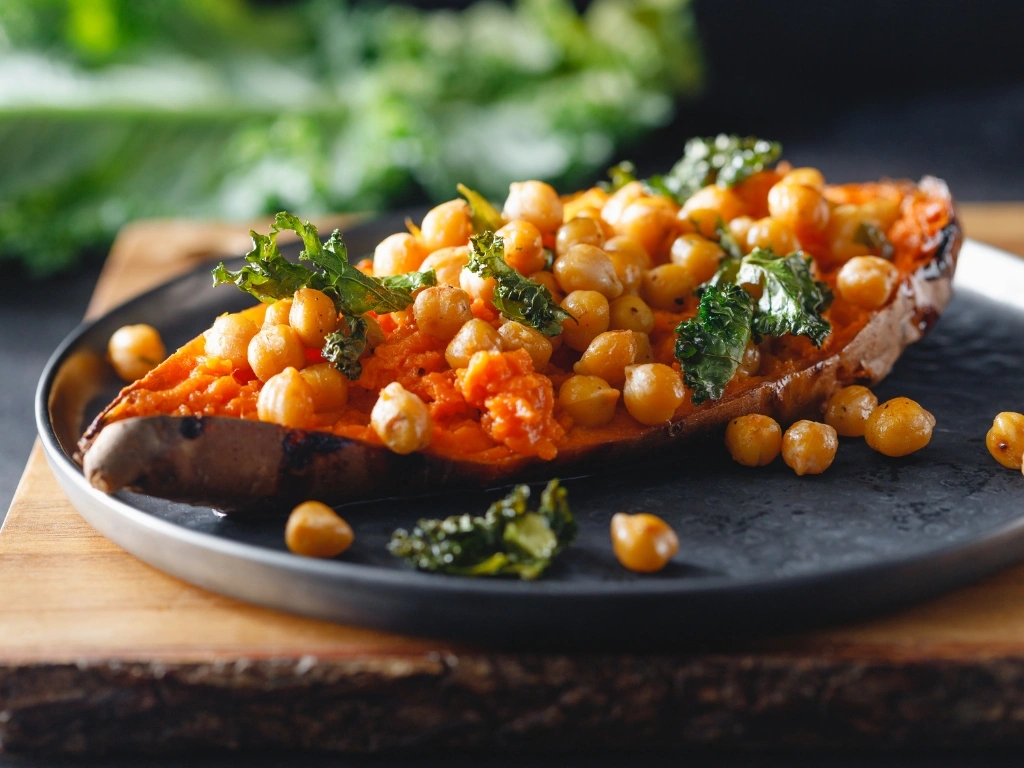
Day 1
- Breakfast: High-protein oatmeal (½ cup oats + 2 tbsp peanut butter + chia seeds) with soy milk
- Lunch: Spiced chickpea baked sweet potato (1 cup chickpeas) with herbs and mixed greens
- Dinner: Tofu and vegetable stir-fry (250g tofu) with broccoli, peppers, high-protein or buckwheat (soba) noodles, and soy sauce
- Snack: Plant-based jerky (100g)
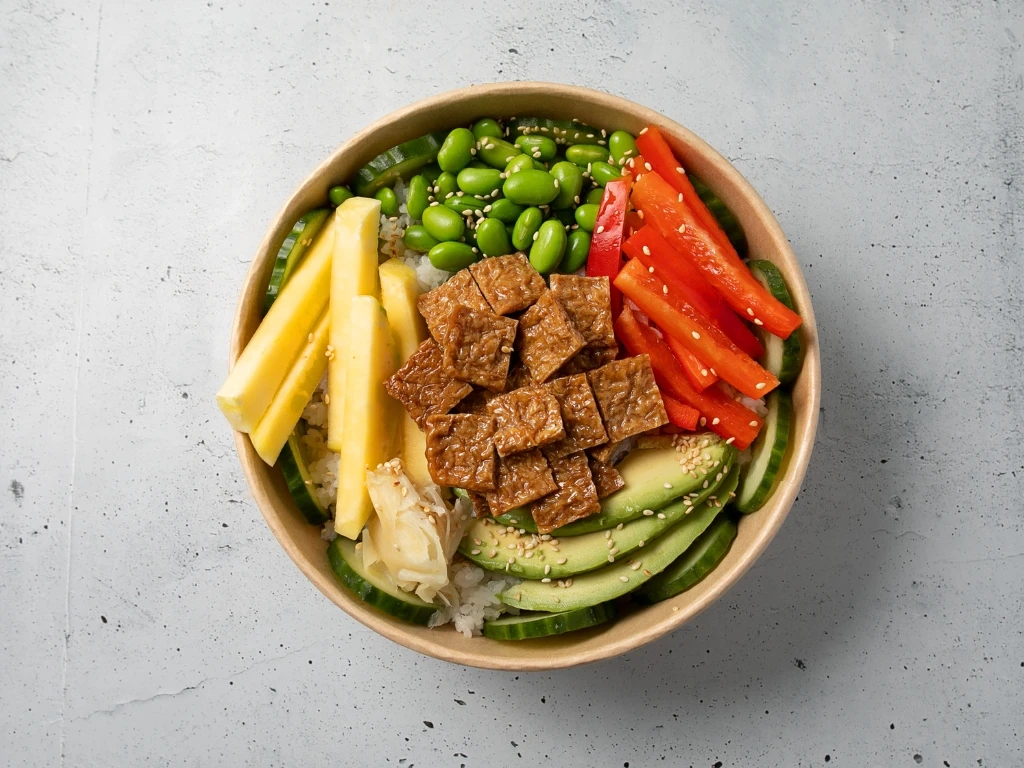
Day 2
- Breakfast: Vegan tofu poke bowl (1 cup edamame) with edamame, tomatoes, avocado, and cucumber
- Lunch: Black bean and quinoa grain bowl (1 cup black beans) with roasted vegetables
- Dinner: Lentil lasagna (1 cup lentil-based filling, whole grain pasta sheets, and a vegan plant-milk béchamel) with a side salad
- Snack: Roasted soy nuts (½ cup)
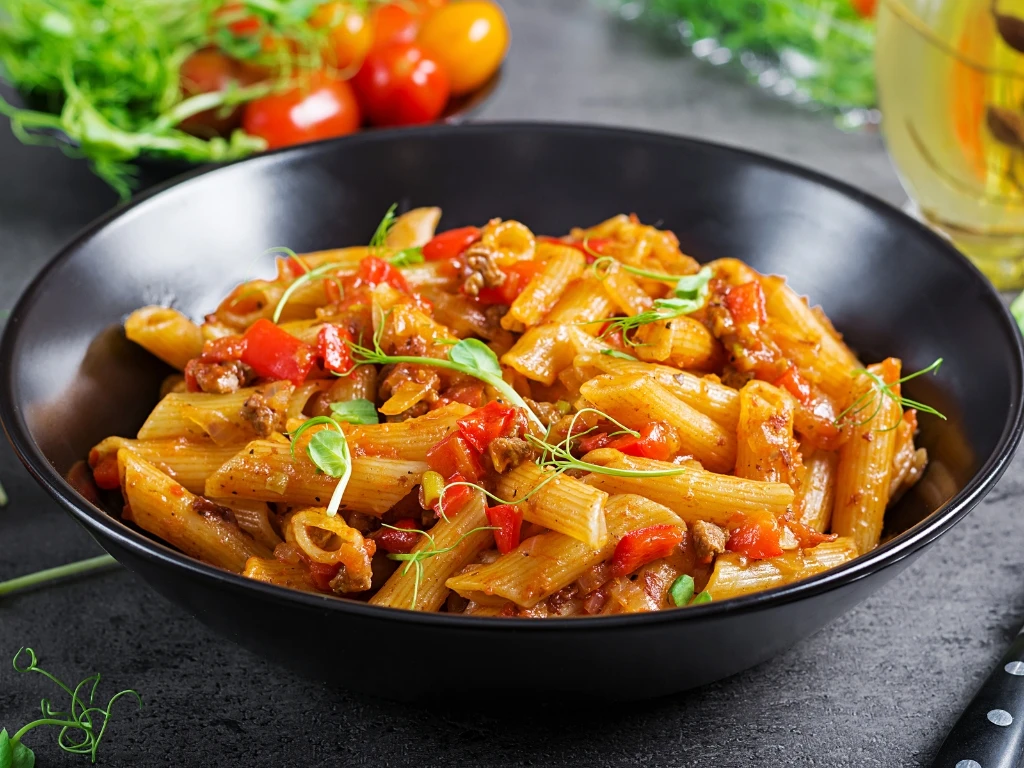
Day 3
- Breakfast: Savory scrambled edamame (1 cup edamame) with spinach, mushrooms, 2 tbsp nutritional yeast, and whole-grain toast
- Lunch: Hummus and avocado wrap with shredded carrots (¾ cup hummus) on whole-grain bread paired with large mixed green salad drizzled in olive oil and topped with pumpkin seeds
- Dinner: Lentil pasta with tomato sauce (1.5 cups cooked red lentil pasta + 1 cup lentils) with garlic, 2 tbsp nutritional yeast, and vegan meat crumbles (soy curls)
- Snack: Plant-based protein shake (1 scoop protein powder)
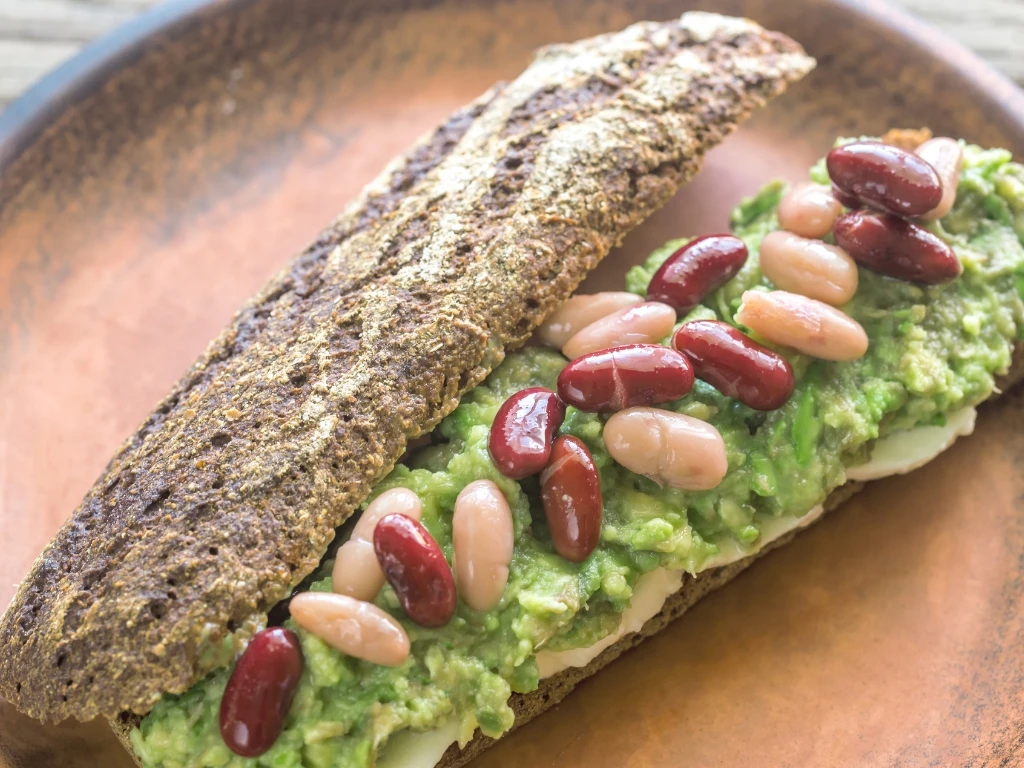
Day 4
- Breakfast: Beans, tofu, and avocado toast (100g tofu, 100g beans) on whole-grain toast with 2 tbsp nutritional yeast, vegan cheese and/or sunflower seeds
- Lunch: Edamame and quinoa salad (1 cup edamame) with herbs, vegetables, sesame dressing, and 2 tbsp nutritional yeast
- Dinner: Crispy tempeh with curry sauce (250g tempeh using a plant-milk/cornstarch wash instead of egg), with brown rice and stir-fried vegetables
- Snack: Trail mix with almonds, pumpkin seeds, and walnuts
Day 5
- Breakfast: Scrambled chickpeas (1 cup chickpeas) with spinach and tomatoes
- Lunch: Three-bean chili (1 cup kidney beans, black beans, and pinto beans) served over quinoa
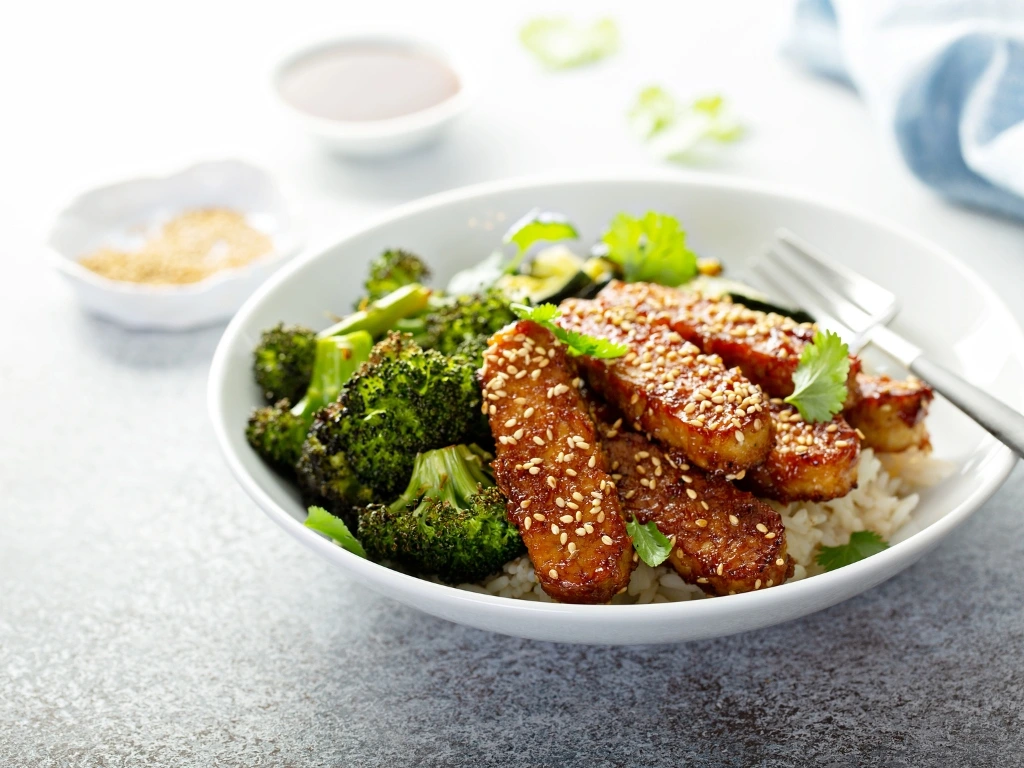
- Dinner: Glazed tempeh and broccoli (250g tofu) with quinoa or brown rice
- Snack: Peanut butter toast (2 tbsp peanut butter on whole-grain bread) + 1 scoop plant-based protein shake
Benefits of a high-protein vegan diet for muscle growth
When properly structured around protein and calories, a vegan bodybuilding diet can provide all the nutrients needed to support training, recovery, and muscle growth and repair. But that’s not the only benefit to this diet.
Whether you’re fully vegan, mostly plant-based, or simply looking to incorporate more plant foods into your meals, there are several reasons why emphasizing plant-based protein sources may support both your health and bodybuilding goals:
- Supports digestion and gut health – Plant-based diets tend to be naturally high in fiber, which is widely known to help regulate digestion, satiety, and overall bowel movements.
- Rich in vitamins, minerals, and antioxidants – A wide variety of plant foods may help support recovery and may reduce exercise-related oxidative stress.
- May support cardiovascular health – Plant-forward eating patterns are associated with improved heart health markers such as cholesterol and blood pressure.
- Can support a leaner physique – Many whole plant foods are less calorie-dense than heavily processed foods, which may help maintain a leaner body composition when calorie intake is managed appropriately.
Nutrients to watch for in a vegan diet for bodybuilders
Vegan diets may still be made nutrient-dense when planned strategically, but closer attention is often required for certain key nutrients, such as:
- Vitamin B12 – Deficiency in B12 may likely occur without supplements or fortified foods. Nutritional yeast is a great source of B12 for vegans.
- Iron – Nonheme iron from plants has lower bioavailability, which means it’s less absorbed by the body. Routine monitoring of iron status and mindful pairing of iron-rich foods with vitamin C are often recommended by experts, especially in female athletes.
- Calcium and vitamin D – This combination is essential for bone mineral density, especially as vegan athletes may have an increased risk of stress fractures.
- Zinc – Plant-sourced zinc also has lower bioavailability due to the presence of phytates. Food preparation methods like soaking, sprouting, and fermenting can help break down phytates.
- Omega-3 fatty acids (EPA/DHA) – Most plant sources provide only ALA (alpha-linolenic acid), not the long-chain forms. Algae-based EPA (eicosapentaenoic acid) or DHA (docosahexaenoic acid) supplements are often recommended for vegans.
- Iodine – While often overlooked in vegan diets, iodine intake may run low without dairy or iodized salt.
Challenges and limitations to consider
Although vegan bodybuilding is entirely possible, it often requires more intentional planning than omnivorous approaches. Here are some key challenges to be aware of:
- Meeting protein targets can take more planning – Reaching higher protein intakes may require careful meal structure, especially when relying primarily on whole foods.
- High-fiber diets can reduce appetite – Because plant foods are often filling, some people struggle to consume enough calories to support muscle gain.
- Some plant proteins are less digestible – Certain plant proteins have lower digestibility or lower concentrations of specific essential amino acids. This can slightly increase the overall protein needs.
- Food variety matters more – Relying on a broader range of protein sources throughout the day is necessary to improve amino acid balance and quality of diet.
- Recovery may be affected if poorly planned – Not consuming enough protein may drag down energy levels and slow muscle repair over time.
With proper planning and support from a professional like a dietitian, these challenges can be managed effectively. In fact, many athletes successfully thrive on a vegan diet when their nutrition is structured well.
Building a sustainable vegan muscle-building diet
While plant-based athletes may need to be more intentional with food choices, it is possible to gain muscle and perform at a high level on a vegan diet.
Rather than focusing on whether protein comes from plants or animals, it’s more useful to focus on the overall quality and consistency of the diet. A vegan bodybuilding diet, when planned strategically around quality protein and calorie intake, can largely support muscle strength, recovery, and long-term athletic performance.
Having a nutrition plan that’s personalized specifically for your purpose can be especially valuable. A registered dietitian who specializes in vegan nutrition can help fine-tune protein distribution, meal planning, and supplementation to make sure that nothing is overlooked.
At Health Loft, our experts can design a vegan bodybuilding diet plan around your training demands, protein and calorie needs, and lifestyle to help you stay consistent and confident in how you approach muscle gain. Connect with a Health Loft dietitian today to start training the right way.
This article was reviewed by Solveig Adalsteinsdottir, MS, RDN, LDN. It is intended for informational purposes only and does not replace personalized nutritional advice.