









Protein has become one of the most talked-about nutrients among people looking to improve their eating habits, and for good reason. It helps support muscle maintenance, plays a role in recovery, and can help you stay fuller between meals. At the same time, many people choose to reduce their carbohydrate intake to support weight management, blood sugar goals, or personal preferences.
A low-carb eating pattern does not have to mean eliminating carbohydrates entirely. In fact, many balanced eating plans include moderate amounts of nutrient-rich carbohydrates alongside protein, healthy fats, and vegetables.
If you’re unsure how to build satisfying, balanced meals that align with these healthy eating principles, this guide includes a practical, seven-day meal plan featuring high-protein, low-carb ingredients that are easy to incorporate into your routine.

What is a high-protein, low-carb diet?
This diet emphasizes protein-rich foods while reducing carbohydrate intake compared to a typical eating pattern.
Protein often comes from foods such as:
- Eggs
- Chicken
- Turkey
- Fish
- Greek yogurt
- Cottage cheese
- Tofu
- Lean beef
- Edamame
Carbohydrates are not eliminated entirely in this diet. Instead, the focus shifts toward lower-carb, nutrient-dense foods such as:
- Non-starchy vegetables
- Berries
- Nuts and seeds
- Beans and lentils in moderate portions
- Moderate portions of whole grains and starchy vegetables
Exactly how much protein and carbohydrate a person needs depends on factors such as age, activity level, health conditions, and personal goals. A registered dietitian can help determine the right balance for your individual needs.
Potential benefits of eating more protein and fewer carbohydrates
A higher-protein, lower-carb eating pattern may offer benefits for some individuals, particularly when meals emphasize nutrient-dense foods. While results vary from person to person, this approach may generally support the following:
Increased fullness between meals
Protein is often more filling than carbohydrates alone. Including protein-rich foods at meals and snacks may help reduce hunger and make it easier to stay satisfied throughout the day.
Muscle maintenance and recovery
Protein plays an important role in preserving muscle mass and supporting recovery after physical activity. It may also help offset the muscle loss that can occur with aging or weight loss.
More stable blood sugar levels
Reducing highly refined carbohydrates while pairing meals with protein, healthy fats, and fiber may help support steadier blood sugar levels for some individuals.
Less reliance on highly processed foods
Many people following a high-protein, lower-carb eating plan spend more of their plate space on whole foods such as poultry, seafood, eggs, vegetables, nuts, dairy products, and legumes. This can make it easier to reduce dependence on ultra-processed foods.
Greater meal satisfaction
Meals that combine protein, vegetables, healthy fats, and moderate portions of carbohydrates often feel more balanced and satisfying than meals centered primarily around refined carbohydrates.
Not everyone benefits from the same carbohydrate intake, which is why the most effective eating plan is one that aligns with your health needs, preferences, activity level, and long-term goals.
Practical 7-day high-protein, low-carb meal plan
The meals below focus on protein-rich foods, vegetables, healthy fats, and moderate portions of lower-carb ingredients. Most meals provide approximately 25 to 35 grams of protein, though actual amounts may vary depending on your calorie and nutritional needs.

Day 1
- Breakfast: Greek yogurt topped with berries, chia seeds, and sliced almonds
- Lunch: Grilled chicken salad with mixed greens, cucumbers, tomatoes, avocado, and olive oil vinaigrette
- Dinner: Baked salmon with roasted broccoli and cauliflower
- Snack: Cottage cheese with cucumber slices

Day 2
- Breakfast: Vegetable omelet made with spinach, mushrooms, and cheese
- Lunch: Turkey lettuce wraps with avocado and bell peppers
- Dinner: Garlic shrimp sautéed with zucchini noodles and cherry tomatoes
- Snack: Two hard-boiled eggs

Day 3
- Breakfast: Cottage cheese bowl with berries and chopped almonds
- Lunch: Tuna salad served over mixed greens with sliced cucumbers
- Dinner: Grilled chicken thighs with roasted green beans and cauliflower mash
- Snack: Steamed edamame
Day 4
- Breakfast: Scrambled eggs with turkey sausage and sautéed spinach
- Lunch: Chicken salad stuffed into avocado halves
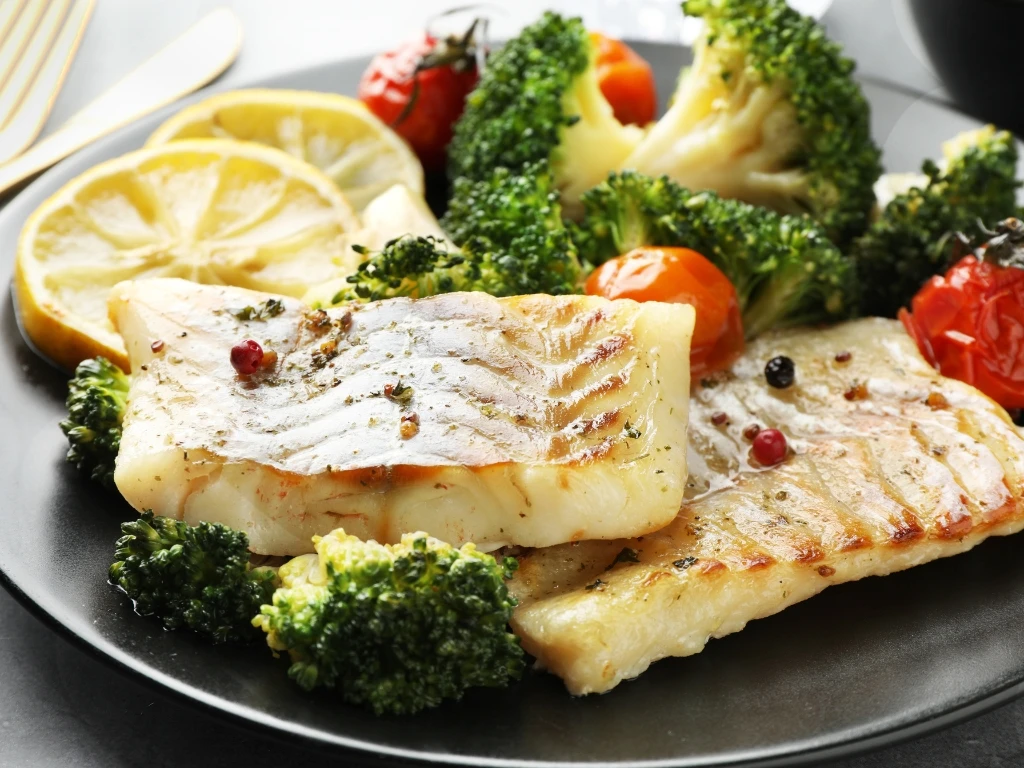
- Dinner: Baked cod with broccoli and roasted tomatoes
- Snack: Greek yogurt topped with cinnamon
Day 5
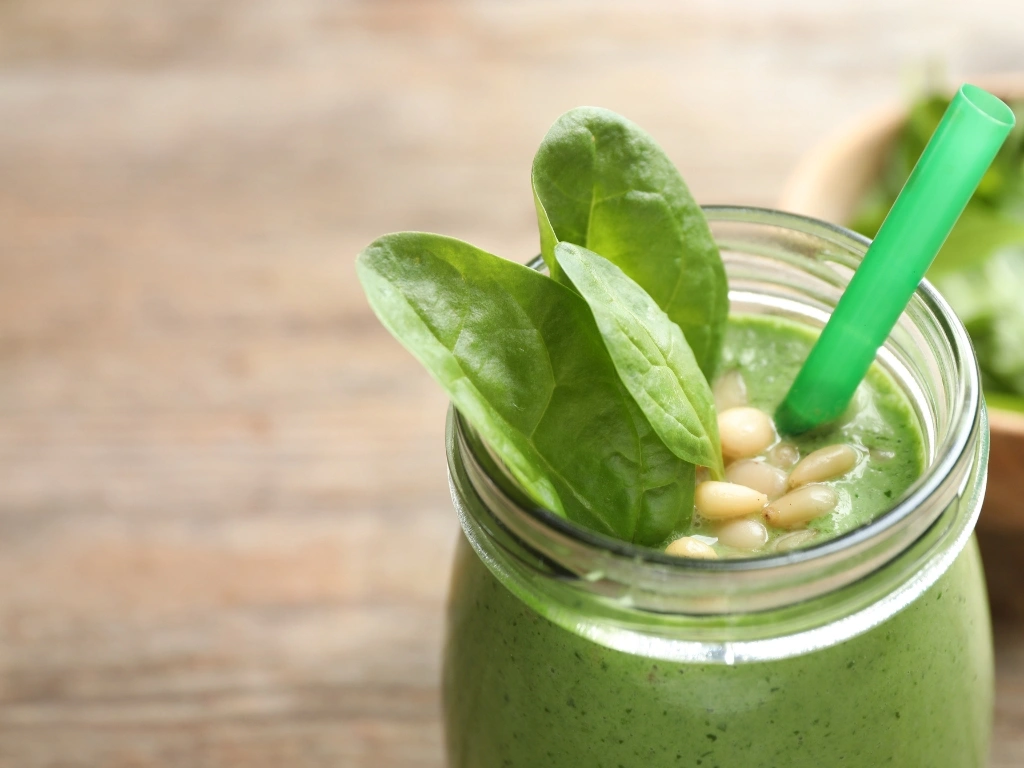
- Breakfast: Protein smoothie made with Greek yogurt, milk, spinach, peanut butter, and pine nuts (if needed, add a scoop of protein powder to help meet your protein goals)
- Lunch: Turkey burger bowl with lettuce, tomatoes, cucumbers, avocado, and a light dressing
- Dinner: Beef and vegetable stir-fry served over cauliflower rice
- Snack: String cheese and a handful of almonds

Day 6
- Breakfast: Egg muffins with spinach, peppers, and cheese
- Lunch: Grilled salmon salad with mixed greens and olive oil dressing
- Dinner: Chicken breast with roasted zucchini and sautéed mushrooms
- Snack: Roasted edamame

Day 7
- Breakfast: Greek yogurt parfait with berries and chopped pecans
- Lunch: Tuna-stuffed bell peppers with a side salad
- Dinner: Turkey meatballs with roasted vegetables and marinara sauce
- Snack: Cottage cheese with cinnamon and walnuts
This high-protein low-carb meal plan is intended as a flexible example rather than a strict set of rules. Individual calorie and protein needs vary, so this plan should be adapted based on your goals and guidance from your healthcare team or registered dietitian.
Feel free to swap or repeat meals between days, adjust portion size, substitute similar protein sources, or add snacks if needed.
Tips for building your own high-protein, low-carb meal plan
Because low-carbohydrate meals are often lower in fiber and certain micronutrients, such as potassium and magnesium, it can be helpful to include more vegetables, nuts, seeds, legumes, berries, and other nutrient-dense carbohydrate sources.
Here’s how they can fit into your meal plan:
Start with protein
Build each meal around a protein source, such as chicken, fish, eggs, Greek yogurt, cottage cheese, tofu, or lean beef. This makes it easier to meet your protein needs throughout the day.
Add plenty of vegetables
Non-starchy vegetables provide fiber, vitamins, and minerals while helping meals feel more satisfying. Options like broccoli, spinach, zucchini, cucumbers, and bell peppers work well in most low-carb meals.
Include healthy fats
Heart-healthy fat sources such as avocado, olive oil, nuts, seeds, and nut butters can add flavor and help keep you full between meals.
Be strategic with carbohydrates
A low-carb eating pattern does not require eliminating carbohydrates entirely. Consider including moderate portions of foods such as berries, beans, lentils, oats, quinoa, or sweet potatoes based on your preferences and goals.
Keep convenient protein options on hand
Ready-to-eat options such as Greek yogurt, hard-boiled eggs, cottage cheese, rotisserie chicken, tuna packets, and protein shakes can make high-protein eating easier on busy days.
Make your high-protein meal plan sustainable with Health Loft
The best eating plan is rarely the most restrictive one. Instead, it’s the one you can follow consistently while still enjoying food and meeting your nutrition needs.
This seven-day high-protein low-carb meal plan demonstrates how protein-rich foods, vegetables, healthy fats, and moderate amounts of carbohydrates can work together to create satisfying meals. For many people, this approach may help support fullness, muscle maintenance, and overall health without requiring extreme dietary rules.
Remember that flexibility matters. Some days may include more carbohydrates than others, and that’s okay. Long-term consistency is often more important than following a meal plan perfectly.
If you’re unsure how much protein you need, have specific health concerns, or want a personalized nutrition strategy, a registered dietitian can help.
At Health Loft, our registered dietitians provide individualized guidance tailored to your goals, preferences, and medical needs. Whether you’re focused on weight management, blood sugar support, or building more balanced eating habits, we can help you create a sustainable plan that fits your lifestyle.
Reach out to Health Loft today to connect with a registered dietitian and get personalized nutrition support.
This article was reviewed by Katie Whitson, RD, LD. It is intended for informational purposes only and does not replace personalized nutritional advice.