









Trying to eat to lower cholesterol isn’t the most straightforward process, especially when every diet seems to come with a different set of rules. Knowing which foods to eat can be just as challenging as knowing which foods to limit.
A portfolio diet meal plan focuses on adding specific foods that support healthy cholesterol levels rather than eliminating entire food groups. This approach makes it easier to build balanced meals throughout the week while still enjoying a variety of foods.

What is the portfolio diet?
The portfolio diet is an eating pattern designed to help lower the “bad” low-density lipoprotein (LDL) cholesterol by combining several evidence-based food groups. The name “portfolio” refers to a collection of foods working together rather than relying on one single ingredient or superfood.
Key components of the portfolio diet include:
- Soluble fiber
- Plant protein
- Nuts
- Plant sterols
- Healthy unsaturated and polyunsaturated fats
Unlike highly restrictive diets, the portfolio diet focuses on what you can add to your meals rather than what you must eliminate, making it a flexible and sustainable approach for many people.
Foods to include in the portfolio diet for lower cholesterol
If you’re wondering how to lower cholesterol with the portfolio diet, the answer lies in combining multiple cholesterol-supportive foods throughout the day. Start with these foundational components:
Soluble fiber
Soluble fiber is often among the first dietary strategies recommended to support healthy cholesterol levels. When mixed with water in the digestive tract, it forms a gel-like substance that can bind to the LDL cholesterol and help remove some of it from the body.
Common sources of soluble fiber include:
- Oats
- Barley
- Beans
- Lentils
- Apples
- Citrus fruits
Plant protein
Plant protein helps shift meals away from foods that are often higher in saturated fat while still providing important nutrients. Many plant protein foods also contain fiber, making them a valuable addition to a cholesterol-lowering eating pattern.
Here are some reliable plant-based protein sources:
- Tofu
- Tempeh
- Edamame
- Lentils
- Chickpeas
- Beans
Nuts
Nuts contain unsaturated fats, fiber, and plant compounds that support heart health. Research suggests that regularly including nuts in the diet may help improve cholesterol levels when used to replace foods higher in saturated fat.
Reach for popular, heart-healthy options like:
- Almonds
- Walnuts
- Pistachios
- Pecans
- Cashews
Plant sterols
Plant sterols are naturally occurring compounds that compete with cholesterol for absorption in the digestive tract. While small amounts occur naturally in plant foods, higher amounts are often obtained through fortified products.
On food labels or ingredient lists, they may appear as plant sterols, phytosterols, beta-sitosterol, campesterol, or stigmasterol.
“When looking for plant sterols on a nutrition label, it’s best to look at the suffixes on the ingredients list. Anything that has ingredients ending in -sterol is going to be a sure way to increase your intake of plant sterols,” says Health Loft’s Haleigh Mann, MS, RDN, LDN.
You can find plant sterols in:
- Sterol-fortified margarines and spreads
- Fortified yogurt products
- Fortified milk alternatives
- Fortified juices
- Plant sterol-enriched supplements
Healthy fats
Replacing saturated fat with unsaturated fats is a key principle of the portfolio diet. This swap may help to support healthier cholesterol levels while also improving the overall quality of one’s diet. Unlike saturated fats, unsaturated fats are typically found in plant foods and fatty fish.
Good sources of unsaturated fats include:
- Olive oil
- Avocados
- Nuts
- Seeds
- Nut butters
- Canola oil
While many foods emphasized in this list are plant-based, the portfolio diet is not necessarily vegan. Other healthy fat sources, such as yogurt and fish, can be included in the portfolio diet.
Can you lose weight on the portfolio diet?
Some people may experience weight loss as a result of the portfolio diet, particularly changes to their food choices and overall eating habits.
Many meals following the portfolio diet plan are naturally filling because they are high in fiber, rich in protein, and less processed than many convenience foods. These qualities may help some people feel satisfied for longer, which makes it easier to maintain a balanced eating pattern.
However, weight changes depend on many factors, including:
- Calorie intake
- Physical activity
- Medications currently taken
- Health conditions
- Overall lifestyle habits
It’s also worth noting that the primary focus of the portfolio diet is supporting heart health and healthy cholesterol levels rather than achieving a specific weight goal.
“While in many cases gradual weight loss can be beneficial when looking to prioritize heart health, it shouldn’t be the main priority,” says Mann.
“We can think of the weight loss that may come alongside adjusting diet, exercise, and other lifestyle changes as a pleasant side-effect of prioritizing your health overall. Dietitians often see the most success and longevity with maintaining a healthy lifestyle long-term when the primary focus isn’t the number on the scale.”
7-day portfolio diet meal plan to help you get started
If you’re new to the portfolio diet, this seven-day meal plan offers a simple and practical way to start. Built around a variety of cholesterol-lowering foods, these meal ideas are designed to help you incorporate the diet’s key components into your daily routine.
Feel free to adjust portion sizes or swap ingredients to suit your personal preferences and nutritional needs.

Day 1
- Breakfast: Apple cinnamon overnight oats with pecans
- Lunch: Lentil sloppy joe on a whole-grain bun with cucumber salad
- Snack: Pear slices with pistachios
- Dinner: Salmon tacos with cabbage slaw and avocado
Day 2
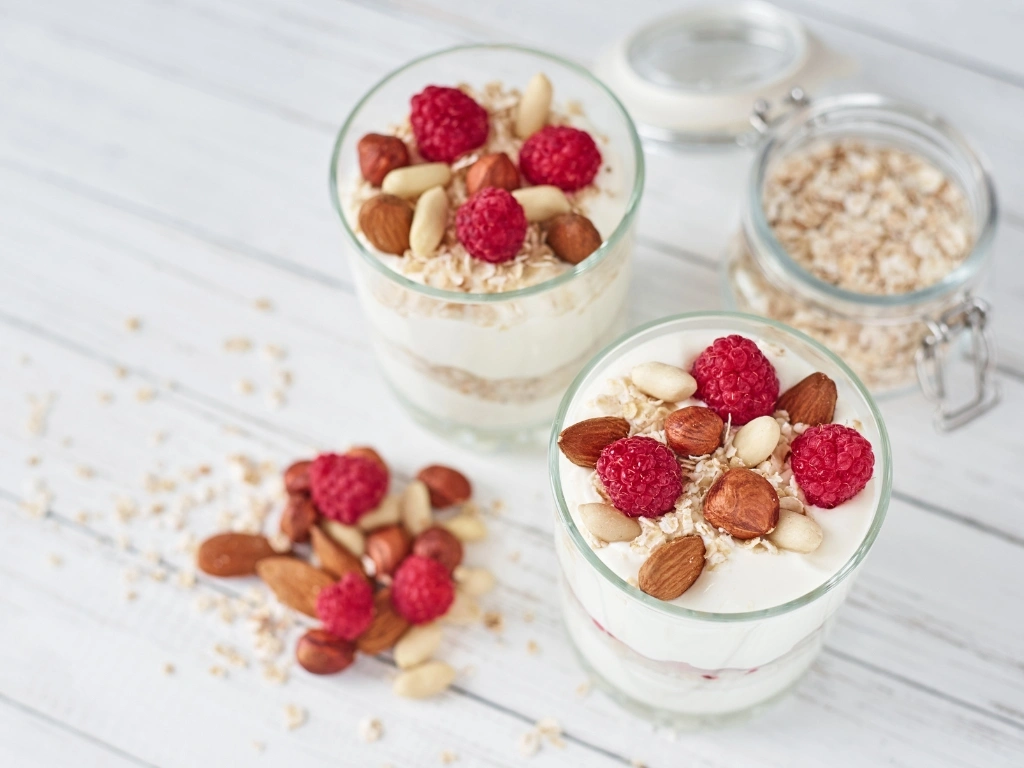
- Breakfast: Greek yogurt parfait with berries, oats, and almonds
- Lunch: Hummus, whole-grain pita, cucumbers, tomatoes, olives, and roasted red peppers
- Snack: Seasoned roasted chickpeas
- Dinner: Stuffed sweet potato with black beans, corn, avocado, and salsa

Day 3
- Breakfast: Peanut butter banana chia pudding
- Lunch: White bean and vegetable soup with whole-grain toast or breadsticks
- Snack: Apple slices with almond butter
- Dinner: Lentil and mushroom stuffed bell peppers with brown rice
Day 4
- Breakfast: Warm barley breakfast bowl with pears, cinnamon, and walnuts
- Lunch: Black bean quesadilla with avocado salsa and mixed greens
- Snack: Edamame with sea salt
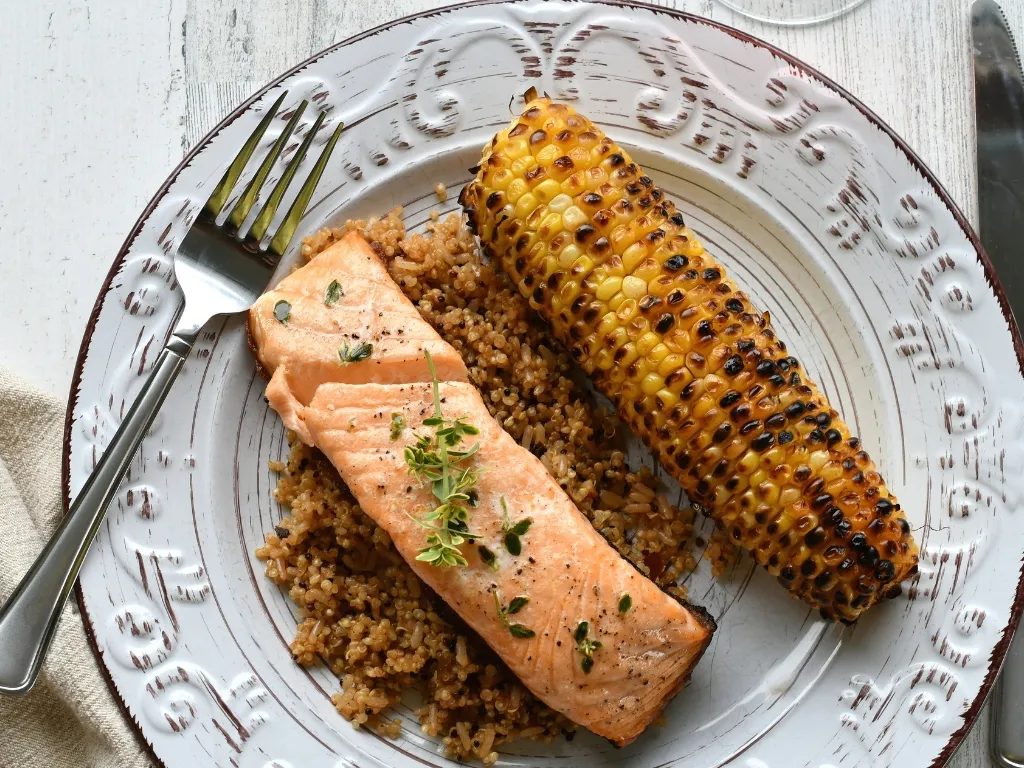
- Dinner: Grilled salmon with quinoa and charred corn on the cob

Day 5
- Breakfast: Berry oat smoothie with kefir and ground flaxseed
- Lunch: Chickpea salad pita pocket with lettuce, cucumber, and tomato
- Snack: Walnuts with orange slices
- Dinner: Whole-wheat pasta primavera with cannellini beans and roasted vegetables
Day 6
- Breakfast: Avocado toast with hemp hearts and tomato slices
- Lunch: Three-bean chili with side salad
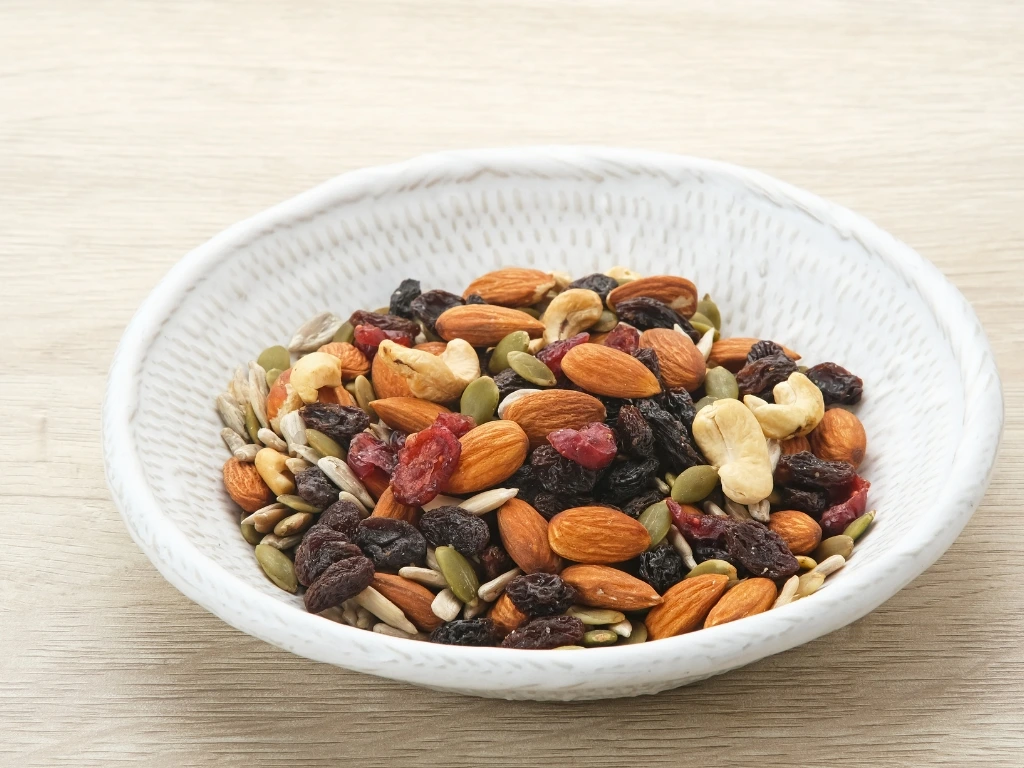
- Snack: Trail mix with almonds, pumpkin seeds, and dried fruit
- Dinner: Baked cod with farro pilaf and roasted Brussels sprouts

Day 7
- Breakfast: Baked oatmeal squares with apples and pecans
- Lunch: Farro salad with arugula, white beans, and lemon vinaigrette
- Snack: Yogurt with berries and chopped pistachios
- Dinner: Mushroom and lentil shepherd’s pie with green beans
How to customize this portfolio diet meal plan
The best version of a portfolio diet meal plan is one you can realistically follow and enjoy over a long period of time. Follow these tips to better align the diet with your own needs and preferences:
Rotate your plant proteins
There is no need to rely on the same protein source every day. Beans, lentils, chickpeas, edamame, tofu, and tempeh can all help contribute to the portfolio diet while adding variety to meals.
Try different nuts and seeds
Almonds are typically highlighted in portfolio diet research, but other nuts and seeds can also fit into the eating pattern. Consider rotating walnuts, pistachios, pecans, pumpkin seeds, chia seeds, or flaxseeds throughout the week.
Experiment with different whole grains
Oats are a key source of soluble fiber, but they are not the only option. Barley, farro, quinoa, brown rice, and whole-wheat pasta can add variety while supporting balanced and satisfying meals.
Adapt meals to your lifestyle
Simple substitutions based on your preferences, budget, cooking skills, and cultural food traditions can make the portfolio diet easier to maintain over time. Whether you prefer a vegetarian, vegan, pescatarian, or a more flexible eating pattern, the key is prioritizing the cholesterol-supportive foods that form the foundation of the diet.
Choose seasonal produce
Seasonal fruits and vegetables can help to keep meals interesting while making grocery shopping more affordable. Depending on what is available, fresh, frozen, and canned produce can all be nutritious options and make it easier to include a wider variety of plant foods throughout the week.
Build a cholesterol-friendly plate with guidance from Health Loft
One of the strengths of the portfolio diet is that it focuses on adding beneficial foods rather than following a long list of restrictions. Building meals around foods such as oats, beans, lentils, nuts, fruits, vegetables, and healthy fats can help create a heart-healthy eating pattern that feels practical and sustainable over time.
If you’re exploring how to lower cholesterol, the portfolio diet meal plan provided in this article can be a helpful starting point, but it’s not the only way to approach this eating pattern.
Depending on your individual health condition, medications taken, lifestyle factors, food preferences, and health goals, it may be best to seek a personalized nutrition plan that aligns the portfolio diet with what you actually need.
Finding an approach that works for your routine can be made easier with a registered dietitian who specializes in heart health. At Health Loft, our experts provide evidence-based nutrition guidance to help you make healthier choices and build sustainable habits for both heart function and overall health.
Schedule a consultation with a Health Loft dietitian to start working towards your cholesterol management goals.
This article was reviewed by Haleigh Mann, MS, RDN, LDN. It is intended for informational purposes only and does not replace personalized nutritional advice.