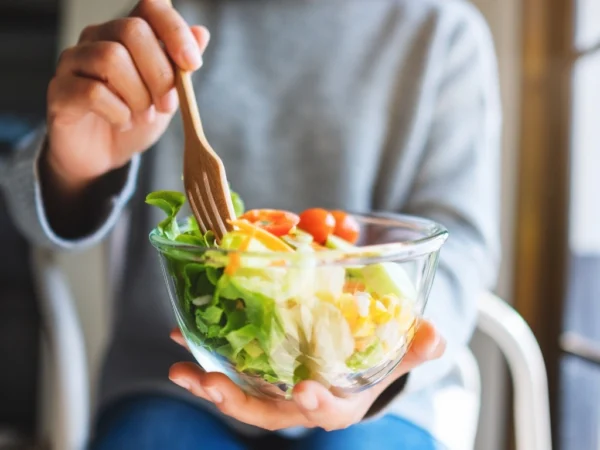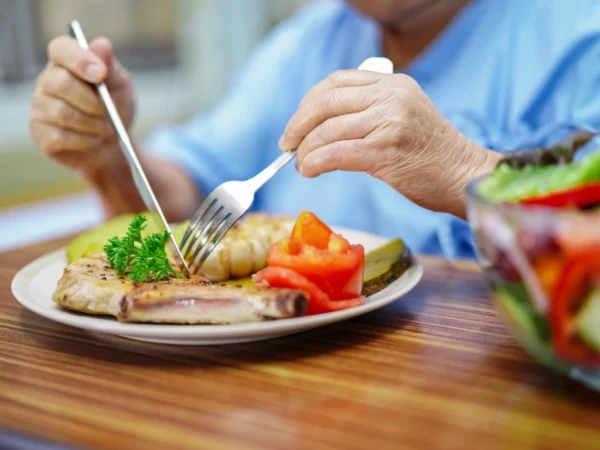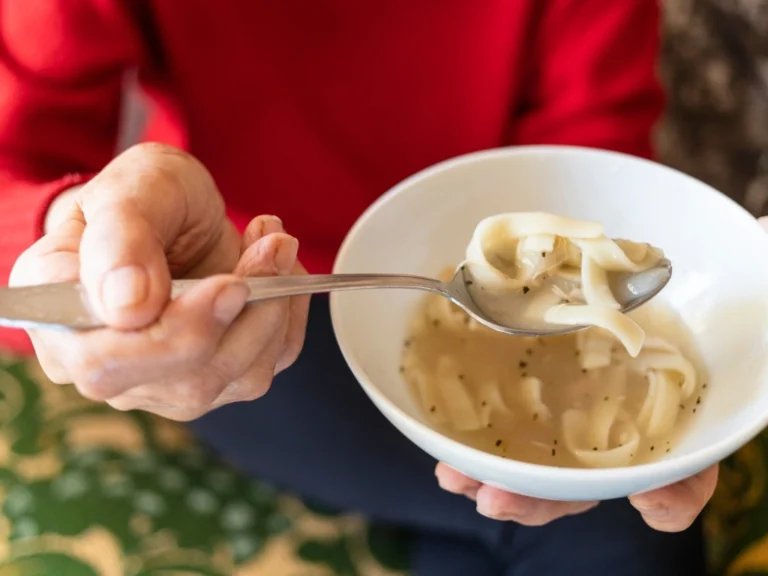









A soft food diet is designed to make eating more comfortable when chewing, swallowing, or digestion feels difficult. It’s often recommended during recovery from illness or surgery to minimize discomfort or irritation to the digestive tract that rough-textured foods may cause.
Although the name can sound limiting, it can still include a wide variety of balanced and satisfying meals. With the right preparation methods, many everyday foods can be modified to become easier to tolerate while still providing important nutrients like protein, fiber, healthy fats, vitamins, and carbohydrates.

What is the purpose of a soft food diet?
A soft food diet is meant to reduce strain on the mouth, throat, and digestive system while still supporting adequate nutrition. Unlike a liquid diet (which includes only liquids and drinkable foods) or a pureed diet (where foods are blended into a completely smooth texture), a soft food diet allows for more texture and variety. Foods are simply prepared in ways that make them easier to chew, swallow, and digest.
Soft food diets are commonly used after bariatric surgery, dental procedures, digestive flare-ups, or during recovery from temporary illnesses. Soft foods are also often included in texture-modified eating plans that address difficulties in chewing or swallowing, such as a dysphagia diet.
In some cases, softer meals may simply feel easier to tolerate during periods of fatigue, nausea, reduced appetite, or digestive discomfort.
What foods can you eat on a soft food diet?
Texture is usually the main focus of a soft food diet, which means many foods you already enjoy can still fit into your meals with a few adjustments in how they’re prepared.
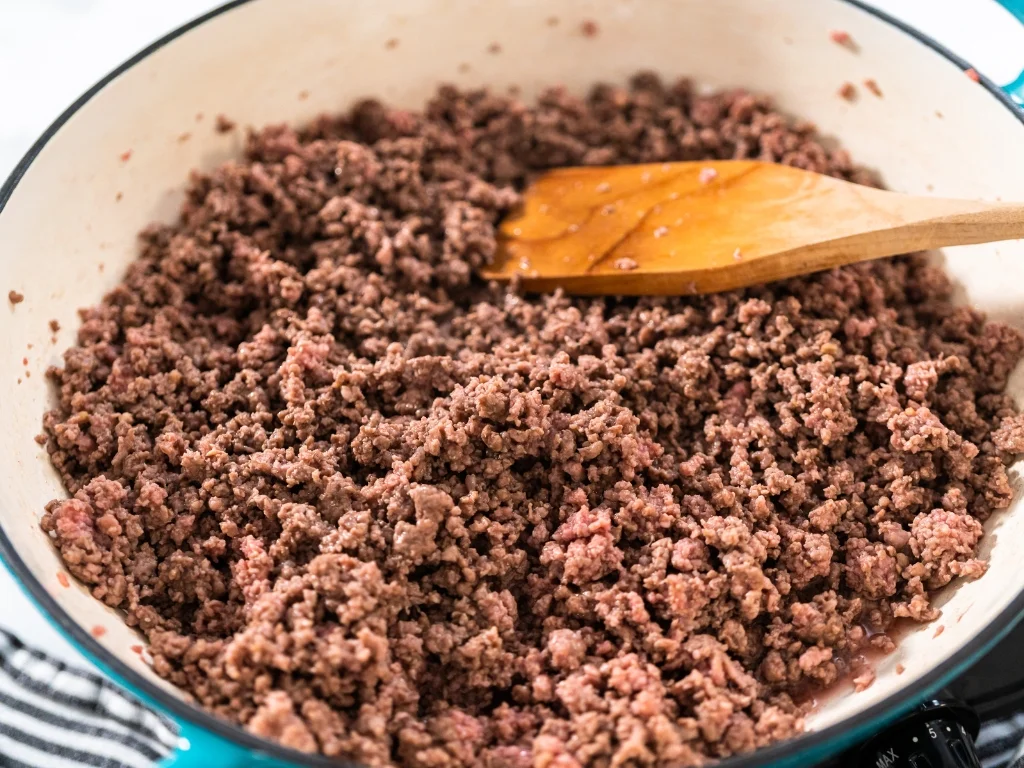
Protein foods
Protein is especially important during recovery because it supports healing, muscle maintenance, and overall nutrition. Softer protein options are often easier to tolerate than dry or heavily textured meats.
Reliable choices include:
- Scrambled or soft-boiled eggs
- Soft fish like salmon, tilapia, cod, or tuna
- Ground chicken, turkey, or lean beef
- Shredded slow-cooked chicken
- Soft tofu or silken tofu
- Greek yogurt
- Cottage cheese
- Protein shakes or smoothies
- Ricotta cheese
- Soft turkey meatballs or meatloaf
Fruits and vegetables
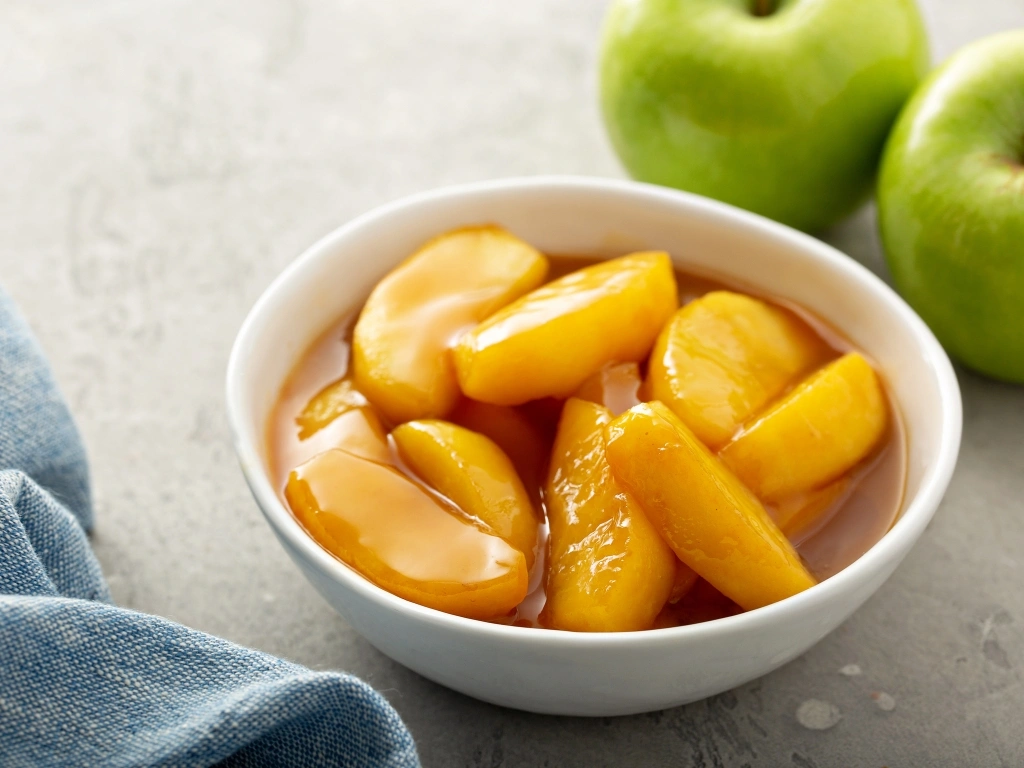
Fruits and vegetables are also ideal to include in your diet at this stage, as they provide fiber, vitamins, and minerals. Keep these foods gentle on digestion by choosing naturally soft options or exploring different preparation methods like peeling, steaming, roasting, or stewing to improve their texture.
Reliable choices include:
- Bananas
- Avocados
- Stewed apples or pears
- Canned peaches or fruit packed in juice
- Squash
- Pumpkin
- Zucchini
- Spinach
- Well-cooked carrots
- Eggplant
- Roasted sweet potatoes
- Cooked green beans
- Soft mushrooms
Carbohydrates and grains
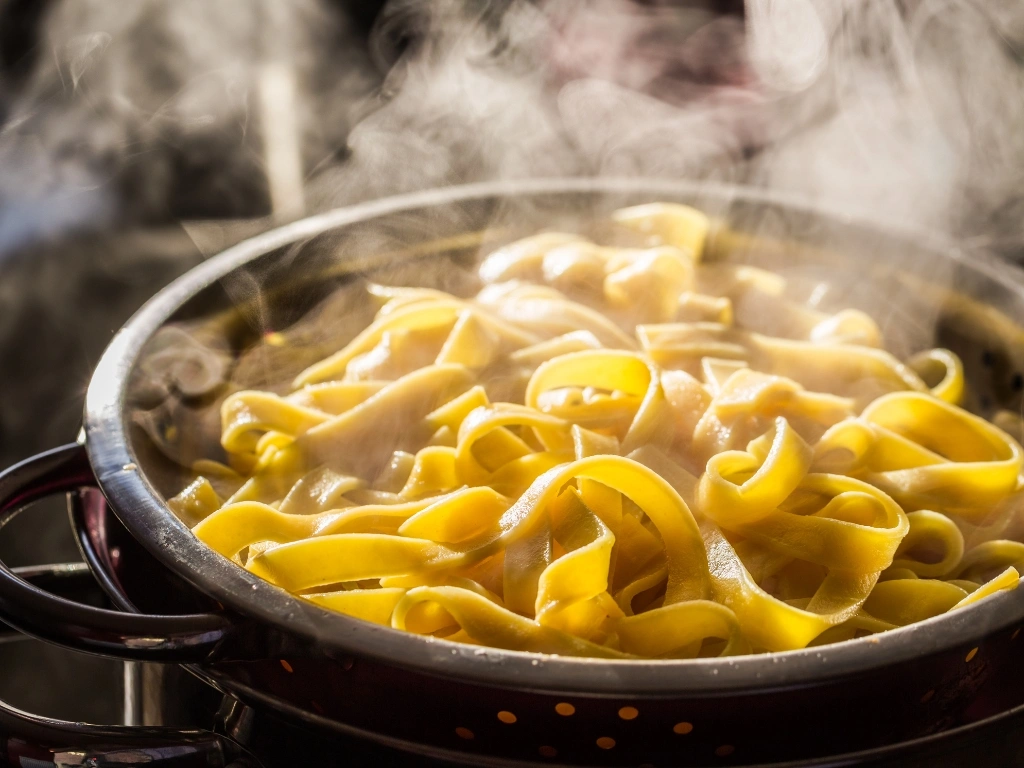
Soft carbohydrates can help provide energy and make meals feel more filling during recovery. In many cases, moisture and texture matter more than the type of carbohydrate itself.
Reliable choices include:
- Oatmeal
- Rice
- Mashed potatoes or mashed sweet potatoes
- Soft pasta with sauce
- Quinoa
- Cream of wheat or grits
- Soft bread or pancakes, if tolerated
- Rice porridge or congee
- Polenta
- Soft noodles
Healthy fats and softer add-ons
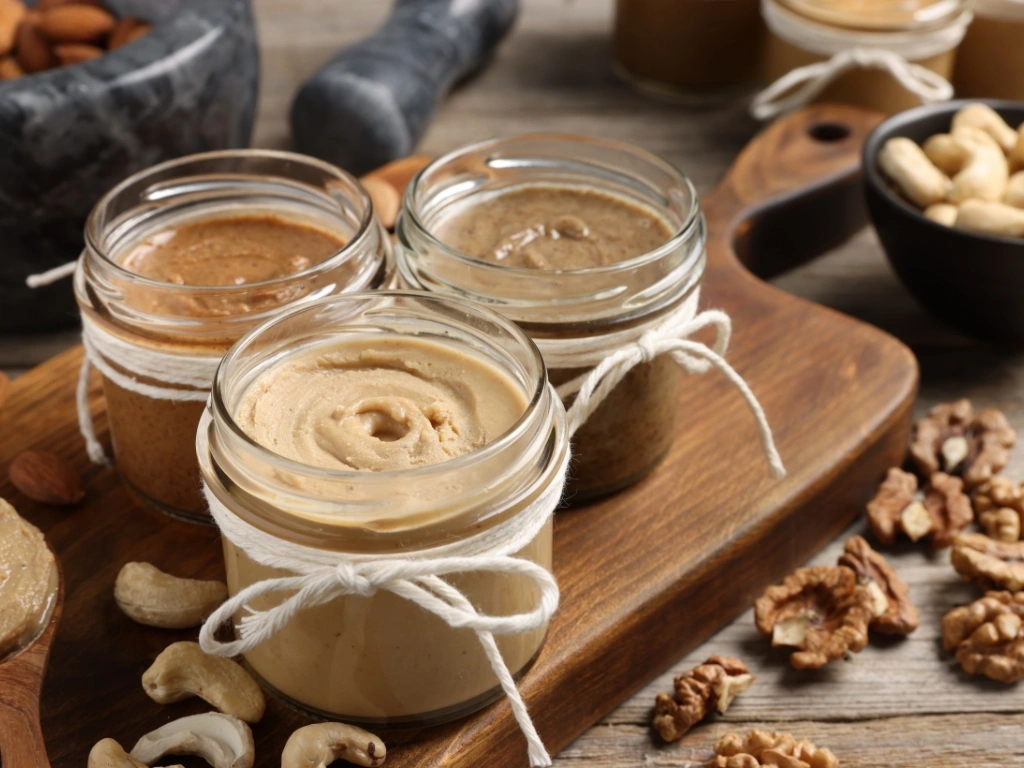
Healthy fats and softer toppings can add calories, texture, flavor, and moisture to meals, which may help improve comfort and make foods easier to tolerate.
Reliable choices include:
- Avocado
- Olive oil
- Nut butters
- Soft cheeses
- Hummus
- Mild sauces and broths
- Gravy or cream sauces
- Tahini
- Butter in small amounts
- Mashed avocado spreads
What foods may be more difficult to tolerate?
Foods that are dry, tough, crunchy, sharp, sticky, or heavily textured may cause discomfort or irritation for some people, especially during early recovery. Depending on your condition and tolerance, these foods may irritate the digestive tract, require more chewing effort, or increase difficulty with swallowing.
Examples of foods that may be harder to tolerate include:
- Tough or chewy meats like steak or jerky
- Crunchy foods such as chips, popcorn, or hard crackers
- Whole nuts and seeds
- Raw vegetables or tougher salad greens (like kale)
- Dry bread, toast, or dense baked goods
- Spicy, greasy, or heavily fried foods
- Sticky foods that may be harder to swallow, such as thick peanut butter or chewy candies
Tolerance can vary widely from person to person. Some may be able to gradually reintroduce these foods sooner, while others may need more time to acclimate to certain textures again.
Easy soft food diet ideas you can try
Being on a soft food diet shouldn’t stop you from planning meals that are balanced and flavorful while being gentle on the gut. All it takes is a little variety in the ingredients and preparation methods you use.
Here’s an example of a simple one-day soft food meal plan to get you started:
- Breakfast: Cream of wheat with stewed apples and cinnamon
- Lunch: Soft-baked ziti with ricotta and ground turkey
- Snack: Cottage cheese with soft pear slices
- Dinner: Tender turkey meatballs with polenta and wilted spinach
You can also rotate different proteins, grains, fruits, vegetables, and sauces throughout the week to help prevent meals from feeling overly restrictive.
How do you transition off of a soft food diet?
Returning to regular foods after a soft food diet usually involves slowly rebuilding tolerance for firmer textures. This process can appear differently for each individual depending on why the diet was initially necessary, how well recovery is going, and which foods feel comfortable to eat.
Rather than rushing back into solid foods, it’s often more helpful to progress gradually and pay attention to how your body responds along the way.
Gradually reintroduce texture
Start with foods that are slightly firmer before moving into crunchy, dry, or tough textures. Cooking methods such as steaming, slow-cooking, shredding, and/or adding sauces and broth may help make foods easier to tolerate during this transition.
Pay attention to tolerance and discomfort
As you add more texture, be sure to pay attention to how foods settle after eating. Fullness, discomfort, bloating, irritation, coughing while eating, or the sensation of food “getting stuck” may be signs that a texture is still too difficult to tolerate.
Keeping meals simple at first can make it easier to identify which foods work best for you.
Eat slowly and chew thoroughly
Try taking smaller bites, chewing thoroughly until the food feels soft before swallowing, and avoiding large mouthfuls. Some people may benefit from chewing each bite 15 to 30 times, depending on the food’s texture.
It may also help to avoid distractions during meals so that you can better recognize cues of fullness and discomfort.
Avoid rushing through meals
Eating too quickly may increase discomfort and make digestion more difficult. It may help to pause between bites and give your body time to respond before continuing to eat. Some people may tolerate meals better when eating over at least 20 to 30 minutes rather than finishing quickly.
Recovery timelines can vary
It’s important to note that not everyone will recover from procedures at the same time. While some people may only need a soft food diet for a few days or weeks after dental work or illness, others recovering from surgery, digestive conditions, or swallowing difficulties may follow texture-modified eating plans for months or longer.
In some cases, certain texture adjustments may become part of long-term eating habits depending on individual needs and tolerance.
However, if you experience any of the following, it’s important to speak with your physician or healthcare team for further evaluation and guidance.
- Ongoing nausea or vomiting
- Difficulty swallowing
- Dehydration
- Persistent discomfort after eating
- Trouble progressing food textures
- Unintended weight loss
- Concerns about meeting your nutritional needs
Get practical nutrition support during recovery with Health Loft
Following a soft food diet can help make eating feel more comfortable during recovery, but maintaining balanced nutrition remains important. Even when textures need to be modified, meals can still include nourishing sources of protein, carbohydrates, healthy fats, fruits, and vegetables that support healing, energy, and overall well-being.
Because tolerance and recovery tend to vary from person to person, personalizing your approach may be essential. Some people may tolerate texture changes quickly, while others may need more time, depending on their condition, symptoms, medical history, food preferences, appetite, and nutritional needs.
Paying attention to how foods feel after eating and adjusting textures, portion sizes, or preparation methods can help you find what works best at different stages of your recovery. Working with a registered dietitian specialized in bariatric care makes this process much more straightforward.
At Health Loft, our experts provide practical support beyond simply choosing “soft” foods. We can help you create balanced meals, identify strategies to improve comfort and nutrition intake, safely progress food textures, and adjust your approach as your recovery changes over time.
With individualized guidance on proper nutrition, you feel supported not only during recovery but also long-term. Book a consultation with Health Loft today.
This article was reviewed by Haleigh Mann, MS, RDN, LDN. It is intended for informational purposes only and does not replace personalized nutritional advice.