









Inflammation is often misunderstood in nutrition, especially online, where single foods are sometimes claimed to “fix” or “cure” the condition. In reality, inflammation is a normal biological process, and the goal is not to eliminate it completely, but to support the body in keeping it balanced over time.
No single food can remove inflammation on its own. Instead, certain foods can contribute to a more supportive eating pattern by providing nutrients like antioxidants, polyphenols, and omega-3 fatty acids. These compounds are associated with helping the body manage oxidative stress and maintain normal inflammatory responses.

How can food affect inflammation in the body?
Inflammation is a normal part of the body’s healing process. What not a lot of people know is that inflammation can be either of two types. Acute inflammation is a short-term, immediate response to injury or infection. This type usually settles once the issue is resolved. Chronic inflammation, on the other hand, persists over time and has been linked to conditions such as heart disease, type 2 diabetes, and other metabolic concerns.
Diet can influence inflammation, but it’s the overall eating pattern that matters most, not the individual foods consumed. Eating regularly from whole, minimally processed foods like fruits, vegetables, whole grains, and healthy fats is generally associated with a more balanced inflammatory response. Meanwhile, highly processed, low-fiber diets may contribute to imbalance when followed long-term.
It’s also worth noting that food is only one part of the picture. Lifestyle factors like sleep, stress levels, and regular physical activity all affect how the body manages inflammation.
8 best anti-inflammatory foods to include regularly
While no single food can “turn off” inflammation, regularly incorporating a variety of the following foods into an overall balanced, nutrient-rich diet may help support long-term health.
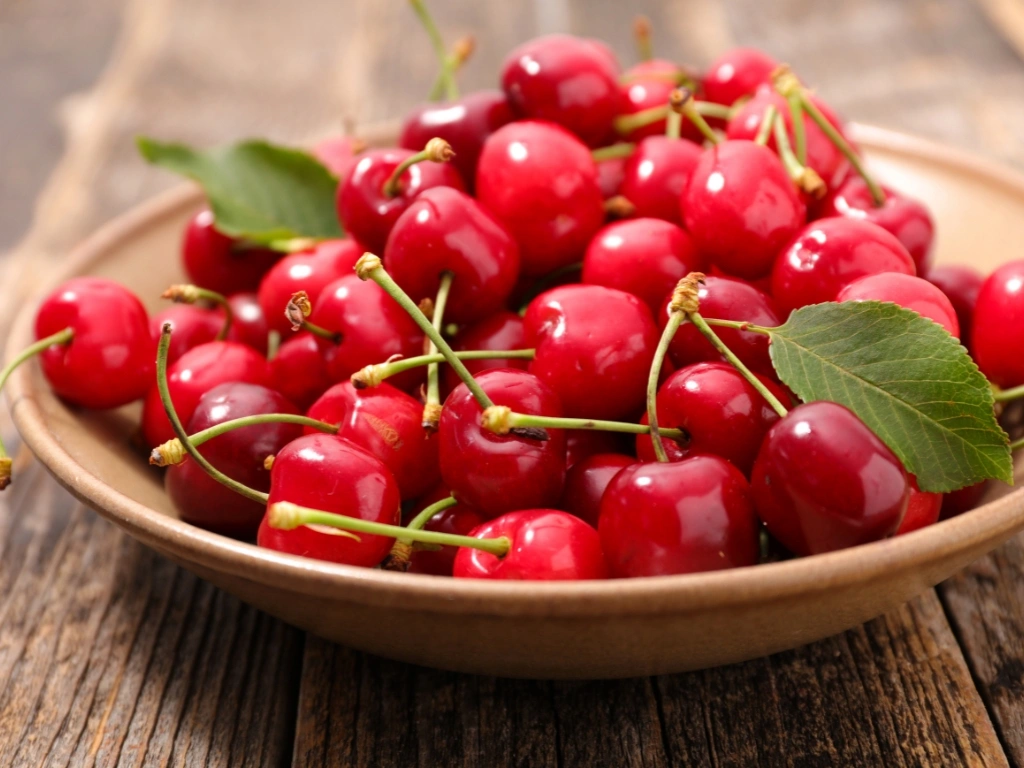
1. Tart cherries
Tart cherries are rich in polyphenols, especially anthocyanins, which give them their deep red color and antioxidant properties. These compounds are often studied for their role in supporting recovery and reducing oxidative stress in the body. Cherries can be enjoyed fresh, frozen, or as unsweetened juice in moderation.
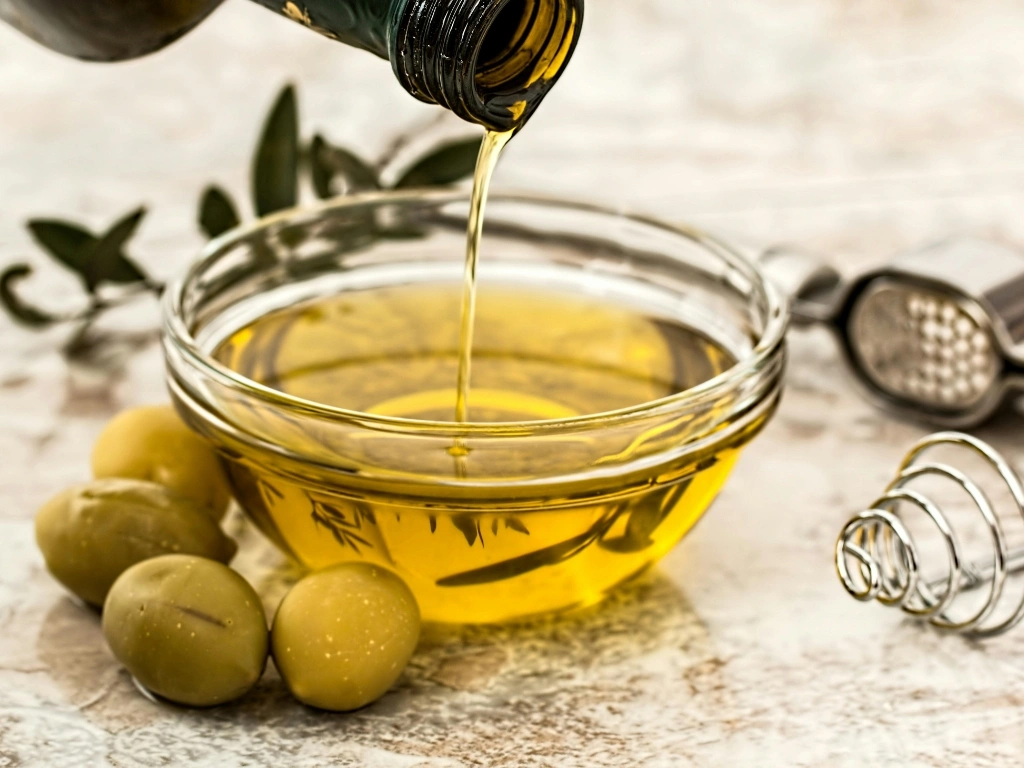
2. Extra virgin olive oil
Extra virgin olive oil is a staple in many dietary patterns associated with good health, one of which is the Mediterranean diet. It’s primarily made up of monounsaturated fats, which support heart health, along with naturally occurring polyphenols that contribute to its overall nutritional value. Use olive oil regularly in cooking or drizzle it on salads and roasted vegetables.
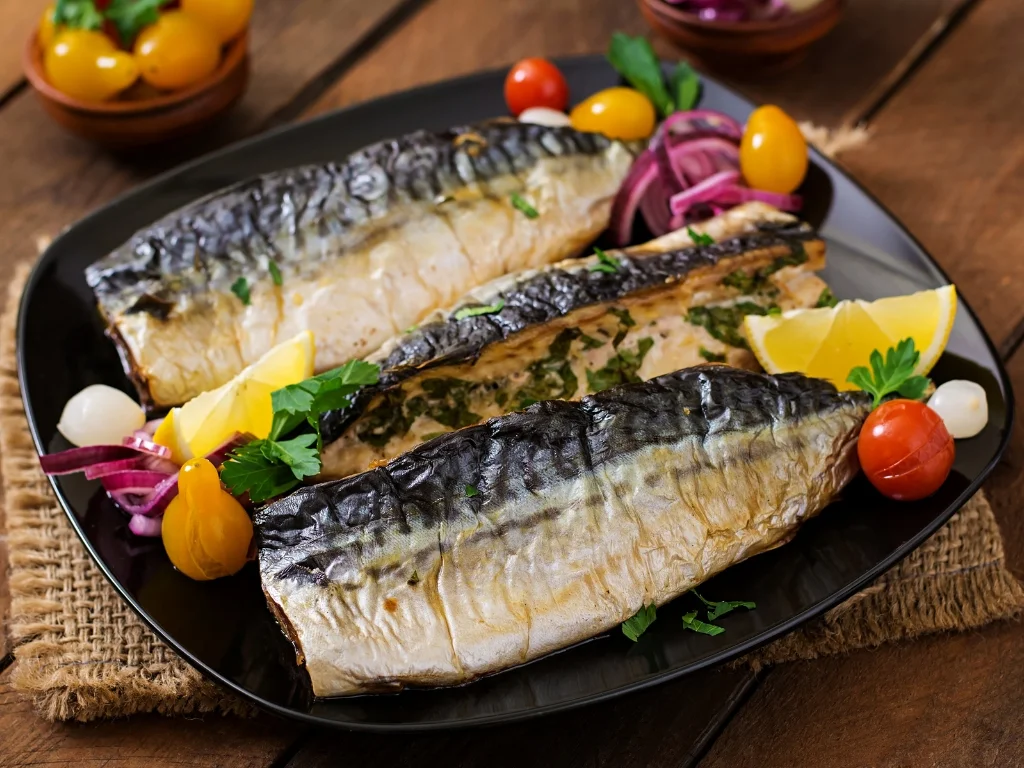
3. Fatty fish
Small fatty fish like sardines, mackerel, and anchovies are excellent sources of omega-3 fatty acids. These fats play an important role in supporting normal inflammatory processes and cardiovascular health. They also provide high-quality protein, vitamin D, and calcium when eaten with their bones.
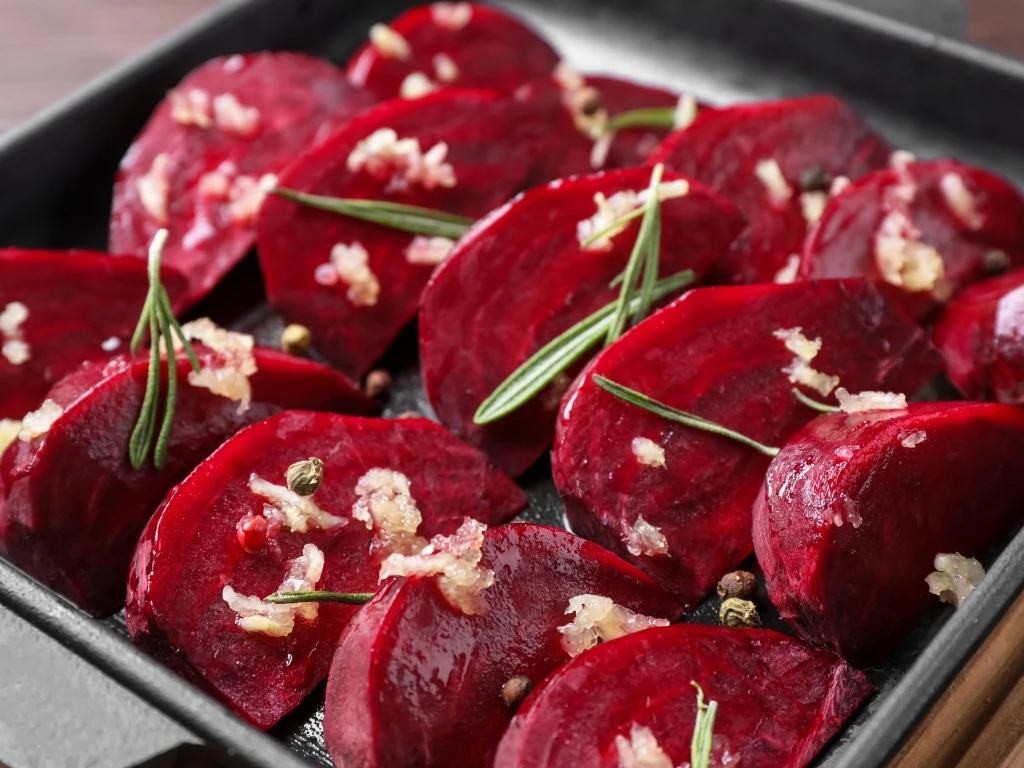
4. Beets
Beets contain betalains, natural plant pigments with antioxidant properties that may help the body manage oxidative stress. They’re also a source of dietary nitrates, which can support healthy blood flow and circulation. Roasting, blending, or adding beets to salads makes them easy to include in meals.
5. Turmeric
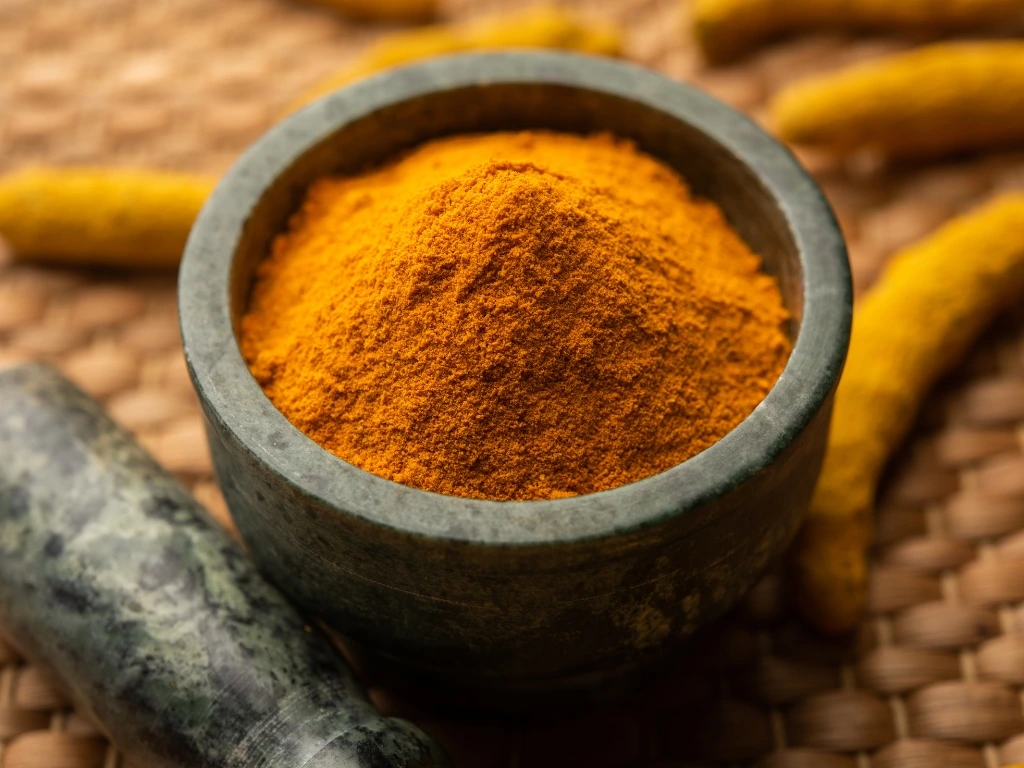
Turmeric contains curcumin, a compound studied for its antioxidant and anti-inflammatory properties. It’s important to note that curcumin is not easily absorbed on its own. Research shows that pairing turmeric with black pepper can significantly improve its bioavailability, making it more effective as part of a meal.
6. Bitter greens
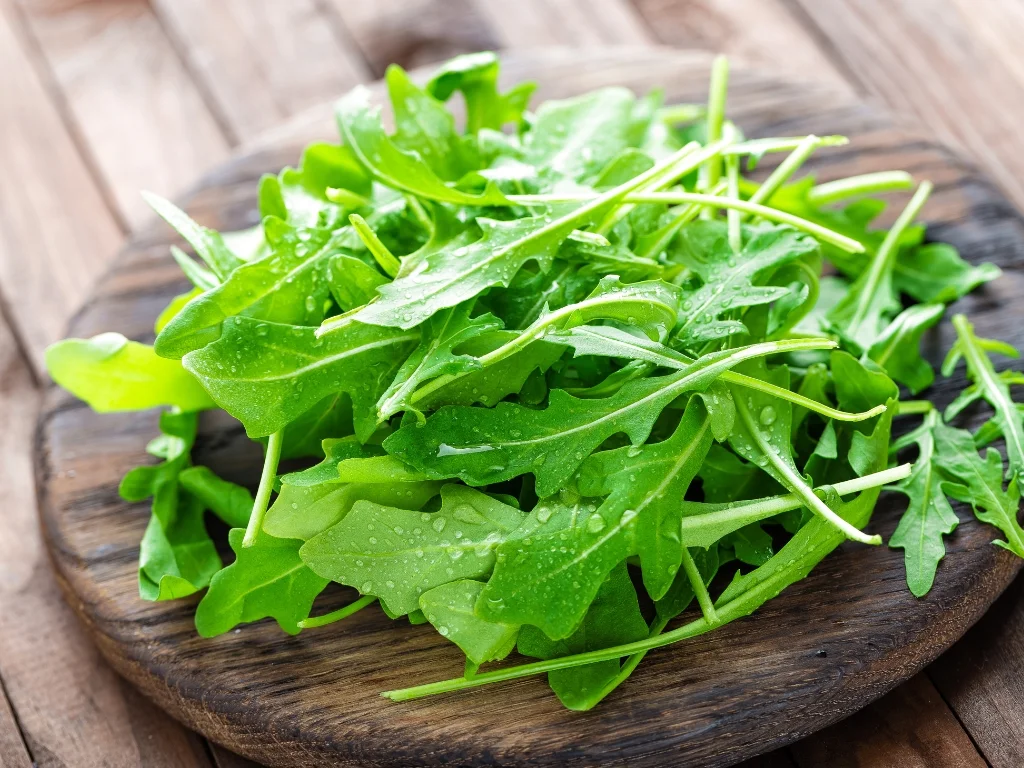
Arugula, kale, dandelion greens, and other bitter leafy vegetables are rich in fiber, vitamins, and plant compounds. Their slightly bitter taste reflects the presence of phytochemicals that contribute to their antioxidant potential. Regularly eating leafy greens is also consistently linked with better metabolic and cardiovascular health.

7. Dark chocolate (70%+ cocoa)
Dark chocolate contains flavonoids that support antioxidant activity and blood vessel health. Choosing chocolate with at least 70% cocoa ensures a higher concentration of these compounds. On the other hand, high-sugar chocolate can be inflammatory when eaten frequently, as added sugars can offset some of the benefits.
8. Bell peppers
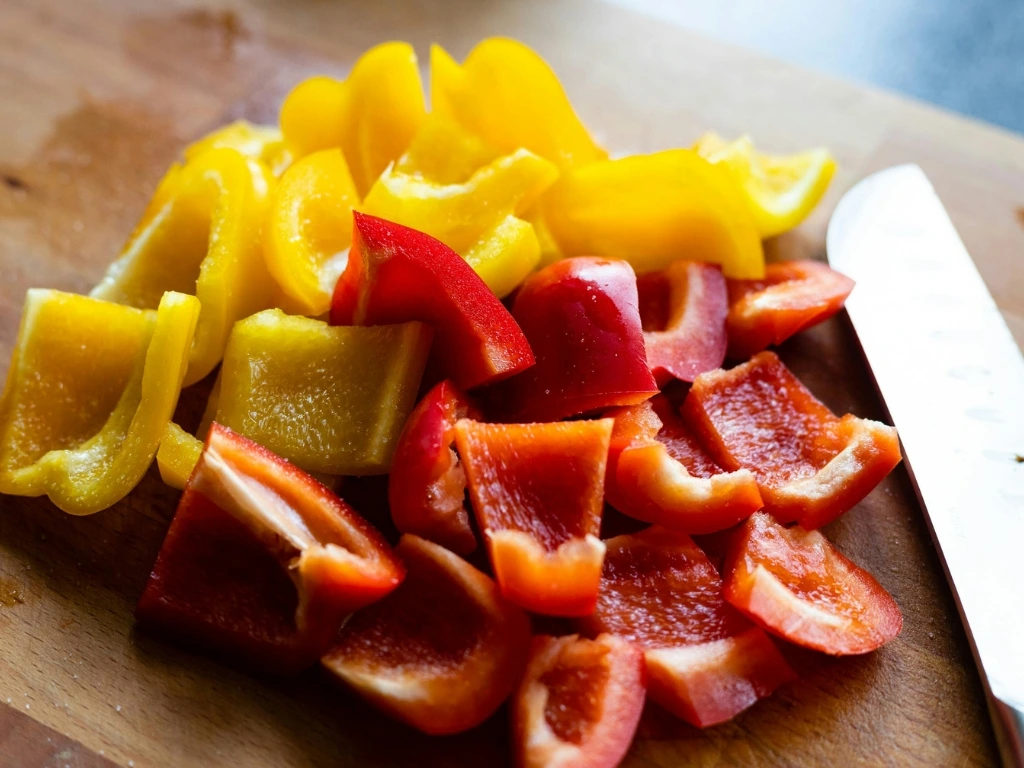
Bell peppers also contain natural anti-inflammatory plant compounds, along with vitamins C and A. Together, these nutrients help support the body’s ability to manage oxidative stress. Bell peppers are versatile and can be eaten raw, roasted, or added to a wide range of dishes.
How to build meals with anti-inflammatory foods
You don’t need to overhaul your entire diet to include anti-inflammatory foods. A more practical approach is to gradually build them into everyday meals by combining a few nutrient-dense ingredients, rather than focusing on perfection or individual “superfoods.”
Here are some easy tips to follow:
Add one or two foods per meal
Start small by including just one or two anti-inflammatory foods in each meal, rather than trying to include everything at once. For example, adding berries to breakfast or leafy greens to lunch is often enough to meaningfully improve overall diet quality over time.
Know what types of food to prioritize
Balanced meals that combine healthy fats, fiber, and protein tend to be more satisfying and help maintain steady energy levels. This approach naturally supports a balanced eating pattern because it brings together nutrient-dense whole foods. Think of it as building a plate that includes multiple food groups rather than relying on a single ingredient.
Mix and match ingredients
Simple meal combinations can make it easier to apply these principles in real life. For example, yogurt with cherries and seeds provides protein, antioxidants, and healthy fats. A salad with arugula and olive oil combines fiber-rich greens with beneficial fats. Fish with roasted vegetables offers omega-3s, fiber, and a variety of micronutrients in one balanced meal.
Discover a way of eating that fully supports your body
At its core, anti-inflammatory eating is all about building consistent habits that support your body long-term. Variety and overall diet quality matter more than any individual ingredient.
Because everyone’s needs and preferences differ, the most effective approach is one you can stick with. Even when focusing on the best anti-inflammatory foods, overly rigid rules can make healthy eating patterns harder to maintain, especially if they limit enjoyment or flexibility.
Working with a registered gut-health dietitian from Health Loft can help you create a practical, personalized plan that balances your preferences with your health goals. While we take a food-first approach, our experts also consider other important factors, including stress levels, sleep quality, physical activity, and overall lifestyle. This ensures your nutrition strategy is well-aligned with your broader health needs and daily reality.
Ultimately, our goal is to build an approach that feels sustainable, supportive, and aligned with how you want to live. Book your first Health Loft consultation today.
This article was reviewed by Adrienne DePaul, MS, RDN. It is intended for informational purposes only and does not replace personalized nutritional advice.