









In modern diets, more familiar flavors like sweet and umami tend to dominate, leaving very little room for bitter foods. The truth, however, is that bitter compounds may help support digestion by triggering signals in your digestive system, which can help your body prepare to break down food. Given the importance of gut health for overall wellness, it may be fair to say that bitter foods may deserve a spot at daily meals.
Although they’re an acquired taste, incorporating them into your diet doesn’t really require drastic changes. Starting small and gradually — like leafy greens, herbs, or teas — already counts toward better health, while allowing your taste preferences to adapt over time.

How bitter foods naturally support digestion
Bitter foods may support digestion by activating taste receptors that trigger digestive responses throughout the gut. This is why bitters have long been used for digestion-related purposes.
A 2024 review explains that bitter compounds stimulate the mucous membranes in the mouth, prompting saliva production and signaling the brain to initiate digestive activity. This reflex can increase gastric juice (stomach acid) secretion and bile flow, both important for breaking down food.
This is supported by a study on gastrointestinal function from 2021, which found that bitter substances can activate receptors in the digestive tract, influencing gut hormones and motility, though human evidence remains limited and variable.
These mechanisms may help support more efficient digestion and nutrient absorption, without guaranteeing specific outcomes.
Other potential health benefits of bitter foods
Bitter foods may also contribute to broader metabolic and overall health, though it’s worth noting that much of the evidence comes from laboratory or early-stage studies.
Metabolic health support
Some bitter compounds are being studied for their potential effects on blood sugar, fats, and weight. For example, bitter melon contains compounds (like momordicine) that, in cell and animal studies, appear to support insulin secretion and fat metabolism. Similarly, citrus peel compounds such as tangeretin have shown potential to improve insulin sensitivity in experimental settings. While promising, these findings don’t yet translate directly into guaranteed benefits in everyday diets.
Anti-inflammatory potential
Certain bitter plant compounds — like oleuropein (from olive leaves) and chlorogenic acid (found in coffee and some fruits) — have demonstrated anti-inflammatory effects in controlled studies. They may help regulate pathways linked to inflammatory responses.
Antioxidant and protective effects
Many bitter foods are rich in polyphenols, including flavonoids, which can help neutralize oxidative stress. This may play a role in protecting cells over time, supporting long-term health as part of a balanced diet.
8 bitter foods to include in your meals
A wide range of plant-based foods naturally contain bitter compounds, making it possible to include a variety of options in your daily meals rather than relying on a single bitter food.
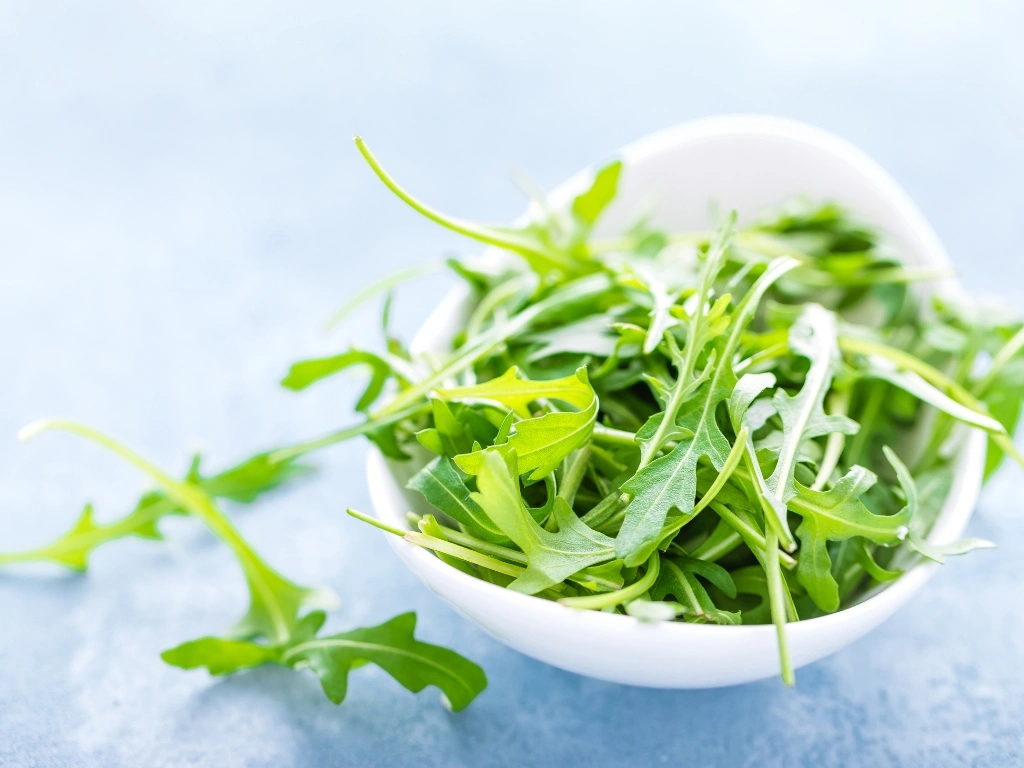
1. Leafy greens
Green leafy vegetables like arugula, kale, broccoli rabe, and dandelion greens are classic examples of bitter foods. They contain plant compounds — such as polyphenols, flavonoids, and other phytochemicals — linked to antioxidant and anti-inflammatory activity. These potent antioxidants, working alongside prebiotic fibers, vitamins, and other key minerals, support gut health and overall metabolic function.
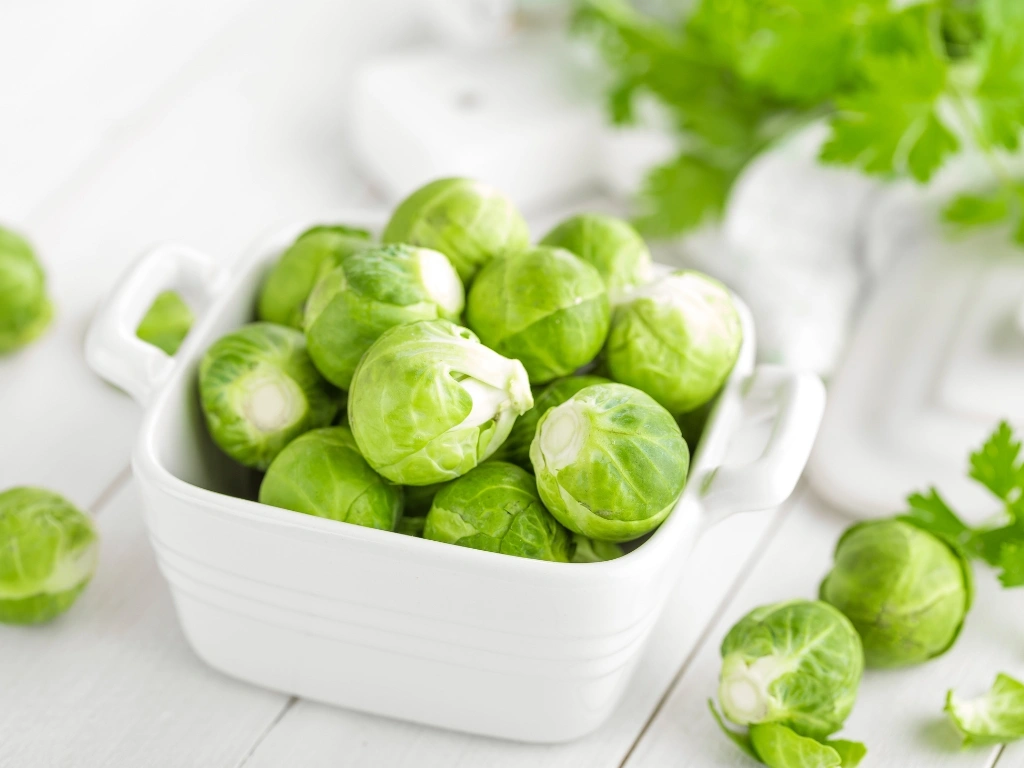
2. Cruciferous vegetables
Broccoli, Brussels sprouts, and related vegetables contain glucosinolates, which are compounds responsible for their slightly bitter taste. These have been widely studied for their potential roles in supporting antioxidant defenses and modulating inflammation, although individual responses can vary based on factors like digestion and gut microbiota.

3. Herbs and roots
Chicory root, mint, and peppermint are common bitter herbs. Chicory provides chlorogenic acid, while mint and peppermint contain menthol and other plant compounds studied for antioxidant and digestive support. They can be used in teas, meals, or as natural flavoring.

4. Citrus peel or zest
The peel of citrus fruits (like orange, lemon, and grapefruit) is especially rich in bitter flavonoids such as naringenin and quercetin. These compounds contribute to antioxidant activity and may play a role in metabolic health, making zest a simple addition to meals.
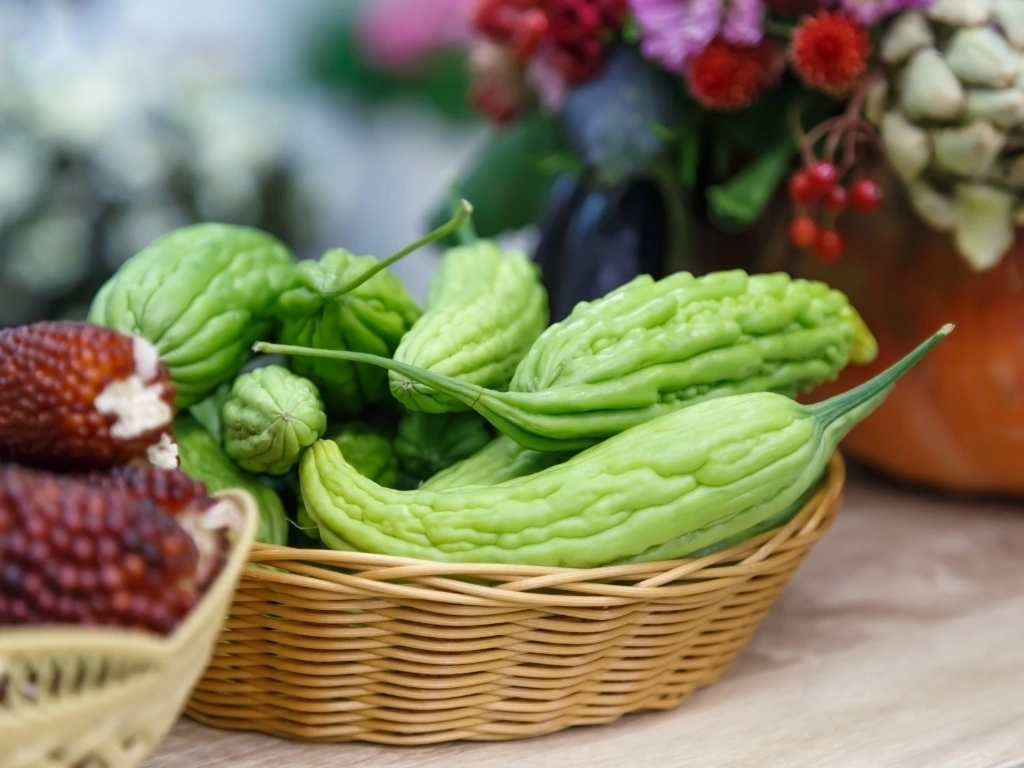
5. Bitter melon
Often used in Asian cuisines, bitter melon stands out for its dense mix of bioactive compounds, including alkaloids and peptides. Research suggests bitter melon is good for supporting blood sugar balance and fat metabolism in experimental settings, though consistent human evidence is still developing.

6. Dark chocolate (high cacao)
Dark chocolate with a high cocoa content (typically 70% or more) contains bitter alkaloids like theobromine and beneficial polyphenols such as catechins. These compounds contribute to its characteristic bitterness and antioxidant potential.

7. Coffee
Coffee is a well-known source of bitter alkaloids — particularly caffeine — and polyphenols like chlorogenic acids, both of which help promote beneficial gut bacteria, strengthen the intestinal barrier, and reduce inflammation, oxidative stress, and risk of obesity.
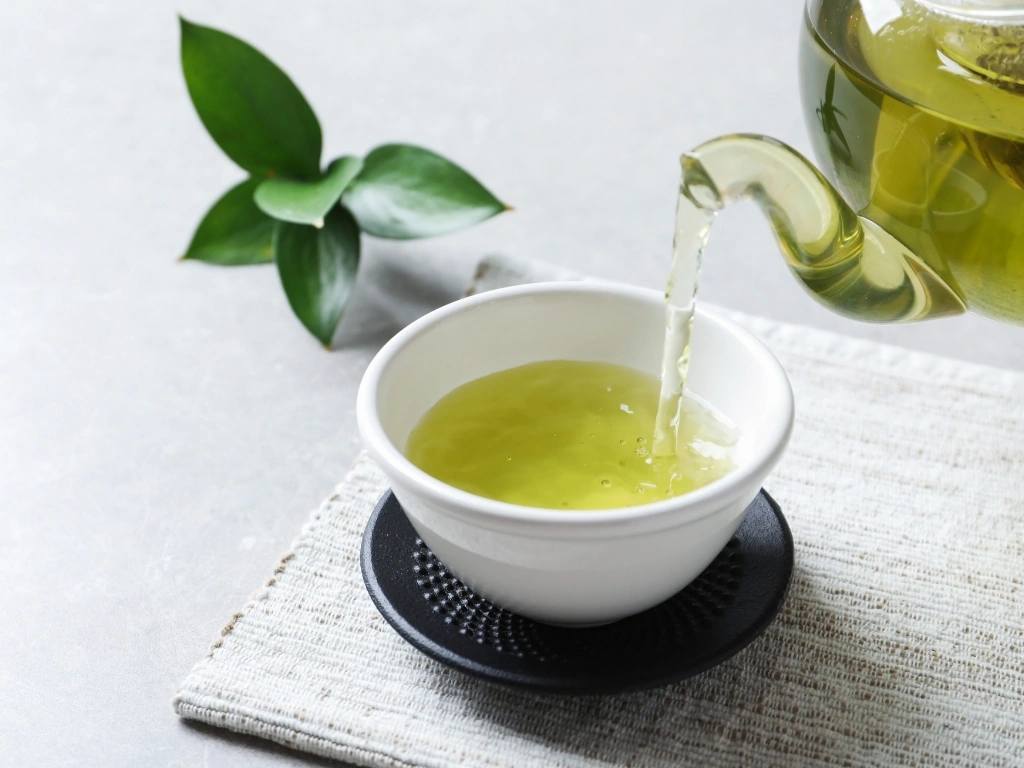
8. Green tea
Green tea provides a mix of bitter compounds, including catechins, rutin, and small amounts of caffeine. These contribute to its slightly astringent taste and have been studied for roles in inflammation and oxidative balance.
Simple ways to incorporate bitter foods into your daily routine
Most people adapt to foods that are bitter gradually over time. Here’s how you can get started:
Mix bitter greens with milder vegetables
Start by combining small amounts of bitter greens like arugula or kale with milder options such as lettuce or spinach. This softens the flavor while still introducing beneficial plant compounds. Over time, you can slowly increase the proportion as your taste adjusts.
Pair with healthy fats
Healthy fats, like olive oil, avocado, or nuts, can help balance bitterness and improve overall flavor. They may also support the absorption of fat-soluble nutrients found in many plant foods.
Use cooking methods to reduce intensity
Light cooking techniques, such as steaming, can mellow the sharpness of bitter vegetables like broccoli or Brussels sprouts. This makes them more approachable while still preserving many of their beneficial compounds.
Add to smoothies or teas
Blending greens into smoothies or choosing beverages like green tea can be an easy, lower-intensity way to include bitter flavors in your routine.
Taste preferences are flexible. Introducing these foods gradually and adjusting based on what you enjoy can make the process more sustainable. If needed, a registered dietitian can help tailor choices to your preferences and health goals.
Build a digestion-supportive diet with support from a Health Loft dietitian
Including bitter foods in your meals can be a helpful step, but it’s just one part of building a balanced, digestion-supportive diet. Instead of relying on just one food group, it’s more crucial to observe variety and ensure you’re getting many of the nutrients offered by different foods, from vegetables, fruits, and whole grains to healthy fats and lean proteins.
It’s also important to personalize your approach. Some people naturally enjoy bitter flavors, while others may need to introduce them slowly based on taste preferences and tolerance. Listening to your body and adjusting portions or preparation methods can help make these foods more enjoyable, effective, and easier to sustain.
Working with a registered dietitian from Health Loft can make this process simpler. With individualized guidance that strikes a balance between what you want and actually need, we can help develop a food-first plan that genuinely supports your well-being. Reach out to a Health Loft dietitian to start receiving tailored nutrition support.
This article was reviewed by Katie Whitson, RD, LD. It is intended for informational purposes only and does not replace personalized nutritional advice.