









Most people think that managing type 2 diabetes comes with strict food rules. The truth is, it doesn’t always have to be so limiting or complicated. What helps most when planning meals for diabetes management is a steady routine: keep meals balanced, portions predictable, and foods supportive of stable blood sugar levels.
In this guide, you’ll find a simple seven-day diabetes-friendly meal plan that provides realistic breakfast, lunch, dinner, and snack ideas to make your week easier and help you stay on track without overthinking what to eat.

How to plan meals for diabetes
Planning meals for diabetes shares a similar core approach to diets for managing prediabetes. You can achieve the right balance for each meal by observing what’s called the Diabetes Plate Method:
- Fill half of your plate with non-starchy vegetables
- Cover a quarter with lean protein
- Allot the remaining quarter to healthy carbohydrates
The main difference is that managing diabetes usually needs a bit more attention to meal timing, carbohydrate intake, and blood sugar responses day to day.
What to eat for type 2 diabetes: a 7-day meal plan
Based on this portion guide, the following meal examples — all good for type 2 diabetes — can be used as a starting point for planning your own meals.

Day 1
- Breakfast: Open-faced sandwich with 1 hard-boiled egg, slices of lean chicken or turkey, tomatoes, cream cheese, and 1 slice of whole-grain toast, served with a side of 1 cup of vegetables (sautéed spinach, tomatoes, mushrooms)
- Lunch: 90g roast beef on 1 small croissant (or whole-grain wrap) served with a side of 2 cups salad greens
- Dinner: Stuffed poblano peppers (1.5 cups poblano + mixed veggies with 90g ground meat) served on top of ½ cup cooked brown rice
- Snack: 1 small apple, sliced, with 1 tbsp peanut butter

Day 2
- Breakfast: ¾ cup Greek yogurt with 1 cup mixed berries, ¼ cup oats or granola, and 1 tbsp chia seeds
- Lunch: 90–120g grilled chicken salad with 2 cups mixed greens, ½ cup quinoa, and olive oil
- Dinner: 100g baked salmon with 1.5 cups steamed broccoli and ½ cup quinoa
- Snack: ½ cup cottage cheese with ½ cup cucumber

Day 3
- Breakfast: Miso soup with 90g tofu and 1 cup seaweed and vegetables, served with ½ cup brown rice
- Lunch: Lentil curry (¾ cup lentils) with 2 cups spinach (or other leafy greens) and ½ cup brown rice
- Dinner: 90g turkey meatballs in tomato sauce, with mixed pasta (1.5 cups zucchini noodles and ½ cup whole-grain pasta)
- Snack: Handful of almonds
Day 4
- Breakfast: 1 slice whole-grain toast topped with ¼ avocado, 1 cup tomatoes/greens, and 2 boiled eggs
- Lunch: 2–3 rice paper rolls with 90g tofu and 1–2 cups mixed vegetables
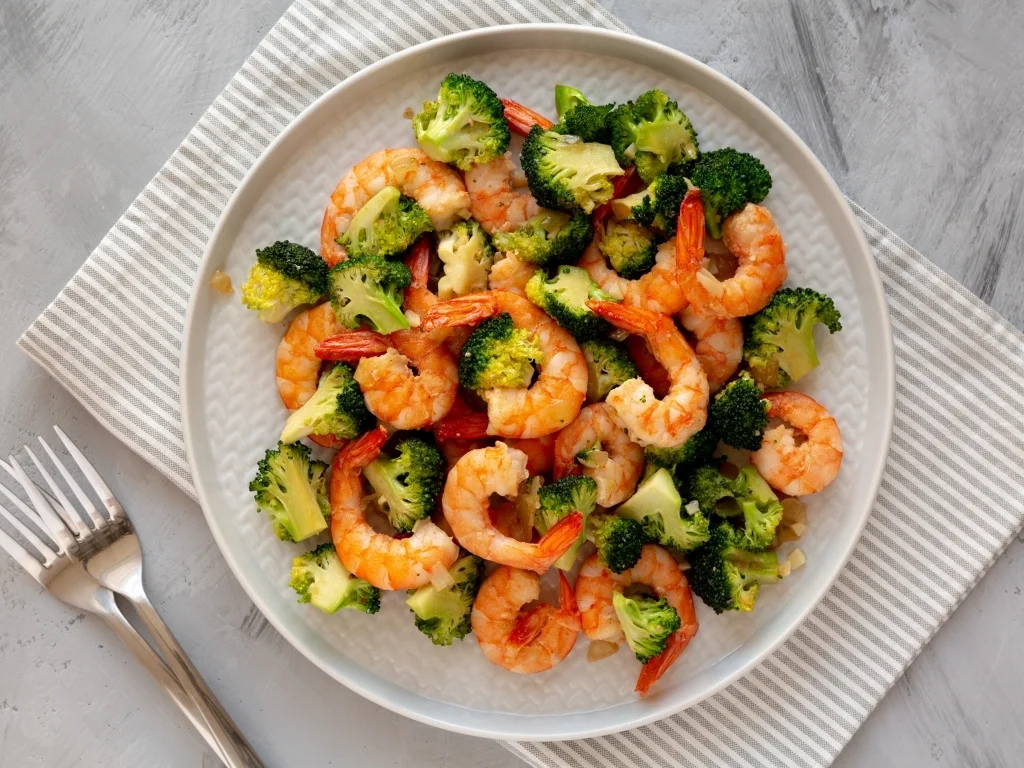
- Dinner: Stir-fried shrimp (100g) and vegetables (1.5 cups) with ½ cup brown rice
- Snack: 1 cup carrot sticks with 2 tbsp hummus
Day 5
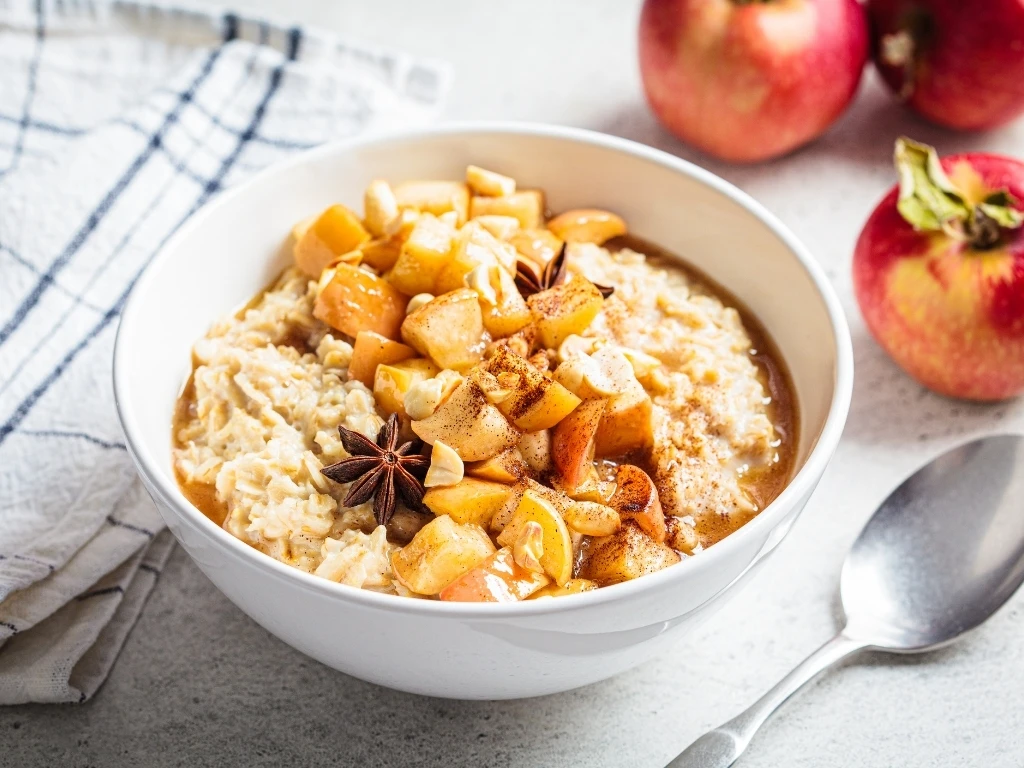
- Breakfast: Overnight oats (½ cup oats, ½–¾ cup yogurt or milk) with 1 apple (sliced), 1 tbsp flaxseed, and cinnamon
- Lunch: Tuna salad (90g tuna with mixed veggies) served in lettuce and a side of 4–6 whole-grain crackers
- Dinner: 100g grilled chicken thighs with 1.5 cups roasted Brussels sprouts and ½ cup sweet potato
- Snack: 1 cup berries

Day 6
- Breakfast: Green protein smoothie (1 cup spinach, 1 scoop protein powder, ½ cup fruit, 1 tbsp chia seeds, unsweetened almond milk)
- Lunch: Chickpea and vegetable stew (1–2 cups mixed veggies, ¾ cup chickpeas) served with ½ cup whole grains
- Dinner: Beef and vegetable stir-fry (1.5 cups veggies, 90g beef, sesame seeds) served with ¼ cup rice + cauliflower rice
- Snack: 1 cheese stick

Day 7
- Breakfast: Vegetable omelet (2 eggs, 1 cup mixed veggies) with feta and 1 slice whole-grain toast
- Lunch: Quinoa bowl (½ cup) with ½–¾ cup black beans, 1 cup corn and avocado mix
- Dinner: 100g baked cod with 1 cup green beans, ½ cup brown rice, and a side salad
- Snack: 20–30g nuts or seeds
Key considerations before adopting these diabetes-friendly meal ideas
You may benefit from portions or ingredients that are different from the examples above, based on your type 2 diabetes diet and treatment plan. To ensure you get the optimal results from what you eat daily, account for the following factors:
Blood sugar patterns
If your morning blood sugar tends to be high, try choosing a higher-protein breakfast, such as eggs, Greek yogurt, or tofu.
Some research shows that a protein-rich breakfast can help reduce post-meal glucose spikes and even influence glucose levels at later meals. Pairing carbohydrates with protein or healthy fats — for example, eggs with whole-grain toast or yogurt with fruit — can slow digestion and improve blood sugar stability.
Carbohydrate intake
Carbohydrates have the most immediate effect on blood sugar, so keeping portions consistent helps make glucose levels more predictable. Choosing fiber-rich, complex carbs over refined, low-fiber options can further reduce spikes.
Consistency can be especially helpful if you use mealtime insulin or other glucose-lowering medications, as it helps with accurate dosing and steadier blood sugar. Use measuring cups, food labels, or carb-counting tools, and check with your dietitian to see what portion sizes and carb types are right for you.
Snacking
If you’re prone to low blood sugar between meals, eating a small snack at the right time can help prevent dips. Carbohydrate needs for snacks vary based on your medications, activity, and blood sugar trends. Many balanced snacks include a modest portion of carbohydrate paired with protein or fat — for example, fruit with cheese or crackers with nut butter — to keep glucose steady and avoid rebound spikes.
Timing can depend on your medications, activity level, and daily patterns, so talk to your healthcare provider or dietitian about the best options and portions for you.
Medication effects
Certain diabetes medications, including insulin, sulfonylureas (like glipizide or glyburide), and some others, can cause low blood sugar. Timing doses with meals and understanding when medications peak can help prevent drops in blood sugar.
Other factors, such as extra physical activity or skipped meals, also affect your blood glucose. Talk with your physician about any frequent lows or unpredictable reactions, and never adjust medications on your own.
Simple ways to simplify meal planning for diabetes
A meal plan only works if it actually fits your lifestyle. These practical tips make any meal plan for diabetes easier to follow, more flexible, and far less stressful.
Prepare food in advance
Batch-cook proteins, chop vegetables, or pre-portion snacks to save time during the week. Having ready-to-go meals reduces the temptation to skip or grab less balanced convenience options. This makes sticking to your plan much easier.
Keep consistent carb portions
Measure or estimate carbs for each meal to keep your blood sugar steady. Keeping carbohydrate portions relatively consistent may help make blood sugar responses and medication dosing more predictable to prevent spikes or dips. Even simple swaps work as long as the carb content stays similar.
Use shortcuts like frozen vegetables
Frozen vegetables are just as nutritious as fresh and save prep time. They’re convenient for quick meals, stir-fries, or soups, so you don’t have to compromise on balanced nutrition.
Build a grocery list from the plan
Make a list based on the week’s meals to streamline shopping and avoid last-minute choices. Organize items by category — produce, protein, dairy, pantry staples — to save time and reduce stress. This ensures you have everything you need for consistent, balanced meals.
Be mindful of eating speed and distractions
Eating too quickly or while distracted (like watching TV or working) can affect digestion and make it harder to notice when you’re full. Slowing down and focusing on your meal can help you recognize when you’ve had enough and support steadier blood sugar responses.
Pay attention to sleep and stress
Poor sleep and high stress can both raise blood sugar levels, even if your meals are well-balanced. Aim for seven to nine hours of sleep per night, as shorter sleep can reduce insulin sensitivity and make blood sugar harder to control.
Getting enough rest and managing stress through simple daily habits can help your body respond better to food and keep glucose more stable overall.
Work with a dietitian
To help you craft a more personalized, diabetes-friendly meal plan, consult a registered dietitian who can recommend proper portions, ingredients, meal timing, and other food-first strategies tailored to your symptoms, treatment plan, and lifestyle in general.
Plan better meals for diabetes with a Health Loft nutritionist
This seven-day meal plan can be a helpful start to managing type 2 diabetes, but remember that everyone’s body responds differently to food. If what works well for others doesn’t feel quite right for you, that’s completely normal.
At Health Loft, our registered dietitians specializing in diabetes care can help take the guesswork out of daily meals. Instead of following a one-size-fits-all approach, you’ll get guidance that reflects your current treatment plan, medications, blood sugar patterns, and personal preferences so that meals aren’t just nourishing but also genuinely enjoyable for you.
With the right support, managing blood sugar can become more consistent. Connect with a Health Loft dietitian to start building smarter meals that not only support your health but also fit comfortably into your everyday life.
This article was reviewed by Katie Whitson, RD, LD. It is intended for informational purposes only and does not replace personalized nutritional advice.