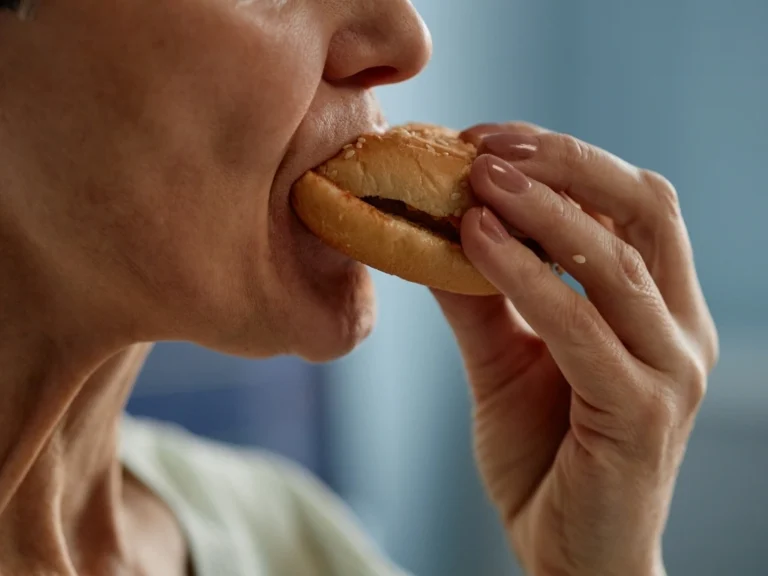









Stress eating doesn’t always stand out at first. It can start with reaching for something to snack on after a stressful meeting, or finding yourself in the kitchen at the end of a long day without much thought. You might not notice it right away, but at some point, food can start to become a key part of how you get through difficult moments.
Why do we tend to eat more when stressed? For many people, food offers a sense of comfort, distraction, or relief when things feel overwhelming. It isn’t about a lack of discipline or “doing something wrong.”
Stress eating can overlap with emotional eating or other patterns, but it doesn’t look the same for everyone. If you’re trying to figure out how to stop stress eating, it helps to first understand what’s driving it, so you can respond in a way that actually supports you.

What is stress eating?
Stress eating is when you find yourself eating in response to stress, negative emotions, or mental overload rather than physical hunger.
It might show up as craving certain foods, eating even when you’re not actually feeling hungry, or continuing to eat past fullness. Often, it feels automatic, especially when you’re distracted or dealing with something difficult.
Physical hunger usually builds gradually and can be satisfied with a variety of foods. Stress-related eating tends to feel more specific or urgent. You might be pulled toward certain food choices, and this urge can feel hard to ignore.
It’s worth noting that occasional stress eating is a normal human response. It doesn’t automatically mean there’s a problem. When people start looking into emotional eating and how to stop, it’s often because the pattern feels more frequent or harder to manage.
Can stress cause hunger and cravings?
Yes, stress can increase hunger for some people, and the way it does this is not just “in your head.”
When you’re under stress, your body releases hormones like cortisol, which can increase appetite and, in some cases, make certain foods — especially those higher in sugar, fat, or salt — feel more appealing.
Stress can also affect your routine in quieter ways. You might skip meals, eat at irregular times, or feel too tired to prepare balanced food. Over time, that can leave you feeling hungrier later in the day, which makes it easier for stress eating to take over.
How to stop stress eating in a balanced, sustainable way
There is no easy fix for stress eating, and it’s not something you need to solve overnight. If you’re working on how to stop stress eating, the goal is to build awareness and give yourself more options, not to take food away.
Don’t overly restrict “comfort” foods
It might seem logical to cut out the foods you tend to reach for during stress, but that can sometimes make things more difficult. When certain foods feel off-limits, they often become more appealing, especially during stressful moments.
Instead of trying to avoid those foods completely, it can help to include them in a more regular, balanced way. This can take away some of the urgency and make your choices feel less reactive. A dietitian can support you in building this kind of structure without adding more pressure.
Pause and check in with yourself
You don’t have to analyze every decision, but taking a short pause can give you more clarity.
Before you eat, you might ask yourself:
- Am I physically hungry?
- Am I feeling stressed, bored, or overwhelmed?
- Could it be a mix of both?
Learning how to stop stress eating often starts with this kind of awareness. The goal is not to stop yourself from eating, but to understand what you need at that moment.
At the same time, not everyone experiences stress the same way. Some people lose their appetite entirely, while others feel hungrier. Understanding your own pattern is often the first step in learning how to stop stress eating in a way that feels realistic.
Identify your patterns
Stress eating rarely happens randomly. There’s usually a pattern, even if it’s subtle.
It might show up at a certain time of day, during specific situations, or when you’re feeling a particular emotion. For example, evenings after work, long gaps between meals, or moments of anxiety.
Once you start noticing these patterns, it becomes easier to respond differently. This step can make a big difference if you’re trying to understand how to stop emotional eating in a way that actually lasts.
Create some structure around meals
When meals are inconsistent or skipped, your body often tries to make up for it later. That can show up as stronger hunger or more impulsive eating.
Having regular meals and snacks does not have to be rigid, but a loose structure can help keep your energy more stable throughout the day. It also reduces the chance of getting to a point where stress eating feels harder to manage.
Include protein and fiber at meals
What you eat can influence how satisfied you feel after meals.
Protein and fiber help slow digestion and support more stable energy. This can make it easier to handle stress without immediately turning to food.
Simple combinations like eggs with toast and avocado, yogurt with nuts, or meals that include protein, grains, and vegetables can support this balance.
Find other ways to respond to stress
Food is a valid way to cope, but it helps to have other options available.
You might try stepping outside for a few minutes, taking a short walk, listening to music, or talking to someone you trust. These don’t replace eating, but they give you more flexibility in how you respond.
Over time, having more than one coping strategy can make a real difference in how to stop stress eating without feeling restricted.
Make your environment a little easier to work with
Your environment can either make things harder or support you.
Keeping balanced snacks within reach, having regular meals available, and reducing long gaps between eating can help you feel more in control. These small adjustments make it easier to follow through on the habits you’re trying to build.
When to seek professional support for stress eating
There are times when stress eating starts to feel less occasional and more difficult to manage.
If any of the following begin to come up more often, it may be worth considering support from a healthcare professional:
- Stress eating has become much more frequent
- You feel stuck in a pattern that doesn’t seem to shift, even when you try to change it
- You notice feelings of guilt, frustration, or anxiety around food
- Eating starts to feel less like a choice and more automatic or out of your control
- Your eating patterns are affecting your energy, mood, or daily routine
Reaching out for support can help you make sense of what’s going on and find strategies for how to stop stress eating that may feel more manageable for you. It also gives you space to explore what might be driving the pattern beneath the surface.
Overcoming stress eating is not something you have to handle alone, and it’s not a sign that something is wrong with you.
Get support that actually helps you manage stress eating
Working through stress eating often goes beyond changing what you eat. It can involve understanding your patterns, adjusting your routine, and finding ways to make food feel less stressful overall.
A registered dietitian, especially one specializing in eating disorders, can help you create a flexible nutrition plan that fits your life and reduces the need for restriction, featuring nourishing meals that help you rediscover food from a healthier point of view.
In some cases, support might include other professionals, such as a therapist or psychologist. A more collaborative approach can help address both eating habits and the stress behind them.
At Health Loft, our dietitians can help you understand how to stop stress eating in a manner you can actually sustain, working alongside other healthcare providers to make sure the care you get is as comprehensive as possible. We also help you recognize patterns around stress eating and guide you toward approaches that feel realistic, not overwhelming.
If you’re ready for a more grounded, compassionate approach to recovery, you can connect with a Health Loft dietitian.
This article was reviewed by Adrienne DePaul, MS, RDN. It is intended for informational purposes only and does not replace personalized nutritional advice.