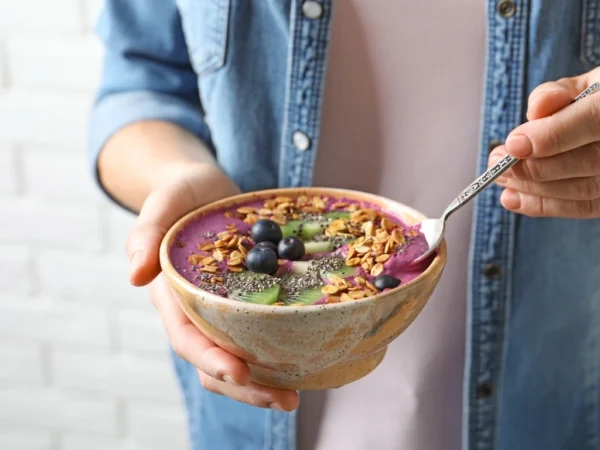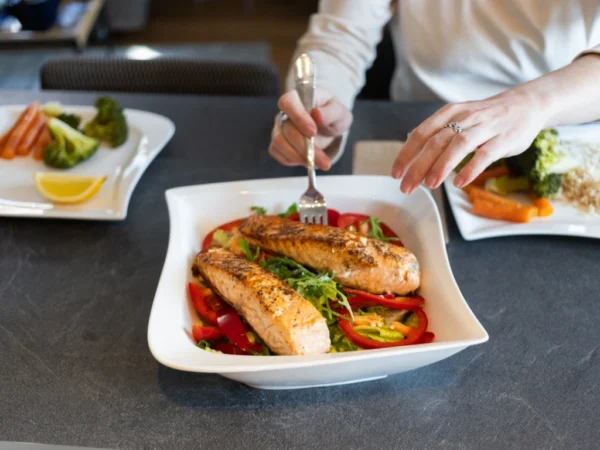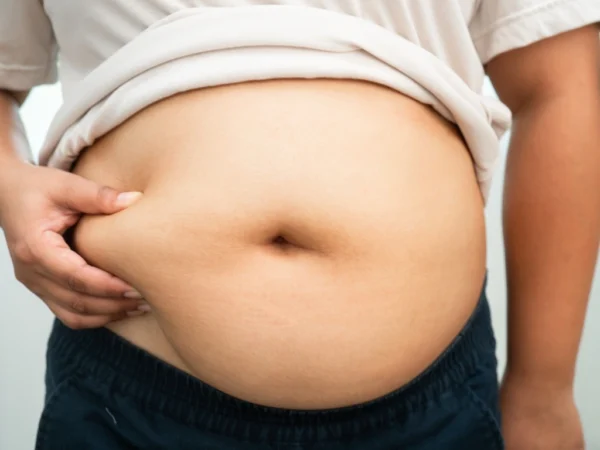









Losing weight after pregnancy doesn’t always happen as quickly or as easily as many expect. That’s completely normal. In the postpartum period, your body is doing a lot: healing, adjusting to hormone changes, and, most importantly, caring for your newborn.
Losing weight during this time shouldn’t be dictated by a strict eating pattern. A postpartum diet for weight loss should focus more on giving your body the nourishment and support it needs as it gradually returns to full strength.

Why postpartum weight loss feels more challenging than expected
After birth, your body goes under active recovery. This is why weight loss can feel slower than usual, even when you’re trying what may have worked well in the past. Several factors may explain how postpartum recovery influences weight changes during this time.
Hormonal shifts can affect metabolism and appetite
During pregnancy, the estrogen and progesterone hormones rise steadily to prepare the body for birth and lactation. Soon after giving birth and releasing the placenta, these same hormones experience a sharp decline.
Meanwhile, other hormones also adjust. Prolactin increases to support the production of breastmilk, which may contribute to fatigue and increased hunger. Oxytocin (colloquially referred to as “love hormone”) surges immediately after birth to help the mother recover, lactate, bond with the infant, lower maternal stress, and prevent hemorrhage. Cortisol, the main stress hormone, peaks during labor and drops rapidly after the release of the placenta.
Thyroid function may also change after delivery, with postpartum thyroiditis affecting around 5% to 10% of women within the first year.
While these hormonal changes can be expected, this rapid change may temporarily affect appetite, fat storage, and energy levels day to day. It’s definitely common to feel hungrier or more tired than usual.
Recovery increases your body’s nutritional needs
Healing after childbirth requires lots of energy. Whether you’ve had a vaginal delivery or a C-section, your body is repairing tissues and rebuilding its strength. This means your nutritional needs will be higher, especially in the early weeks after delivery, making a calorie deficit necessary for weight loss harder — and not at all recommended — to maintain so soon.
Sleep deprivation and stress can impact weight
Caring for a newborn often means decreased sleep and/or sleep quality, less predictability in your schedule, and higher stress levels. Although initial findings are mixed, many people notice that a lack of sleep may increase cravings, especially for quick, high-calorie foods.
Fatigue can also make it harder to stay active or to regularly prepare balanced meals, potentially leading to increased urges to consume unhealthy foods.
Breastfeeding may increase appetite and caloric needs
If you’re breastfeeding, your body uses extra calories (roughly 330 to 400 more kcal per day) to support milk production. However, it also increases your appetite, signaling you to eat more to compensate. This creates a sort of balance: you burn more but also need more, making weight changes hard to manage at this stage.
What makes up a healthy postpartum weight loss diet?
Your body requires many more nutrients at this stage. Instead of relying on food restriction, your postnatal weight loss diet should prioritize getting these nutrients to heal, maintain energy, and care for your baby — while still gently supporting gradual fat loss.
Here are some foods that may help you to achieve this:
Protein for healing and satiety
Protein is central to postpartum recovery because this macronutrient helps to repair tissues, support muscle maintenance, and keeps you feeling fuller for longer — something that may help offset a higher appetite after birth.
Research suggests that slightly higher protein intake may even support weight loss in postpartum women, particularly those who are overweight.
Lean protein sources that are easy to access and include regularly in meals are:
- Eggs
- Chicken
- Fish
- Tofu
- Beans
- Greek yogurt
Having protein at each meal not only helps to stabilize hunger but also encourages steady progress with weight management.
Fiber for digestion and blood sugar balance
Digestive issues like constipation and bloating are commonly experienced after giving birth — both of which may contribute to weight retention.
Eating more fiber helps support digestion, while offering other benefits like promoting fullness and regulating blood glucose. Diets higher in fiber have, in fact, been linked to lower weight retention after pregnancy.
You should aim to regularly consume reliable fiber sources like:
- Dried fruits, especially plums (as they may function as natural laxatives)
- Fresh fruits, such as berries, apples, and papaya
- Whole grains
- Vegetables, such as leafy greens, broccoli, carrots, and potatoes
- Beans
- Lentils
- Chia seeds
- Flaxseeds
In addition to supporting overall gut health, these foods also make meals more satisfying, which can naturally help with portion control. Be sure to introduce them to your diet gradually to prevent the worsening of symptoms.
Carbohydrates for steady energy
Carbs may have a bad reputation, but they’re essential to our health, even when trying to lose weight. Your body relies on carbohydrates for energy, and given the higher daily demands and disrupted sleep after giving birth, they may be even more valuable during this time.
Severely restricting carbohydrates during breastfeeding may even lead to fatigue and other health issues, so avoid eliminating them completely from your diet. Instead, focus on minimally processed sources like:
- Brown rice
- Quinoa
- Oats
- Whole-grain bread or cereals
- Legumes
- Starchy vegetables like potatoes or sweet potatoes
- Whole fruits, especially berries, apples, and pears
Unlike other refined carbs like white rice and bread, foods with complex carbohydrates help promote a slower, more gradual rise in blood sugar and are more nutrient-dense than their refined counterparts.
Healthy fats for satiety and nutrient absorption
Fats are another food that shouldn’t be avoided. Healthy fats are important for hormone balance, brain health, and nutrient absorption — not to mention, they contribute to the texture and flavor that make meals more enjoyable and increase overall satisfaction with meals.
Omega-3 fatty acids, in particular, have been linked to lower postpartum weight retention. Consider adding the following sources to your postpartum diet:
- Avocados and avocado oil
- Nuts
- Seeds
- Olives and olive oil
- Fish like salmon, mackerel, sardines, and herring
Make sure to include these in balanced amounts to keep them supportive of your recovery and weight maintenance.
Easy-to-follow 7-day postpartum weight loss diet plan
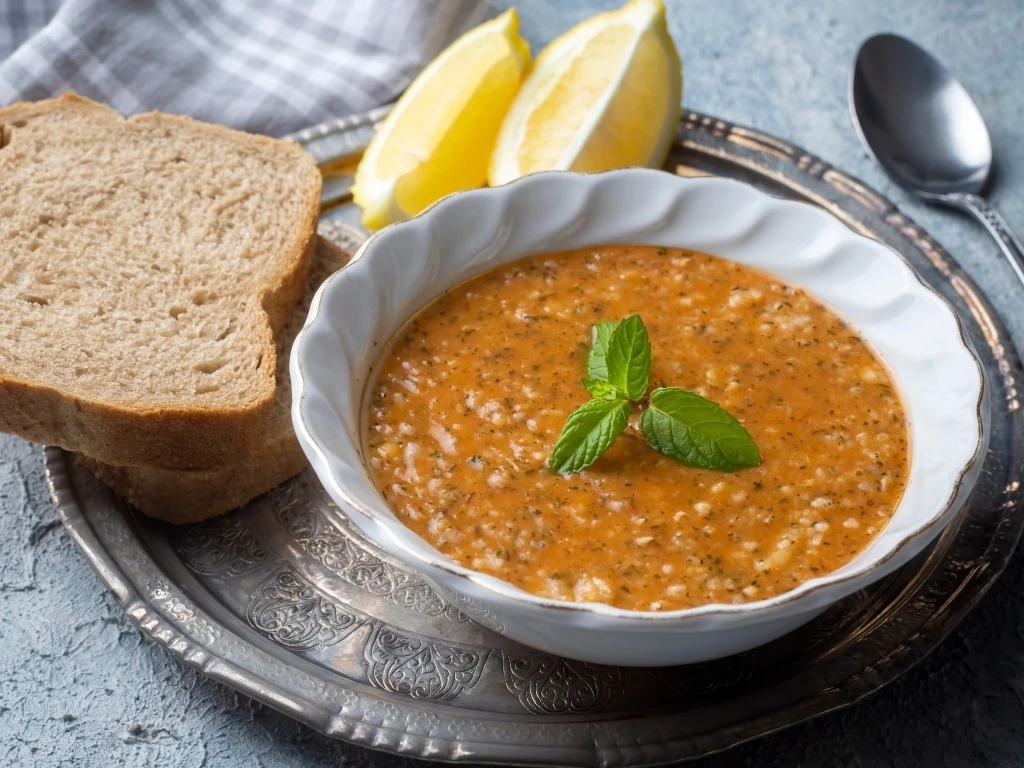
This sample plan shows what a balanced postnatal weight loss diet can look like. Designed to be simple and practical but still nourishing, this plan uses everyday foods you can easily find that support recovery, steady release of energy, and gradual weight loss.
Day 1
- Breakfast: Oatmeal with milk and cinnamon, apple slices, and a handful of walnuts
- Lunch: Grilled chicken breast and sautéed vegetables on brown rice
- Dinner: Lentil soup served with whole-grain toast and a side of leafy green salad
- Snacks: Roasted nuts and a glass of coconut water
Day 2
- Breakfast: Whole-grain toast with peanut butter and banana
- Lunch: Chickpea salad with cucumber, tomato, and olive oil
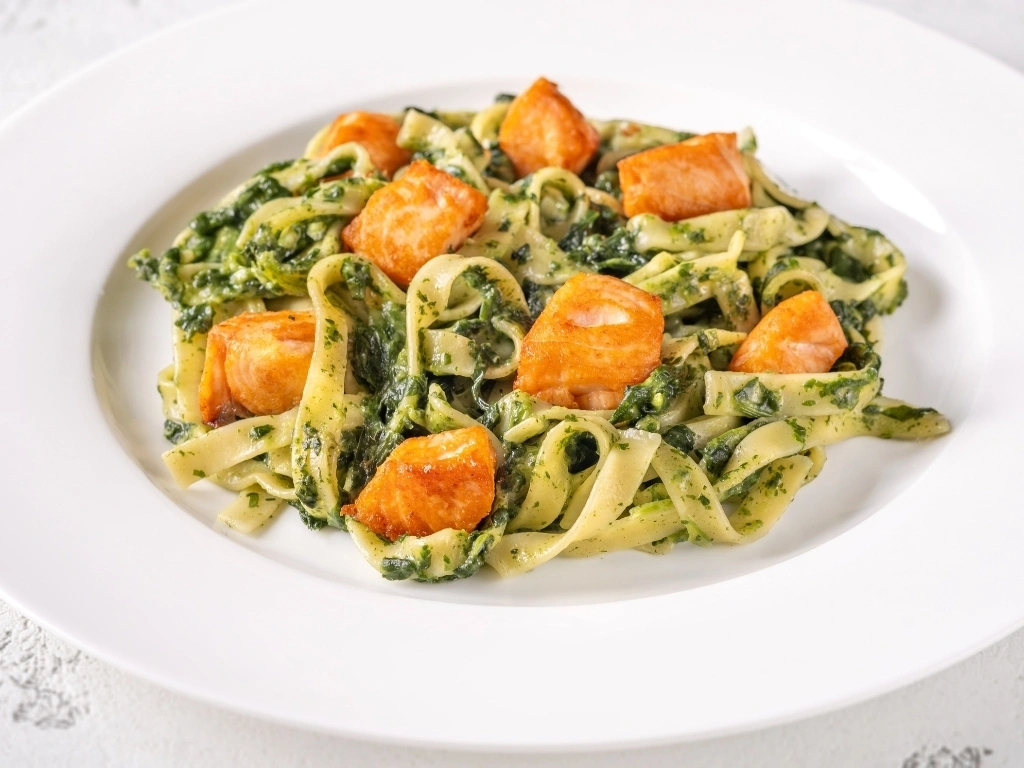
- Dinner: Creamy salmon pasta (whole-grain) with spinach and capers
- Snacks: Yogurt with mixed berries
Day 3
- Breakfast: Chia seed pudding with dried fruit
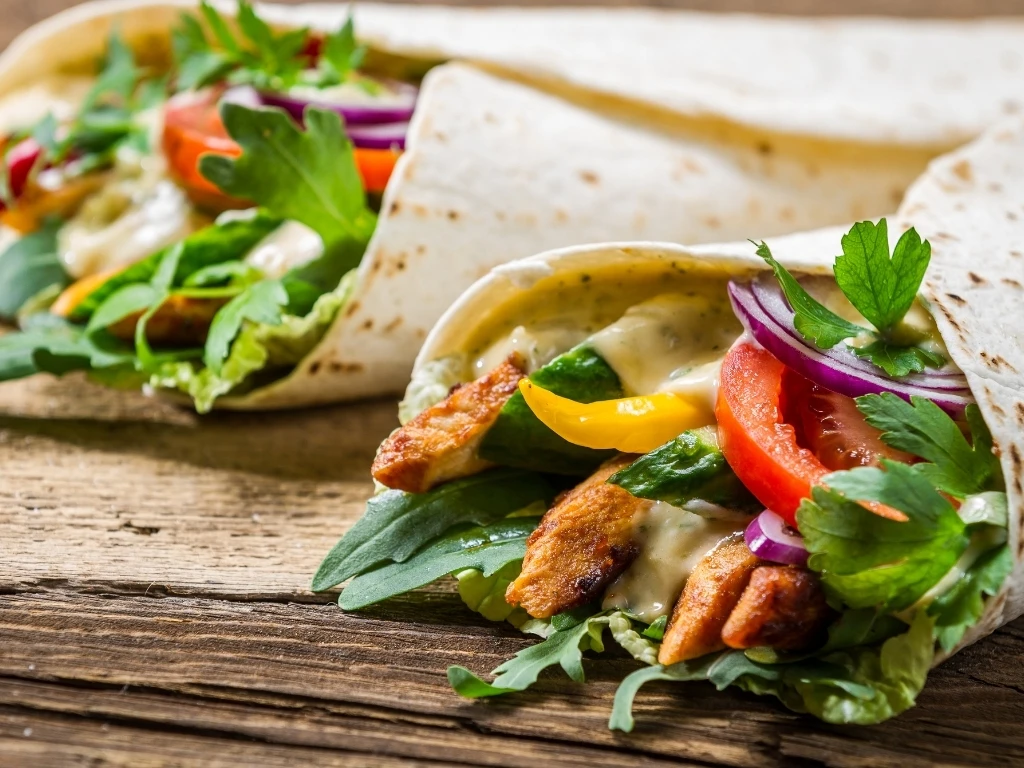
- Lunch: Whole-wheat wrap with grilled chicken and vegetables
- Dinner: Tofu stir-fry with mixed vegetables and brown rice
- Snacks: Pear slices topped with your nut butter of choice, paired with a glass of soy milk
Day 4
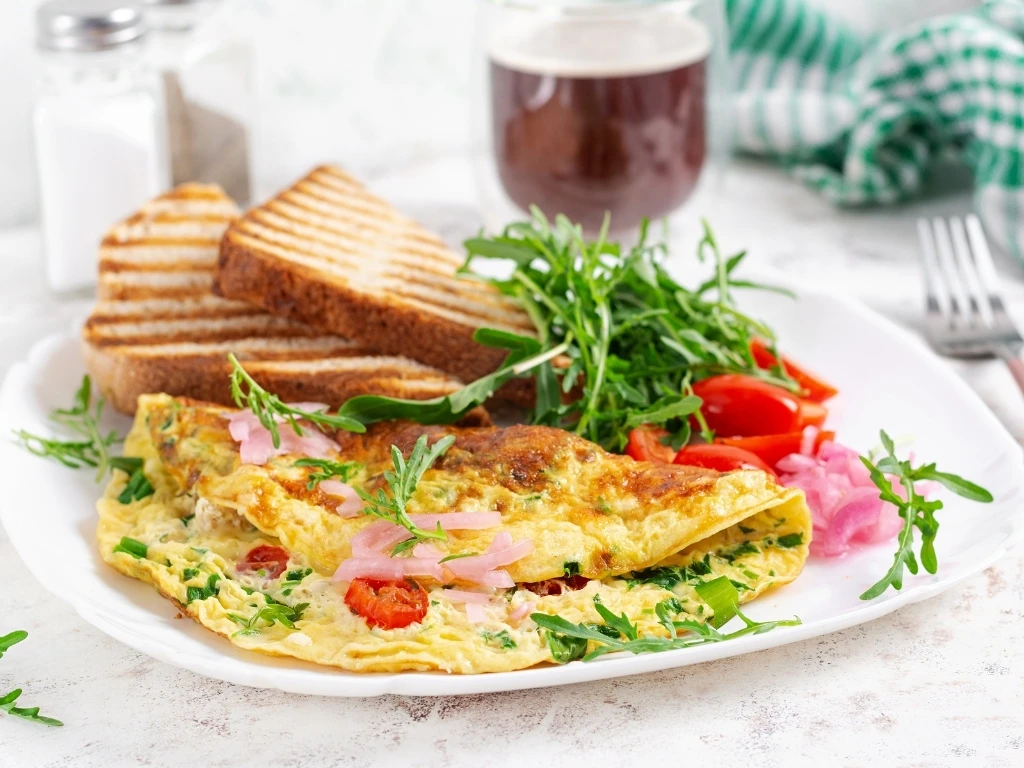
- Breakfast: Vegetable omelet with whole-grain toast
- Lunch: Sautéed spinach and millet served with lentils
- Dinner: Baked chicken breast with roasted vegetables and wild rice
- Snacks: Spiced mixed nuts served with freshly-squeezed orange juice
Day 5
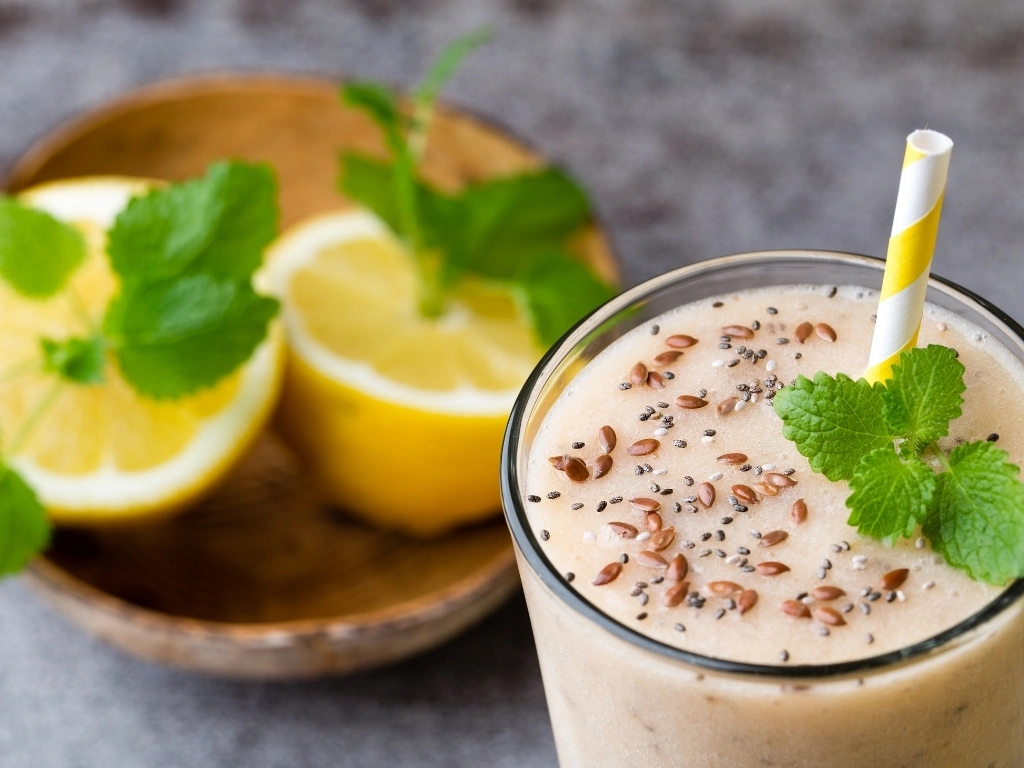
- Breakfast: Smoothie with milk, your fruit of choice, flaxseeds, and chia seeds
- Lunch: Bean, quinoa, and vegetable bowl
- Dinner: Sardines on whole-grain flatbread or toast, with a side of steamed carrots
- Snacks: Baked brie topped with pistachios
Day 6
- Breakfast: Scrambled eggs with whole-grain toast and your fruit of choice
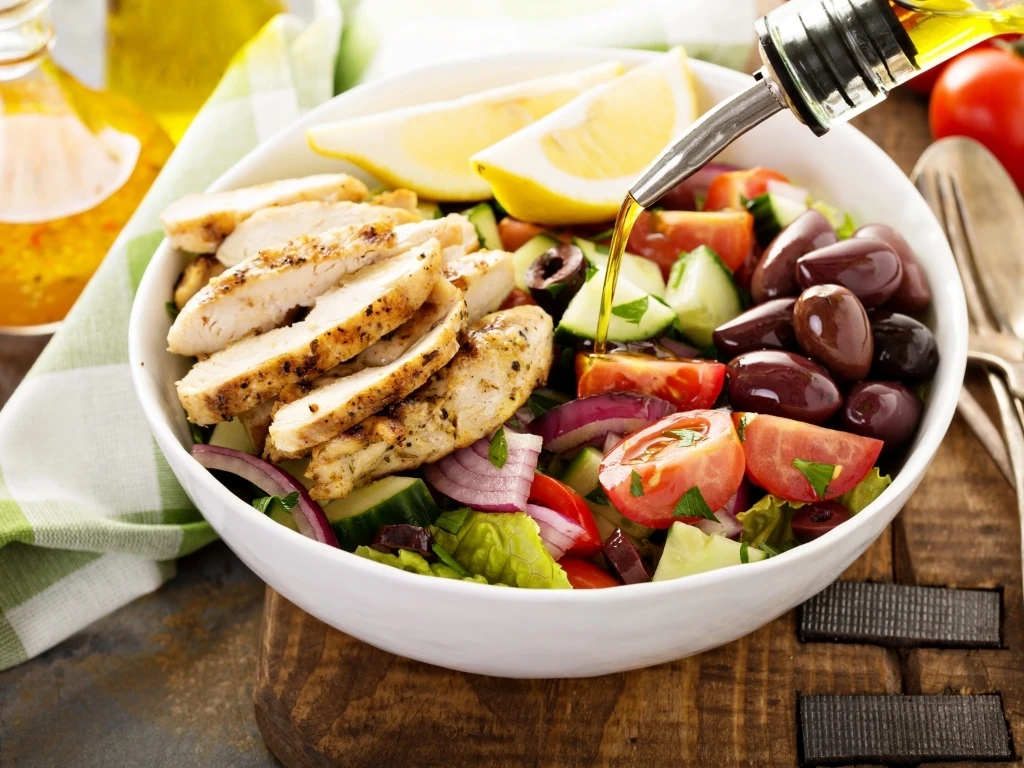
- Lunch: Grilled chicken salad with olive oil dressing
- Dinner: Creamy vegetable soup and whole-wheat toast
- Snacks: Grapes paired with Gouda cheese
Day 7
- Breakfast: Oat porridge with fried egg, cheddar cheese, and sautéed greens
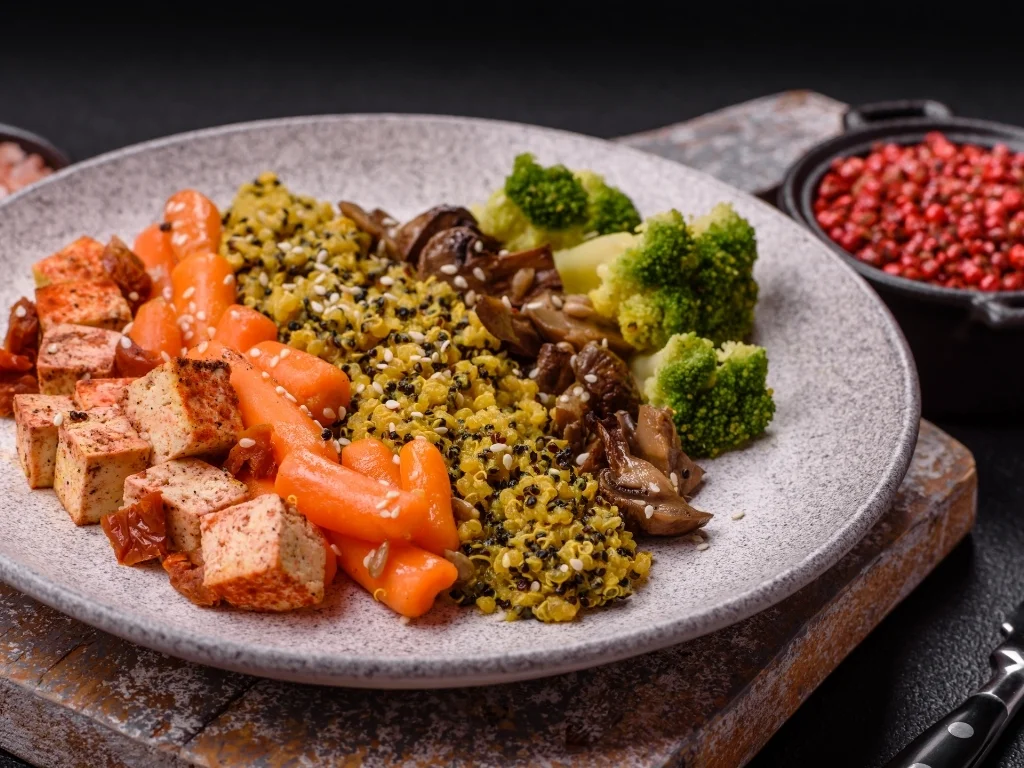
- Lunch: Baked tofu and broccoli served with quinoa
- Dinner: Grilled mackerel with sautéed greens and sweet potato
- Snacks: Dates filled with cream cheese and almonds
Your needs may vary depending on where you are in your recovery, your level of activity, and whether you’re breastfeeding. For this reason, use the guide flexibly and feel free to adjust meals to better align with what feels right for you.
Postpartum weight loss that supports recovery, not restriction
While losing weight shouldn’t be the main priority right after giving birth, if you’re keen to manage your weight, a postpartum weight loss diet should still be supportive of your body’s needs at this time of recovery.
Keep in mind that you’ve gone through significant physical and hormonal changes, and gradual weight loss will be more realistic, sustainable, and healthier than rushing the process. Eating healthily after pregnancy through consuming balanced meals and maintaining consistent meal patterns plays an important role in helping to restore your energy, support your healing, and keep you on track with your long-term health goals.
Working with a registered dietitian can make the process more manageable. Our postpartum-specializing dietitians provide personalized guidance built around your health needs, phase of recovery, and overall lifestyle. Whether you’re breastfeeding, managing a medical condition, or simply looking to feel stronger, we’ll work closely with you and your primary providers to ensure our food-first strategies align with your current care plan.
Reach out to a Health Loft dietitian today to start rebuilding your strength, confidence, and health in a meaningful way.
This article was reviewed by Haleigh Mann, MS, RDN, LDN. It is intended for informational purposes only and does not replace personalized nutritional advice.