








Digestion isn’t just about what you eat. It’s also about how your body breaks food down into nutrients it can actually use. This process relies on digestive enzymes that turn carbohydrates, proteins, and fats into smaller compounds your body utilizes for energy, growth, and repair.
Your body produces these enzymes on its own, but there are certain foods that contain natural digestive enzymes, which may help to support this process.

What are digestive enzymes and what do they do?
Digestive enzymes are natural substances your body makes to help break food into smaller parts that your body can properly absorb and use. You can think of them as tiny helpers that turn the food you eat into fuel to power your cells.
They work primarily on the three main nutrients in food. Carbohydrates, proteins, and fats are the food groups that make up our macronutrients. Here’s how our body uses them:
- Carbohydrates are broken down into simple sugars, which your body uses for energy.
- Proteins are split into amino acids, the building blocks your body needs to repair tissue and muscle.
- Fats are broken down into fatty acids, which support energy, hormones, and cell health.
These enzymes are made in places like your mouth, stomach, and small intestine. They work alongside stomach acid and bile to break down our macronutrients into small enough forms for our body to properly absorb.
What are the benefits of digestive enzymes?
Once these enzymes get to work, they provide a variety of benefits that help your body run at its best. From easing discomfort to maximizing nutrition, these tiny helpers play a big role in your overall well-being.
They may support smoother digestion
The body uses enzymes for digestion to break down food more efficiently. This may support a more comfortable digestive process and help reduce occasional symptoms like bloating, gas, or fullness/discomfort after meals.
They may improve nutrient absorption
By breaking food into smaller components — like sugars, amino acids, and fatty acids — enzymes can help your body absorb nutrients more effectively. This means your body is able to get more benefit from the foods you eat.
They may help with specific food sensitivities
Some people lack certain enzymes, such as lactase, for digesting dairy. In these cases, targeted enzyme support may help reduce discomfort linked to specific foods.
They may support regular bowel movements
It’s common to wonder if digestive enzymes can make you defecate more or aid in reducing the occurrence of constipation. They don’t directly cause this, but by supporting better digestion, they may help promote more regular and comfortable bowel movements.
7 foods high in natural digestive enzymes
Many whole foods naturally contain digestive enzymes that can help support the breakdown of carbohydrates, proteins, and fats. While they don’t replace the enzymes your body produces, including them regularly as part of a balanced diet may offer gentle support for digestion.
1. Pineapple
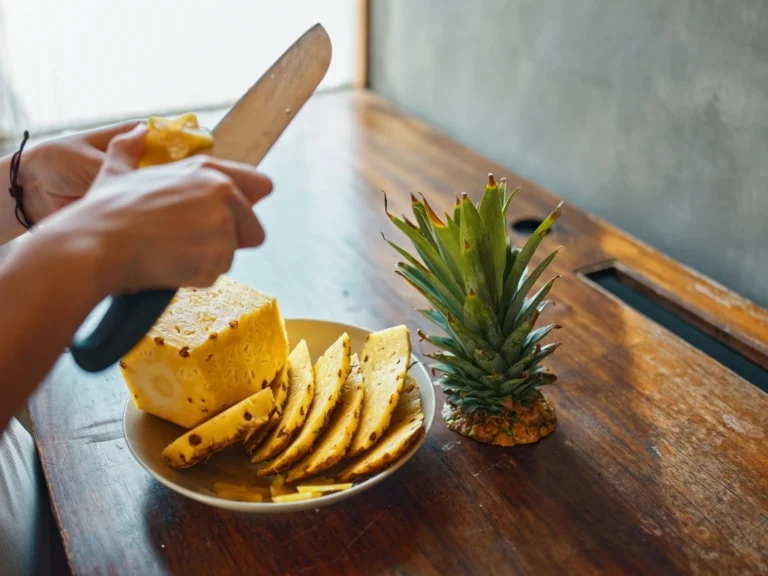
Pineapple contains bromelain, a group of enzymes that help break down protein into smaller, easier-to-absorb components. This can be especially helpful after protein-rich meals that can feel heavy. Some research also suggests bromelain may influence gut health and inflammation, though most findings are still preliminary.
Because bromelain is naturally present in fresh pineapple, it’s best consumed in minimally processed forms.
Here are some ways to enjoy pineapple while getting the most out of its naturally occurring enzymes:
- Add fresh pineapple to yogurt or smoothies
- Pair with savory dishes like chicken or tofu stir-fries
- Including pineapple in a fruit salad
- Blend into smoothies (leftover pineapple is great to freeze for smoothie bowls!)
- Adding to a fresh salsa
- Adding the leftover juice after cutting to a refreshing drink
2. Papaya
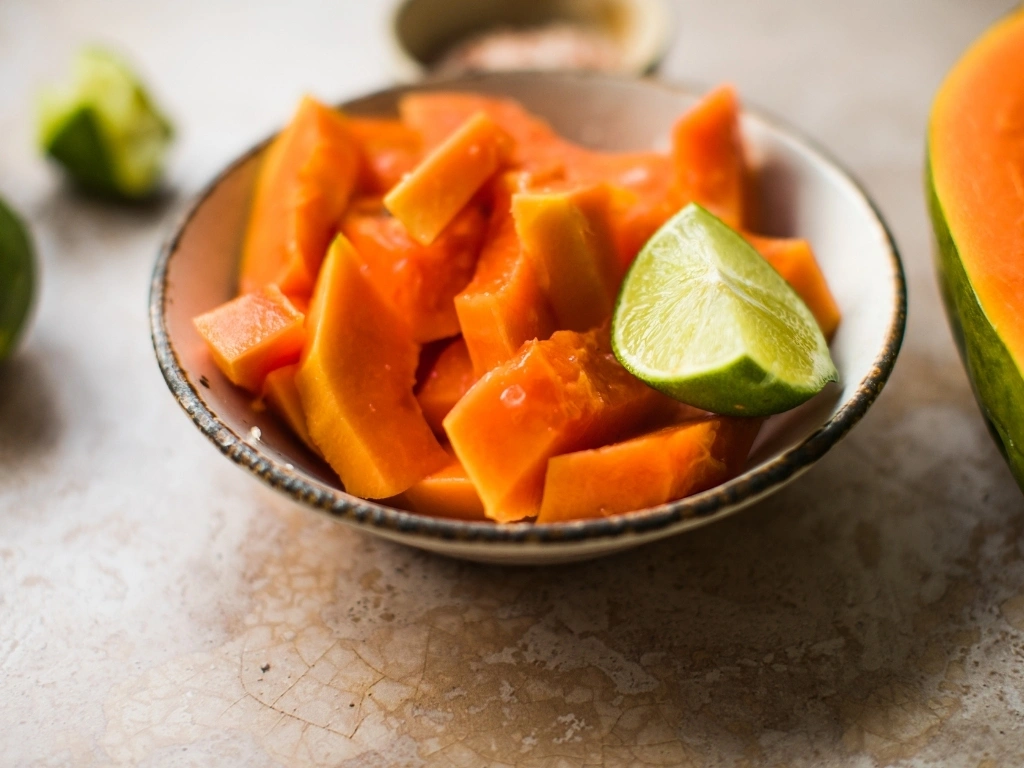
Papaya provides papain, another enzyme that supports protein digestion by breaking it down into amino acids. Like bromelain, papain has been studied for its potential effects on digestion and gut health.
One study looking into its effects on animals found that papain may help reduce intestinal inflammation and oxidative stress, though more human research is needed to confirm these effects.
Here are some ways to enjoy papaya while getting the most out of its enzymes:
- Enjoy ripe papaya as a snack or dessert (try squeezing some fresh lime juice to enhance and complement the papaya’s sweetness)
- Add to fruit bowls or breakfast dishes
- Freeze and blend into a dairy-free “nice cream” treat
- Add to smoothies
3. Kefir
Kefir is a fermented drink that contains beneficial bacteria along with enzymes such as lipase, which help break down dietary fats. These enzymes are produced during fermentation and may support digestion alongside the drink’s probiotic content.
Research suggests kefir may regulate the activity of digestive enzymes rather than simply supplying enzymes. Eating kefir has also been associated with changes in gut bacteria composition, which may aid digestion, as well as improvements in certain metabolic markers such as cholesterol and body weight.
Here are some ways to enjoy kefir while getting the most out of its helpful enzymes:
- Drink kefir on its own as a snack
- Use as a base for smoothies or mix it into overnight oats
- Pour over cereal or granola
- Use as part of a layered fruit parfait
4. Ginger
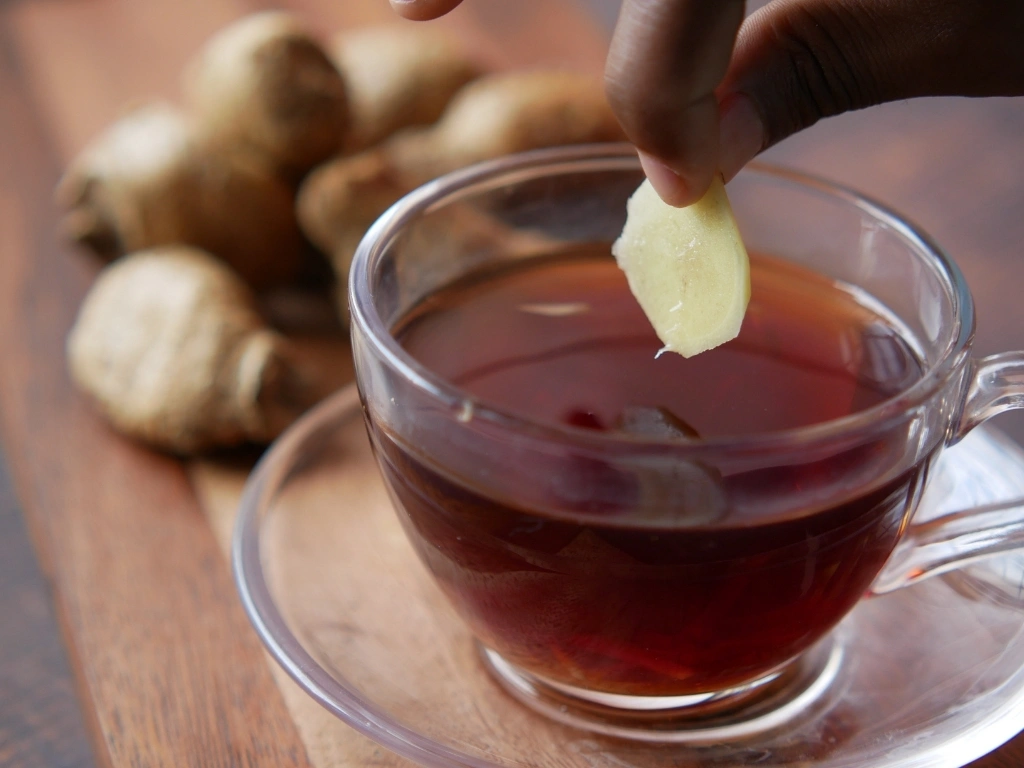
Ginger doesn’t supply large amounts of natural digestive enzymes on its own, but it may help to stimulate your body’s own enzyme production and other digestive processes. It’s traditionally used to support digestion by promoting movement in the digestive tract and encouraging the release of digestive juices.
A recent review found ginger may help ease digestive discomfort and support gut function, though results vary and more research is needed.
Here are some ways to enjoy ginger while getting the most out of its enzymes:
- Brew fresh ginger tea or add to warm water
- Use in cooking, such as stir-fries, soups, or marinades
- Blend fresh ginger or juice it with citrus, apple, or celery for an anti-inflammatory boost
- Eat pickled to complement other foods (like sushi, salads, etc.) or cleanse the palate
- Enjoy in candied form
5. Sauerkraut
This fermented cabbage dish is rich in beneficial bacteria and enzymes that are created during a metabolic process known as fermentation. These enzymes can help break down nutrients, while the live microbes they contain may support a balanced gut environment.
Clinical trials on sauerkraut and other fermented Brassica vegetables report that the food may be linked to benefits like reduced symptoms of irritable bowel syndrome (IBS) and lower activity of harmful fecal enzymes. It may also help regulate inflammatory markers and the gut ecosystem or microbiome.
Make sure to buy sauerkraut from the refrigerated section. Shelf-stable canned kraut is typically heat-treated, so it won’t contain beneficial live cultures.
Here are some ways to enjoy sauerkraut while getting the most out of its enzymes:
- Add sauerkraut to sandwiches, wraps, or grain bowls
- Serve on its own as a tangy side dish with meals
6. Miso
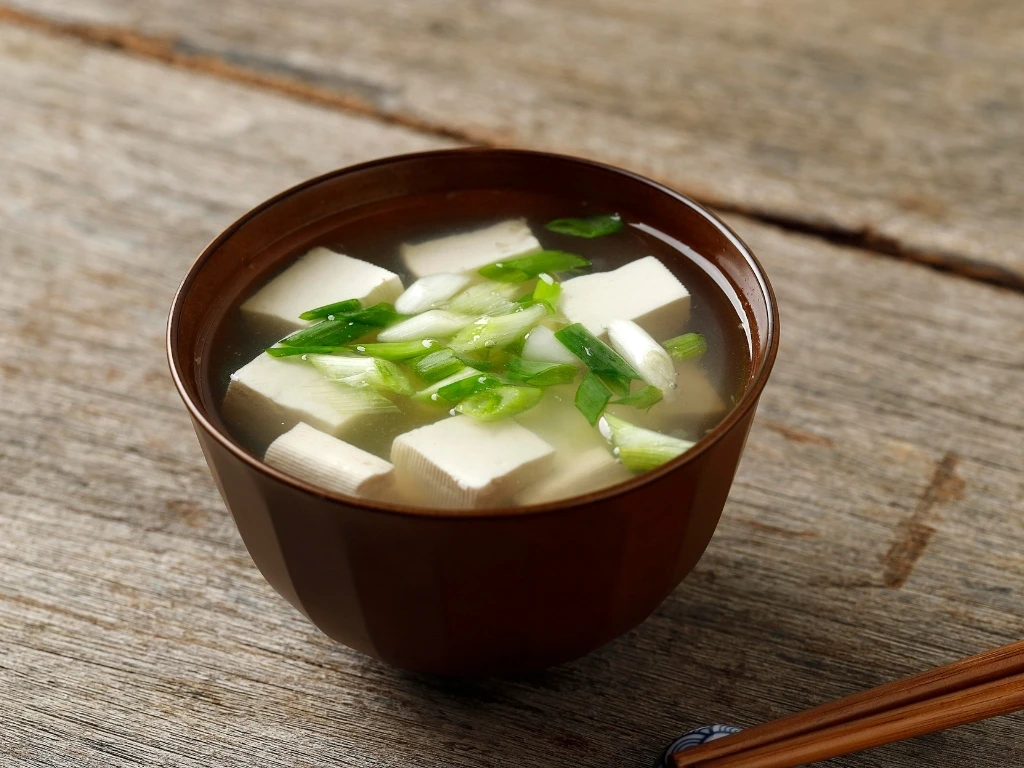
Miso is a traditional fermented soybean paste made using microbial enzymes from the process of fermentation. These enzymes help pre-digest proteins and may make nutrients easier to absorb. Miso also contains beneficial bacteria that contribute to its digestive support.
Research suggests miso’s unique enzymes and fermentation process may play a part in gut health and digestion. Regular consumption of miso, in particular, has been associated with reduced risk of certain stomach-related conditions, including gastritis, gastric ulcers, and duodenal ulcers.
Here are some ways to enjoy miso while getting the most out of its enzymes:
- Make miso soup
- Use as a seasoning in dressings or marinades
7. Kiwifruit
Kiwifruit contains actinidin, a protease enzyme that helps break down proteins during digestion. Actinidin can increase the rate of protein breakdown, particularly when food is being digested in the stomach, which may support more efficient absorption of amino acids and other nutrients.
Here are some ways to enjoy kiwifruit while getting the most out of its enzymes:
- Eat fresh kiwi as a snack or dessert
- Add to yogurt, salads, or protein-rich meals to support digestion
- Include in green juices or smoothies
- Use as a topping for fresh salsa or desserts
Do you need to take enzyme supplements?
For most people, the answer is no. Your body already produces the enzymes needed to digest food, and you can support this process through a balanced diet rich in natural digestive enzymes. Whole foods, fiber, and regular eating habits often go a long way in keeping digestion running smoothly.
However, enzyme supplements may be beneficial in certain medical situations. These include conditions like lactose intolerance or diagnosed pancreatic insufficiency, where the body doesn’t produce enough of a particular enzyme.
For everyone else, supplements aren’t a shortcut or a quick fix. Digestive symptoms can have many causes, so it’s best to focus on consuming a balanced diet first and speak with a healthcare provider if issues persist.
Start caring for your gut with nutrition tailored just to you
Adding foods rich in naturally occurring digestive enzymes to your meal and snack routine can be a helpful step, but digestion is influenced by many factors beyond individual ingredients. Food sensitivities, stress levels, daily habits, and overall dietary patterns all contribute to how your gut is able to function.
At Health Loft, our dietitians specialized in gastrointestinal care take a comprehensive, personalized approach. What works well for one person may not have the same effect for another, so we aim to understand your unique, individualized needs. From there, we help you build balanced meals that support comfortable digestion and steady energy levels, while also adapting your diet for concerns such as IBS or specific food sensitivities.
If you’ve been experiencing ongoing digestive issues, you don’t have to navigate them on your own. Working with a Health Loft dietitian can provide practical, individualized guidance to help you feel more at ease with your digestion.
This article was reviewed by Haleigh Mann, MS, RDN, LDN. It is intended for informational purposes only and does not replace personalized nutritional advice.