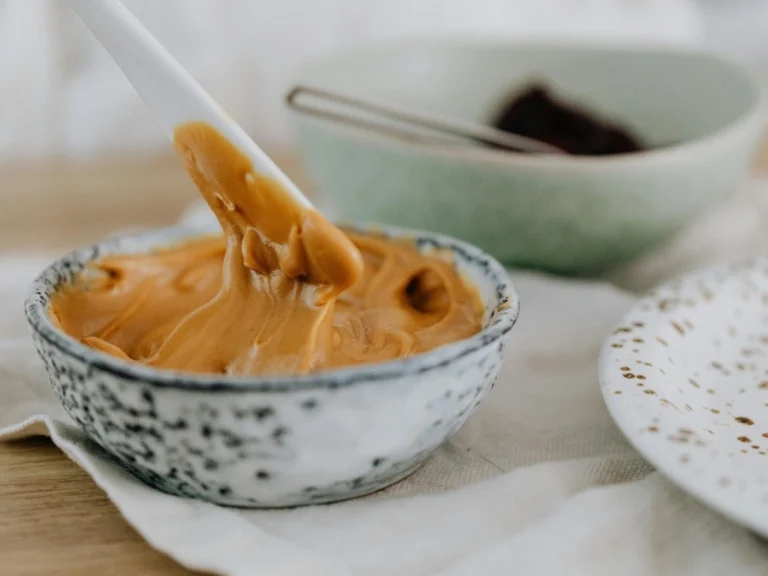









Introducing new foods to your baby can be an exciting milestone. But it may also come with hesitation, as allergies begin to appear at this stage of life. Peanut allergy in babies is among parents’ most common worries. Many wonder whether it’s safer to wait or avoid these potential food triggers altogether.
Guidance on this has changed over time. Rather than delaying the introduction of peanuts, current recommendations often support adding them to your baby’s diet as soon as they’re ready — with a thoughtful, cautious approach.
What is a peanut allergy?
A peanut allergy is an immune system reaction to proteins found in peanuts.
It affects about 1–2% of children and is one of the more common food allergies seen in early childhood. While the exact answer to what causes peanut allergy is not fully understood, it likely involves a mix of genetic and environmental factors.
Peanut allergies can develop even without clear risk factors, though babies with eczema, an egg allergy, or a family history of allergies tend to have a higher likelihood.
Because of this, conversations around introducing peanuts to infants often come up early, even before solids are fully established.
Why should babies be introduced to peanuts?
Research now suggests that introducing peanuts early, when your baby is developmentally ready, may help lower the chance of developing a peanut allergy later on.
This shift in guidance is based on growing evidence suggesting that delaying certain foods does not necessarily prevent allergies. On the contrary, early exposure, done safely, may actually help the immune system respond more appropriately over time.
If your baby has moderate to severe eczema or another food allergy, it’s a good idea to check in with your pediatrician before introducing peanuts. Some babies may benefit from additional testing first.
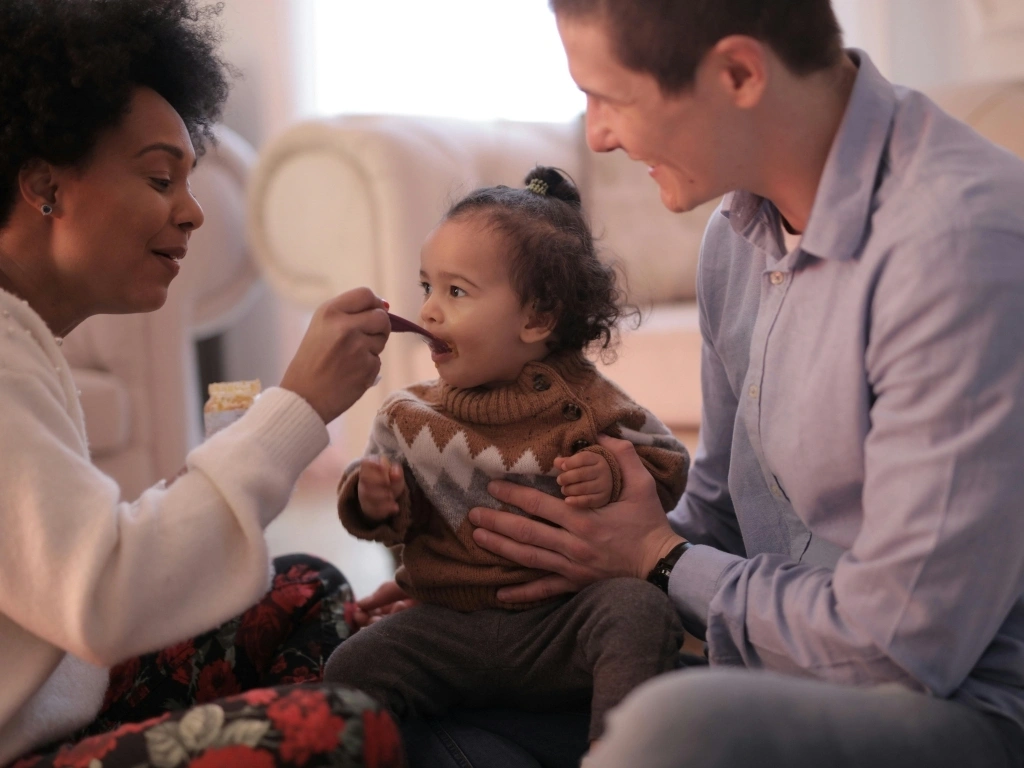
How to introduce peanuts safely to your baby
Taking a simple, step-by-step approach can make peanut introduction safer and easier to manage.
Start when your baby is ready
Peanuts should only be introduced once your baby is developmentally ready for solids. This usually includes being able to sit with support, holding their head steady, and showing interest in food.
Choose a time when your baby is well-rested and not sick. It’s also helpful to introduce peanuts earlier in the day, rather than right before bedtime, so you can observe them afterward.
Use safe forms of peanuts
Whole peanuts and thick spoonfuls of peanut butter can be choking hazards for babies.
Instead, offer smooth, thinned textures that are easy to swallow. Here are some options you can consider:
- Mix a small amount of peanut butter with warm water, breastmilk, or formula until it becomes runny
- Stir peanut butter into baby cereal or porridge
- Use powdered peanut butter mixed into fruit purees like applesauce
- Blend peanut flour into mashed banana or other soft foods
- Combine smooth peanut butter with yogurt, if dairy is already tolerated
The consistency should be thin enough that it slides off the spoon easily.
Start small and go slowly
Begin with a small amount — about a quarter teaspoon — and wait 10–15 minutes before offering more. If your baby is doing well, you can slowly increase the amount.
There’s no need to rush. Offering small amounts over time for gradual but repeated exposure is more helpful than giving a large serving all at once.
Observe your baby after feeding
After introducing peanuts, stay with your baby for at least two hours. Watch for any changes in their skin, breathing, or behavior.
The first few times are best done at home during the day, when you can easily respond if needed. Avoid introducing peanuts for the first time in a busy or unfamiliar setting.
Keep peanuts in the routine if tolerated
If your baby tolerates peanuts, try to include them regularly in small amounts as part of their diet. Consistency may help maintain tolerance over time.
If you’re unsure how often to offer peanuts or how to include them in meals, a pediatric registered dietitian can also help you find a routine that fits your baby’s developmental stage, while making sure their overall diet stays balanced.
First signs of a peanut allergy in babies
Allergic reactions can appear within minutes to a few hours after eating peanuts. In some cases, symptoms may be delayed, so it’s helpful to keep an eye on your baby even after the initial feeding.
Skin changes
Symptoms across the skin are often the first sign parents notice:
- Hives or raised red patches
- Redness or itching
- Swelling around the face, lips, or eyes
Even mild rashes should be taken seriously, especially if they appear soon after eating.
Digestive symptoms
Food allergies also typically come with digestion-related signs, such as:
- Vomiting
- Diarrhea
- Signs of stomach discomfort, such as pulling legs in or excessive crying
These symptoms can sometimes be mistaken for general fussiness, so timing in relation to feeding is important to note.
Respiratory symptoms
Breathing may also be strained during an allergic reaction. Watch for any of the following:
- Coughing
- Wheezing
- Difficulty breathing
Urgent medical attention may be necessary for these symptoms, as they may signal a more serious allergic reaction.
Some babies may also become unusually fussy, clingy, or unsettled shortly after eating. While this can happen for many reasons, it’s worth paying attention if it consistently follows peanut exposure.
Reactions can range from mild to severe, and not every baby will experience the same symptoms. Even mild reactions should be discussed with your pediatrician before trying peanuts again.
What to do if your baby has a reaction to peanut butter
If you notice any symptoms after giving peanut butter, pause and observe your baby closely. What you do next depends on how mild or severe the reaction appears.
For mild symptoms, such as a small rash or a few hives:
- Stop feeding peanuts to your baby.
- Monitor the child’s symptoms.
- Take note of when the symptoms started, what and how much was eaten, and how long the reaction lasts.
- Reach out to your pediatrician.
- Depending on your pediatrician’s advice, reintroduce peanuts only under their close supervision or take your baby for further evaluation.
For more concerning symptoms, such as swelling of the lips or face, repeated vomiting, coughing, wheezing, or difficulty breathing, seek immediate medical care. These signs may indicate a more serious reaction and should be treated as urgent.
Even if symptoms improve quickly, it’s still important to follow up. Your pediatrician can help determine whether further testing is needed and guide you on how to approach future exposures safely.

Support your baby’s nutrition needs with guidance from a Health Loft dietitian
It’s completely natural to feel cautious about peanut allergy in babies. At the same time, early and thoughtful exposure is often part of supporting your baby’s long-term health.
Even if certain foods need to be delayed or avoided, your baby can still receive balanced, complete nutrition. What matters most is having a plan that feels right for you and supports your baby’s needs.
At Health Loft, we help you make sense of feeding decisions in a practical way. Our dietitians specializing in food allergies can work with you to:
- Identify safe foods based on your baby’s allergy risk
- Build a balanced, age-appropriate feeding plan
- Guide you through introducing peanuts and other common allergens
- Support your baby as their diet expands over time
- Collaborate with your pediatrician or allergist when needed, so care stays aligned
With the right support, you can approach this stage of life with more clarity and confidence. Get in touch with a Health Loft dietitian who can support you and your child as you navigate new foods together.
This article was reviewed by Adrienne DePaul, MS, RDN. It is intended for informational purposes only and does not replace personalized nutritional advice.