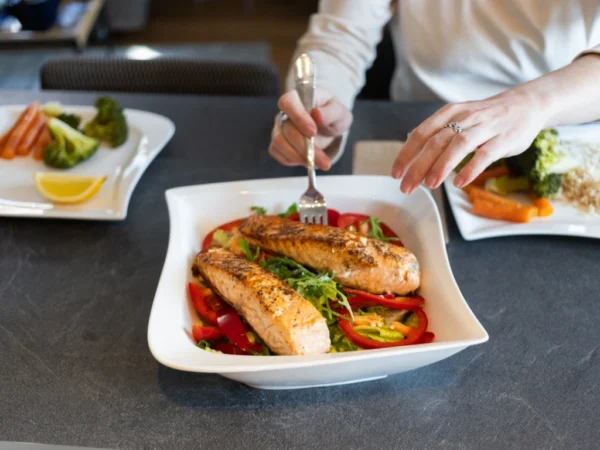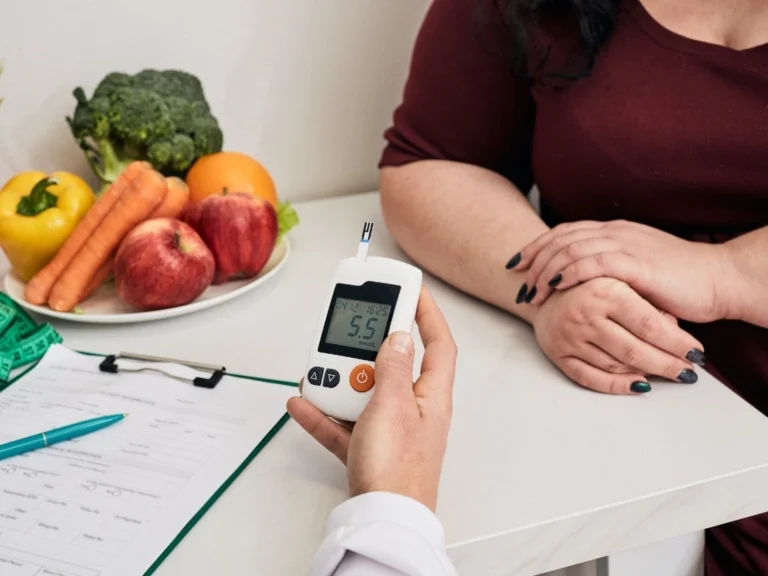









Many people with prediabetes are told to watch what they eat, but they’re rarely given clear steps for how that can be achieved realistically. Contrary to what most may think, a prediabetes diet is less about cutting out entire food groups and more about building balanced meals that keep blood sugar steady and fit into everyday life.
This guide breaks down the basics and includes a simple, seven-day meal plan to help you get started.

How does diet affect prediabetes?
Prediabetes simply means your blood sugar is higher than normal, but not yet in the range of type 2 diabetes. Because food directly influences blood sugar levels, what and how you eat play a central role in managing it.
With prediabetes, your body doesn’t use insulin as efficiently, so food choices have a more noticeable impact on glucose levels.
Here’s how different types of food interact with blood sugar:
- Refined carbohydrates found in white bread, sugary drinks, pastries, and processed snacks break down fast, raising blood sugar quickly and forcing the pancreas to produce more insulin than usual.
- Fiber found in vegetables, beans, whole grains, nuts, and seeds helps sugar enter the bloodstream more gradually, reducing sharp spikes in blood sugar and improving feelings of fullness.
- Protein and healthy fats digest more slowly, helping stabilize blood sugar while reducing hunger and cravings.
- Balanced meals that combine fiber, protein, healthy fats, and complex carbs lead to more gradual rises in blood sugar and fewer energy crashes throughout the day.
What is the best diet for prediabetes?
The best diet for prediabetes is one that keeps blood sugar stable, promotes a healthy weight, and is sustainable long-term. While there’s no single perfect plan that suits everyone, successful eating patterns tend to focus on:
- Balanced meals that include protein, fiber, and healthy fats
- Fewer refined carbs, like sugary drinks and white bread
- Mostly whole, minimally processed foods
Some people may consider very low-carb approaches like keto for prediabetes. While these may lower blood sugar in the short term, they can be difficult to maintain and often exclude nutrient-dense foods like fruits, whole grains, and beans. Most people do better with a balanced, sustainable approach.
This is why many experts recommend the Mediterranean diet, a heart-healthy eating pattern known for its emphasis on vegetables, fruits, whole grains, legumes, nuts, and healthy fats, with moderate consumption of fish and minimal consumption of red meat.
Research shows this diet can lower levels of glycated hemoglobin (or HbA1c), a key marker of blood sugar control, by potentially reducing insulin resistance, oxidative stress, and inflammation. In essence, it also helps minimize the risk of progression to type 2 diabetes.
Foods to eat if you have prediabetes
An ideal prediabetes diet relies on the following food groups as its building blocks:
Lean proteins
Lean proteins are essential for managing prediabetes, as they help steady blood sugar levels and support fullness without the saturated fats. Include a source of protein at each meal, such as chicken (choose leaner options like skinless chicken breasts or ground chicken), lean fish, shellfish, eggs, tofu, and Greek yogurt.
High-fiber carbohydrates
Fiber content from whole grains, beans, lentils, sweet potatoes, and whole-grain breads provides a slower, steadier release of glucose, helping minimize blood sugar spikes.
Non-starchy vegetables
Vegetables like broccoli, cauliflower, spinach, bell peppers, zucchini, and tomatoes are low in calories and carbohydrates but high in fiber and nutrients. They help fill your plate without significantly raising blood sugar.
Unsaturated or healthy fats
Avocados, nuts, seeds, olive oil, and fatty fish provide healthy fats that support satiety and slow digestion, helping keep blood sugar levels more stable after meals.
Low-carb fruits
Eating foods low in carbs is generally recommended for people with prediabetes. This is especially valuable when eating fruits with innate sweetness. Go for berries, oranges, peaches, watermelon, cantaloupe, and plums — all of which are usually high in fiber and water content. These components help slow the digestion of natural sugars.
Foods to limit or reduce with prediabetes
Managing prediabetes doesn’t require strict avoidance, although some foods are best eaten less often due to their impact on blood sugar.
Sugary drinks
Soda, sweetened teas, energy drinks, and flavored coffees deliver large amounts of sugar without fiber, causing rapid spikes.
Refined carbohydrates
White bread, white rice, pastries, and many boxed cereals digest quickly, leading to fluctuations in blood sugar. Opt for whole-grain alternatives instead for steadier energy.
Highly processed snacks
Chips, crackers, and packaged baked goods often combine refined carbs, added sugars, and unhealthy fats. This combo makes them less filling and more likely to cause overeating.
Foods high in added sugar
Desserts, candy, flavored yogurts, sauces, and many packaged products add extra sugar, making blood sugar control harder. Reading labels can help keep your intake in check.
7-day meal plan for eating well with prediabetes
One simple way to build balanced meals is the Diabetes Plate Method — a flexible, easy template that works for most eating styles:
- Use a 9-inch plate when preparing a meal.
- Cover half the plate with non-starchy vegetables.
- Reserve a quarter for lean protein.
- Use the remaining quarter for quality carbs like whole grains, beans, starchy vegetables, fruit, or low-fat dairy.
The meal ideas below offer a practical way to visualize what a week’s worth of a prediabetes diet can look like using this method. Portions are general examples, so your needs may differ depending on factors like hunger, activity level, and health goals. For a more personalized plan, consider working with a registered dietitian.

Day 1
- Breakfast: ¾ cup Greek yogurt, 1 small whole wheat pancake + ½ cup strawberries, 1 cup spinach/cucumber
- Lunch: 3–4 oz chicken stir-fry with 2 cups broccoli, carrots, potatoes, and bell peppers, served with ½ cup brown rice
- Dinner: 3–4 oz baked white fish over ½ cup brown rice and 2 cups steamed vegetables

Day 2
- Breakfast: Harissa eggplant shakshuka (2 eggs with sauteed eggplant and tomato) on 1 slice whole-grain toast
- Lunch: Niçoise salad (2 cups mixed greens, 3–4 oz protein from tuna, ½ cup potatoes)
- Dinner: Chicken wonton soup (1–2 cups bokchoy, 3 oz chicken, small portion of wontons)
Day 3
- Breakfast: Protein oatmeal (1 cup protein oatmeal made with ½ cup of milk and 4-5 large egg whites) topped with ½ chopped apple and 1 cup of cucumbers on the side
- Lunch: Pulled pork nachos (3 oz pulled pork with ¾ cup baked tortilla chips) topped with 2 cups cabbage, carrots, tomatoes, and jalapenos
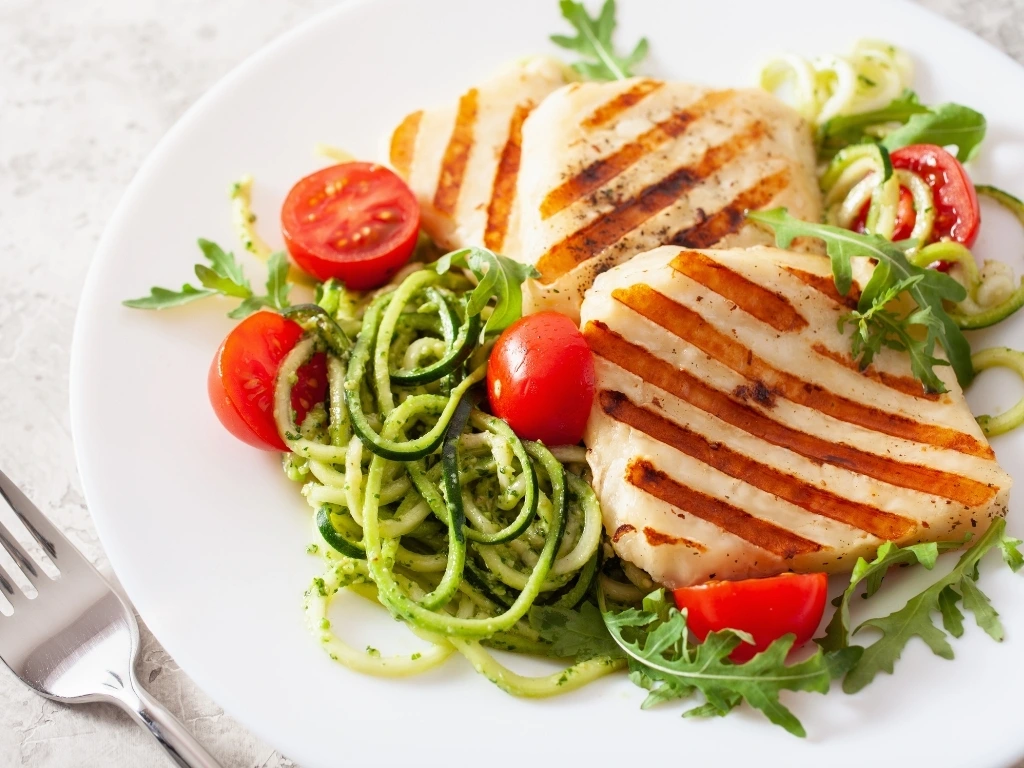
- Dinner: 3–4 oz peanut-lime chicken with ½ cup quinoa and 2 cups zucchini noodles, tomatoes, and bell peppers
Day 4
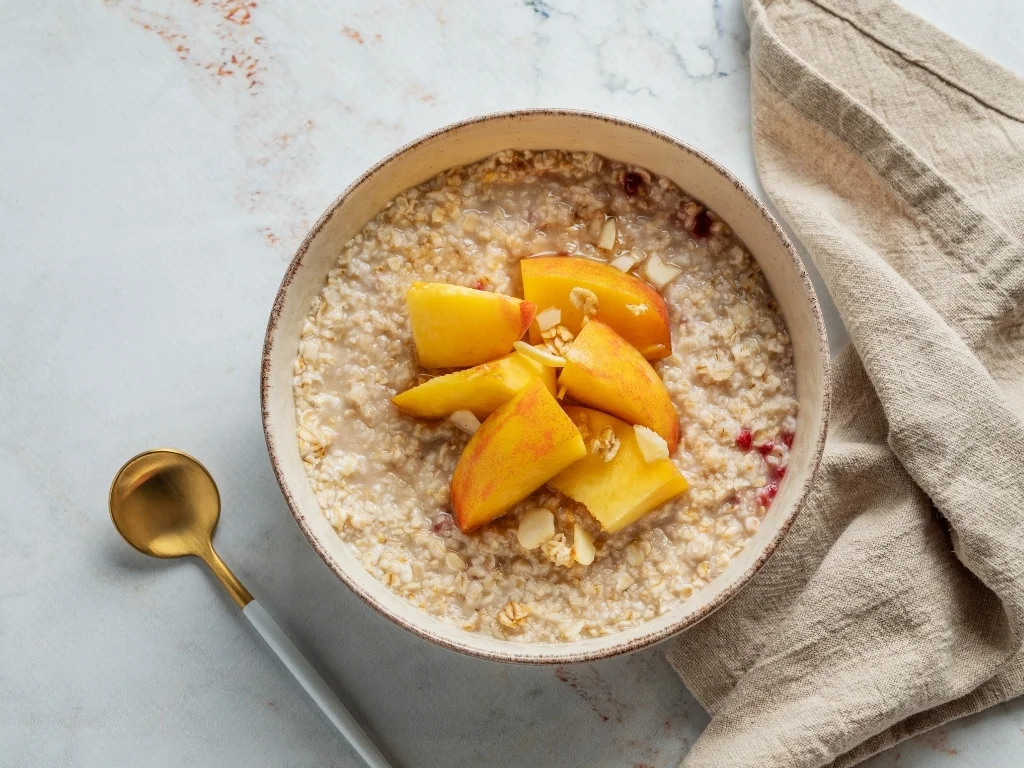
- Breakfast: ½ cup oats cooked into porridge topped with ½ cup ricotta, sliced peach or figs, and 1 tbs chia seeds (for additional taste, you can include a small drizzle of honey)
- Lunch: Thai-style rainbow salad with 2 cups kale, tomatoes, bell peppers, ¾ cup grilled tofu, ½ cup quinoa, and peanuts (1–2 tbsp)
- Dinner: 3–4 oz grilled pork loin with ½ cup cooked sweet potato, 2 cups green beans, and roasted cauliflower
Day 5
- Breakfast: 3 oz turkey sausage hash with 2 cups Brussels sprouts and spinach, served with ½ cup sweet potato fries
- Lunch: 3–4 oz grilled salmon + 2 cups mixed veggie antipasto salad with artichokes and sun-dried tomatoes, ½ cup whole-grain gnocchi or whole-grain pasta
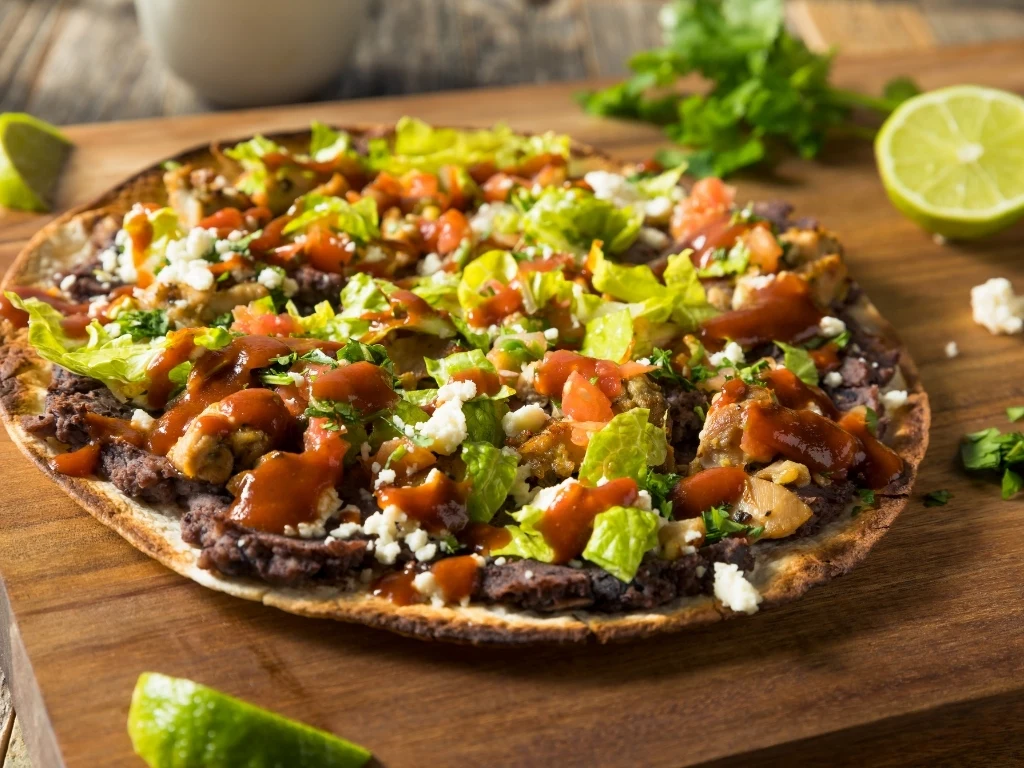
- Dinner: Black bean corn tostadas (½ cup beans on 1–2 small tortillas) topped with reduced-fat queso, lettuce, and pickled onion

Day 6
- Breakfast: ¾ cup cottage cheese with 1 slice whole-grain toast and ½ cup peaches, and a small side of walnuts and 1 cup cherry tomatoes
- Lunch: 3–4 oz chicken pesto quinoa salad (½ cup quinoa) or ½ sweet potato and 2 cups roasted/mixed vegetables
- Dinner: Sheet pan jambalaya with chicken and shrimp (3–4 oz total protein), 2 cups roasted bell peppers and cauliflower rice, and optional ¼–½ cup of rice if needed.
Day 7
- Breakfast: 2 hard-boiled eggs over 1–2 whole-grain avocado toast with 1 cup vegetable-mango salad
- Lunch: 3–4 oz grilled shrimp with ½ cup beans over a 2 cups salad with avocado.
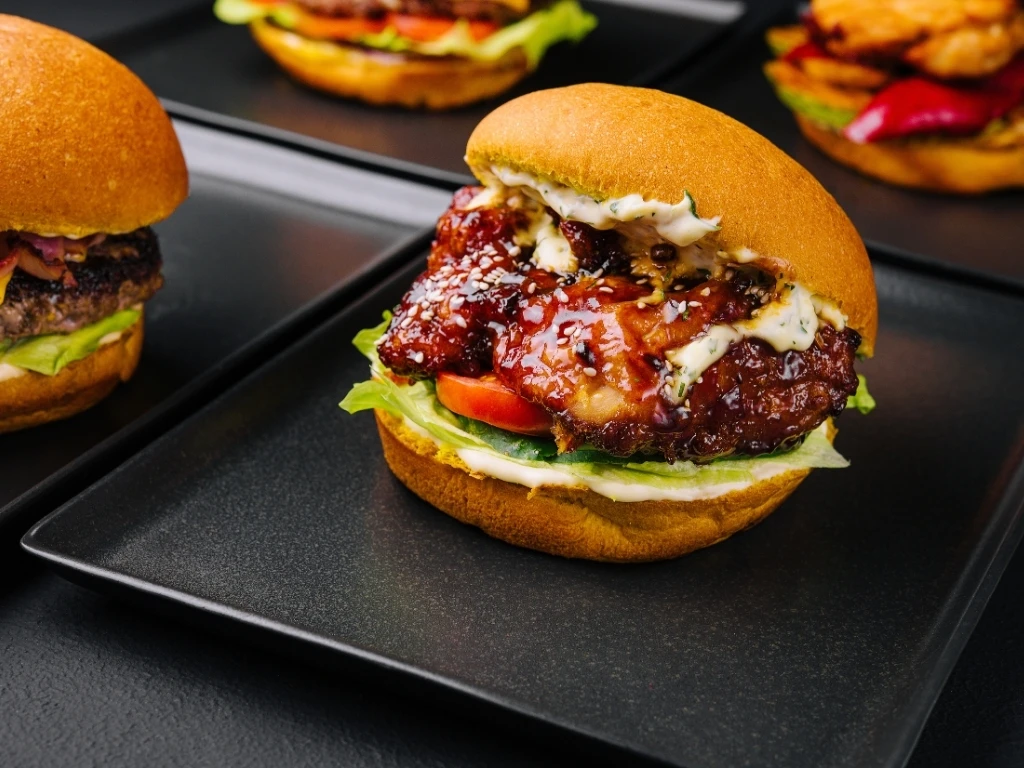
- Dinner: 3–4 oz turkey + black bean burger (½ cup of beans) served with lettuce, onion, and tomatoes on a whole-grain bun
Tips for building a sustainable diet for prediabetes
Creating eating habits that last matters more than following strict rules in the short term. These simple practices can help keep blood sugar on track.
- Build balanced plates. Include protein, fiber-rich carbs, and healthy fats to support stable glucose levels.
- Don’t skip meals. Eating regularly prevents big swings in hunger and blood sugar.
- Plan your snacks ahead. Having nutrient-dense options ready helps reduce reliance on high-sugar choices.
- Read food labels. Check for added sugars and refined ingredients that can cause spikes in blood sugar.
- Stay consistent. Keep a predictable eating schedule to help your body regulate blood sugar more effectively.
Create balanced meals that support your everyday life with Health Loft
While these sample meals may be a helpful starting point, managing prediabetes starts with actively choosing to eat and live well. Aside from maintaining a balanced prediabetes diet, other lifestyle choices — such as healthy eating habits, regular physical activity, and mindful intake of carbs, protein, and fiber — also count towards stabilizing blood sugar and lowering the risk of type 2 diabetes.
At Health Loft, our registered dietitians who specialize in diabetes care put food-first strategies at the core of a more comprehensive approach to recovery. We believe a prediabetes diet should be supportive, not restrictive, of your day-to-day life, so we work with you and your primary healthcare provider to ensure our recommendations align closely with your current symptoms, medications, health status, and personal preferences.
Redefine the role of food in your recovery plan by reaching out to a Health Loft dietitian today.
This article was reviewed by Katie Whitson, RD, LD. It is intended for informational purposes only and does not replace personalized nutritional advice.