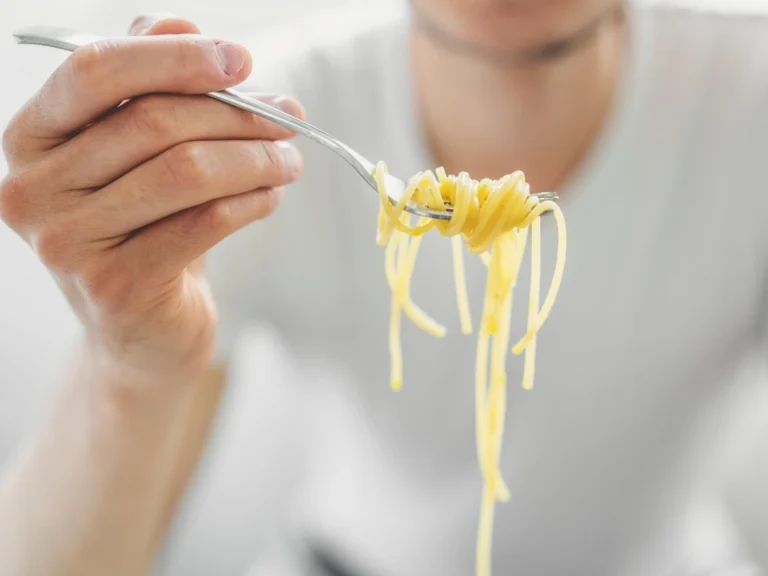









Adjusting your diet is often one of the first steps you’d take after being diagnosed with gluten intolerance. While the idea of eating gluten-free may sound simple, it can be more challenging than expected, especially when you need to follow it every day. Gluten appears in many common foods, which makes avoiding it a learning process for many people.
A good place to start is familiarizing yourself with gluten-containing foods to avoid and reliable alternatives you can easily swap them with. With a little planning, gluten-free meals can still be flavorful, varied, and nutritionally balanced. Exploring practical substitutes and simple meal ideas can make everyday eating feel much easier and more enjoyable.

What is gluten intolerance?
Gluten intolerance — often used interchangeably with non-celiac gluten sensitivity — refers to a condition where individuals develop uncomfortable symptoms after eating foods that contain gluten, a protein naturally found in wheat, rye, and barley. Given how widely used these ingredients are, gluten is commonly present in everyday foods such as bread, pasta, cereals, and baked goods. It may also appear in items where it’s less expected, such as medicine, dietary supplements, and even non-food items like soaps, toothpaste, and certain cosmetic products that use gluten as a binder.
For some people, the body has difficulty processing gluten even though the small intestine is not damaged, as is the case with celiac disease. This can lead to a range of symptoms that often affect digestion, but may also influence energy levels, mood, and well-being in general. Symptoms may include:
- Abdominal pain
- Diarrhea
- Constipation
- Nausea after eating
- Fatigue
- Headaches
- Trouble concentrating (”brain fog”)
- Joint pain
- Skin rashes
These symptoms don’t appear the same way for everyone. For instance, some individuals report experiencing discomfort right after eating gluten, while others may feel it several hours later. Because of these variations, identifying gluten-containing foods to avoid and adjusting dietary habits gradually are essential steps to managing the intolerance.
10 foods to avoid with gluten sensitivity (and 10 suggested alternatives)
You don’t need to compromise taste or nutrition when you remove gluten from your diet. Below are everyday products with gluten that you should avoid — and some naturally gluten-free substitutes that can help you enjoy similar meals but without physical discomfort.
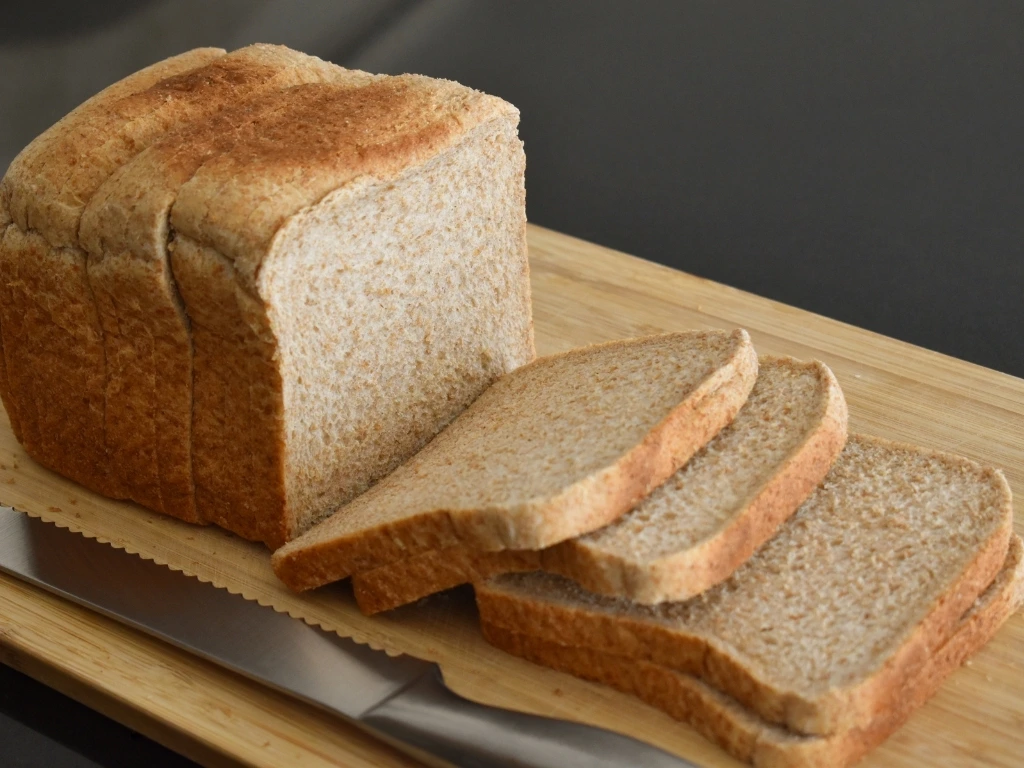
1. Wheat bread
Bread, bagels, and many sandwich rolls are typically made with wheat flour, one of the main sources of gluten. Because bread is a staple food in many diets, it’s often one of the first foods to avoid with gluten sensitivity.
What to eat instead: gluten-free bread or rice products
You can still eat bread on a gluten-free diet — just make sure to check the ingredient list and opt for choices made with rice flour, almond flour, or chickpea flour. Since rice is gluten-free, products like rice cakes and steamed rice breads also work well as filling substitutes for traditional breads.
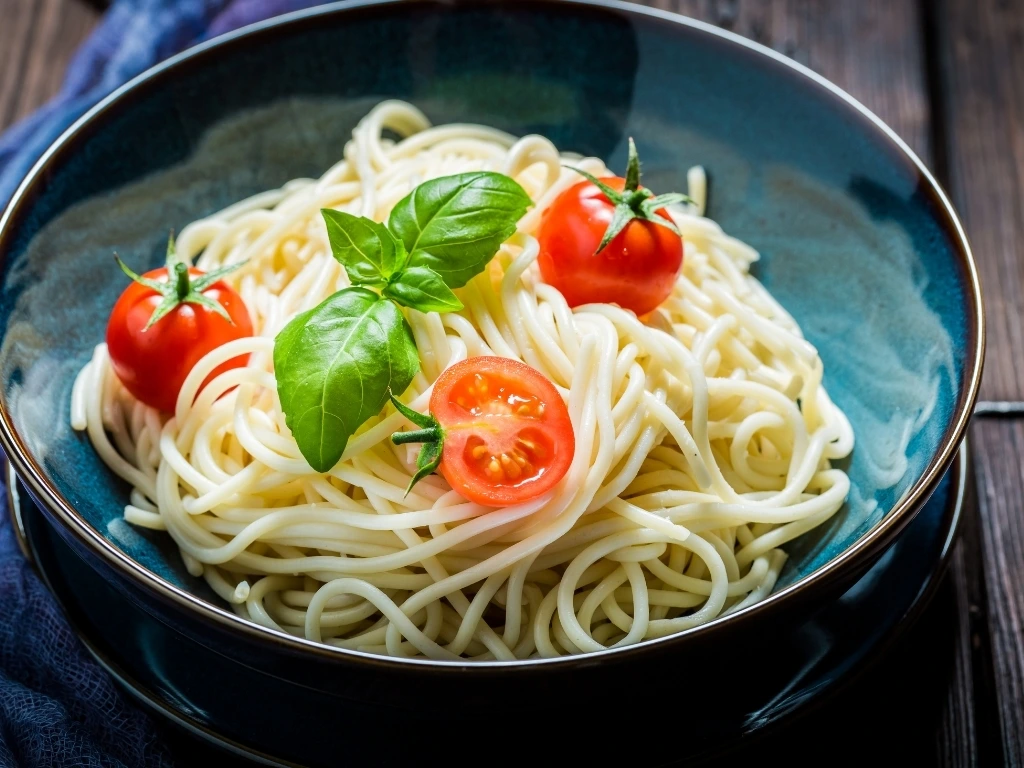
2. Traditional pasta
Pasta is another kitchen staple, used in a variety of meals from spaghetti to macaroni salads. Most pasta is made from durum wheat or semolina, both of which contain gluten.
What to eat instead: quinoa or gluten-free pasta
Pasta made from quinoa is a gluten-free option that’s healthy and naturally safe for gluten-sensitive individuals. By choosing this to replace traditional pasta in salads, bowls, and side dishes, you’re also adding extra protein and fiber to your dishes. Other gluten-free pastas you can consider are made from lentils, rice, or corn.
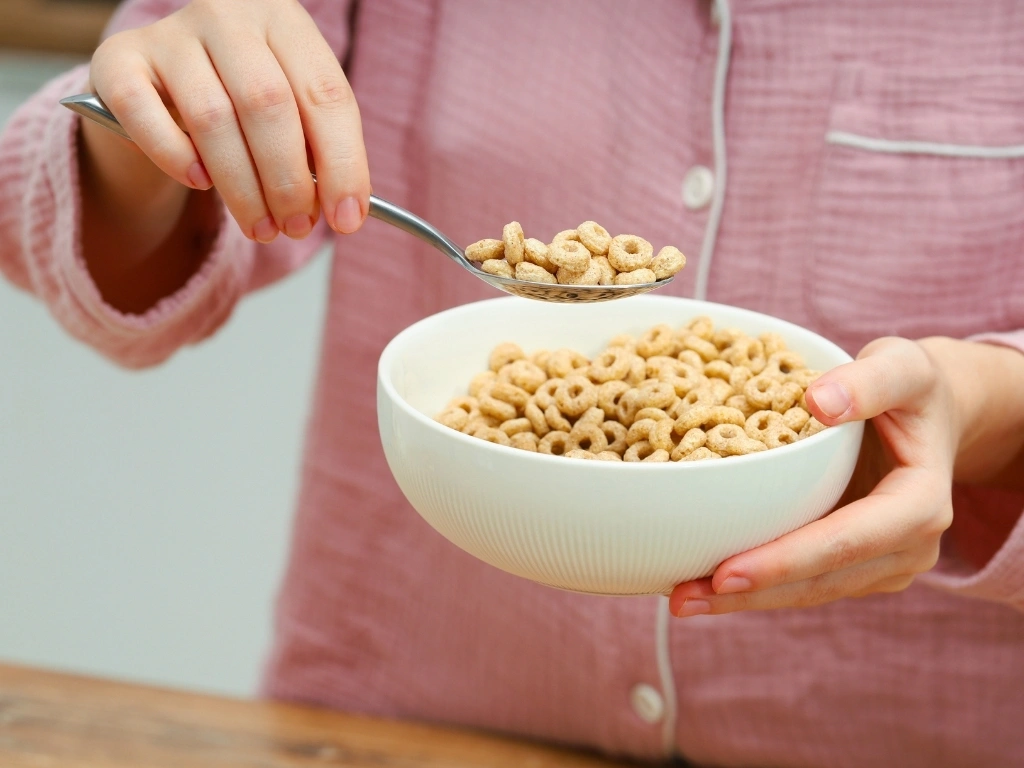
3. Breakfast cereals with barley malt
Breakfast cereals are convenient during early mornings, but they usually contain gluten from wheat or barley malt extract. Even cereals made with corn or rice may also include barley malt, so it’s important to pay close attention to ingredient lists when shopping.
What to eat instead: gluten-free oats or rice cereal
Selecting alternatives for this one is rather simple: choose cereals labeled gluten-free or reach for safe options like plain rice cereal. These alternatives provide a similar texture and are often fortified with vitamins, so it likely won’t feel like a drastic switch.
4. Couscous and bulgur
Bulgur is a whole-grain cracked wheat that’s high in fiber and has a chewy texture, while couscous is a processed, refined pasta made from semolina flour. These two ingredients usually appear in many salads, grain bowls, and Mediterranean dishes. While they may look like grains, they’re actually made from wheat, which means they’re high in gluten.
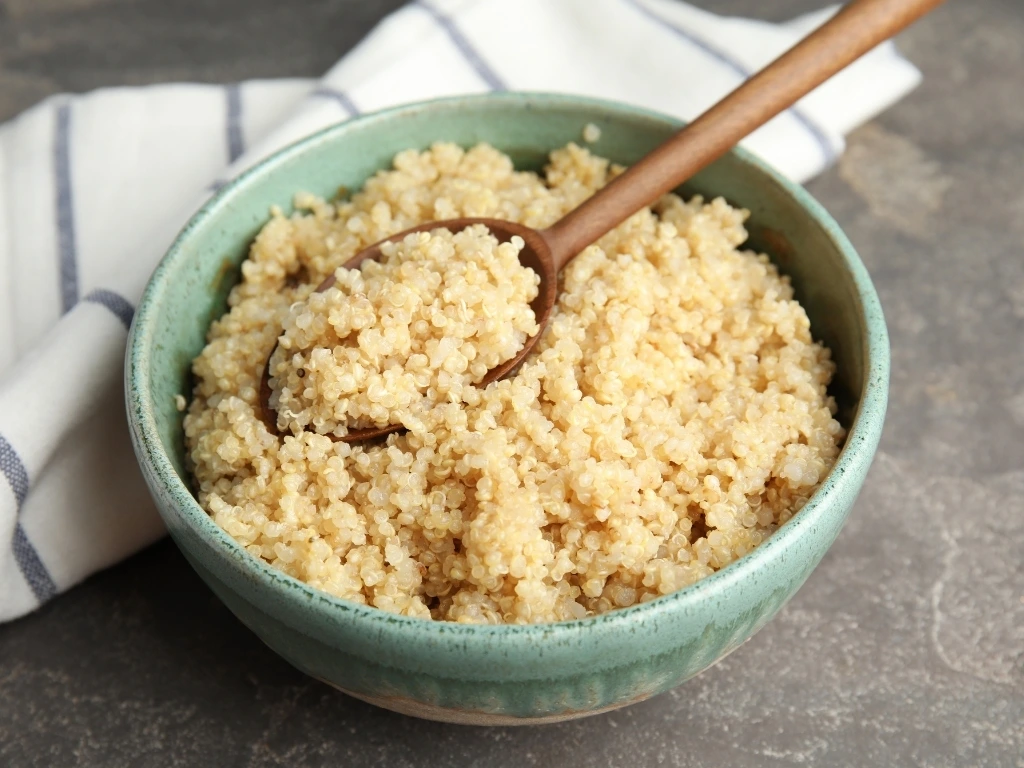
What to eat instead: quinoa or rice
Quinoa is a great substitute because it has a similar light texture and nutty flavor. Rice can also be an alternative worth considering. Either grain works well in salads, soups, and side dishes that would normally require couscous or bulgur.

5. Soy sauce
Soy is gluten-free in its natural form. However, when it’s processed into soy sauce, it is traditionally brewed with wheat, meaning it contains gluten. Soy sauce is often used in stir-fried meals or as a marinade or dip.
What to eat instead: tamari
Tamari is a Japanese soy sauce that’s usually made with little to no wheat, and many brands offer it free of gluten completely.
6. Breaded or coated fried foods
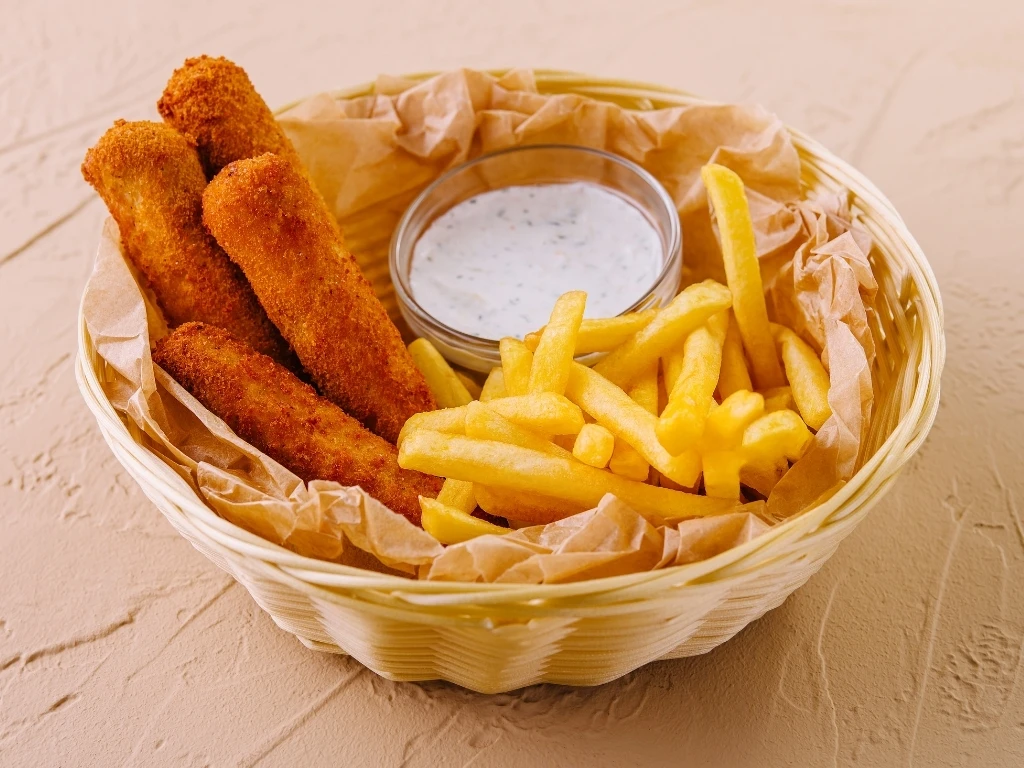
Foods like fried chicken and fish sticks aren’t gluten-free on their own because they often come coated and fried in breadcrumbs made from wheat flour. These coatings, not the foods themselves, are a common hidden source of gluten in many restaurant dishes.
What to eat instead: fried foods using gluten-free coatings
Almond flour, crushed gluten-free cornflakes, or crushed nuts are all dependable alternatives to breadcrumbs. Use any of these when coating foods before they’re fried.
If you want to avoid breaded sides altogether, vegetables or potatoes can easily replace them. Potatoes are gluten-free and are excellent whether mashed, roasted, or baked, making them versatile options to round out your plate.
When dining out, it’s best to take extra caution by asking the waitstaff if your order can be fried separately from gluten-containing foods. Doing this helps avoid potential cross-contamination and unexpected flare-ups.

7. Baked goods
Most baked goods — from muffins and pastries to pies and cookies — rely on wheat flour to give them structure, which makes them common gluten products to avoid, unless labeled as gluten-free.
What to eat instead: gluten-free baked goods
Many bakeries and grocery stores now offer gluten-free treats made with almond, coconut, or rice flour. Be sure to mind the labels and, if needed, personally request these safer options when selecting baked goods.
8. Wheat-based snack foods
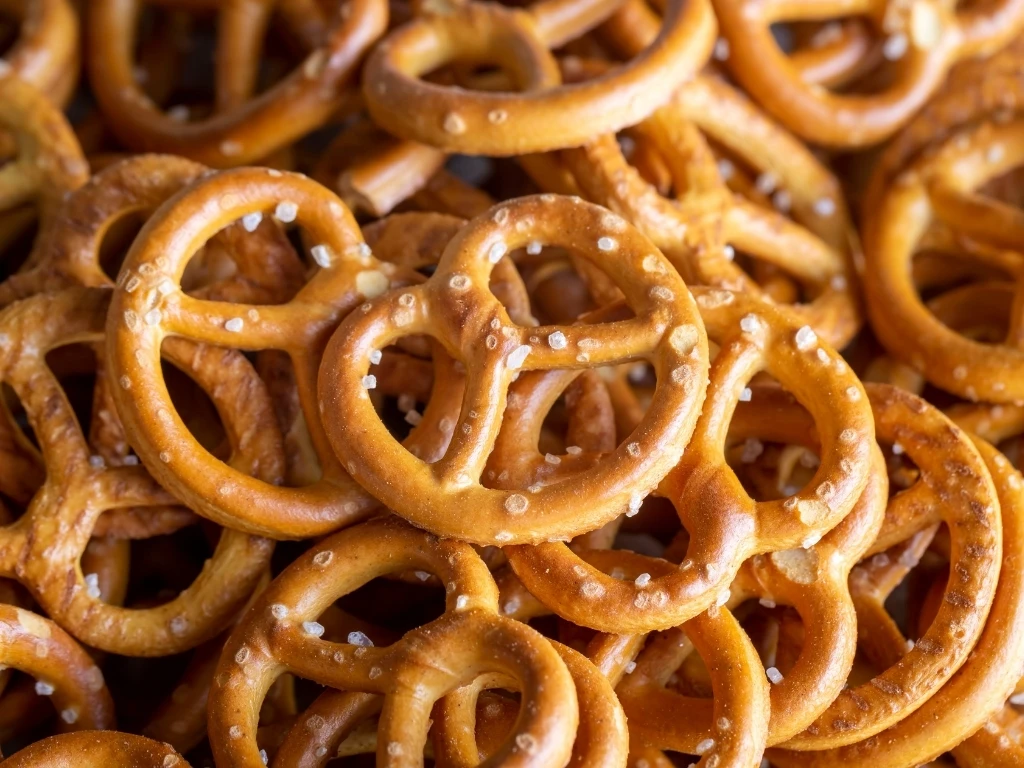
Packaged foods like crackers, pretzels, and many snack bars may be easy to grab and go, but they often use wheat flour and can trigger gluten intolerance.
What to eat instead: Gluten-free snacks
Rice cakes, popcorn, and nuts are some snacks that are naturally gluten-free and are just as convenient to eat as crackers and pretzels. These alternatives also provide crunch and flavor without the digestive discomfort that gluten may cause.

9. Beer and malt beverages
Most beers are brewed with barley, which contains gluten. Malt beverages and some canned cocktails may also include barley-based ingredients.
What to eat instead: gluten-free beer or cider
Safe choices really aren’t so hard to find nowadays, because several breweries also now produce gluten-free beer made from rice, sorghum, or millet. Hard cider is another popular substitute, if you’re keen to explore; it’s made from apples and naturally contains no gluten.
10. Processed foods with hidden gluten
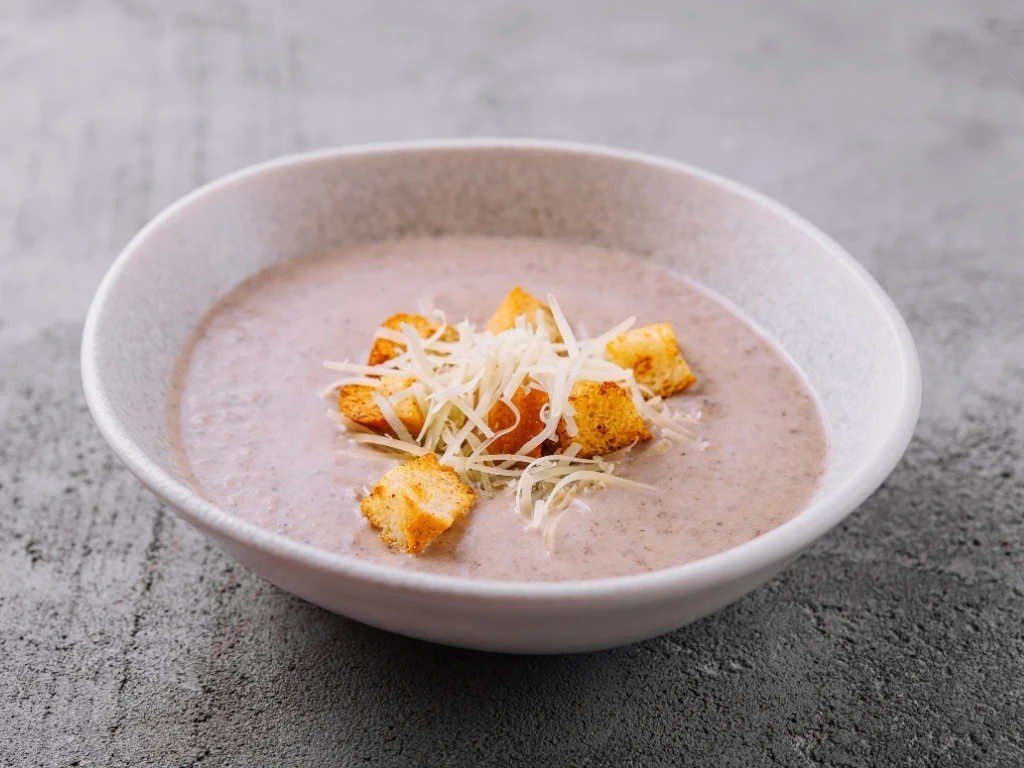
Avoiding foods with gluten can be tricky, mainly because the protein can appear in unexpected items that aren’t well known for containing wheat, barley, or rye — including soups, sauces, salad dressings, and processed meats. This is because manufacturers sometimes add wheat flour as a thickener to enhance the texture and/or palatability of the food.
What to eat instead: whole foods and fresh vegetables
Being extra mindful of the ingredient list is always imperative, but the safest option is to rely on whole foods. For instance, fresh vegetables like leafy greens, peppers, and carrots are naturally gluten-free and can form the base of many healthy, safe meals.
Fresh fruit like berries, citrus, and bananas are additional naturally gluten-free options you can use as fiber- and antioxidant-rich desserts, snacks, or sides.
Gluten intolerance vs. other gluten-related conditions
Gluten intolerance is often confused with other conditions that involve reactions to gluten. Although certain symptoms tend to overlap, these conditions are not the same. They differ in several aspects, from physical symptoms to how they’re diagnosed, and how strictly gluten must be avoided.
Celiac disease
Celiac disease is an autoimmune disorder. This means the body’s immune system mistakenly attacks its own tissues when gluten is consumed, often damaging the lining of the small intestine. This damage can interfere with the body’s ability to absorb nutrients over time.
Symptoms of celiac disease are notably similar to those of gluten intolerance, such as diarrhea, weight changes, fatigue, bloating, and nutrient deficiencies. Because the symptoms overlap, proper testing is important for an accurate diagnosis. Celiac disease is usually diagnosed using blood tests and sometimes through a biopsy of the small intestine.
Unlike gluten intolerance, which doesn’t lead to physical damage, celiac disease requires strict, long-term avoidance of gluten to protect intestinal health and prevent further health complications.
Wheat allergy
A wheat allergy is a classic food allergy caused by the immune system reacting to proteins found in wheat. Allergic reactions — such as hives, swelling, nausea, stomach cramps, a runny nose, or difficulty breathing — can develop quickly after exposure and may vary in severity from person to person. In rare cases, a severe allergic reaction called anaphylaxis is possible.
Healthcare professionals can diagnose a wheat allergy through allergy testing, such as skin-prick tests or blood tests, and treat it through avoidance of foods containing wheat. Working with an allergist may also be necessary to safely identify and manage potential reactions.
Given the overlaps of these conditions with gluten intolerance, it’s important to get proper testing to guide the most appropriate treatment plan for you before making major dietary changes or deciding which gluten foods to avoid.
Allow Health Loft to help you keep meals balanced, enjoyable, and safe
A gluten intolerance diagnosis may be overwhelming, especially in the beginning, given how many gluten-containing foods you must avoid and be wary of. But this process doesn’t have to be highly restrictive. To simplify food substitutions, work with a registered dietitian who specializes in celiac and non-celiac gluten sensitivities.
A qualified expert will not only help you to identify which foods should be avoided and suggest suitable alternatives, but they can also create meal plans that remain nutritionally balanced while still reflecting your personal tastes.
At Health Loft, we help you become more aware of how your body responds to different foods. Because everyone’s experience with gluten intolerance is unique, our dietitians work closely with you to understand your individual needs and symptoms and guide you in managing them so that you can live life free of gluten and worry. Connect with a Health Loft dietitian to learn more.
This article was reviewed by Haleigh Mann, MS, RDN, LDN. It is intended for informational purposes only and does not replace personalized nutritional advice.