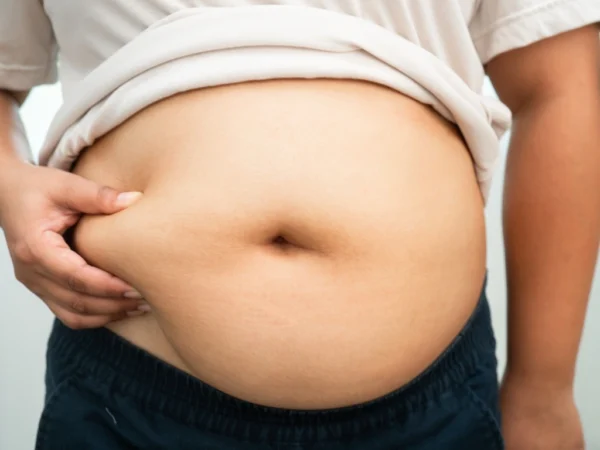









Hypothyroidism can be easy to miss at first. You may be getting enough sleep, yet still feel exhausted. Your weight may slowly increase even though your eating habits haven’t changed. You feel colder than the people around you. On some days, your thinking feels slower than usual.
While medication is the foundation of treatment, a diet for hypothyroidism can play an important supporting role for your energy, metabolism, and overall well-being. Understanding how nutrition connects to thyroid function can help you feel more informed and confident as you manage the condition.

What is hypothyroidism?
Hypothyroidism occurs when the thyroid gland doesn’t produce enough thyroid hormones. These hormones regulate many essential functions, including metabolism, energy production, body temperature, heart rate, and digestion.
When hormone levels are low, these functions slow down, leading to symptoms such as:
- Persistent fatigue
- Unexplained weight gain
- Increased sensitivity to cold
- Brain fog or difficulty concentrating
- Dry skin and hair changes
- Mood shifts
Because thyroid hormones affect nearly every system in the body, even mild imbalances can noticeably impact how you feel physically and mentally.
Can diet affect hypothyroidism?
Diet cannot cure hypothyroidism or replace medications like levothyroxine. Once the thyroid becomes underactive, medication is the only way to restore the hormones your body is no longer producing adequately.
That said, nutrition still matters. The thyroid depends on specific nutrients to produce hormones and convert them to their active forms. The gland primarily releases T4 (thyroxine), which must be converted to T3 (triiodothyronine) to effectively regulate metabolism and energy.
Even though medication remains the primary driver of hormone levels, correcting any nutrient deficiencies you may have can also support your thyroid.
What nutrients are important for thyroid health?
When you have hypothyroidism, low levels of certain vitamins and minerals can make symptoms harder to manage. Ensuring you get nutrients — ideally through food, and supplements only when needed — helps your thyroid function.
Iodine
Iodine is a fundamental building block of thyroid hormones. Without enough iodine, the thyroid cannot produce adequate amounts of T3 and T4.
In many developed countries, severe iodine deficiency is uncommon. However, mild deficiency has reemerged in some populations due to reduced use of iodized salt and changes in dietary patterns. On the other hand, excessive iodine — particularly from supplements or large amounts of seaweed or fortified products — can sometimes worsen thyroid dysfunction- especially in those who may have an autoimmune thyroid disease like Graves’ Disease or Hashimoto’s.
For most people, iodine intake from food is sufficient. Supplementation should only be considered under medical guidance.
Selenium
Selenium supports the conversion of T4 into T3 and helps protect thyroid tissue from oxidative stress. If selenium levels are low, increasing intake can improve thyroid hormone conversion. Most people meet their needs through diet alone. Supplements are usually reserved for confirmed deficiencies or autoimmune conditions like Hashimoto’s thyroiditis, and should be taken under professional guidance.
Zinc
Zinc is involved in multiple aspects of thyroid function, including thyroid-stimulating hormone (TSH) production, hormone conversion, and the cellular action of T3.
When zinc intake is insufficient, thyroid signaling can become less efficient, potentially worsening symptoms like fatigue and immune dysfunction. However, deficiencies are rare, and many individuals obtain enough zinc through a balanced diet that includes animal proteins, dairy, legumes, and whole grains, though deficiencies can still occur.
Iron
Iron is necessary for thyroid hormone production. It’s required for thyroid peroxidase, an enzyme that helps incorporate iodine into active thyroid hormones.
Low iron levels can worsen fatigue, which is already a hallmark symptom of hypothyroidism. Iron deficiency is also associated with lower T3 and T4 levels and higher TSH, particularly in women of reproductive age. Pairing iron-rich foods with vitamin C, such as citrus fruits and bell peppers, can help improve absorption.
Protein
Protein supports metabolism, muscle maintenance, and stable energy levels — all of which can be affected when thyroid function is low.
While typical protein intake doesn’t directly change thyroid hormone levels, severe deficiency, as seen in cases of malnutrition, may impair overall thyroid function. Including enough protein at each meal helps preserve lean muscle mass and maintain steady energy.
What are the best foods to eat for an underactive thyroid?
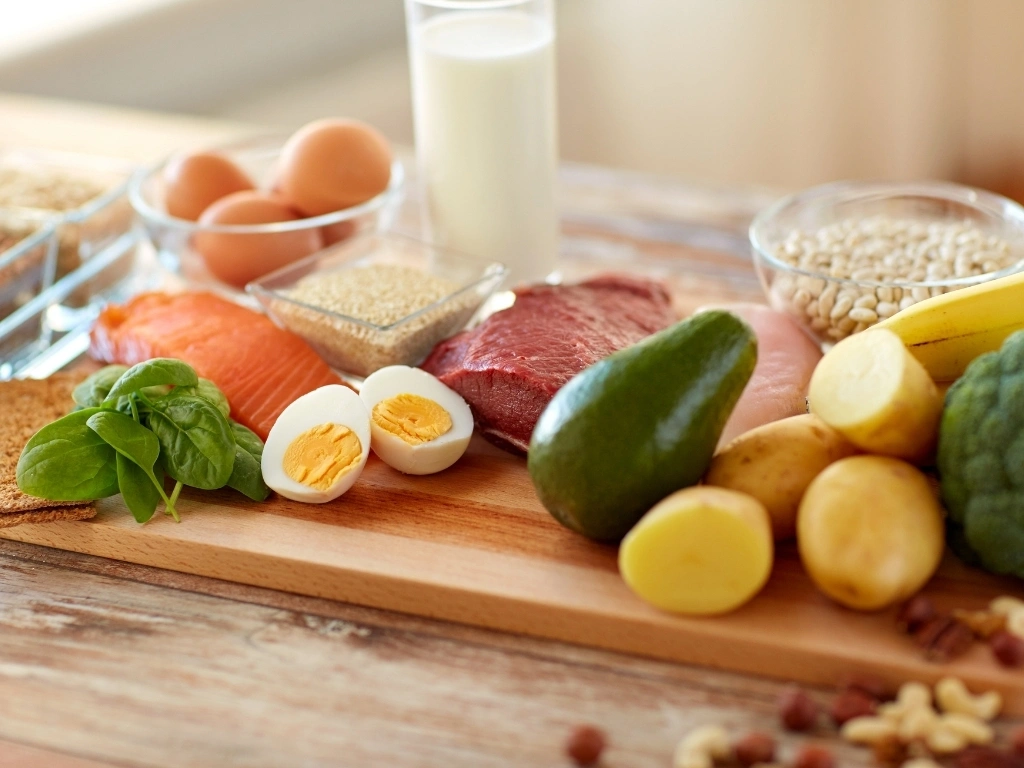
A balanced, nutrient-rich diet can support your overall health to help you maintain stable energy while managing hypothyroidism. Here are some foods you can eat when you have hypothyroidism:
Seafood
Many types of seafood naturally contain selenium and iodine, both of which are essential for thyroid hormone production and conversion. Including seafood a few times a week can help maintain healthy levels. Good options include:
- Salmon
- Cod
- Shrimp
- Tuna
- Seaweed (in small amounts or occasionally, as iodine levels can vary and at times be very high)
Eggs
Eggs are a convenient source of protein, along with selenium and zinc, which help regulate thyroid hormone activity. They’re versatile, affordable, and easy to prepare, making them a practical addition to most diets. You can choose:
- Chicken eggs
- Duck eggs
- Quail eggs
Lean meats
While protein needs vary depending on lifestyle and activity, lean meats supply high-quality protein and heme iron, which is easily absorbed by the body. Consider adding these to your grocery list:
- Chicken breast
- Turkey
- Lean beef
- Pork loin
- Venison
Dairy (if tolerated)
Dairy products provide iodine, protein, and other nutrients that support metabolism and bone health. Examples include:
- Milk
- Yogurt
- Cheese
- Kefir
- Cottage cheese
However, tolerance differs from person to person, so if dairy doesn’t work for you, lactose-free or fortified plant-based milks can be good substitutes.
Legumes
Legumes are a plant-based source of protein, iron, and zinc, all of which help with energy and hormone production. They also provide fiber, which supports digestion and stable blood sugar. Good choices include:
- Lentils
- Chickpeas
- Black beans
- Kidney beans
- Navy beans
Whole grains
Whole grains provide fiber, protein, and iron, helping stabilize blood sugar and support digestive health. Balanced blood sugar can help reduce fatigue and sluggishness. Try adding these to your diet:
- Oats
- Quinoa
- Brown rice
- Barley
- Buckwheat
Nuts and seeds
Nuts and seeds offer selenium, zinc, and healthy fats that support metabolism and hormone balance. They also make convenient snacks. Options include:
- Brazil nuts
- Sunflower seeds
- Pumpkin seeds
- Almonds
- Walnuts
Fruits and vegetables
Most fruits and vegetables provide antioxidants, vitamins, and minerals that boost immune function, metabolism, and overall resilience. Aim for several servings per day to create a strong nutritional foundation. Some accessible options to consider are:
- Apples
- Berries
- Spinach
- Kale
- Cooked broccoli
Are there foods you should limit with hypothyroidism?
Limiting or moderating the following foods can help your thyroid work more efficiently and support overall health:
- Highly processed foods: Packaged snacks, fast foods, and processed meats are often high in unhealthy fats, sodium, and additives. Reducing these can help manage inflammation and weight.
- Excess added sugar: Sugary drinks, sweets, and desserts can cause energy spikes and crashes. Using natural sweeteners or cutting back can make energy levels more stable.
- Large amounts of soy (around medication timing): Foods like tofu, soy milk, and edamame contain compounds called isoflavones that may interfere with thyroid hormone absorption. Moderate portions are generally safe, but it’s best to wait three to four hours between eating soy and taking thyroid medication.
- High-dose iodine supplements: While iodine is essential, high-dose supplements are usually unnecessary because most people get enough from food. Excessive supplementation can also disrupt thyroid function.
- Raw cruciferous vegetables (in very large amounts): Vegetables like broccoli, cauliflower, and kale are safe in normal portions, but consuming extremely large amounts raw may affect thyroid hormone production. Cooking them reduces this effect.
- Coffee: Caffeine can also impact the absorption of thyroid hormone medication. Spacing your intake of coffee, espresso, or caffeinated teas apart from medication may help ensure the effectiveness of treatments.
How to time meals with thyroid medication
If you take levothyroxine or another thyroid hormone replacement, timing matters. Certain foods, supplements, and beverages can affect how well your body absorbs the medication.
A few simple habits can help:
- Take medication on an empty stomach with a full glass of water.
- Wait for 30 to 60 minutes before eating breakfast or consuming a cup of coffee.
- Separate calcium and iron supplements by at least four hours.
- Take medication at the same time each day.
Let Health Loft make thyroid-friendly living simple and practical
Eating a balanced diet with hypothyroidism doesn’t have to be complicated. Focusing on balanced meals, whole foods, and consistent routines can support overall health can help you feel more at ease while managing hypothyroidism.
At Health Loft, our registered dietitians specialize in thyroid health. We take the time to understand your symptoms, lifestyle, and nutrition needs, then create a realistic diet that makes managing hypothyroidism easier and fits your life. Telehealth appointments are available for as little as $0, depending on insurance coverage, making expert support convenient and accessible. Connect with a Health Loft dietitian today.
This article was reviewed by Katie Whitson, RD, LD. It is intended for informational purposes only and does not replace personalized nutritional advice.