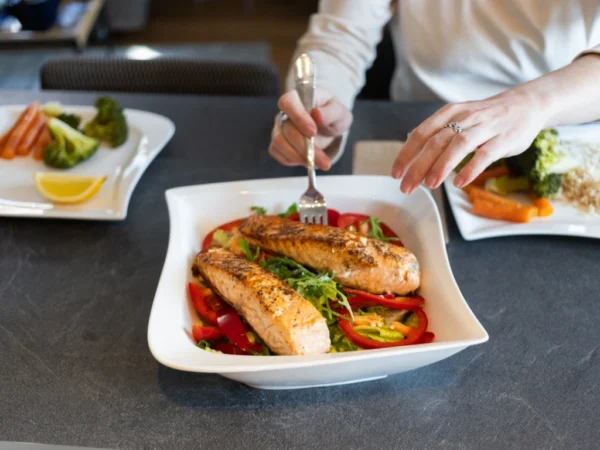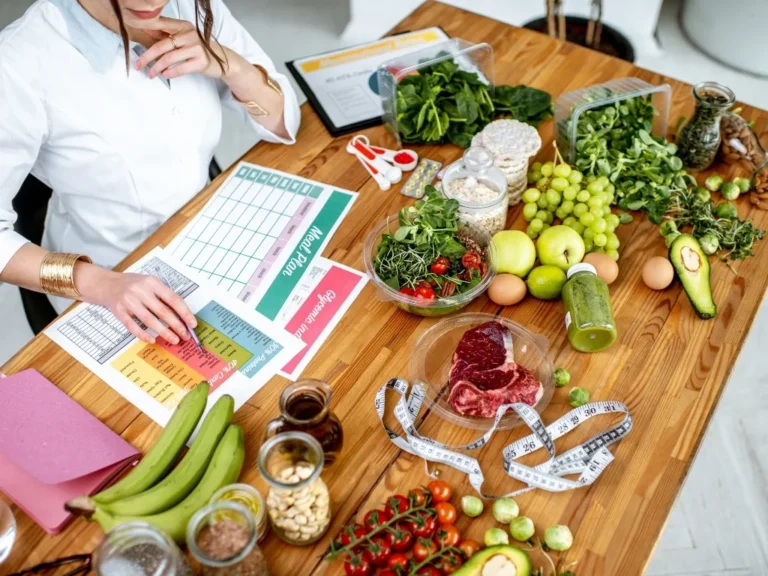









Eating well with ulcerative colitis doesn’t have to be stressful. While some foods may trigger discomfort, a thoughtful ulcerative colitis diet can help you enjoy meals that are both nourishing and gentle on your digestive system.
To help you get started, this guide compiles a week’s worth of sample ulcerative colitis-friendly meals, along with practical tips to support your nutrition and keep your digestion feeling balanced.

What is ulcerative colitis?
Ulcerative colitis is a chronic inflammatory condition that affects the colon and rectum. It’s a type of inflammatory bowel disease (IBD) in which the immune system mistakenly keeps the colon inflamed, sometimes forming small ulcers along its lining.
In the United States, ulcerative colitis affects about 1 to 1.5 million people, making it a relatively common digestive condition. Symptoms can vary but often include diarrhea, abdominal cramping and pain, fatigue, bloating, and frequent or urgent bowel movements. These symptoms tend to flare up periodically, alternating with times of remission.
While there’s no cure for ulcerative colitis, diet and nutrition play a key role in reducing discomfort and supporting gut health. Since food tolerance differs from person to person, it’s important to monitor how your body responds and adjust accordingly.
What foods should you eat with ulcerative colitis?
With ulcerative colitis, there’s no single best diet that applies to everyone. That said, paying attention to how foods affect your gut can make a big difference. Here are some food staples to add to your diet:
Lean proteins
Lean proteins are easier to digest than fatty or heavily processed meats, which can be especially helpful for people with ulcerative colitis.
Research shows that protein can help protect and repair the gut in several ways: it can strengthen the intestinal barrier, improve mucin secretion (which protects the gut lining), support tight junction proteins (which keep the gut lining intact), regulate gut bacteria, and reduce inflammation.
Here are some lean protein options you can add to meals:
- Chicken
- Fish (like salmon, cod, or tilapia)
- Eggs
- Tofu
- Low-fat yogurt
Cooked vegetables
Along with protein, vegetables are another important part of an ulcerative colitis-friendly diet. Choose vegetables with lower insoluble fiber content and cook them until tender to help reduce irritation and improve digestibility, while still providing essential nutrients.
Here are some examples of low-fiber vegetables:
- Squash
- Carrots
- Spinach
- Green beans
- Sweet potatoes
Low-fiber fruits
Fruits may be nutrient-rich, but the type and amount of fiber in them dictate how well they’d be tolerated by people with ulcerative colitis. Low-fiber fruits are easier on the gut. During flare-ups, tolerance can be improved further by peeling, removing seeds, cooking, or pureeing fruits, as well as consuming them in small portions.
However, everyone’s tolerance varies, so consult with your doctor or a registered dietitian to determine the best approach and how long a low-fiber plan is needed.
Here are some fruits you can try:
- Bananas (ripe)
- Watermelon
- Applesauce (without skins)
- Papaya
- Avocado (ripe, in small amounts)
Refined grains
Refined grains have lower fiber, making them easier to digest and gentler on the gut during flare-ups. Whole grains, on the other hand, provide more fiber, vitamins, and minerals that support gut health and beneficial bacteria, though they can sometimes cause gas or discomfort when the gut is sensitive.
Because fiber tolerance varies, many people do best with refined grains during active symptoms, then slowly reintroduce whole grains in small portions as their digestion improves.
Some options include:
- White rice
- Plain pasta
- Sourdough bread
- Simple, low-fiber crackers (like saltines or water crackers)
- Bagels or English muffins
Healthy fats
Incorporating healthy, anti-inflammatory fats, such as monounsaturated and omega-3 fats, may help reduce inflammation, support gut health, and improve nutrient absorption. Because fats can be harder to digest in large amounts, portions should be moderated and adjusted as needed to prevent stomach discomfort.
Some examples of healthy fats include:
- Olive oil
- Avocado
- Nuts (like almonds or walnuts)
- Fatty fish (like salmon or sardines)
In general, these foods are meant to be gut-friendly options that could work for many people with ulcerative colitis. Try introducing them one at a time and track how much you can tolerate, and any symptoms you notice.
Foods that may trigger symptoms for some people
While everyone’s tolerance varies, being mindful of these common triggers can help manage discomfort and prevent symptoms from worsening.
- High-fiber foods: Foods like beans, lentils, and raw vegetables may be harder to digest during active flares and can cause bloating or diarrhea. Smaller amounts are better tolerated during remission.
- Spicy foods: Capsaicin in spicy foods can irritate an already sensitive gut and may increase cramping, discomfort, or urgency during flare-ups.
- Alcoholic drinks: Alcohol may worsen inflammation, trigger flare-ups, and interfere with medications. Drinks like wine and cocktails also contain high amounts of sugar or sulfites, which can further irritate the gut.
- Coffee and tea: Caffeine stimulates the gut, which may lead to more cramping or diarrhea during active symptoms. Certain caffeine-free herbal teas may feel gentler during flares.
- High-fat foods: Fatty or fried foods can be harder to digest and may cause more inflammation, making the gut lining weaker and worsening bloating, stomach pain, or diarrhea. Foods high in saturated fat may also affect how your gut handles digestion and inflammation.
Everyone’s gut responds differently, so foods that don’t appear in this list can still trigger symptoms, depending on your individual tolerance. If symptoms worsen, consult your doctor or a registered dietitian.
7-day meal plan for ulcerative colitis
This week-long diet plan is a useful starting point for planning meals around gut-friendly, tolerable foods. Use it flexibly, swapping ingredients as necessary to adjust the meals based on your personal preferences and what works best for your body.

Day 1
- Breakfast: Soft scrambled eggs on sourdough toast
- Lunch: Lemon-olive oil chicken over jasmine rice with roasted carrots
- Dinner: Miso-glazed salmon with mashed sweet potato and sautéed zucchini
- Snack: Banana with honey
Day 2
- Breakfast: Creamy oatmeal with cinnamon and maple syrup
- Lunch: Turkey and melted mozzarella on white bread
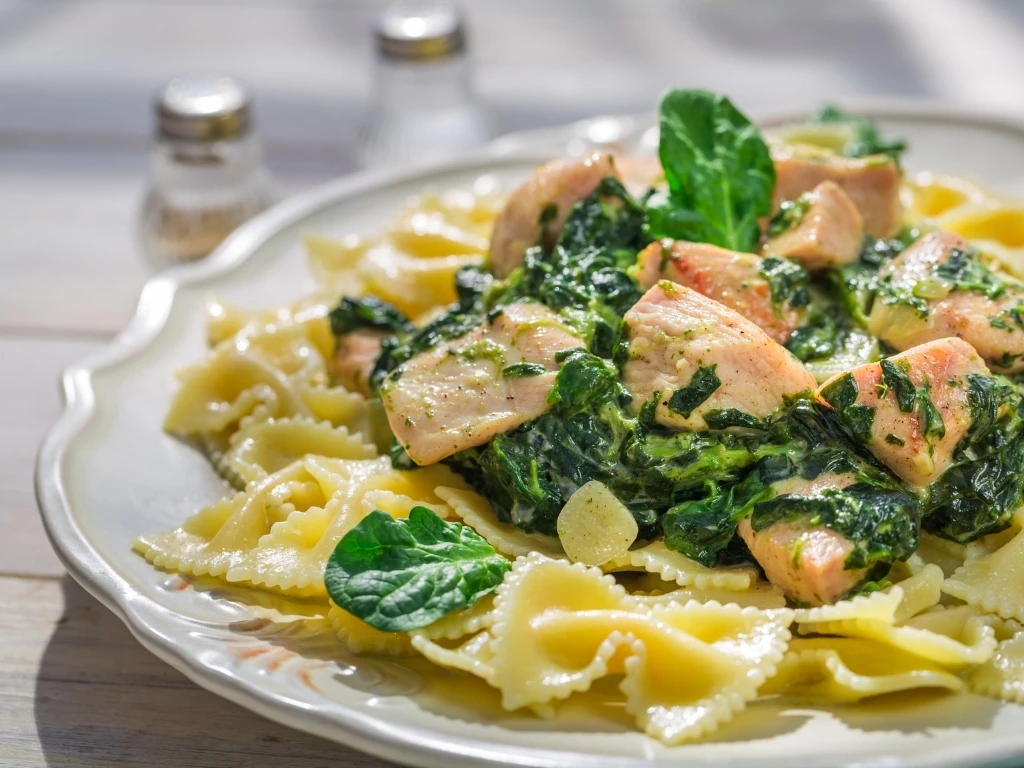
- Dinner: Garlic-infused pasta with chicken and wilted spinach
- Snack: Rice crackers with smooth nut butter
Day 3
- Breakfast: Lactose-free yogurt with mashed banana
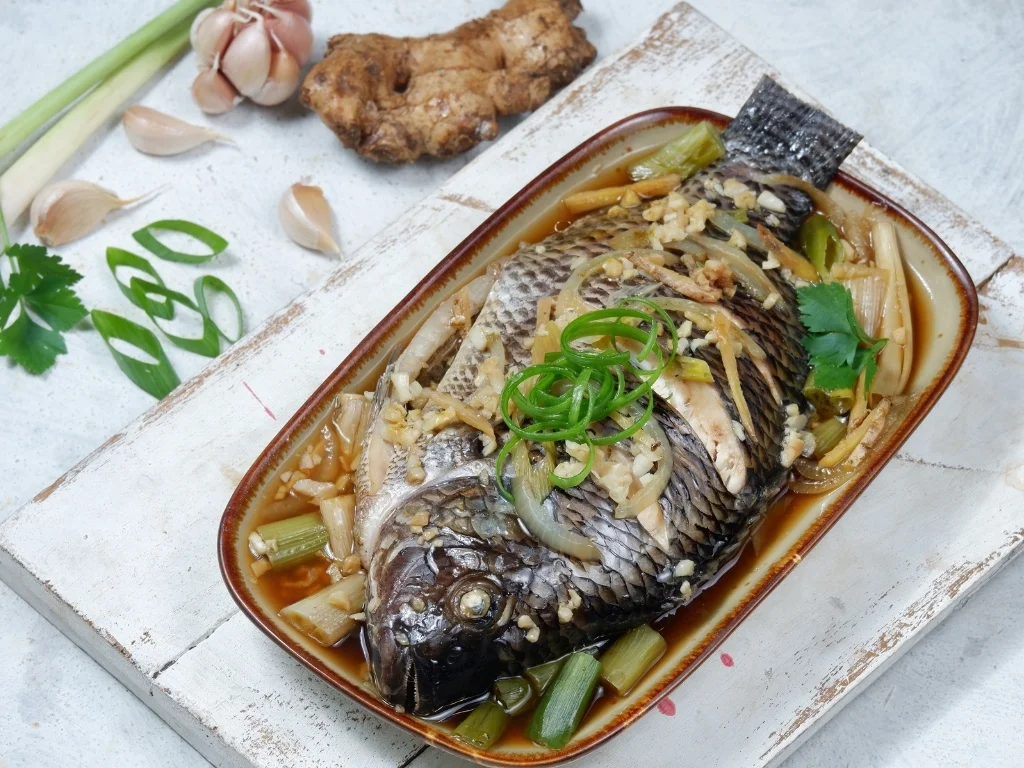
- Lunch: Ginger-steamed fish with rice and soft bok choy
- Dinner: Chicken noodle soup with slow-cooked veggies
- Snack: Applesauce with cinnamon
Day 4
- Breakfast: Egg and cheese wrap (white flour tortilla)
- Lunch: Warm pasta salad with shredded chicken and cooked carrots
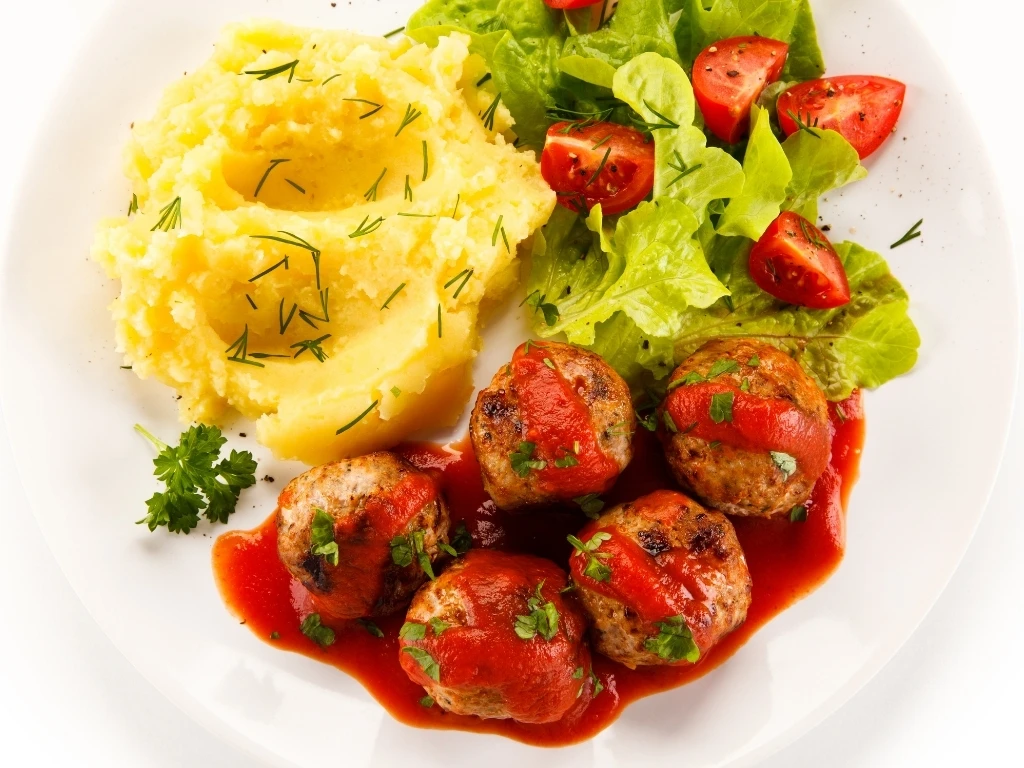
- Dinner: Baked turkey meatballs with creamy mashed potatoes
- Snack: Melon slices
Day 5
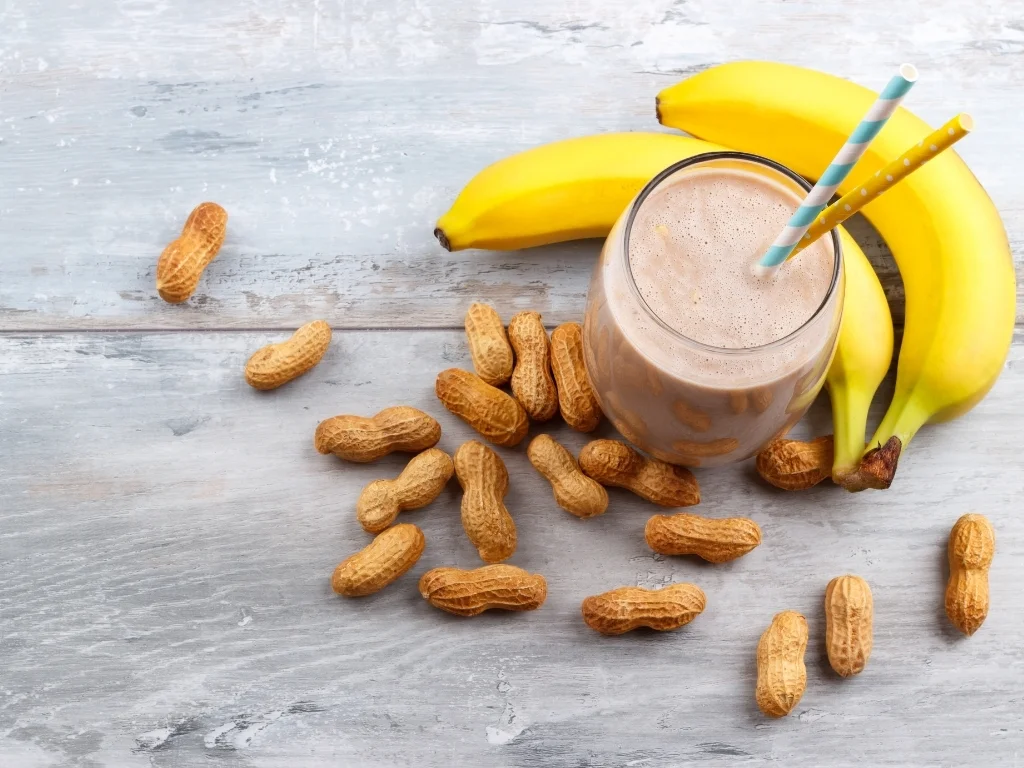
- Breakfast: Banana smoothie with almond milk and peanut butter
- Lunch: Chicken and rice bowl with sautéed zucchini
- Dinner: Herb-baked cod with buttered rice and carrots
- Snack: Soft low-fiber granola bar

Day 6
- Breakfast: Toasted sourdough with peanut butter and honey
- Lunch: Tuna pasta with olive oil and lemon zest
- Dinner: Turkey burger on a white bun with roasted potatoes
- Snack: Yogurt or dairy-free pudding

Day 7
- Breakfast: Smoothie with banana and lactose-free milk
- Lunch: Chicken and rice soup
- Dinner: Baked cod with white rice and cooked carrots
- Snack: Applesauce
Tips for making meals gentler on your gut
If you have ulcerative colitis, simple changes like these can make meals easier on your gut, especially during flare-ups:
- Cook foods instead of eating them raw: Cooking softens foods and makes them easier for your gut to handle. This can help lower irritation and reduce symptoms like bloating or cramping.
- Choose smaller, more frequent meals: Big meals can be harder to digest. Smaller, more frequent meals are usually gentler and can help keep symptoms more manageable.
- Eat slowly and chew thoroughly: Taking your time helps your body break food down more easily. It can also reduce stomach discomfort after eating.
- Stay hydrated throughout the day: Ulcerative colitis can lead to fluid loss, especially during flares. Staying hydrated supports digestion and helps your body recover.
- Introduce new foods one at a time: Adding foods slowly makes it easier to notice what works for you and what doesn’t. This helps you avoid triggers and build a diet that feels safer over time.
Let Health Loft help you rebuild confidence around food
Managing your diet with ulcerative colitis can be a challenge, since food tolerance often shifts between flare-ups and periods of remission. A registered ulcerative colitis dietitian helps you identify the foods your body tolerates best, build balanced meals around them, and determine whether supplements might be helpful.
At Health Loft, we focus on building your confidence in your food choices while supporting nutrition, energy, and overall well-being. Our flexible eating plans are tailored specifically to your symptoms, preferences, medical history, and lifestyle, so you can nourish yourself without cutting out more than necessary.
Partner with a Health Loft dietitian to receive personalized, hands-on support and a balanced way of eating that supports your gut as it heals.
This article was reviewed by Adrienne DePaul, MS, RDN. It is intended for informational purposes only and does not replace personalized nutritional advice.