









Ulcerative colitis often brings uncertainty, and it’s natural to look for ways to feel more in control of your health. Many people turn to supplements to promote gut health, address potential nutrient gaps, and make day-to-day management a little easier.
While they’re not a cure, supplements for ulcerative colitis can play a supportive role within a broader care plan when used thoughtfully alongside medical treatment and dietary changes.

Why take supplements for ulcerative colitis?
Supplements are intended to complement your diet to fill in nutrient gaps and meet nutritional needs. In ulcerative colitis, chronic inflammation, diarrhea, and periods of reduced food intake — especially during flares — can interfere with nutrient absorption. Over time, this may increase the risk of deficiencies in nutrients such as vitamin D, iron, and certain B vitamins.
Because of this, some people with ulcerative colitis choose supplements to help support overall health. That said, supplements work best when they’re tailored to individual needs. They are meant to complement a balanced diet, not replace it. If you’re unsure whether a supplement is appropriate for you, a physician or registered dietitian can help you decide what’s safe and likely to be beneficial.
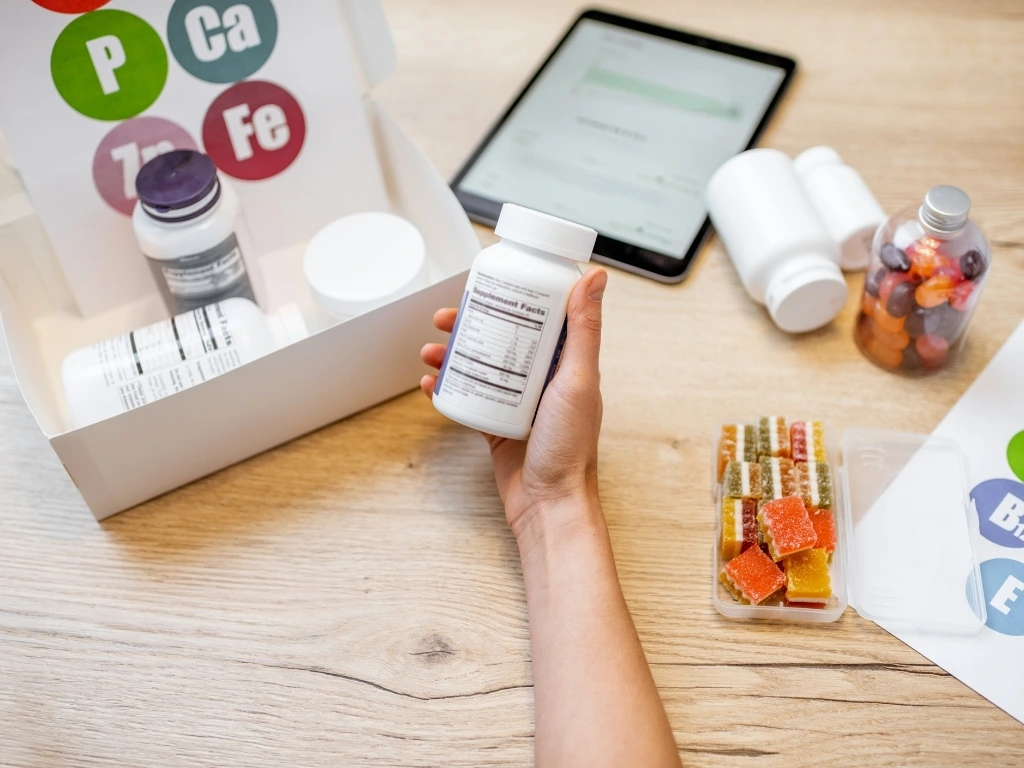
Supplements for ulcerative colitis: what are the best options?
Below is a closer look at commonly used supplements for ulcerative colitis and what current research suggests about their potential role in gut health.
Vitamin D
Vitamin D deficiency is common in people with ulcerative colitis. This can be influenced by inflammation, reduced absorption, dietary intake, and everyday factors such as sun exposure. Lower levels of the vitamin have been linked to more frequent flares, fatigue, and weaker bones.
Studies have shown that increasing daily vitamin D intake among adults with mild to moderate ulcerative colitis can reduce disease activity and significantly improve quality of life.
Vitamin B9 and B12
Folate (vitamin B9) and vitamin B12 are both essential for making healthy red blood cells. Folate specifically assists in DNA creation, while B12 maintains nerve and cell function.
In ulcerative colitis, folate deficiency is generally more common than vitamin B12 deficiency. This is often linked to malabsorption, as well as the use of certain medications that can further inhibit folate absorption.
On the other hand, B12 deficiency is more strongly associated with Crohn’s disease, another type of inflammatory bowel disease (IBD). B12 is absorbed in the terminal ileum, an area typically affected in Crohn’s. Even so, people with ulcerative colitis can still develop low B12 levels, particularly if inflammation interferes with absorption or if dietary intake is limited. Those who eat little or no animal products may also be at higher risk.
Because folate and B12 work closely together, low levels of either can contribute to anemia, fatigue, and neurological symptoms. Routine supplementation of these vitamins isn’t always necessary for ulcerative colitis. However, screening and targeted supplementation may be beneficial for individuals with risk factors or symptoms of deficiencies. Annual blood work may also be needed to help identify and monitor these gaps.
Iron
Iron deficiency is the most common nutrient deficiency in IBD, especially ulcerative colitis, due to blood loss from chronic inflammation or reduced absorption. Even a mild deficiency can reduce energy and quality of life, potentially leading to symptoms such as fatigue, dizziness, pale skin, and difficulty concentrating.
While iron is best obtained from food, supplements may be necessary to restore levels in some cases. Because higher doses can irritate the gut, iron supplementation should always be discussed with a healthcare provider.
Calcium and magnesium
Calcium and magnesium are important minerals for people with ulcerative colitis.
Low magnesium levels are common and should be checked regularly. Common causes include diarrhea, malabsorption, restricted diets, or chronic inflammation. Too little magnesium may lead to fatigue, muscle cramps, weaker bones, and problems with nerve function. Magnesium also supports the immune system and encourages beneficial gut bacteria, including Lactobacillus, which may reduce inflammation.
Calcium is equally important, as people with ulcerative colitis have a much higher risk of osteoporosis (bone loss) due to chronic inflammation, steroid medications, and not getting enough calcium from food. Many people avoid dairy because they believe they are lactose intolerant, which is a major reason for low calcium intake. Calcium may also benefit gut health by supporting helpful bacteria, such as Bifidobacterium, and bacteria that produce propionate, which can strengthen the intestinal lining and help reduce inflammation.
Probiotics
Probiotics are among the best supplements for ulcerative colitis because they can help restore a healthy balance of gut bacteria, which is often disrupted in this condition. They can increase beneficial microbes such as Lactobacillus and Bifidobacterium, limit the growth of harmful microbes, produce gut-supportive fatty acids, and strengthen the intestinal barrier.
Both animal and human studies suggest that certain probiotic strains may help reduce inflammation, support tissue healing, and promote remission in mild to moderate ulcerative colitis. Probiotics are generally safe, but their effects depend on the strain, dose, and individual gut environment, and they work best when used alongside conventional treatment.
Other supplements used sparingly
Some supplements may be helpful in specific situations but aren’t necessary for everyone with ulcerative colitis. Their effects tend to vary, so it’s best to introduce them gradually to see how your body responds.
Omega-3 fatty acids
Omega-3 fatty acids may help reduce inflammation in some people with ulcerative colitis, particularly those with mild disease or as part of an anti-inflammatory diet. Effectiveness isn’t consistent for all, so careful monitoring is necessary to assess tolerance.
Fiber supplements
Soluble fiber, such as psyllium, can support regular bowel movements if well-tolerated. They are generally recommended only for people who do not experience increased bloating, discomfort, or urgency, and should be introduced slowly.
Supplements to avoid with ulcerative colitis
Certain supplements can irritate the gut, interact negatively with other medications, or worsen symptoms. Knowing which supplements to use cautiously can help protect your digestive health.
- High-dose iron tablets: While iron is important, high doses can cause constipation, nausea, or gastrointestinal irritation. Many people with IBD tolerate lower doses (up to 100 mg/day of elemental iron) or liquid forms better. In cases of severe anemia or active disease, intravenous (IV) iron may be recommended by a healthcare provider.
- Certain herbal supplements: Herbs like aloe, senna, or other natural laxatives can overstimulate the intestines, potentially causing cramping, diarrhea, or increased inflammation. These should generally be avoided unless specifically recommended by a healthcare professional.
- Large doses of magnesium: While magnesium is important for health, excessive intake can trigger diarrhea, bloating, or stomach cramps, especially during flare-ups. Supplements should be kept within safe limits (≤350 mg/day for adults), with ongoing monitoring by your healthcare provider.

How to safely choose and take supplements
While supplements can help address nutritional gaps and support the gut, using them safely is key to ensuring proper ulcerative colitis care. Here are some ways to maximize their effectiveness:
Talk with your doctor or dietitian
Before starting any new supplement, consult a healthcare professional familiar with your ulcerative colitis and treatment plan. They can help identify which supplements may be helpful, which to avoid, and the appropriate dosage for your needs.
Track side effects and symptom changes
Start with one supplement at a time whenever possible. If your doctor recommends multiple, follow their guidance but still monitor your body closely. Keep a log of what you take, when you take it, and any changes in symptoms or side effects to help guide adjustments.
Check for medication interactions
Some supplements can affect how medications are absorbed or processed. Always review potential interactions with your doctor or pharmacist before adding a new supplement to your routine.
Choose quality products
Select supplements from reputable brands that are third‑party tested for purity and potency. Read labels carefully for dosage, ingredient sources, and expiration dates. Avoid megadoses unless recommended by a healthcare professional.
Let Health Loft support your journey to better gut health
Managing diet and supplements in ulcerative colitis is most effective when guided by a professional. Nutritional needs can change between flare-ups and remission, and a registered dietitian specializing in ulcerative colitis can help determine which supplements may be beneficial, safely integrate them into your daily routine, and create nutrition plans that help balance them alongside a nutrient-dense diet.
At Health Loft, our mission is to make managing your gut health feel less stressful and more empowering, while helping you maintain your energy, nutrition, and overall well-being. Partner with a Health Loft dietitian for compassionate, personalized guidance that supports your body’s healing and helps you build strength sustainably.
This article was reviewed by Solveig Adalsteinsdottir, MS, RDN, LDN. It is intended for informational purposes only and does not replace personalized nutritional advice.