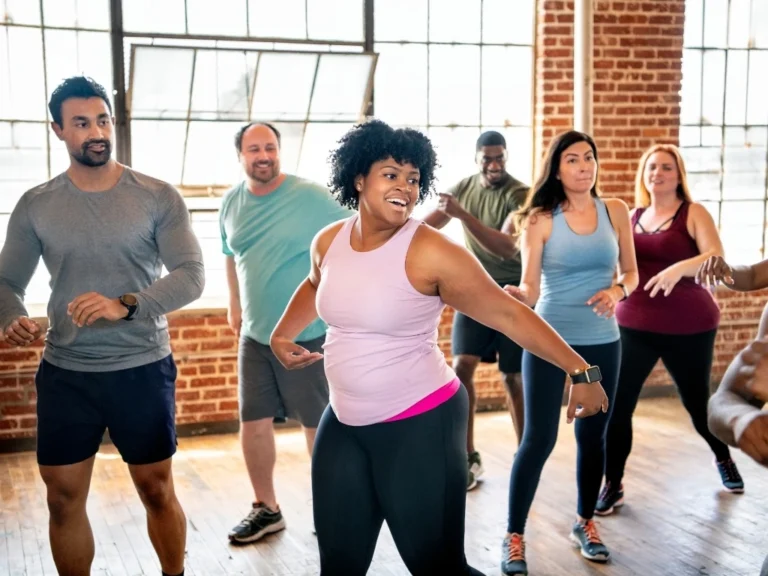









Exercise is often a positive part of life, helping people feel stronger, calmer, or more grounded. But in some cases, it can start to feel less like a choice and more like an obligation. When missing a workout leads to guilt, anxiety, or distress, exercise may no longer be serving your well-being.
Exercise bulimia and anorexia athletica are terms used to describe situations where exercise becomes compulsive and closely linked to disordered eating. They can look different from person to person, but both involve movement that feels driven rather than supportive. What often matters most isn’t how much someone exercises, but how they feel about it and what happens emotionally when they can’t.
Over time, compulsive exercise can take a toll on both the body and the mind. At the same time, it’s important to note that exercising frequently does not automatically indicate a problem. Recovery is possible, and with the right support, people can rebuild a relationship with movement that feels safer, more flexible, and genuinely caring.

What is exercise bulimia?
Exercise bulimia is a form of disordered eating where exercise is used to “compensate” for eating, often right after episodes of overeating or emotional eating. Instead of moving for enjoyment or health, workouts can become tied to food intake, weight, or feelings of guilt. While it’s not officially listed as a separate diagnosis in the Diagnostic and Statistical Manual of Mental Disorders, Fifth Edition (DSM-5), the term is widely used to describe patterns that can affect physical and emotional health.
People with exercise bulimia often feel strong pressure to exercise, especially after meals, and may significantly reduce or skip food in the days following emotional eating episodes. Exercise bulimia can increase the risk of fatigue, injury, and persistent preoccupation with food and exercise, as taking breaks from compensatory exercise tends to feel uncomfortable, anxiety-provoking, or undeserved.
What is anorexia athletica?
Anorexia athletica is a pattern of excessive exercise often linked to low energy availability. It’s commonly discussed under the broader concept of relative energy deficiency in sport (RED-S), which captures its wide-ranging effects on health and performance across all genders.
This pattern is most observed in sports where being very lean or light is considered an advantage, such as gymnastics, ballet, running, or swimming. Unlike exercise bulimia, which is usually driven by weight control or guilt around eating, anorexia athletica is more commonly motivated by performance demands, athletic identity, or pressure to meet strict training standards. However, these patterns can overlap, as perfectionism, body image concerns, and performance pressure may influence both.
People with anorexia athletica may push themselves to exercise even when tired, injured, or unwell. Workouts often feel rigid, and rest days can provoke discomfort or distress. Over time, this can affect both physical and mental well-being, increasing the risk of injuries, hormonal disruptions, chronic fatigue, and psychological stress.
Both anorexia athletica and exercise bulimia can carry serious health risks if left unchecked. Recognizing these patterns early and seeking support can help individuals maintain a healthier, more balanced relationship with exercise and their bodies.
Signs and symptoms of compulsive exercise
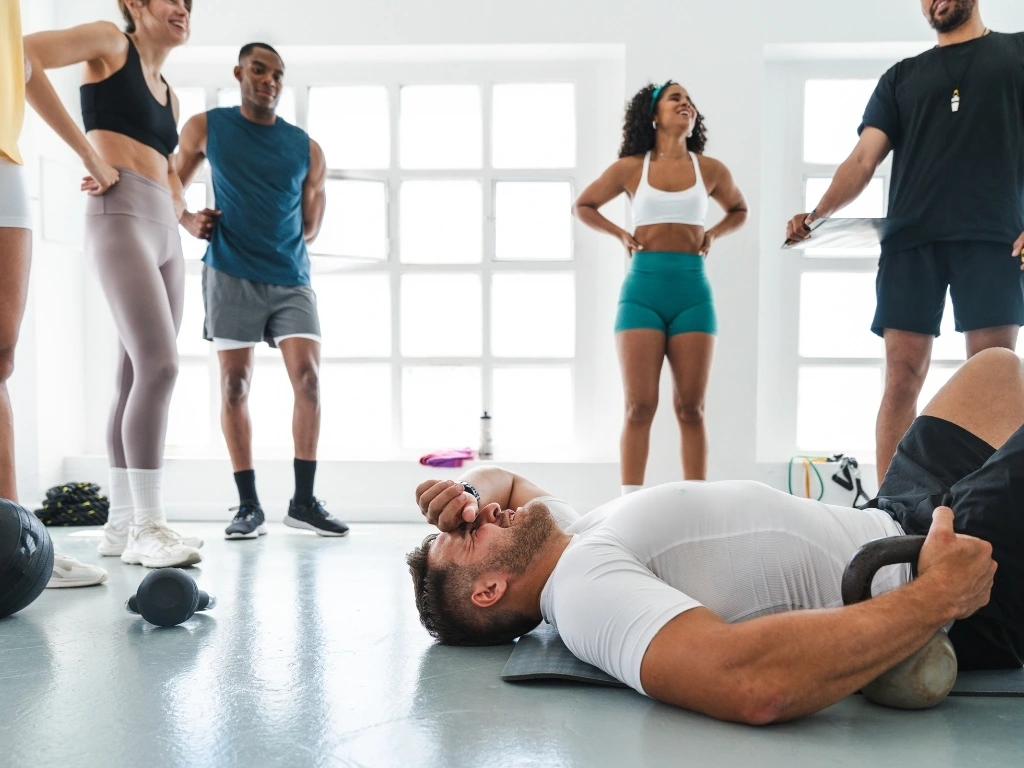
Compulsive exercise (sometimes described as dysfunctional or problematic exercise) can show up in different ways. Some common signs include:
- Exercise that interferes with work, school, relationships, or daily responsibilities, or continues even when there is an injury or a medical reason to stop
- Intense feelings of anxiety, guilt, irritability, or emotional distress when exercise isn’t possible or a workout is missed
- Following a very rigid or excessive exercise routine, even when the body is exhausted, unwell, injured, or conditions aren’t safe
- Feeling uncomfortable with rest days, recovery, or any stretch of time without movement
- Relying on exercise as a primary way to cope with stress, emotions, or difficult feelings
- Exercising with the goal of “burning off” calories or compensating for eating
- Feeling that exercise is required in order to feel permitted or deserving to eat
- Keeping exercise behaviors hidden or secretive, or downplaying how much is actually being done
- Feeling constantly driven to go harder, faster, or longer, with a lingering sense that it’s never enough
- Pushing the body into overtraining without allowing adequate time for recovery
- Withdrawing from friends, family, or social activities to prioritize exercise
If you notice these patterns in yourself or someone else, it may be helpful to reach out, talk openly, and ask for help.
What you need to know about overtraining
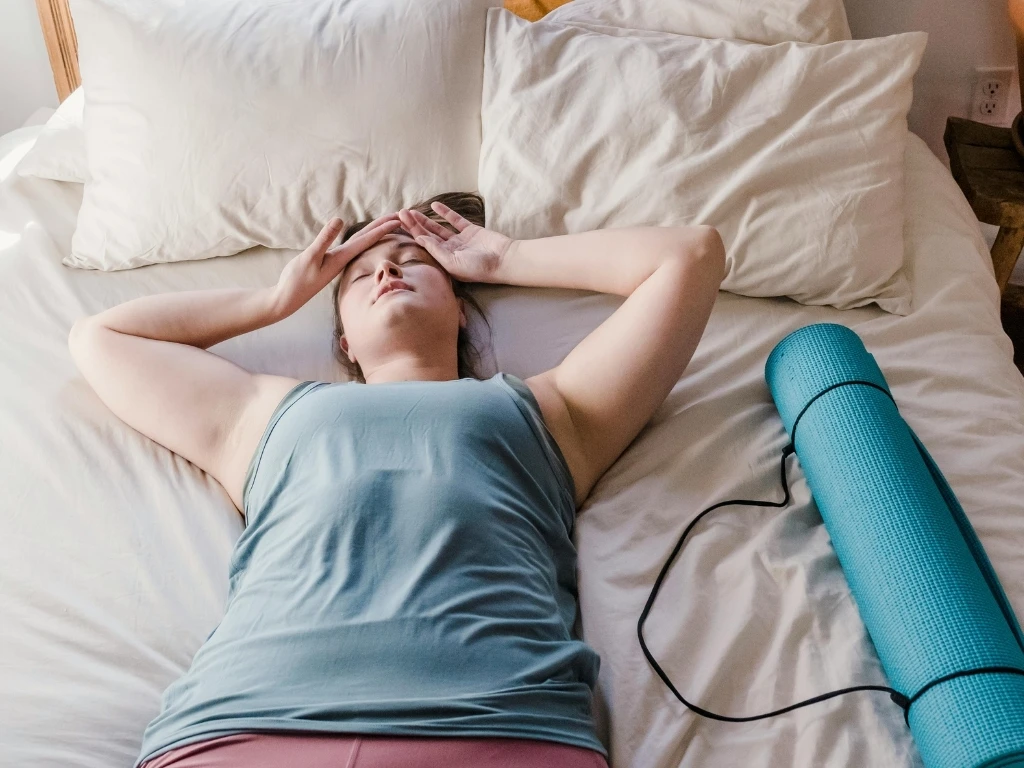
Exercising regularly is usually healthy, but when exercise becomes excessive or compulsive, it can take a toll on both the body and mind. Overtraining can lead to a wide range of short-term and long-term complications, including:
- Weak bones or osteoporosis
- Heart problems or irregularities
- Dark or reddish urine due to muscle breakdown after extreme exercise (rare but requires prompt medical attention)
- Hormonal imbalances affecting metabolism and menstruation
- Extreme fatigue or exhaustion
- Mental health challenges such as anxiety, irritability, or depression
- Sleep disturbances
- Persistent soreness or injuries
- Dangerously low weight or rapid weight loss
- Weakened immune system
- Intense feelings of distress or hopelessness
- Increased risk of self-harm or suicidal thoughts
Spotting these signs early can help prevent them from becoming more serious. If you notice thoughts of self-harm, seek immediate help by contacting a trusted mental health professional or dialing 988 to reach The Suicide & Crisis Lifeline.
Tips for healthier exercise routines
Managing exercise bulimia or anorexia athletica begins with creating a balanced, mindful approach to movement. Here are some strategies to help:
Listen to your body
If you notice persistent tiredness, dizziness, or pain, it might be a signal to slow down or rest. Make it a habit to check in with yourself before and after workouts, and consider tracking your energy levels and moods so you can make necessary adjustments to your activity as needed.
Include rest days
Rest is an essential part of building strength and preventing injury. Schedule regular days off, and use them for gentle activities like walking, stretching, or meditation. Aim to get enough sleep every night to support your body’s recovery. If you find it difficult to take breaks, start with one full day off per week and gradually increase.
Avoid pushing through pain or extreme fatigue
Overexercising can worsen injuries and place unnecessary stress on your body. If you experience intense pain, consult a healthcare provider or trainer for guidance on safely continuing activity. While recovering, gentle alternatives such as yoga or light stretching can help you stay active.
Set realistic goals
Instead of chasing perfection, focus on small, achievable steps that feel right for your body. For example, one hour of exercise spread across the week is often more manageable and sustainable than trying to fit in three hours in a single day. Adjust your goals if they start to feel too rigid.
Refuel your body
Adequate nutrition and hydration support your energy, recovery, and overall health when exercising. Eating nutrient-dense meals and drinking water consistently before, during, and after exercise can help replenish energy stores and repair muscles.
Mix up your workouts
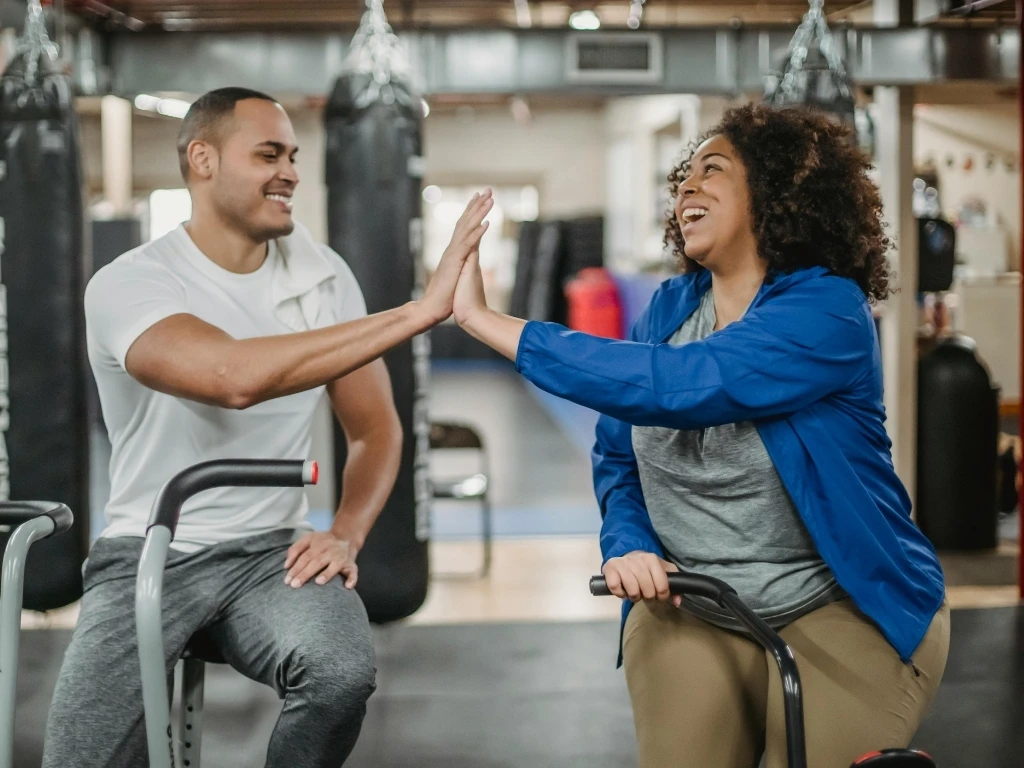
Including a variety of exercises, such as strength, flexibility, cardio, and low-impact activities, helps prevent overuse injuries and keeps movement enjoyable. Rotating activities can also reduce the pressure to “burn off” calories in a single type of exercise and allow different muscle groups to rest. Try adding something playful, like dancing, a short hike with a friend, or a fun game that gets you moving.
Focus on enjoyment and well-being
Exercise shouldn’t feel like a form of punishment. Choose activities you genuinely enjoy, whether that’s swimming, jump rope, or training for a run or marathon. Reframing exercise as a form of self-care rather than control takes time, but it can help rebuild a healthier, more restorative relationship with movement. Work with your Health Loft dietitian on how to build a sustainable, fun way to move your body during recovery.
Discover healthier habits with guidance from a Health Loft dietitian
Exercise bulimia and anorexia athletica can affect both the body and the mind over time, making it harder to enjoy movement and feel physically strong. When left unaddressed, these patterns may also quietly increase the risk of injuries, fatigue, and other long-term health complications.
Working with a nutritionist who specializes in eating disorders can help you rebuild a healthier relationship with exercise. At Health Loft, our experts provide compassionate, evidence-based guidance that supports both physical and emotional health. Using practical strategies that emphasize balance and recovery, they work with you to build flexibility into your routines and approach movement in a safe, sustainable way.
Partner with a Health Loft nutritionist or dietitian to take thoughtful steps toward better habits.
This article was reviewed by Katie Whitson, RD, LD. It is intended for informational purposes only and does not replace personalized nutritional advice.