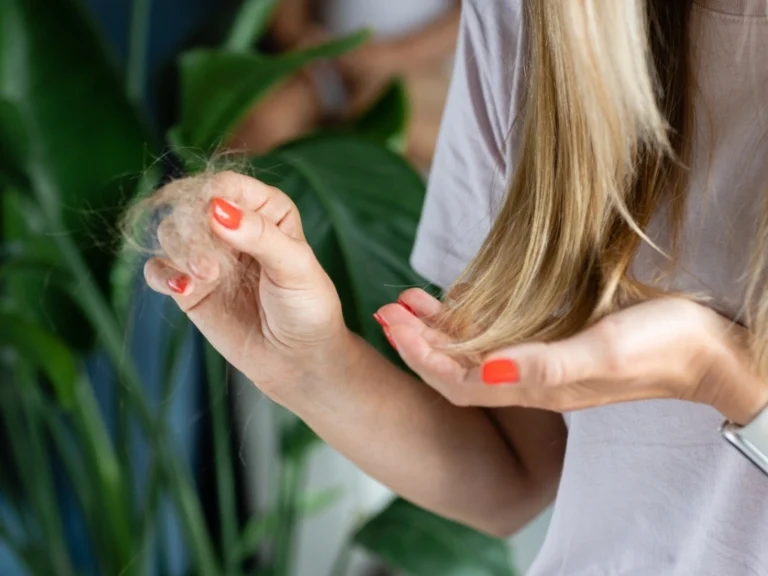









Eating disorders like anorexia nervosa and bulimia nervosa impact the body far beyond weight and eating behaviors. Among the most overlooked effects is their effect on hair health. Nutrient deficiencies due to anorexia and bulimia can accelerate hair loss, causing strands to thin, become brittle, and shed more easily. In some cases, hair loss may be one of the earliest physical signs of an underlying eating disorder.
The good news is that damage to hair health can often be reversed. With appropriate treatment, nutritional support, and medical care addressing both the symptom and the eating disorder, recovery and healthy hair regrowth are achievable.

Bulimia nervosa vs. anorexia nervosa: How do they differ?
In the United States alone, roughly 30 million people will experience an eating disorder at some point in their lives, and global rates have risen notably over the past two decades. Two of the most common eating disorders worldwide are anorexia nervosa and bulimia nervosa, respectively affecting millions of people across all ages, genders, and body types.
Bulimia nervosa is an eating disorder defined by repeated cycles of binge eating followed by compensatory behaviors that commonly come from distress, fear of weight changes, body image distress, and difficulties with regulating emotions. These behaviors most commonly include self-induced vomiting, misuse of laxatives or diuretics, fasting, or excessive exercise. Bulimia isn’t always visible based on physical appearance alone, as people with the condition may be underweight, at a typical weight, or above average weight.
On the other hand, anorexia nervosa is a restrictive eating disorder characterized by an intense fear of weight gain and persistent efforts to limit calorie and nutrient intake, often driven by fear, anxiety, or a need for control. People with anorexia often eat far fewer calories than their bodies require, resulting in significant weight loss and widespread nutrient deficiencies.
How anorexia and bulimia cause hair loss
Although anorexia and bulimia affect the body in different ways, both can interfere with hair growth through related physiological mechanisms.
Repeated purging in bulimia can disrupt normal digestion, which can impact how much nutrition an individual absorbs from their meal. As a result, follicles may shift prematurely into a resting and shedding phase, causing hair loss in some people with bulimia. Over time, this disruption can lead to thinning, fragility, and noticeable shedding, though the severity varies depending on the frequency of purging, overall nutrition, and individual biology.
In anorexia, prolonged calorie restriction and insufficient intake of essential nutrients — including protein, and in some cases iron and zinc if labs confirm a deficiency. In this state, vital functions like the brain, heart, and organs are prioritized over hair growth, which can trigger hair loss in anorexia, sometimes appearing even before other signs of malnutrition become noticeable.
No matter the condition, hair loss is usually temporary, and most follicles remain intact and capable of regrowth. Hair can gradually regain its strength, thickness, and resilience through consistent nourishment, though the process may take time and patience.
Hair loss symptoms to watch out for
Hair loss caused by anorexia and bulimia often presents with several noticeable signs, including:
- Thinning, brittle, dry, or patchy hair
- Hair falling out in clumps
- Slower hair regrowth
- Scalp that feels dry, itchy, or flaky
- Fatigue, paleness, or other signs of nutrient deficiencies
Other factors that contribute to hair loss in eating disorders
While an inadequate diet is usually the primary cause of hair loss, other factors can also play a role. Understanding these influences helps explain why hair changes happen and why regrowth is often possible with proper care and recovery.
Stress
Chronic stress, both emotional and physical, activates the body’s “fight or flight” response, increasing levels of cortisol and other stress hormones. High cortisol levels can prematurely push hair follicles into the resting (telogen) phase, causing temporary shedding. For people with eating disorders, the stress of restrictive eating, bingeing, or purging can amplify this effect.
Hormonal changes
Eating disorders can disrupt hormones that regulate hair growth, including thyroid hormones, cortisol, and sex hormones like estrogen and testosterone. These imbalances can weaken follicles, reduce hair density, and make strands thinner or more fragile.
Medications and supplements
Certain medications, such as those used for mental health, digestive issues, blood sugar management, or other medical concerns, can affect hair growth by altering nutrient absorption, hormone levels, or follicle activity. Likewise, taking high doses of certain supplements, especially without medical guidance, may contribute to hair shedding or brittleness.
Hair care practices
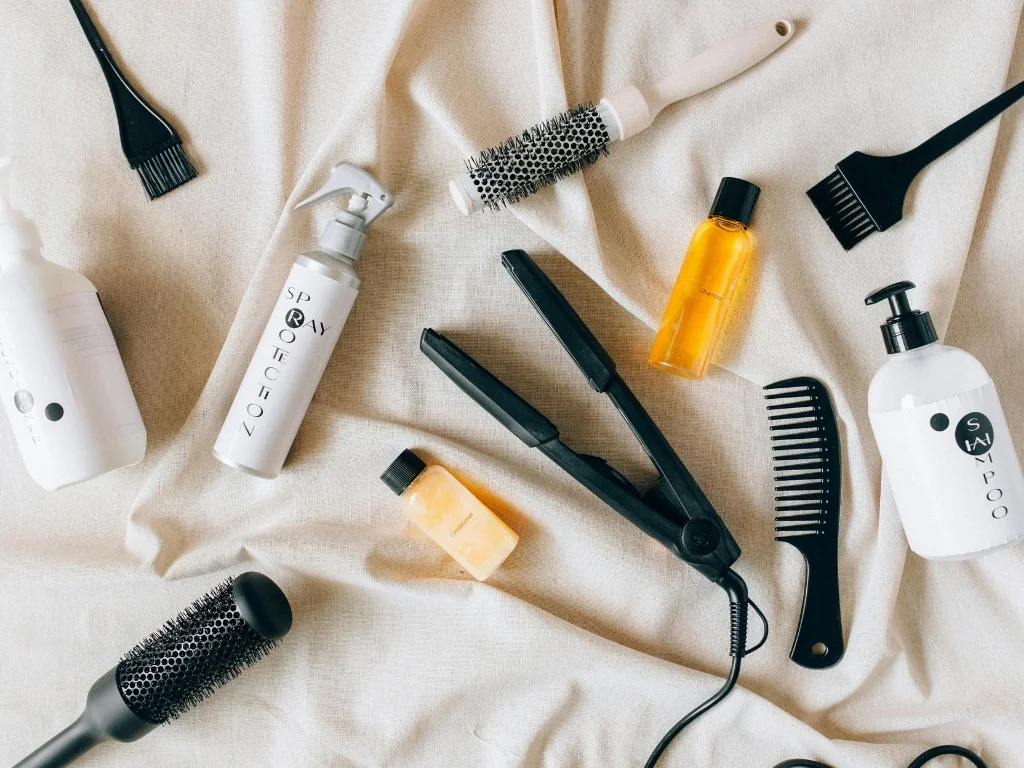
External stressors, including frequent coloring, chemical treatments, heat styling, or overwashing, can physically damage hair. These practices weaken the hair shaft, increase breakage, and make thinning more noticeable, even when follicles themselves are healthy.

Nutrition and lifestyle strategies to support hair recovery
Balanced nutrition and healthy lifestyle habits can help address hair loss related to eating disorders such as bulimia and anorexia, supporting gradual and lasting regrowth. These strategies are meant to support recovery and are not a replacement for adequate intake or eating disorder treatment. Doing these strategies without resolving the underlying cause and improving nutrition intake will not resolve hair loss.
Eat nutrient-rich foods
Aim to include a wide variety of foods rich in protein, iron, zinc, and vitamins A, D, and B12. Options like eggs, fish, leafy greens, beans, nuts, and fortified foods provide the building blocks your hair needs to stay strong. Remember, it’s about doing enough to nourish your body. Gradually incorporating a range of nutrient-dense foods promotes both hair health and overall wellness.
Stay hydrated
Proper hydration is important for hair health, as water helps keep blood flowing to the scalp, allowing follicles to receive the nutrients and oxygen they require to grow. When the body is dehydrated, hair can become dry, brittle, and more likely to break. Water also helps the scalp stay moisturized, preventing dryness and flaking that can weaken strands.
Even just a few glasses of water a day can be a good start, and finding easy ways to stay consistent, like setting a reminder to drink a glass each hour or whenever it works for you, can help keep hair strong and healthy. But hydration needs can vary from person to person, and your care team can help you find fluid recommendations tailored to you.
Prioritize sleep
Adequate rest allows the body to repair and regenerate. During sleep, growth hormone is released, helping maintain active hair follicles and supporting tissue repair. Sticking to a regular sleep schedule and aiming for at least eight hours every night not only benefits the hair but also your overall well-being.
Manage stress
Set aside each day to care for your mind and body. Practices such as meditation, yoga, or deep breathing can reset your energy, as can short breaks to move, stretch, or get some fresh air. To unwind, consider journaling, listening to music, or engaging in a hobby. Explore what helps you feel calm and make it a regular part of your routine.
Practice gentle hair care
Avoid harsh chemicals, excessive heat styling, and over-washing to reduce breakage and shedding. Choose gentler shampoos and conditioners, wash hair less frequently, and use a heat protectant when styling to minimize damage. Protective hairstyles, such as loose braids, buns, or twists, and wearing a bonnet at night, can further reduce tension and stress on hair strands.
Be patient and consistent
Hair regrowth takes time, so it’s best to focus on steady, gradual progress instead of quick fixes. Being consistent with nutrition, gentle hair care, and overall self-care allows hair to slowly regain strength, shine, and resilience.
When to seek professional help
Professional support can be especially useful if nutrient levels aren’t improving despite regular meals, maintaining adequate nutrition feels challenging, or hair thinning persists. Paying attention to these signs can prevent problems from worsening and help ensure the body gets the nutrients it needs to heal and recover. If hair loss continues, other factors may need to be evaluated, such as thyroid conditions, iron deficiency, autoimmune diseases, and other underlying medical issues.
Emotional or behavioral struggles with anorexia or bulimia, like restrictive eating, bingeing, purging, or anxiety around food, are also strong indicators that it may be time to involve a healthcare provider. Dietitians, physicians, and mental health specialists can assess nutritional status, check for deficiencies, and recommend next steps to restore hair growth while supporting your broader recovery.
Find supportive, specialized nutrition care for your recovery journey
Hair loss caused by anorexia or bulimia is often a visible sign of deeper nutritional deficiencies and stress. While regrowth is possible, true recovery goes far beyond addressing this symptom alone. It requires restoring nutritional balance, rebuilding physical strength, and supporting long-term health and well-being.
Every step toward proper nourishment contributes meaningfully to healing the body, and working with nutrition specialists who understand eating disorders ensures that recovery is approached safely, gradually, and sustainably, helping to correct bad diets that lead to hair loss.
At Health Loft, care is centered on holistic wellness rather than appearance alone. Our experienced nutritionists and registered dietitians collaborate closely with you to create personalized nutrition plans tailored to your unique medical history, dietary needs, and recovery goals.
Partnering with a specialist at Health Loft provides ongoing, compassionate support as you rebuild strength and move toward lasting recovery. Connect with our team today.
This article was reviewed by Katie Whitson, RD, LD. It is intended for informational purposes only and does not replace personalized nutritional advice.