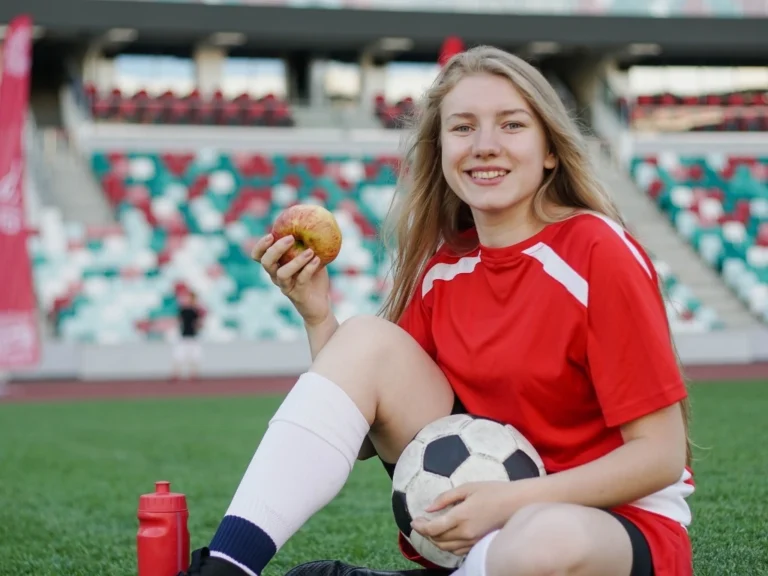









Soccer isn’t just about running fast or lasting the full 90 minutes. It’s a sport that pushes every part of you: your legs, lungs, mind, and even your social battery. To meet these demands, training hard is only half the battle — what you eat is just as important.
A well-structured soccer player’s diet not only sustains your energy on the field but also gives you the power to run harder, recover quicker, move more confidently, and stay sharp in every play.
Let’s look into the food groups that play a part in nourishing your body, and how they keep you energized and ready for the next game.

What are the best foods for soccer players to eat?
For young athletes especially, the right mix of nutrients helps them not only play at their best but also grow and stay healthy off the field. Here are the essentials of a balanced soccer player’s diet.
Carbohydrates
Soccer is a high-energy game, and carbohydrates provide the body’s primary fuel. For steady energy that can power you through sprints and dribbles, go for complex carbs such as whole grains, legumes, or starchy vegetables.
Protein
After intense training, your muscles need to rebuild and heal from micro-damage. Lean meats, fish, beans, dairy, and eggs supply the amino acids necessary to repair tissues and support muscle growth.
Healthy fats
Heart-healthy sources like avocado, olive oil, nuts, seeds, and fatty fish deliver lasting energy while reducing inflammation and boosting your overall health.
Hydration
Staying hydrated before, during, and after games keeps athletes sharp and prevents fatigue. Water should be your daily go-to, with electrolytes added during long games or intense training.
Micronutrients
Iron carries oxygen through your blood, helping you keep up your stamina in the field, while calcium and vitamin D work together to keep bones strong and less prone to injury. Antioxidants from fruits and vegetables, on the other hand, protect your body from the wear and tear of physical activity.
7-day meal plan for football players
Understanding the principles of sports nutrition is one thing, but putting them into practice is an entirely different ballgame. To help you get started, we’ve prepared a 7-day soccer player diet plan using cost-effective, everyday foods you can prepare at home.
On average, young athletes may require 2,400 to 3,000 kilocalories (kcal) per day, depending on the intensity of their training. This sample diet plan for soccer players observes a balance of carbohydrates, protein, and healthy fats to meet those needs.
Day 1
- Breakfast: Oatmeal with sliced banana, chia seeds, ½ oz of walnuts, and a drizzle of honey
- Snack: Greek yogurt with dried fruit and ⅓ cup of granola
- Lunch: Turkey wrap with lettuce, hummus, tomato, avocado slices, and low-fat cheese
- Pre-workout (30 minutes before): Peanut butter (2 tbsp) and a banana sandwich using multigrain bread
- Post-workout (30 to 60 minutes after): 2 cups of low-fat chocolate milk
- Dinner: Lean beef stir-fry with vegetables (cooked in olive oil) and 1 cup of brown rice
Day 2
- Breakfast: Scrambled eggs with spinach (cooked in olive oil) and 2 slices of wholemeal toast
- Snack: 1 oz of unsalted nuts
- Lunch: Tuna sandwich on whole-grain bread with lettuce and ½ avocado, plus a side of orange
- Pre-workout: Fruit smoothie with whey protein, banana, mixed berries, almond milk, and 2 tbsp of ricotta cheese
- Post-workout: 2 cups of soy milk with cocoa powder and maple syrup
- Dinner: Baked salmon, quinoa, and green beans, with a drizzle of olive oil
Day 3
- Breakfast: Protein pancakes topped with strawberries and light syrup
- Snack: 4 tbsp of hummus with 8 pieces of whole-grain crackers
- Lunch: Seared tofu with brown rice and bok choy stir-fry
- Pre-workout: Low-fat granola bar and water
- Post-workout: Whole wheat pita with lean turkey, lettuce, and tomato, plus 2 cups of low-fat milk
- Dinner: Lean beef burger on a wholemeal bun with lettuce, tomato, and mustard, with a side of oven-baked sweet potato fries
Day 4
- Breakfast: Whole-grain cereal with low-fat milk and a peach
- Snack: 1 cup of low-fat cottage cheese with pineapple
- Lunch: Baked cod with Tahini sauce, mashed sweet potato, Parmesan-topped broccoli, and a poached egg
- Pre-workout: Rice cake with hazelnut butter and 1 tbsp of honey
- Post-workout: Grilled chicken salad with mixed greens and vinaigrette
- Dinner: Lean beef bolognese with wholemeal spaghetti
Day 5
- Breakfast: 3 slices of low-fiber white toast with jam and a cup of orange juice
- Snack: Trail mix with nuts and raisins
- Lunch: Grilled lamb chops with couscous and roasted zucchini
- Pre-workout: 1 banana
- Post-workout: A cup of chocolate milk and 2 boiled eggs
- Dinner: Grilled cod, brown rice, and green beans with a drizzle of olive oil
Day 6
- Breakfast: Smoothie with oats, milk, banana, and 2 tbsp of peanut butter
- Snack: 2 boiled eggs and 7 whole-grain crackers
- Lunch: Lentil and veggie stew with wholegrain bread slice
- Pre-workout: 3 Medjool dates
- Post-workout: Low-fat yogurt parfait with fruit and ⅓ cup of granola
- Dinner: Stir-fry with shrimp, broccoli, 2 cups of brown rice, and olive oil drizzle
Day 7
- Breakfast: Whole-grain pasta with beef meatballs and marinara
- Snack: Low-fat cheese stick and some grapes
- Lunch: Grilled trout sandwich on wholegrain bread, with 1 tsp of mayo
- Pre-workout: Apple slices and almond butter
- Post-workout: Black bean chili with tomato base, onions, peppers, and chili spices
- Dinner: Roast chicken, baked potatoes, and steamed green beans
Game day nutrition tips
What you fuel your body with makes a big difference in how you feel and perform on game day.
Pre-game
About two to three hours before the game, aim for a high-carb, moderate protein, low-fat meal that’s easy to digest. This helps top up your glycogen stores, providing the endurance you’ll need for the full game.
During the game
Don’t forget to drink water as much as you can during games. You can also grab electrolytes to replenish sodium and minerals you lose from sweating.
Post-game
Recovery starts as soon as you’re at rest. After a match, load up on a hearty combination of complex carbs and lean protein that helps jumpstart tissue and muscle repair.
Soccer player diet: Foods to limit or avoid
Just as certain food items help boost your performance, some are best kept to a minimum, such as:
- Fried or greasy foods: Fast food staples and other deep-fried items will leave you sluggish, especially if eaten before a match.
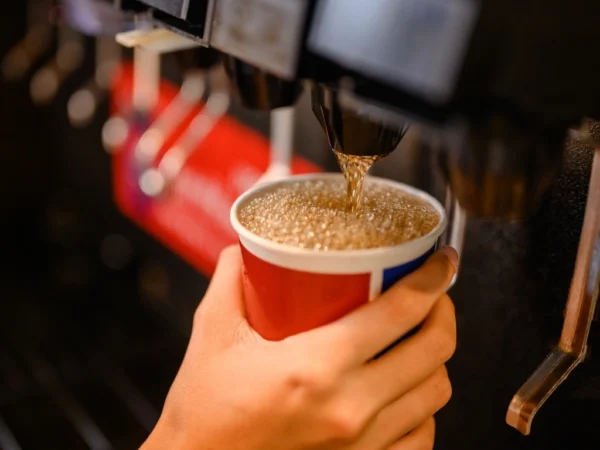
- Refined sugar: Candy, sodas, and even some commercial energy drinks can cause an energy spike followed by an immediate crash that can impact your focus and stamina.
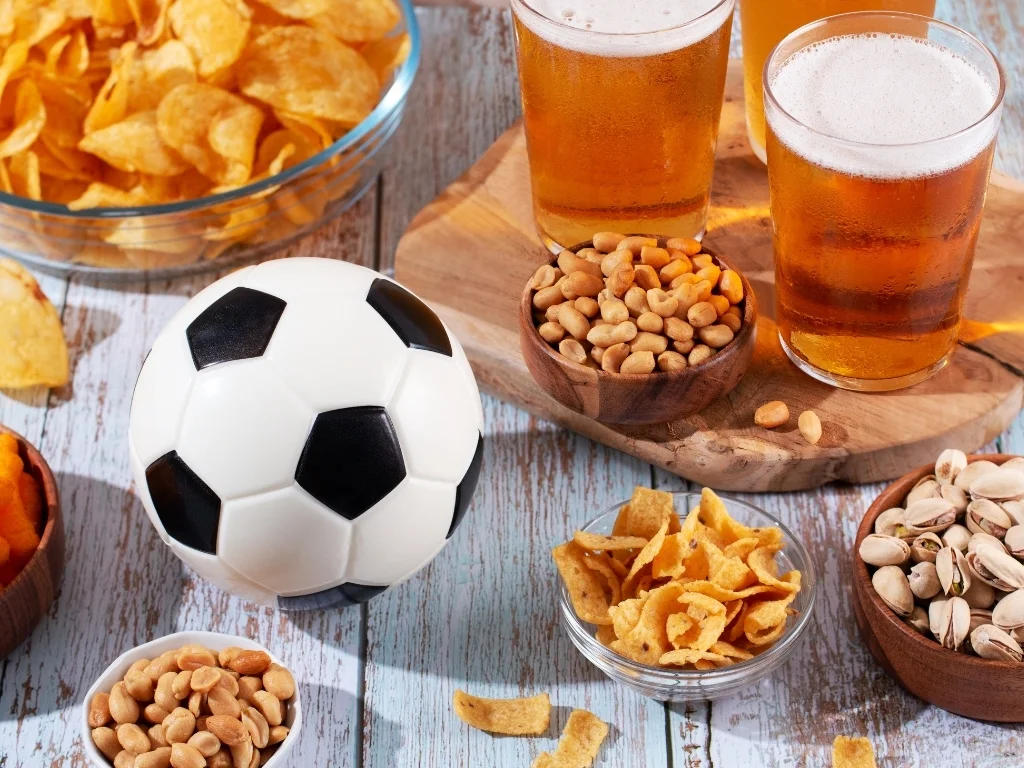
- Highly processed snacks: Chips or packaged pastries offer little more than quick calories and won’t help your body recover after a demanding game.
- Caffeine: Although caffeine-heavy energy drinks, tea, or coffee may seem to boost energy, they often cause jitters, fatigue, poor sleep quality, and dehydration.
Work with a sports nutrition expert from Health Loft
By making mindful, balanced food choices, you can enjoy more stable energy during matches and quicker recovery even after tough sessions. With consistency, you will also notice improved focus on and off the pitch.
That said, every athlete’s nutritional needs are unique, which is why it’s best to personalize your approach. Partnering with a Health Loft dietitian can help you design a soccer player diet plan tailored to your routine, training schedule, fitness goals, and medical history, among other factors at play.
From diversifying meal plans to accommodate both recovery days and intense training sessions, to helping you develop better eating and hydration habits, your dietitian can provide expert guidance on nutrition and diet for soccer players.
For athletes like you, investing in your health is investing in success. Connect with a Health Loft dietitian today and see how the right plan can elevate your game.
This article was reviewed by Adrienne DePaul, MS, RDN. It is intended for informational purposes only and does not replace personalized nutritional advice.