








Small Intestinal Bacterial Overgrowth (SIBO) can make daily life feel unpredictable; even healthy meals may trigger bloating, pain, or fatigue. In hydrogen-dominant SIBO, bloating and diarrhea are common, while methane-dominant SIBO — now often called Intestinal Methanogen Overgrowth (IMO) — tends to cause constipation and sluggish digestion. While antibiotics like rifaximin are often used to control bacterial overgrowth, symptoms frequently return once treatment stops. This has led many people to explore SIBO natural treatment options that aim to restore gut balance more sustainably.
When guided by science and professional support, natural treatments can complement medical care and help reduce recurrence. From targeted dietary adjustments to herbal antimicrobials, several evidence-based approaches may support lasting relief and gut health recovery.

Why people turn to natural treatment for SIBO
Antibiotics can be effective for reducing bacterial overgrowth, but they don’t always resolve the underlying issues that allow SIBO to develop in the first place or to recur. Factors such as impaired gut motility, stress, or structural changes in the intestines often play a key role in relapse. Without addressing these root causes, many people experience recurring bloating, discomfort, and irregular bowel movements even after completing treatment.
That’s where natural remedies for small intestinal bacterial overgrowth come in. These strategies take a more comprehensive approach — targeting the bacterial imbalance while also supporting gut movement, digestive function, and overall microbiome health.
It’s important to remember, though, that natural treatments still require care and precision. Herbs and supplements can be powerful, and their effects vary depending on dosage, timing, and individual tolerance. Working with a qualified nutritionist or integrative practitioner helps ensure these therapies are both effective and safe for your specific needs.
Lifestyle and diet foundations for SIBO natural treatment
Any SIBO natural treatment begins with lifestyle and dietary adjustments. These foundational steps improve gut motility and limit fermentation — the process that feeds bacterial overgrowth.
- Support the migrating motor complex (MMC). This natural cleansing wave moves food and bacteria through the intestines between meals. To stimulate it, space meals three to four hours apart and avoid constant snacking.
- Manage stress. Chronic stress alters gut motility and increases inflammation. Mindfulness, gentle exercise, and adequate sleep help regulate digestion.
- Hydrate and move regularly. Walking after meals and staying hydrated can improve intestinal flow.
The role of diet
Dietary change is one of the most researched aspects of SIBO management. A low-FODMAP or low-fermentation approach can reduce symptoms by limiting foods that feed bacteria in the small intestine. Clinical research supports this, showing symptom improvement in both SIBO and IBS patients.
However, these diets should be temporary and supervised. Over-restricting food groups can harm beneficial gut bacteria and lead to nutrient deficiencies. The goal is not to eliminate entire food groups forever, but to identify the foods to avoid with SIBO that personally trigger your symptoms. A registered SIBO nutritionist can help you reintroduce foods strategically and rebuild dietary variety without setbacks.
Herbal and supplement strategies that show promise
Herbal antimicrobials are among the most studied forms of SIBO natural treatment. Research has shown that certain botanical combinations can be as effective as rifaximin in reducing bacterial overgrowth. In fact, an investigator-initiated open-label RCT registered in 2023 (known as BRIEF-SIBO) is examining whether the herbal compound berberine is non-inferior to the antibiotic Rifaximin in clearing SIBO in some 180 patients.
However, natural does not mean risk-free. These treatments must be used strategically and with clinical oversight. Combining multiple herbs, using incorrect dosages, or extending antimicrobial phases for too long can lead to resistance, microbiome imbalance, or irritation of the intestinal lining.
Many practitioners use herbal therapies in structured cycles — typically two to four weeks — followed by rest periods or gut-rebuilding phases involving probiotics and motility support.
Below are some of the most widely discussed herbal and supplemental options, along with what current research and clinical practice suggest about their use.
Herbal supplements for SIBO
Commonly used herbs include berberine, neem, oregano oil, and garlic extracts. These botanicals contain compounds that exhibit antibacterial, antifungal, and anti-inflammatory properties.
Berberine, for instance, has been shown in multiple studies to reduce pathogenic bacteria and improve intestinal barrier function. Neem and oregano oil have broad-spectrum effects, making them useful for mixed hydrogen- and methane-dominant SIBO cases.
When paired appropriately, these herbs can target bacterial overgrowth without severely disrupting beneficial gut microbes. However, because formulations vary in potency and purity, it’s essential to use standardized, clinically tested products under the supervision of a qualified healthcare practitioner.
Allicin for SIBO
Allicin — a bioactive compound derived from garlic — is particularly noted for its anti-methanogenic activity. It can inhibit methane-producing archaea, which are often responsible for constipation-predominant SIBO. Studies suggest that allicin may also have anti-inflammatory benefits within the gut.
However, consuming raw garlic is not advised since it contains high-FODMAP sugars that can worsen bloating and discomfort. Supplement-grade allicin provides the therapeutic compound without the fermentable carbohydrates found in fresh garlic.
Oregano oil for SIBO
Oregano oil contains carvacrol and thymol — two compounds with well-documented antimicrobial effects. These agents can inhibit bacterial and fungal growth, making oregano oil a popular component of botanical SIBO protocols. Some practitioners use it as a standalone treatment for mild cases or in combination with berberine or neem for broader activity.
However, because oregano oil is potent, it can irritate the gut if used in excess or without proper cycling. Typically, it is administered in enteric-coated capsules to reduce irritation and ensure targeted delivery to the small intestine.
Apple cider vinegar for SIBO
Apple cider vinegar is often touted as a digestive aid, with claims that it helps restore normal stomach acid levels and improve digestion. While it may support gastric acidity and help some individuals digest proteins more effectively, there is no strong evidence that it directly combats bacterial overgrowth.
Moreover, individuals with acid reflux, gastritis, or ulcers should avoid undiluted vinegar, as it can worsen discomfort. When tolerated, diluted apple cider vinegar (1–2 teaspoons in water before meals) may offer mild digestive support but should not replace evidence-based antimicrobial therapies.
Ginger for SIBO
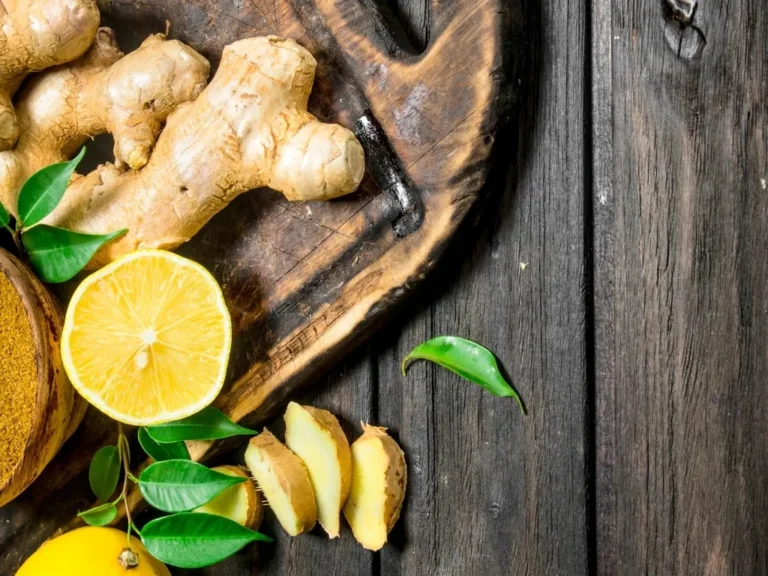
Ginger plays a different but complementary role in SIBO natural treatment. Rather than killing bacteria, it enhances the migrating motor complex (MMC) — a cleansing wave of muscle contractions that sweeps residual food and bacteria from the small intestine. Improved motility helps prevent bacteria from accumulating again after treatment. In addition, ginger’s anti-inflammatory and anti-nausea effects can ease bloating and discomfort. Clinical and traditional use suggest that moderate amounts, such as ginger tea or encapsulated extracts, are generally safe and beneficial when used as part of a broader gut-healing plan.
Together, these herbal and supplemental strategies offer promising support for individuals seeking SIBO natural treatment. Still, the success of these treatments depends on personalization, dosage, and timing — all best determined with the help of experienced practitioners in SIBO management.
How to build a natural treatment plan
A comprehensive SIBO natural treatment plan works best when it’s structured, evidence-based, and customized to your unique needs. A registered nutritionist can guide you through the following steps:
- Confirm your diagnosis and SIBO type. Hydrogen-dominant, methane-dominant, and hydrogen-sulfide–dominant forms respond differently to treatment. While dietitians cannot diagnose SIBO, they can review your lab results and create a personalized plan based on your SIBO type to help manage symptoms and support gut health.
- Address the root cause. Treating only the overgrowth isn’t enough — motility disorders, hypothyroidism, adhesions, or chronic medication use must be considered as potential underlying factors when developing a treatment approach.
- Implement diet and lifestyle foundations. These create an environment that prevents bacterial regrowth.
- Add targeted herbal or supplement support. Use clinically supported herbs or formulations for your SIBO type under supervision.
- Monitor and re-evaluate. Retesting, adjusting diet, and supporting long-term gut motility help prevent relapse.
Combining these steps under professional care ensures you treat the underlying imbalance — not just suppress symptoms.
Cautions and when to seek medical support
Although SIBO natural treatments can be effective, they are not suitable for everyone. People with severe malnutrition, anemia, or chronic illnesses should be medically evaluated before beginning any herbal protocol.
Current research on natural therapies is promising but limited. Not all herbal remedies have undergone large clinical trials, and purity or dosage inconsistencies can affect results. Overusing antimicrobials — even natural ones — can disrupt the gut microbiome and impair healing.
If symptoms persist, worsen, or include unexplained weight loss or blood in the stool, consult a gastroenterologist. In many cases, combining herbal therapies with medical treatment yields the most durable results.
Take control of your SIBO symptoms with expert nutrition care
Managing SIBO naturally can feel overwhelming without expert guidance. Restricting too many foods or self-prescribing herbs can make recovery harder, not easier. A registered nutritionist can help you design a plan that minimizes symptoms while supporting energy, nutrient absorption, and long-term balance.
If you’re ready to take control of your gut health, connect with a qualified SIBO nutritionist at Health Loft. Our team specializes in gut health and personalized nutrition counseling for conditions like SIBO. With expert support, you can identify triggers, safely integrate herbal and dietary therapies, and find lasting relief through an effective SIBO natural treatment plan.
This article was reviewed by Solveig Adalsteinsdottir, MS, RDN, LDN. It is intended for informational purposes only and does not replace personalized nutritional advice.