









Ozempic is a prescription medication commonly used to help manage type 2 diabetes and, in some cases, support weight management. It belongs to a class of medications called GLP-1 receptor agonists, which help to regulate blood sugar levels, slow stomach emptying, and reduce appetite.
Because these medications affect digestion, some people experience gastrointestinal side effects when starting treatment or when increasing their dose. One possible effect is constipation, though not everyone taking Ozempic will experience it.
The good news is that digestive changes related to GLP-1 medications are often temporary and manageable. With the right dietary habits, hydration, and lifestyle adjustments, many people can manage their symptoms and continue their treatment comfortably.

Does Ozempic cause constipation?
Yes, taking Ozempic may lead to constipation, but it doesn’t affect everyone the same way. Like other GLP-1 receptor agonists, Ozempic changes how food moves through the digestive system, which can sometimes slow bowel movements and result in constipation for certain individuals.
In clinical studies of semaglutide, digestive side effects were among the most commonly reported reactions. These include nausea, diarrhea, stomach discomfort, and constipation. For many people, these symptoms tend to appear early in treatment and often improve as the body gradually adjusts to the medication.
Does Wegovy also cause constipation?
Ozempic and Wegovy both contain the same active ingredient, semaglutide, and are even made by the same pharmaceutical company. This means they can technically produce the same effects, though they’re positioned for different treatment goals.
Ozempic is primarily approved to help manage type 2 diabetes, while Wegovy is approved for chronic weight management in people with obesity or those who are overweight, with the addition of certain health conditions. Given this distinction, they may also be prescribed at different doses.
It’s safe to say that Wegovy may also contribute to constipation due to how it can affect digestion upon intake, the same way Ozempic does.

Why does constipation happen on Ozempic?
Constipation while taking Ozempic is often linked to a combination of changes in digestion, appetite, and eating habits. While these effects help the medication do its job in managing blood sugar and weight, they can also influence how regularly the digestive system moves.
Slower digestion
GLP-1 medications slow the rate at which food leaves the stomach. This process helps regulate blood sugar levels and prolongs satiety, or feelings of fullness. At the same time, it can slow the movement of food through the intestines, which may lead to less frequent bowel movements.
Reduced appetite
A popular side effect of Ozempic is how it can often reduce appetite. This means people who are taking the medication may naturally eat smaller meals or portion sizes. When less food moves through the digestive system, the body may produce less stool, sometimes contributing to constipation.
Lowered fluid intake
When appetite decreases, some people also unintentionally drink less water throughout the day. A decline in fluid intake can make stools harder, further increasing the likelihood of constipation.
Adjustments to dietary patterns (especially when prioritizing weight loss)
Many people adjust their eating habits when starting Ozempic, especially if they are trying to lose weight. Significant and rapid shifts in food choices, especially fiber intake, as well as adjustments in the timing of meals, can temporarily affect digestion and bowel regularity while the body adjusts.
Usual signs of constipation while on Ozempic
Constipation can manifest in several ways, and the symptoms may vary from person to person. While occasional changes in bowel habits can happen, persistent symptoms may indicate constipation, which can lead to gastrointestinal discomfort.
Common signs of constipation include:
- Fewer than three bowel movements per week
- Dry stools that may be difficult or painful to pass
- Straining during bowel movements
- Bloating or swelling in the abdomen
- Stomach pain and/or cramping
How long does constipation last while on Ozempic?
For many people, digestive symptoms gradually improve over time as the body acclimates to the medication. This adjustment period can take up to 47 days or a little over five weeks, although the exact timeline can vary for each person taking the GLP-1 receptor agonist.
How long constipation on Ozempic specifically lasts depends on several factors, including the specific dosage of the medication, as well as an individual’s lifestyle habits, such as diet, hydration, and physical activity.
It’s worth noting, however, that digestive side effects don’t only appear when someone first starts taking Ozempic. They may also be experienced after a dose increase, as digestive symptoms like constipation often signal the body adjusting to the GLP-1s and their impact on digestion and appetite.
If constipation doesn’t noticeably improve, even with lifestyle changes and the introduction of over-the-counter laxatives to help ease the symptom, it’s best to see a healthcare provider.
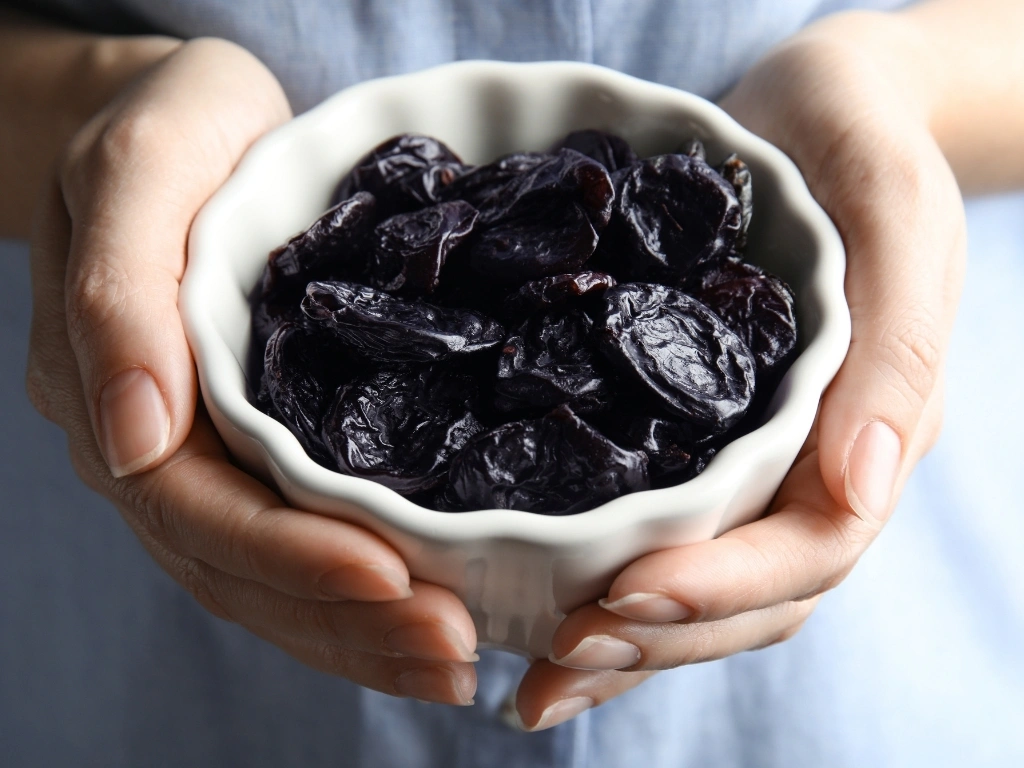
8 strategies to help relieve constipation with Ozempic
If you experience constipation while taking Ozempic, a few simple lifestyle strategies can often help improve bowel regularity. Try adding these to your daily routine:
1. Avoid digestion-slowing foods
Certain foods may worsen constipation, slow digestion, and contribute to harder stools. Limiting highly processed foods, fried foods, large amounts of cheese or dairy, and low-fiber snacks can help support more regular bowel movements. Diets that rely heavily on refined grains, such as white bread, pasta, and rice, may also contribute to harder stools.
2. Increase fiber intake
Adding more fiber to your diet can help promote regular bowel movements. Consider the following gut-friendly sources:
- Fruits, such as prunes, apples (with skin), and berries
- Legumes, such as lentils, chickpeas, and black beans
- Chia seeds and flaxseeds
- Nuts, such as almonds, peanuts, and pecans
- Vegetables high in insoluble fiber, such as spinach, broccoli, carrots, and artichokes
- Whole-grain bread and pasta
Be sure to increase fiber gradually to reduce the risk of gas or bloating.
3. Drink enough water
Hydration plays an important role in digestion. Drinking enough water helps soften stool and move it through the intestines more easily, which can reduce constipation.
Water isn’t the only way you can stay hydrated. You can include a variety of foods with high water content and hydrating properties in your diet. Consider:
- Fruits like watermelon, oranges, and peaches
- Vegetables like cucumbers, zucchini, and lettuce
- Broths
- Soups
- Herbal tea
- Milk
4. Stay physically active
Regular movement supports healthy digestion. Activities like walking, stretching, or light exercise can stimulate the intestines and help encourage regular bowel movements.
5. Maintain regular and balanced meals
Eating at consistent times throughout the day can help to regulate digestive rhythms. Regular meal times help signal the digestive system to move, which may support more predictable bowel movements.
6. Over-the-counter support if needed
If lifestyle changes are not enough, fiber supplements or stool softeners may provide short-term relief. Always consult a healthcare professional before starting any new over-the-counter products to ensure they are appropriate for you.
7. Establish a regular bathroom routine
Try to use the bathroom at the same time each day, especially after meals when the digestive system is naturally more active. Avoid delaying the urge to have a bowel movement, as holding it in may worsen constipation over time.
8. Take a probiotic supplement
Some people find that probiotics help support gut health and digestive balance. Probiotic supplements or fermented foods such as yogurt, kefir, or kimchi may help maintain a healthy gut microbiome, which can support more regular digestion.
When should I go to a doctor?
Most cases of GLP-1-related constipation can be managed with simple adjustments and time. However, seek medical advice if symptoms start to feel more severe or persist. Monitor for the following symptoms:
- Constipation that lasts several days or continues to worsen
- Severe abdominal pain, bloating, or persistent stomach discomfort
- Blood in your stool or unusual bowel changes
- Nausea or vomiting that prevents normal eating or hydration patterns
- Signs of dehydration, such as extreme thirst, dizziness, or dark urine
- Symptoms of pancreatitis, including nausea, vomiting, or severe stomach pain that may radiate to the back
Reporting symptoms early allows your healthcare provider to assess what’s happening and make any necessary adjustments to your treatment plan.
Support your gut health while on treatment with guidance from a Health Loft dietitian
Constipation is relatively common while on Ozempic or other GLP-1 medications, particularly when starting treatment or increasing the dose. While it can be uncomfortable, it’s often temporary and can be managed with the right approach.
By working with a GLP-1-focused nutritionist, you may have a better understanding of the roles factors like fiber intake, hydration, meal timing, and physical activity play in improving digestion. At Health Loft, our experts work with you to build balanced, sustainable nutrition habits that support digestive health without relying on an overly restrictive diet.
Connect with a Health Loft dietitian for personalized, evidence-based guidance that empowers you as you manage both your treatment plan and your overall health.
This article was reviewed by Haleigh Mann, MS, RDN, LDN. It is intended for informational purposes only and does not replace personalized nutritional advice.