








Fluid retention often shows up subtly or gradually. Your ankles may feel swollen at the end of the day, your stomach may be more bloated than usual, or the scale may read a few pounds higher despite no major changes in your eating habits. Often, there’s no obvious culprit for the fluid shifts you experience.
In many cases, your body is simply holding onto extra fluid. Travel, high sodium intake, hormonal cycles, changes in carbohydrate intake, stress, and long periods of sitting can all influence how much water your body retains. These shifts are usually temporary, but they can still feel uncomfortable.
On the upside, plenty of natural remedies for fluid retention can help you to feel more balanced, most of which emphasize food choices and eating habits. Rather than trying to force water out quickly, these remedies are aimed at supporting your body’s natural fluid regulation to get you feeling back to normal.

Why does fluid retention happen?
Fluid retention occurs when excess water accumulates in the body’s tissues. This may appear as puffiness, bloating, swelling in the hands or feet, or short-term increases in body weight.
Common triggers include:
- High sodium intake
- Hormonal fluctuations, especially before menstruation
- Large variations in carbohydrate intake
- Prolonged inactivity
- Stress and poor sleep
- Certain medications
Identifying what’s driving your fluid retention can make it easier to respond appropriately. In most mild cases, food and lifestyle adjustments are often enough to restore balance.
Why nutrition is crucial for fluid balance
Fluid balance is closely tied to what you eat. Sodium, potassium, magnesium, carbohydrate intake, and overall hydration are some of the key factors that influence how your kidneys regulate the water in your body.
For instance, when sodium intake rises or potassium intake dips, the body tends to retain more fluid. Large swings in refined carbohydrates, like white bread, pastries, white rice, and cookies, can temporarily increase stored water. Even inadequate hydration can prompt the body to conserve and retain fluid.
Because these mechanisms are nutrition-driven, small shifts in your diet often have a meaningful impact.
7 food-based natural remedies for fluid retention
If you’ve been wondering how to get rid of fluid retention without drastic measures, there’s no need to look any further. Managing food intake is among the easiest ways to support fluid balance — and all it takes are a few, simple changes:
1. Moderate sodium intake
Excess sodium is one of the most common contributors to fluid retention. Restaurant meals, packaged snacks, sauces, frozen meals, and processed foods often contain more sodium than expected.
Completely eliminating salt isn’t necessary. Instead, consider:
- Cooking more meals at home
- Choosing lower-sodium packaged options
- Limiting highly processed foods
Even a few days of moderation can noticeably reduce puffiness for many people, making it one of the most effective natural remedies for fluid retention.
2. Increase potassium-rich foods
Potassium helps to balance sodium levels in the body. When potassium intake is adequate, the kidneys are more efficient in excreting excess sodium, which helps maintain a healthier fluid balance.
Potassium-rich options include:
- Spinach
- Beans and lentils
- Sweet potatoes
- Avocados
- Yogurt
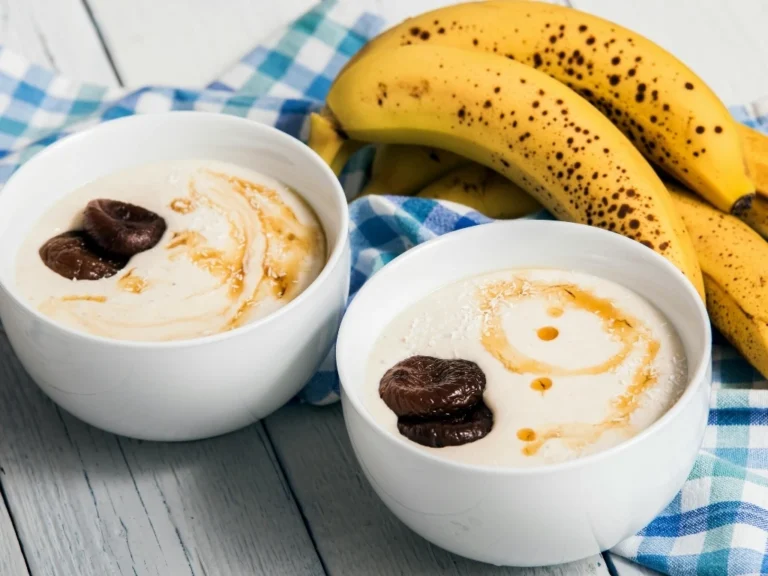
- Bananas
Instead of focusing only on cutting salt, improving the sodium-to-potassium ratio often produces better results.
If you have kidney disease or take medications that affect potassium, be sure to consult a healthcare provider before increasing intake.
3. Stay consistently hydrated
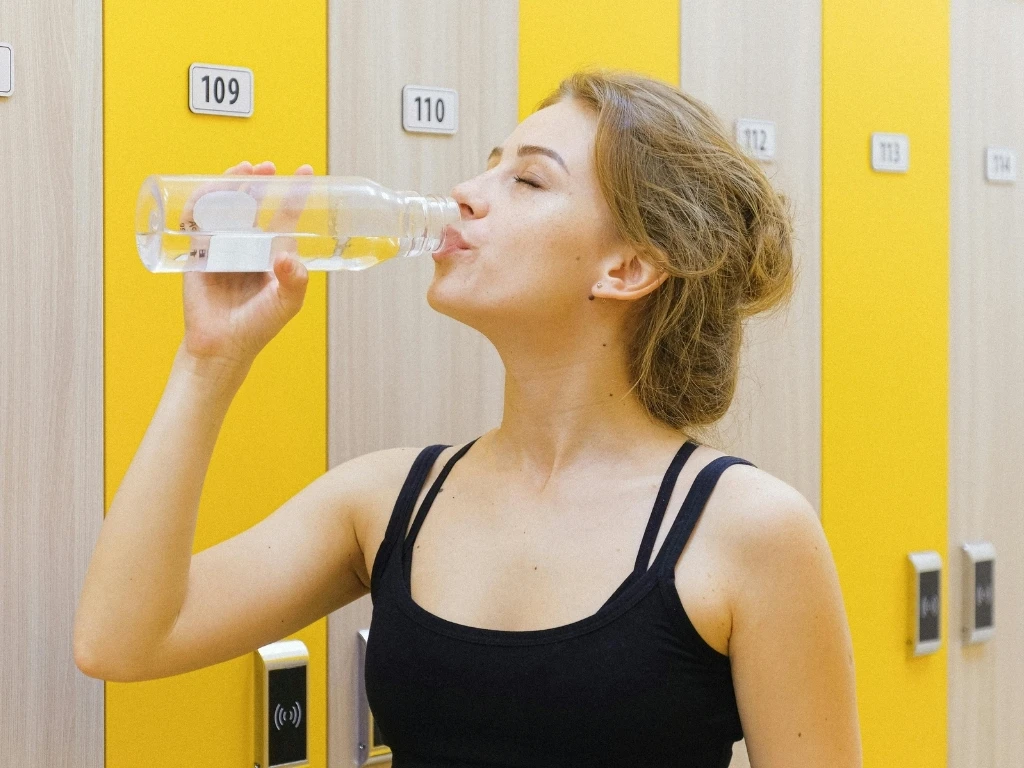
Increasing water intake is an often overlooked but surprisingly effective way to rapidly reduce water retention. When fluid intake is too low, the body may conserve water as a protective response. Drinking adequate water throughout the day supports kidney function and helps the body to release excess sodium.
Aim for steady hydration throughout the day rather than large amounts all at once. Pale yellow urine is generally a reasonable indicator of hydration.
4. Add foods with mild diuretic effects
Certain foods naturally promote urine production in a gentle way. While their effect is modest, they can be a useful complement to broader dietary adjustments, such as regular hydration to expel excess sodium.
Some examples worth considering are:
- Cucumber
- Watermelon
- Celery
- Asparagus
- Lemon
Incorporating these foods can support short-term fluid shifts without the need for further extreme measures.
5. Include magnesium-rich foods
Magnesium-rich foods play a key role in muscle relaxation and fluid regulation. Some individuals — especially women who experience premenstrual bloating — notice improvement when intake is adequate.
Foods naturally high in magnesium that can help with water retention include:
- Leafy greens
- Pumpkin seeds
- Almonds
- Black beans
- Whole grains
Improving magnesium intake through food is typically well-tolerated and supports overall nutritional balance.
6. Moderate refined carbohydrates
Carbohydrates are stored as glycogen in the muscles and the liver, and glycogen binds water. When refined carb intake increases significantly, glycogen stores — and associated fluid — rise.
Reducing highly refined carbs such as white bread, pastries, and sugary snacks for several days can decrease temporary water weight. However, there’s no need to eliminate carbohydrates entirely. It remains a fundamental part of balanced nutrition and is best reintroduced gradually, with intake kept in moderation.
7. Focus on fiber for better digestion
Bloating is sometimes mistaken for fluid retention. Slower digestion can create abdominal pressure and discomfort that feels a lot like excess water weight. Improving gut health and metabolism often reduces that heavy, uncomfortable feeling.
Balanced fiber intake supports regular bowel movements. Vegetables, fruits, legumes, and whole grains provide natural fiber. Increase gradually and pair with adequate hydration to prevent the worsening of symptoms.
Other lifestyle strategies to reduce water retention quickly and safely
Aside from the foods discussed above that help reduce water retention, you can complement these efforts with the following strategies:
Regular physical activity
Prolonged sitting can contribute to fluid pooling in the lower legs. Contrary to popular belief, intense workouts are not needed to resolve fluid retention. Consistency matters more than intensity.
Light movement is enough on its own to help improve circulation and encourage fluid to move back toward the heart. Walking, stretching, and short movement breaks throughout the day can noticeably reduce swelling, especially after travel or long workdays.
Improved sleep quality and managed stress
Stress and poor sleep influence cortisol levels, which can affect sodium retention and fluid balance. When sleep quality is suboptimal, cravings for salty or refined foods may subsequently increase.
Establishing a regular sleep routine and simple stress-management habits — such as evening walks or limiting late-night screen exposure — can gradually stabilize fluid patterns. While these habits may not produce overnight results, they do support steadier long-term regulation of cortisol levels.
Close understanding of medications and underlying factors
Certain medications can contribute to fluid retention. These include:
- Hormonal contraceptives
- Nonsteroidal anti-inflammatory drugs (NSAIDs)
- Some blood pressure treatments
Reviewing the medications you are currently taking and their potential impact on water retention can aid significantly in minimizing or managing their possible negative side effects.
When should you seek medical care?
Occasional mild fluid retention is normal and often unavoidable. However, seek medical evaluation if you experience:
- Persistent swelling that doesn’t improve
- One-sided leg swelling
- Shortness of breath
- Rapid, unexplained weight gain
- Significant swelling during pregnancy
These may indicate an underlying condition that requires further medical attention.
Build a personalized plan for lasting fluid balance
Natural remedies for fluid retention work best when they’re consistent and tailored to your routine. If you’re experiencing persistent swelling or bloating, it may be helpful to look beyond short-term fixes and identify what’s driving the pattern — whether that’s sodium intake, hormonal shifts, stress, or meal timing.
Instead of relying on generic ways to reduce water retention fast, working with a registered dietitian specializing in general health concerns can bring better clarity to what your body actually responds to and why. At Health Loft, our experts help you to address fluid retention and your overall health with a structured, personalized approach built around your individual symptoms, nutritional status, and lifestyle.
Connect with a Health Loft nutritionist today to get started.
This article was reviewed by Haleigh Mann, MS, RDN, LDN. It is intended for informational purposes only and does not replace personalized nutritional advice.