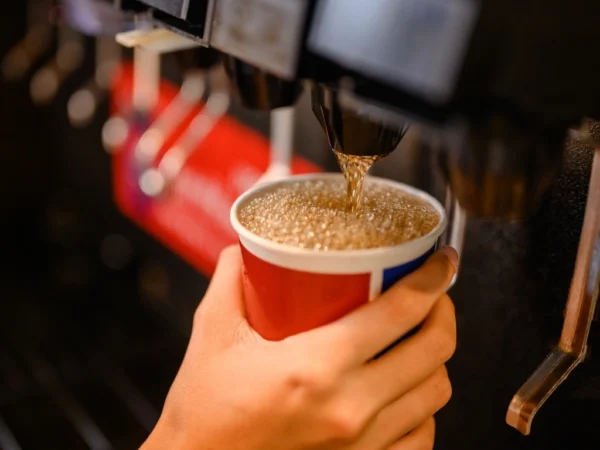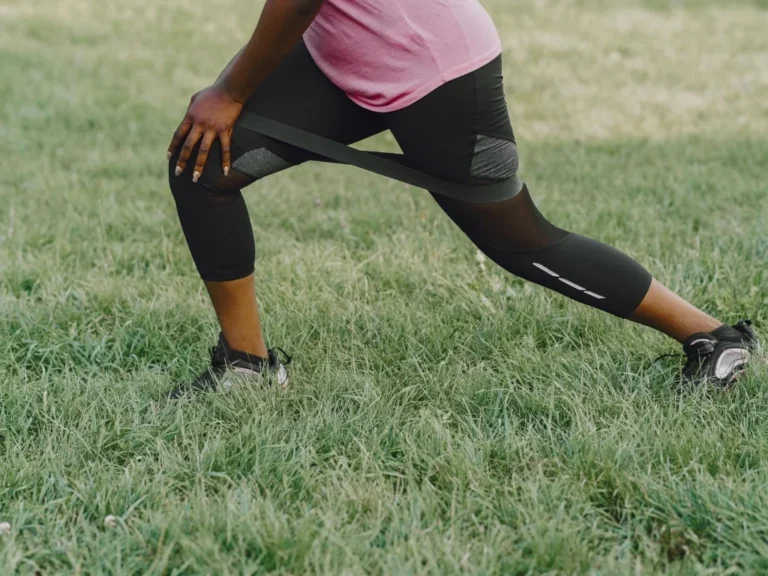









You step on the scale and notice it’s a few pounds higher than usual. Maybe you had a salty dinner, traveled for several hours, or you’re a few days away from your period. Your clothes feel a bit snug, and you start wondering what’s changed.
In many cases, it’s simply water weight — temporary fluid shifts that happen for everyday reasons. The body responds to sodium, carbohydrates, hormones, stress, and activity levels in ways that can move the scale up or down within a short period of time, sometimes even a day or two.
What’s helpful to know is this: water weight is usually temporary and can often be improved with a few simple adjustments. Listed below are how you can lose water weight quickly using practical, evidence-based strategies that support your body’s natural fluid balance.

What is water weight, and why does it happen?
Water weight refers to temporary fluid accumulation in the body’s tissues. It may show up as:
- Puffiness in the face
- Swelling in the fingers or ankles
- Abdominal bloating
- Sudden increase on the scale
Fluid retention happens for several common reasons, including:
- Sodium intake: Sodium plays a central role in regulating fluid balance. When intake increases, the body retains more water to maintain electrolyte stability. This is why salty meals often lead to short-term weight gain the next day.
- Carbohydrate storage: Carbohydrates are stored in the body as glycogen. When carb intake increases, glycogen stores rise, and so does associated fluid. To add, many carb sources contain soluble fiber, which absorbs water in the digestive tract and can further contribute to fluid retention.
- Hormonal shifts: Estrogen and progesterone influence fluid regulation, which is why many women notice increased water retention and/or bloating before menstruation.
- Stress and cortisol: Elevated cortisol levels can affect how the body handles sodium and fluid, contributing to temporary retention.
- Inactivity: Long periods of sitting — during travel, for example — may cause fluid to pool in the lower legs due to reduced circulation.
Short-term fluid shifts are normal and often resolve within a few days. Persistent swelling, pain, or one-sided swelling, however, should be evaluated by a healthcare professional.
12 evidence-based ways to lose water weight quickly
When people look for the quickest way to lose water weight, they often expect a dramatic solution. In reality, the most effective strategies are straightforward and work best in combination with one another.
1. Reduce sodium intake
Sodium pulls water into tissues. Lowering intake can reduce fluid retention within 24 to 72 hours.
This does not mean eliminating sodium entirely. Instead:
- Limit highly processed foods
- Choose lower-sodium packaged options
- Rinse canned beans and vegetables
- Read nutrition labels carefully
The American Heart Association recommends limiting sodium to 1,500 to 2,300 mg per day for most adults. Even short-term reductions may noticeably reduce fluid retention.
2. Increase water intake
It may seem counterintuitive, but drinking more water can help with losing water retention. When fluid intake is low, the body compensates by holding onto water. Consistent hydration supports optimal kidney function and helps the body to release excess sodium and retained fluid.
Aim for steady fluid intake throughout the day rather than large amounts at once. Overhydration isn’t necessary and can disrupt electrolyte balance. For most people, pale yellow urine is a practical sign that a good level of hydration has been reached.
3. Eat more potassium-rich foods
Potassium helps to balance sodium levels in the body. When potassium intake is adequate, the kidneys are better able to excrete excess sodium, which supports healthy fluid balance and can aid in decreasing fluid retention.
Good sources of potassium include:
- Leafy greens (like spinach, arugula, and kale)
- Beans
- Sweet potatoes
- Avocados
- Bananas
If you have kidney disease or take medications that may affect potassium levels, consider speaking with your healthcare provider before increasing intake.
4. Temporarily reduce refined carbohydrates
Because glycogen, the storage form of glucose or carbs, binds water — with roughly three grams of water stored for every one gram — reducing refined carbohydrates for a few days lowers glycogen stores and releases associated fluid.
This explains why early weight changes on lower-carb eating patterns are often fluid shifts, rather than fat loss. There’s no need to remove carbs from your diet completely. Moderate reduction is usually enough to see results here.
5. Move your body daily
Light movement improves circulation and helps prevent fluid pooling, especially in the lower legs after long periods of sitting. Walking, cycling, or gentle stretching encourages muscle contractions that move fluid back toward the heart.
You don’t need intense workouts — steady, moderate activity often works best. Even a 20- to 30-minute walk can noticeably reduce temporary swelling and stiffness.
6. Include resistance training
Strength training uses up stored glycogen, which reduces the water bound to it. It also improves insulin sensitivity, which helps to regulate how the body stores carbs and fluid.
Over time, strength training supports more steady metabolic patterns and less drastic fluid fluctuations. The effect is gradual but meaningful when done consistently — two to three times per week.
7. Prioritize sleep
Sleep supports the hormones that regulate stress and sodium balance. Poor sleep can elevate cortisol, which may contribute to temporary fluid retention. Not getting enough quality sleep can also increase cravings for salty or refined foods, indirectly affecting fluid shifts the following day.
Aim for consistent sleep timing and seven to nine hours per night to support optimal hormonal stability.
8. Manage stress
Like with poor sleep, chronic stress also raises cortisol levels and may lead to higher sodium and/or carbohydrate intake, influencing sodium retention and fluid balance.
Simple habits — such as walking outdoors, breathing exercises, journaling, or limiting late-night screen exposure — can gradually improve stress regulation and help to stabilize fluid patterns over time.
9. Try natural diuretics carefully
Caffeine, green tea, and dandelion leaf are considered to be diuretics, as they may mildly increase urine output. Their effects are generally mild and short-lived. While they can offer brief relief, they do not address underlying causes like sodium intake, stress, or hormonal shifts.
Avoid overuse, as excessive diuretic use can result in dehydration and rebound fluid retention.
10. Support digestive regularity
Constipation can feel similar to water retention due to their shared symptoms of abdominal bloating and pressure. Balanced fiber intake, paired with adequate hydration, supports regular bowel movements and reduces that sensation of heaviness. Be sure to increase fiber gradually to avoid excess gas or discomfort. Improving digestion often reduces perceived “water weight” within a few days.
11. Account for hormonal shifts
Fluid retention commonly increases in the days before menstruation due to estrogen and progesterone fluctuations. This pattern is temporary and typically resolves once menstruation begins.
Reducing sodium, staying hydrated, and maintaining light activity can help minimize the intensity of premenstrual swelling and associated bloating.
12. Review medications and health conditions
Some medications — including hormonal contraceptives, nonsteroidal anti-inflammatory drugs (NSAIDs) like Advil or Aleve, and certain blood pressure treatments — may contribute to fluid retention.
Occasional mild retention is common, but ongoing or unexplained swelling should not be ignored. If swelling persists or is visibly worsening, seek evaluation by a medical professional.
How long does water weight loss last?
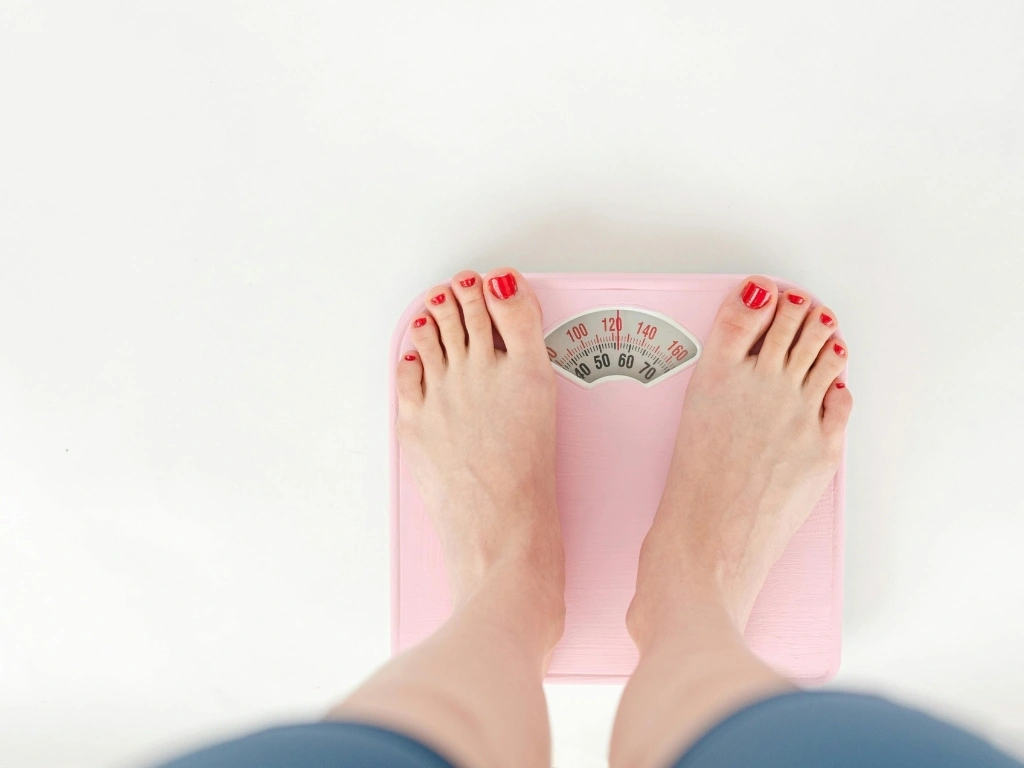
When learning how to lose water weight, it helps to understand how long those changes typically last. Water weight can drop within a few days when triggers are addressed, especially if sodium intake decreases, hydration improves, or carbohydrate intake shifts. However, it can just as quickly return. A salty meal, hormonal changes, or replenished glycogen stores may cause the fluid to return within 24 to 48 hours. This fluctuation is normal, as the body constantly adjusts fluid levels to maintain balance.
Unlike fat loss, which reflects sustained energy changes over time, water shifts respond to short-term inputs. Daily scale swings of two to five pounds are common and usually reflect fluid, not fat. When considering how to lose water weight quickly, it’s helpful to focus on weekly trends rather than reacting to day-to-day changes.
When does water retention become a medical concern?
Most fluid retention is mild and temporary. While many people research on their own how to lose water weight when they’re feeling bloated, certain patterns do require medical attention.
Seek medical care if you experience:
- Swelling that persists or worsens
- One-sided leg swelling, especially with pain
- Shortness of breath
- Rapid, unexplained weight gain
- Symptoms linked to kidney, liver, or heart function
- Sudden or severe swelling during pregnancy
These signs may point to something beyond normal dietary or hormonal shifts. In those cases, the priority is not how to lose water weight quickly, but to understand the underlying cause with appropriate medical guidance.
Why quick fixes do not solve the root cause
Short-term strategies can help you to lose water weight quickly, but they don’t change how your body regulates fluid in the long run. If fluid retention keeps returning, it’s often because the underlying habits that are causing the retention haven’t changed.
For example, lowering sodium for two days may reduce bloating. However, if most meals are consistently high in sodium, fluid shifts will continue. The same applies to stress, irregular sleep, or long periods of inactivity. The body responds to patterns, not isolated adjustments.
Instead of resetting each time the scale moves, it’s more effective to build steady habits that support fluid balance day after day. When hydration, movement, and meal structure are consistent, fluctuations tend to feel smaller and more predictable — and there’s less need to repeatedly figure out how to lose water weight in a hurry.
Get personalized support for steady, sustainable progress
Temporary fluid shifts are common, but they can still feel discouraging when they occur persistently. If you’re unsure whether your changes are typical or part of a larger pattern, structured guidance from a registered dietitian can make all the difference.
Understanding your hydration habits, sodium intake, meal timing, stress levels, and activity patterns in an individualized context provides more tangible answers than relying on repeated trial and error alone. What works for one person may not work the same way for another, and it’s important to have a game plan that caters to your specific regimen and daily needs.
If you’d like support developing a practical plan tailored to your routine and health history, Health Loft’s registered weight loss dietitians can help you take a more informed and steady approach. Connect with a dietitian today.
This article was reviewed by Haleigh Mann, MS, RDN, LDN. It is intended for informational purposes only and does not replace personalized nutritional advice.