









Supporting your digestive health often starts with what you eat. The delicate lining of your intestines is essential to protecting your body, but in some cases, it can become more permeable than usual — a process that can occur alongside digestive conditions or persistent inflammation.
Fortunately, your gut barrier is highly responsive to nutrition. A leaky gut-friendly diet plan built on a variety of fiber-rich plants, lean proteins, and healthy fats can help strengthen this vital part of the digestive system and balance out your gut environment for increased overall comfort.

What is a leaky gut?
“Leaky gut” is a non-medical term used to describe increased intestinal permeability, when the lining of the small intestine becomes less selective about what passes into the bloodstream. Normally, this lining acts as a tightly regulated barrier that allows nutrients to pass through while keeping out toxins and pathogens as the body’s primary line of defense. When it becomes more permeable, however, larger particles may slip through more easily, potentially contributing to inflammation.
Although “leaky gut” itself is not a formal diagnosis, increased intestinal permeability has been observed alongside several digestive and immune-related conditions, including irritable bowel syndrome (IBS), inflammatory bowel disease (IBD), celiac disease, gastrointestinal infections, and chronic inflammation.
Individuals with leaky gut may report symptoms such as burning sensations or discomfort in the abdomen, gas, bloating, diarrhea, or persistent fatigue.
Because there’s no single test for this issue, treatment often focuses on general gut health, including diet plans tailored to leaky bowels. Recovery time also tends to vary based on the underlying cause and other individual factors.
Foods to include in a leaky gut diet plan
The gut lining is often influenced directly by what and how we eat, so which foods are ideal for leaky gut? The existing evidence points to dietary patterns rich in the following food groups:
Fiber-rich vegetables (if tolerated)
Research suggests that fiber strengthens the intestinal barrier by helping to nourish beneficial gut bacteria. Meanwhile, a high-fat, low-fiber diet may worsen permeability.
When gut bacteria ferment fiber, they produce short-chain fatty acids (SCFAs) such as butyrate, which provide energy for colon cells and help to regulate the proteins that maintain the intestinal barrier.
Starting with cooked or softer vegetables can make fiber easier to tolerate for some people. Some reliable staples you can include in your diet are:
- Artichokes
- Broccoli
- Lentils
- Root vegetables, such as beets and carrots
- Leafy greens, such as spinach and kale
- Sweet potatoes
For people with IBS, a short-term, supervised approach minimizing the intake of FODMAPs (fermentable oligosaccharides, disaccharides, monosaccharides, and polyols) has been shown in clinical trials to reduce symptoms. It isn’t necessary for everyone, but it may help those with clear fermentable carbohydrate sensitivity.
Lean protein sources
Protein provides essential amino acids needed for tissue repair and maintenance. Some of these amino acids, such as glutamine, may help lessen intestinal permeability and promote recovery in other stress-related gut conditions.
Some gentle, easily digestible protein options to consider are:
- Poultry, such as chicken or turkey (skinless and white meat only)
- Bone broth
- Low-fat fish, such as cod, tilapia, or haddock
- Eggs, particularly egg whites
- Dairy products, such as cottage cheese, feta cheese, or cultured buttermilk (if tolerated)
- Plant-based proteins, such as tofu, quinoa, and beans (if tolerated)
Having protein with each meal also aids in stabilizing energy levels throughout the day.
Healthy fats
While certain dietary fats, particularly those of poor quality or those consumed in excess amounts, can impair barrier function and increase circulating endotoxins, omega-3 fatty acids are considered essential for reinforcing the gut barrier and the immune system as a whole.
Foods that are rich in supportive fats include:
- Fatty fish, such as salmon, sardines, or anchovies
- Flaxseeds (especially ground) and flaxseed oil
- Walnuts and walnut oil
- Chia seeds
- Canola oil
These fats, particularly those in seed or oil form, can be easily added to meals as dressings, sauces, or toppings or blended into smoothies.
Polyphenol-rich fruits
Polyphenols are natural plant compounds found in many fruits and vegetables. Early research suggests that these compounds may help support the gut microbiome and positively influence inflammation and barrier function.
The following fruits are particularly dependable sources of polyphenols:
- Berries, such as blueberries, blackberries, and raspberries
- Pomegranate
- Citrus fruits, such as blood oranges, kiwi, and passion fruit
- Dried fruits, especially prunes
- Other dark-colored fruits, such as plums, cherries, and black currants
While human-focused studies are still emerging, these foods are consistently associated with improvements in digestive and metabolic health.
Fermented foods
Fermented foods contain live microbes that help to balance your gut and strengthen its protective lining. While human studies show mixed results, certain probiotics have been shown to influence markers related to intestinal barrier function.
Going beyond simply sealing the gut lining, these beneficial bacteria also crowd out harmful germs, boost the immune system, and produce essential fatty acids that fuel digestive cells.
Some options to include, if tolerated, are:
- Kefir
- Yogurt with live cultures (plain and unsweetened)
- Sauerkraut or kimchi (fermented cabbage)
- Miso
- Kombucha
- Sourdough bread
Results and tolerance may vary from person to person, but these foods can generally be a helpful addition for many individuals.
Mushrooms
Edible mushrooms provide unique plant compounds such as beta-glucans, which may act as prebiotics that support beneficial gut bacteria.
Consider exploring these varieties:
- Oyster mushrooms
- Turkey tail
- Shiitake
- Maitake
- Lion’s mane
Studies also suggest that these compounds may have anti-inflammatory properties.
7-day diet plan to improve leaky gut symptoms
If you’re not sure where to begin, this week-long sample meal plan is designed to serve as a practical springboard. All featured meal ideas use the key food groups discussed above, which reinforce the gut lining, all while remaining approachable for a busy lifestyle.
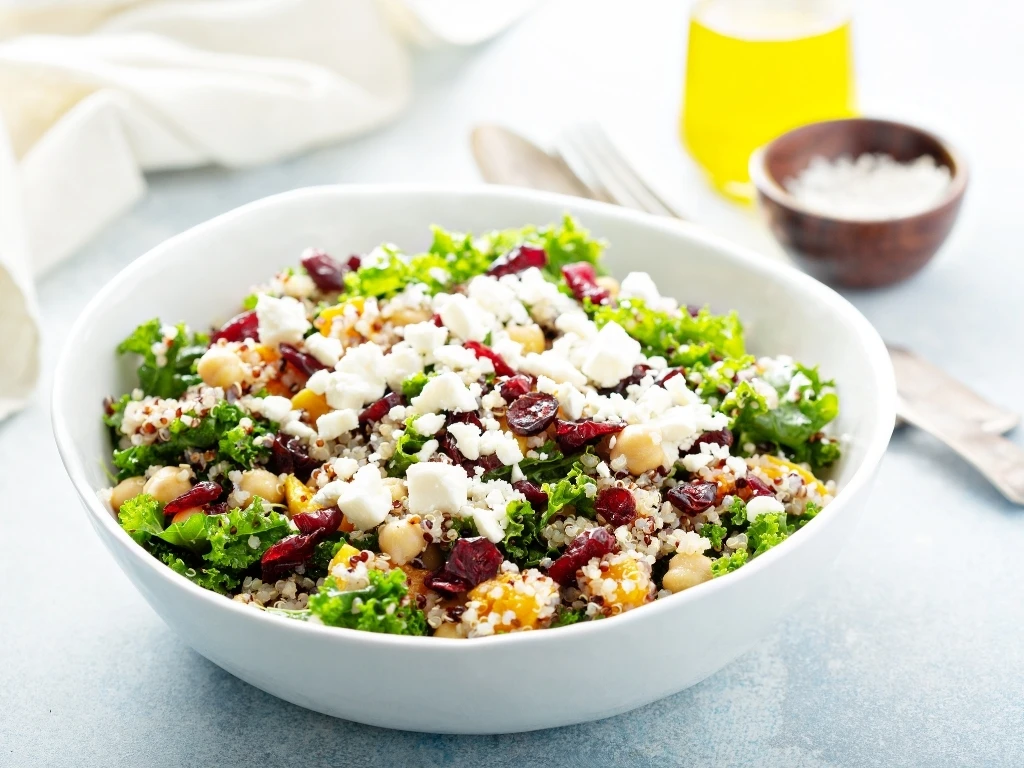
Day 1
- Breakfast: Oatmeal topped with walnuts and berries of your choice
- Lunch: Quinoa salad with chickpeas, kale, and cottage cheese
- Dinner: Baked salmon, roasted carrots, and sweet potatoes
- Snack: Berry kefir
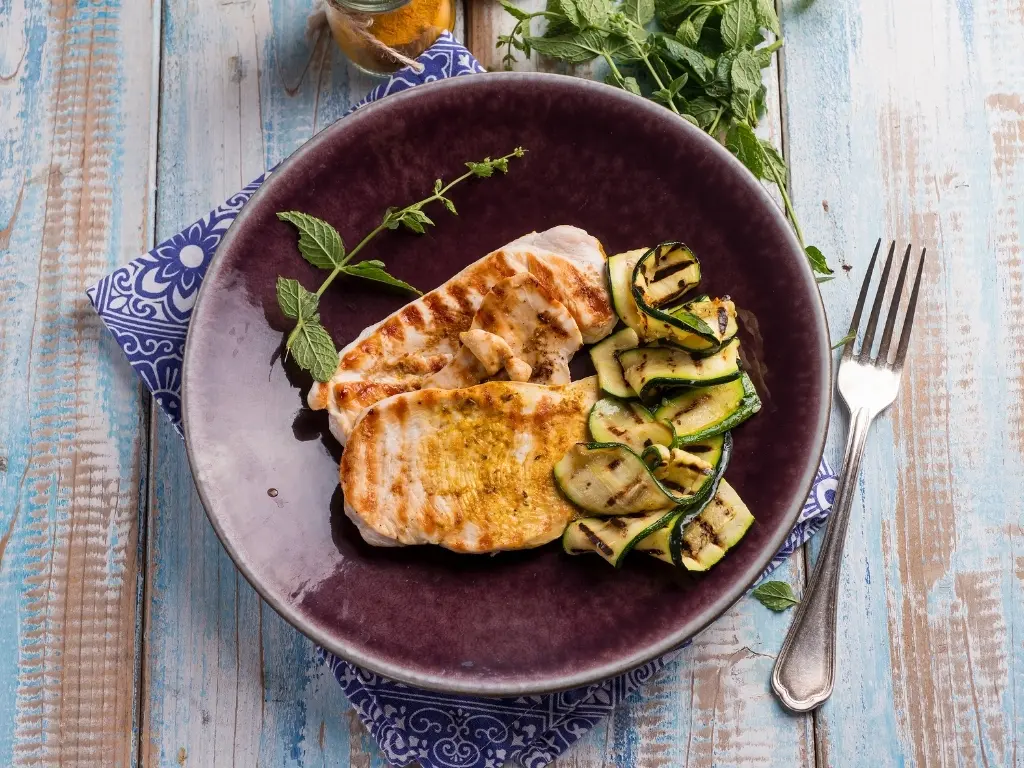
Day 2
- Breakfast: Greek yogurt with sliced banana and pumpkin seeds
- Lunch: Creamy mushroom soup, served with sourdough bread
- Dinner: Grilled chicken breast and zucchini (can also be sautéed)
- Snack: Your choice of citrus fruit
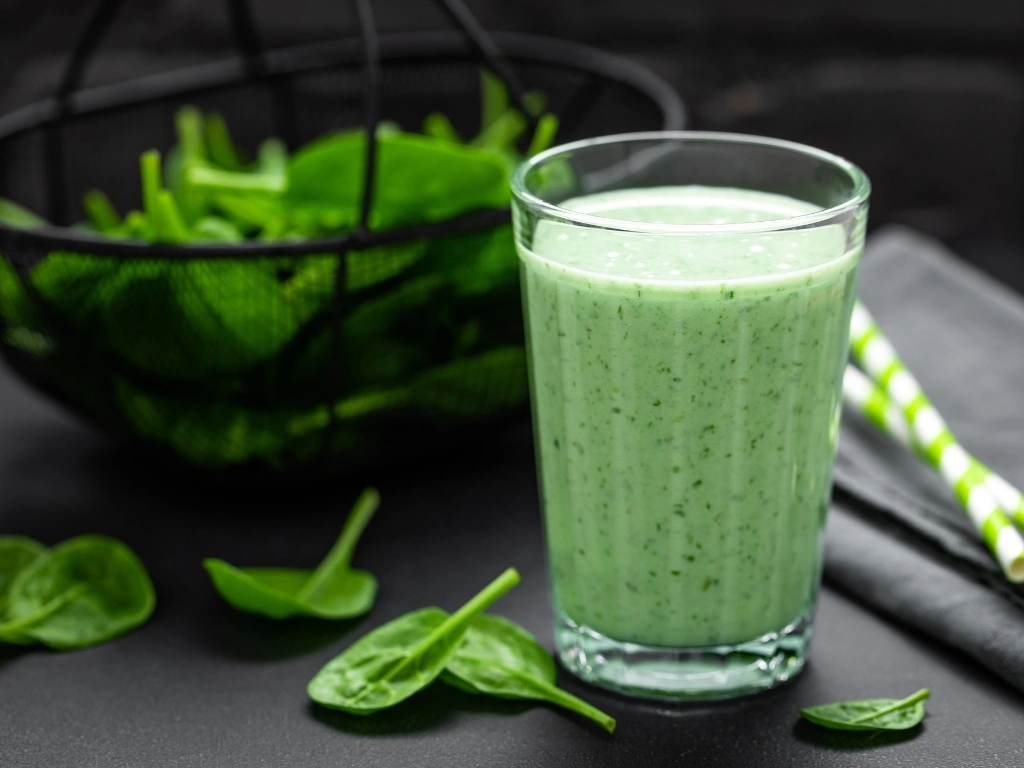
Day 3
- Breakfast: Smoothie with milk (or fortified plant milk), spinach, and frozen berries
- Lunch: Tempeh stir-fry with broccoli and brown rice (cooled and reheated for a more resistant starch)
- Dinner: Baked cod, sweet potato, and red cabbage slaw
- Snack: Mixed nuts and seeds (preferably almonds, walnuts, and chia seeds)
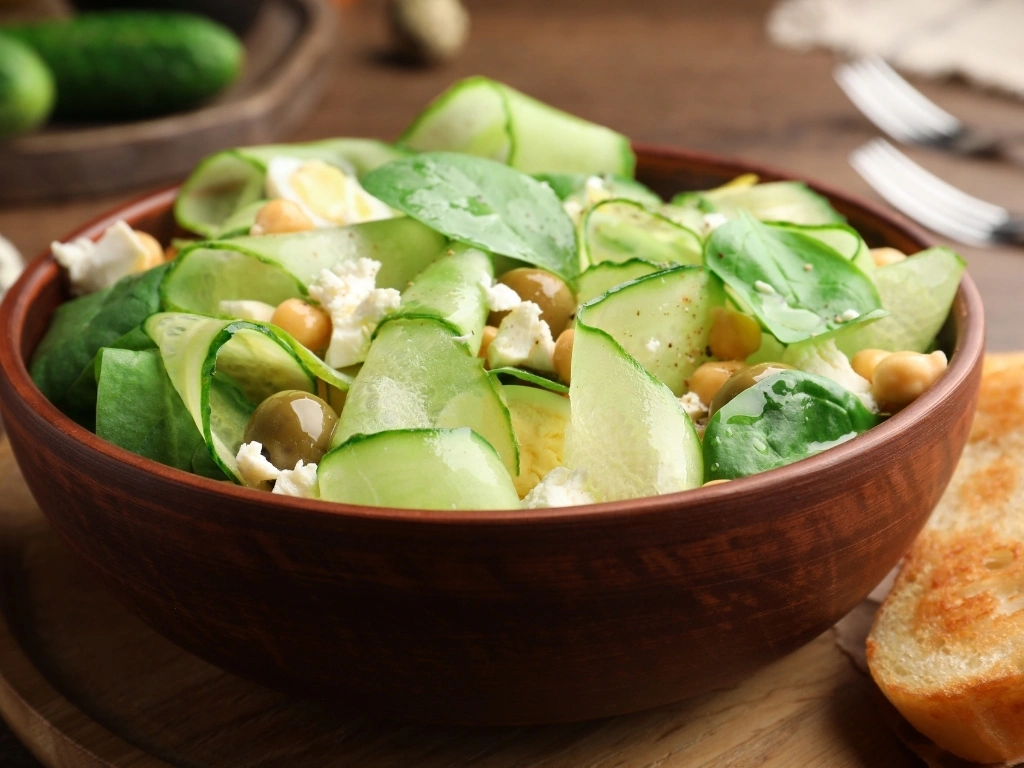
Day 4
- Breakfast: Egg and mushroom omelet served with sautéed kale
- Lunch: Chickpea and cucumber salad with olive oil
- Dinner: Turkey meatball pasta (preferably grain-free) in a simple pesto sauce
- Snack: Unsweetened yogurt with prunes
Day 5
- Breakfast: Oats with chopped pecans and strawberries
- Lunch: Burrito bowl with black beans, quinoa, roasted vegetables, and avocado (optional)
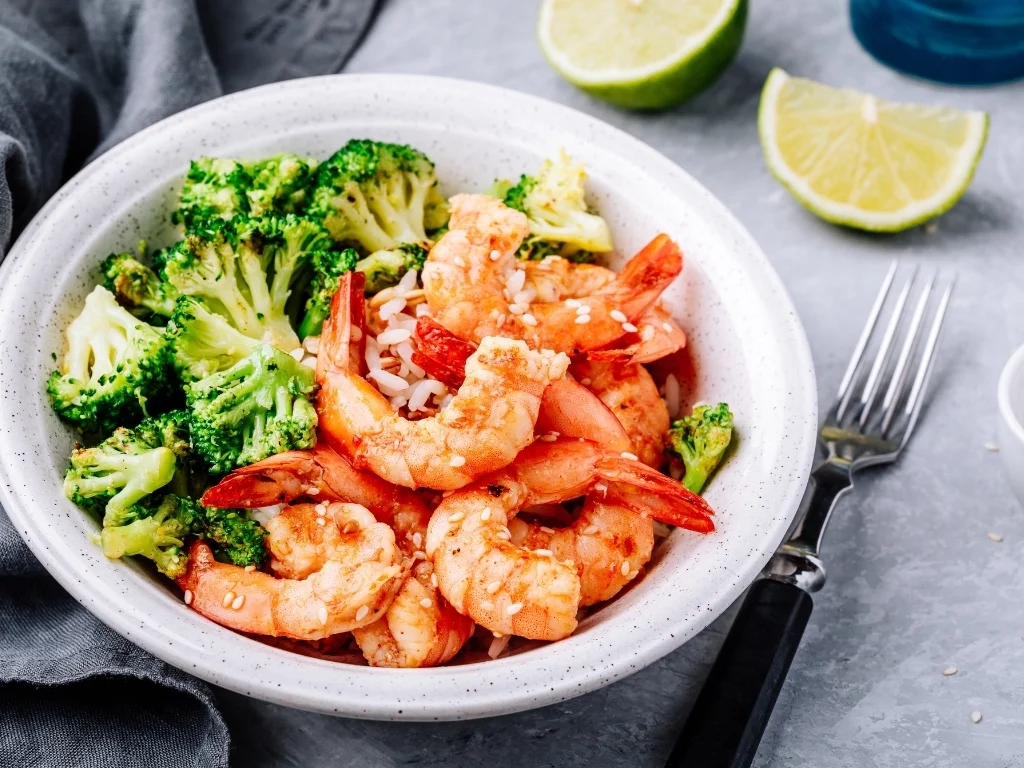
- Dinner: Grilled shrimp and broccoli (can also be steamed) on cooled rice
- Snack: Hummus and slices of cucumber
Day 6
- Breakfast: Cottage cheese with pineapple slices
- Lunch: Miso soup with tofu, scallions, and mushrooms of your choice
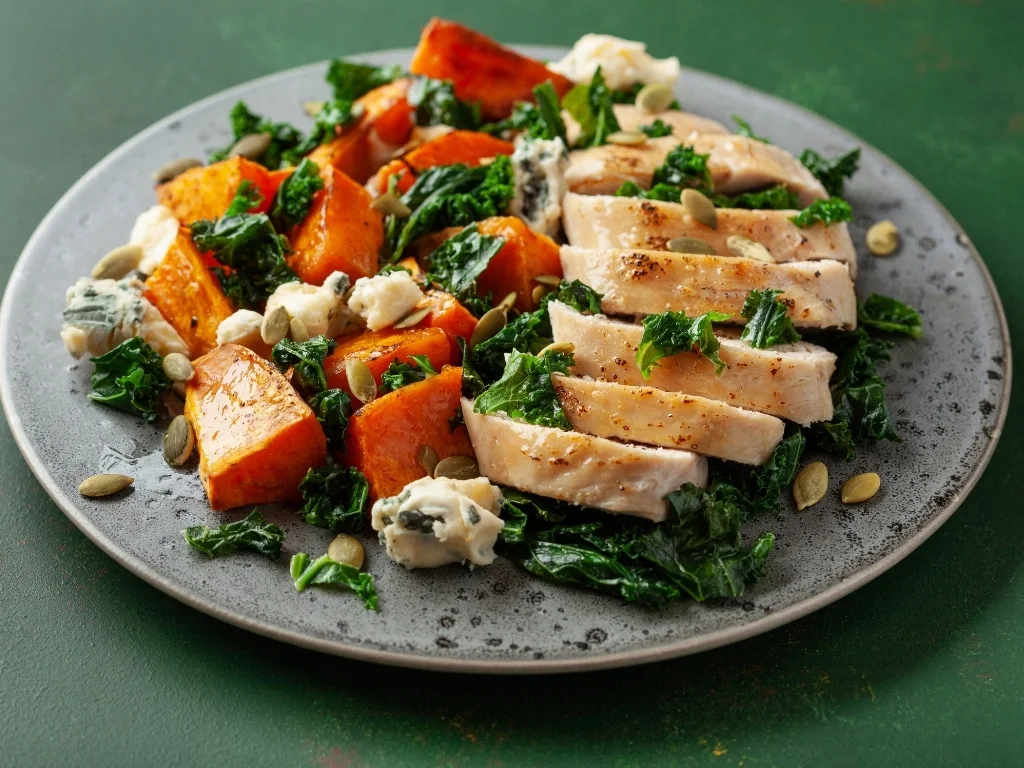
- Dinner: Baked chicken served with roasted sweet potato and a spinach salad
- Snack: Hard-boiled eggs
Day 7
- Breakfast: Sourdough bread served with homemade blueberry jam
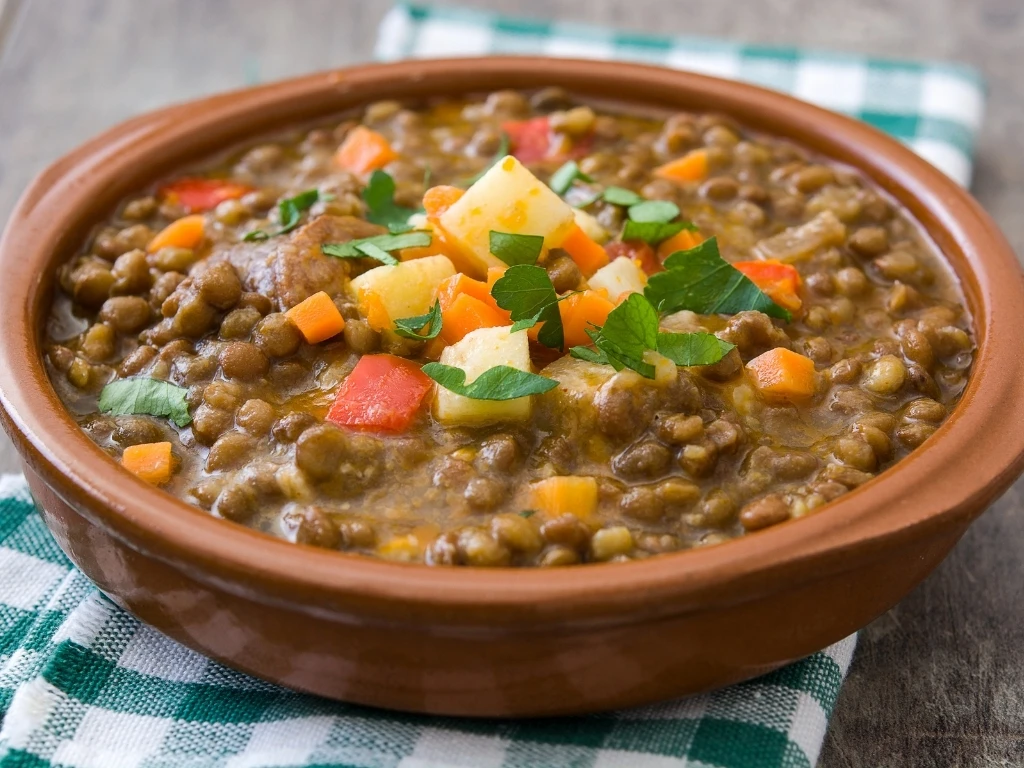
- Lunch: Lentil stew with carrots and sweet potatoes
- Dinner: Baked trout served with sautéed red cabbage and barley
- Snack: Avocado with gluten-free crackers
Adapt this leaky gut diet plan to your needs
As you build your own diet to heal leaky gut, remember that food tolerance can be highly individual, especially if your diagnosis co-exists with conditions like IBS or IBD.
Some foods that may benefit others may not work the same way for you, which is why your nutrition plan is best kept flexible and tailored specifically to your symptom severity, medications, and personal tolerances.
- For IBS: You may need to adjust the type and amount of FODMAPs, as these can trigger symptoms like gas, bloating, and abdominal discomfort. This might mean choosing lower-FODMAP fruits, being selective with the fiber sources you consume, or practicing portion control.
- For IBD: When symptoms are active, softer textures can sometimes be easier to tolerate. Blend leafy greens into smoothies or temporarily go for lower-residue foods to reduce irritation.
- For food sensitivities (lactose, gluten, or certain additives): Focus on substitutions specific to the identified triggers. For instance, swap regular dairy for lactose-free or fortified plant alternatives.
A simple habit that might help greatly is to regularly track symptoms against food choices. Keeping a log of these key details can reveal tolerance patterns, allowing you to make informed adjustments without only reacting to a single meal.
Supporting gut health with personalized nutrition care from Health Loft
A thoughtfully crafted leaky gut diet plan can provide a strong foundation for gut barrier recovery and defense, but nutrition alone won’t resolve the condition. Food choices are most helpful when used as a complement to medical treatment and aligned closely to your symptoms.
It’s also important to avoid self-prescribed, long-term elimination diets without guidance. While short-term adjustments can be helpful, overly limiting your food choices may worsen symptoms and create unintentional nutrient gaps over time.
Working with a gut health-focused dietitian can help you move forward with clarity, as they can personalize meal plans, help uncover actual food triggers, and coordinate closely with your healthcare team to ensure nutrition strategies are not only grounded in evidence but also designed around your individual diagnosis.
For nutrition care designed to support your digestive health long-term, connect with a registered dietitian from Health Loft.
This article was reviewed by Haleigh Mann, MS, RDN, LDN. It is intended for informational purposes only and does not replace personalized nutritional advice.