








Living with irritable bowel syndrome (IBS) can make meal planning feel particularly challenging. With symptoms often unpredictable and food triggers varying from person to person, even simple decisions about what to eat can become a source of stress.
To ease some of that burden, we’ve prepared a seven-day IBS meal plan designed to offer guidance on how you can structure meals, mix-and-match well-tolerated ingredients, and prioritize digestive comfort for an entire week, while still leaving room for enjoyment and variety.
Because every gut responds differently, there’s no need to follow this plan word for word. Instead, think of it as a flexible springboard to take inspiration from for your own recipes. Feel free to adapt, swap, or adjust meals based on your preferences and experiences as you discover what supports your digestion.

What foods should be included in an IBS meal plan?
Certain foods are better tolerated by people with IBS because they digest more gently and place less stress on a sensitive gut. Many of these foods align with a “low FODMAP approach,” which focuses on reducing specific carbohydrates that are poorly absorbed and more likely to cause bloating, gas, and abdominal discomfort.
While there’s no single proper diet for IBS that works for everyone, the following foods are considered largely reliable when managing IBS symptoms.
Easily digested carbohydrates
Carbs that break down efficiently in the digestive tract are often low in FODMAPs (fermentable oligo-, di-, mono-saccharides and polyols) and used as safe choices during symptom flares since they provide energy without heavily feeding gut bacteria.
This helps reduce excessive fermentation, gas production, and bloating. Some examples are:
- White rice
- Oats (rolled or quick oats)
- White or red potatoes (especially when peeled)
- Quinoa
- Gluten-free pasta or bread
Lean proteins
Protein sources with less fat tend to be easier on digestion, help keep blood sugar stable, and provide energy and fullness without fermenting in the gut. Consider incorporating these lean proteins into your IBS meal plan:
- Chicken and turkey (especially when skinless)
- Eggs
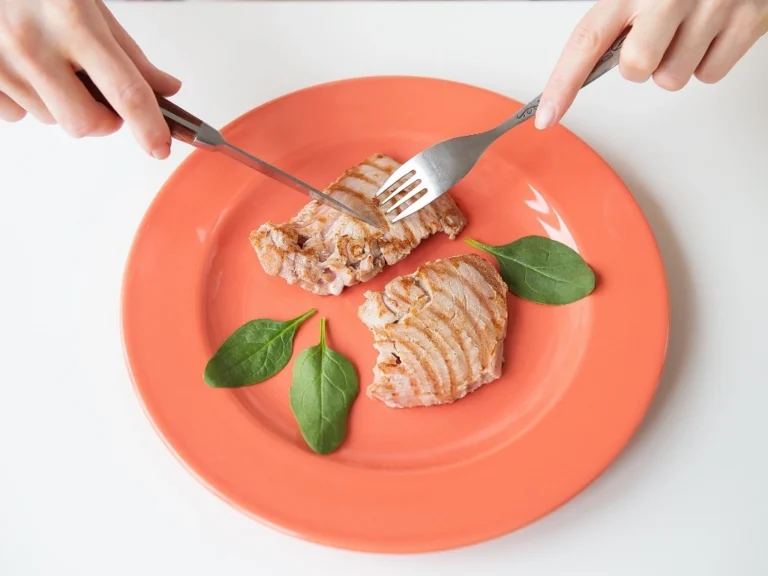
- Fish like salmon, cod, tuna, and tilapia
- Shellfish like shrimp and scallops
- Tofu (firm or extra-firm)
Low-FODMAP fruits and vegetables
Gentle produce options containing fewer fermentable carbs can bring relief to IBS-induced abdominal discomfort, especially when portion sizes are kept moderate.
Common choices are:
- Non-starchy vegetables like zucchini, eggplant, broccoli rabe, spinach, collard greens, kale, bell peppers, and green beans
- Root vegetables like carrots, potatoes, turnips, parsnips, and rutabaga
- Berries like blueberries, strawberries, and raspberries
- Citrus fruits like oranges, mandarins, lemons, and limes
- Other fruits high in soluble fiber, such as bananas (firm or newly ripe), papaya, kiwi, oranges, berries, pineapple, and melons
How you prepare fruits and vegetables can make a difference in how well your body tolerates them. Cooking helps soften fiber, which can make digestion easier and may reduce IBS symptoms for some people. Peeling certain produce, like potatoes or cucumbers, can also help make them gentler on the gut.
Grains, seeds, and legumes with high soluble fiber
Soluble fiber is typically better tolerated in IBS because it absorbs water and forms a soft gel in the gut, which can regulate bowel movements and reduce irritation. The following are some reliable sources worth adding to your IBS meal plan:
- Oats, oat bran, and barley
- Chia, flaxseed, sunflower seeds
- Psyllium husk
- Canned lentils and chickpeas (when well-rinsed and served in small portions)
Low- or no-lactose dairy products (and alternatives)
Lactose is a FODMAP that can trigger IBS symptoms, so reducing or removing it can be helpful. The following options allow you to meet nutrient needs without triggering symptoms:
- Lactose-free milk, cheese, or yogurt
- Plant-based, calcium-fortified milks like almond
- Hard cheeses like cheddar, Swiss, or Parmesan (naturally low-lactose)
It’s worth remembering that, while these foods are generally IBS-friendly, they shouldn’t be expected to be universally effective. What fits well into one person’s IBS meal plan may still trigger symptoms for another. Tolerance depends on highly individualized factors, including your symptoms, stress levels, gut sensitivity, portion sizes, and how foods are prepared. Rather than treating this list as a strict rulebook, use it as a flexible tool to help track how your body responds over time.
What foods can worsen IBS symptoms?
The following types of foods are more likely to trigger symptoms and may need to be limited when building an IBS meal plan:
- High-FODMAP foods: When FODMAPs are poorly absorbed in the small intestine and reach the colon, they ferment and can increase gas, bloating, abdominal pain, and changes in bowel habits. Examples of high-FODMAP foods include onions, garlic, beans, lentils, high-fructose fruits and vegetables, regular dairy products (milk, soft cheeses, and yogurt with lactose), artificial sweeteners (such as sorbitol and mannitol), and wheat-based breads, pasta, and baked goods.
- High-fat or spicy foods: Deep-fried foods, heavily processed items (fast food, frozen meals, packed snacks, and cold cuts), creamy sauces, and spicy meals can all disrupt digestion and stimulate stronger gut contractions. These effects may worsen cramping, pain, or urgency, especially for people with diarrhea-predominant IBS (IBS-D).
- Caffeine and alcohol: Coffee, energy drinks, strong teas, and alcoholic beverages can irritate the digestive tract. Experts advise drinking no more than three cups of caffeinated drinks, though for some people, even less may lead to looser stools or increased urgency.
- Large portions: Even foods that are low in FODMAP content and usually well-tolerated can trigger symptoms when eaten in excess. Large or very heavy meals can overload the digestive system, increase discomfort, and cause a meal’s FODMAP content to stack up.
While it’s helpful to be mindful of these foods, it doesn’t mean they need to be permanently eliminated from your IBS menu plan.
Pay close attention to other potential factors impacting symptoms, such as:
- How much food do you eat
- How foods are prepared (for example, fried vs. baked)
- Timing of your meals
- What else is happening in your day, such as stress levels or sleep quality
Rather than long-term restriction, the goal is to identify your personal triggers and systematically reintroduce foods to support dietary diversity and reduce the risk of nutrient deficiencies. A registered dietitian can create a structured reintroduction phase to help identify triggers, ensure nutritional adequacy, and improve your confidence around food choices.
Sample 7-day IBS meal plan to help ease digestion
Adopting a simple structure often reduces the stress that comes with meal planning. This sample menu plan for IBS is built around expert-recommended food items that bring balanced nutrition while keeping symptoms at bay.
For a more personalized meal plan to curb an irritable bowel, consider working with a registered dietitian to have this list finessed to your own needs and digestive patterns.
Day 1
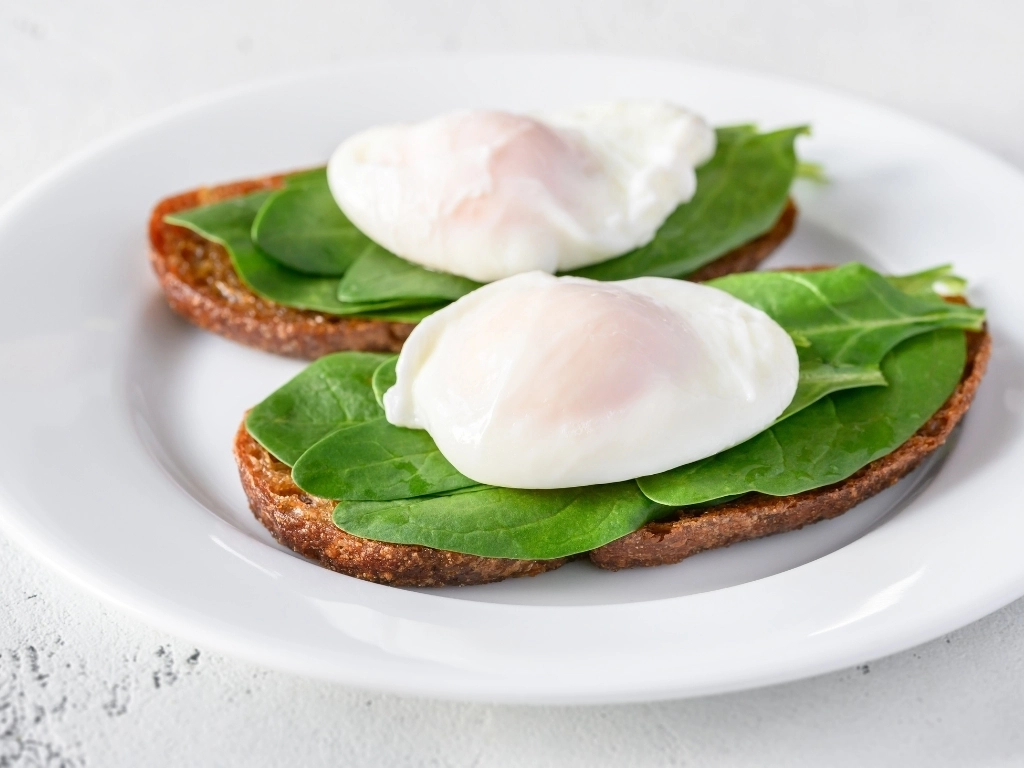
- Breakfast: Poached eggs on a small serving of spelt sourdough with wilted spinach
- Lunch: Quinoa bowl with roasted potato and a fried egg
- Dinner: Asian-style shredded chicken with Napa cabbage, carrots, rice noodles, and a low-FODMAP sauce of choice
- Optional snack: Spring green salad (lettuce, spring onions, arugula, dill sprigs, feta cheese, and optional pumpkin seeds)
 Day 2
Day 2
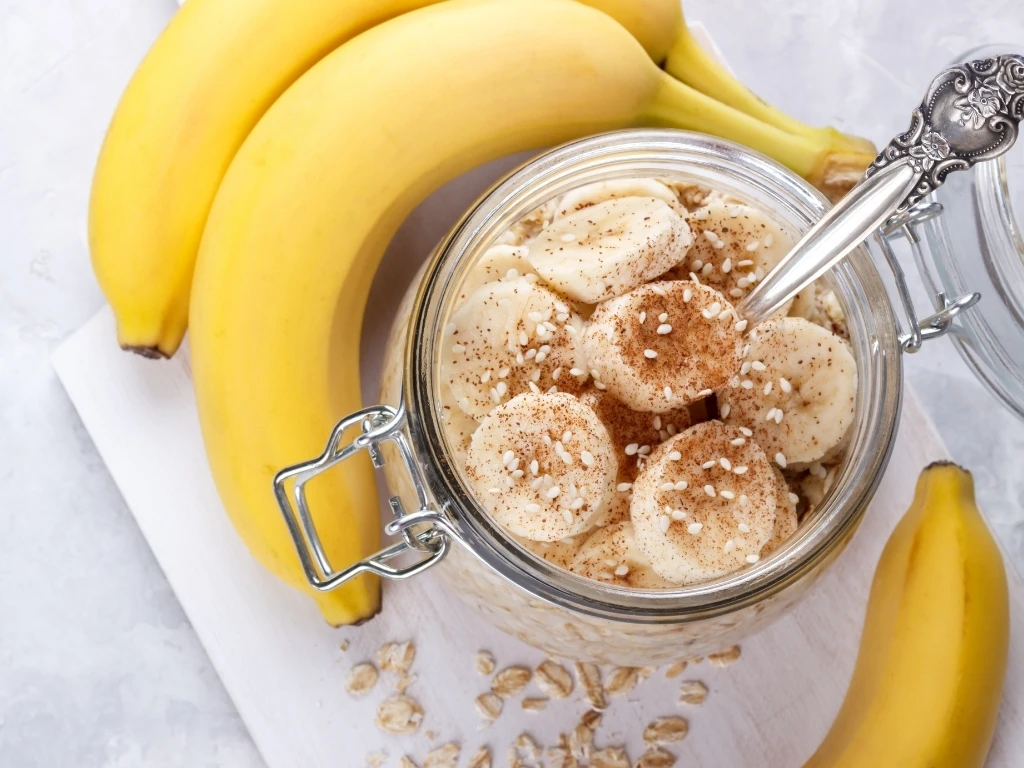
- Breakfast: Porridge made with lactose-free milk, firm banana slices, and cinnamon
- Lunch: Baked vegetable frittata featuring bell peppers, spinach, zucchini, carrots, and green onions, along with Parmesan cheese
- Dinner: Vegan coconut curry (no onion or garlic) with low-FODMAP vegetables and rice
- Optional snack: Camembert cheese with gluten-free crackers
Day 3
- Breakfast: Kale, feta, and pine nut omelette
- Lunch: Grilled tuna with a side of white potato patties and collard greens
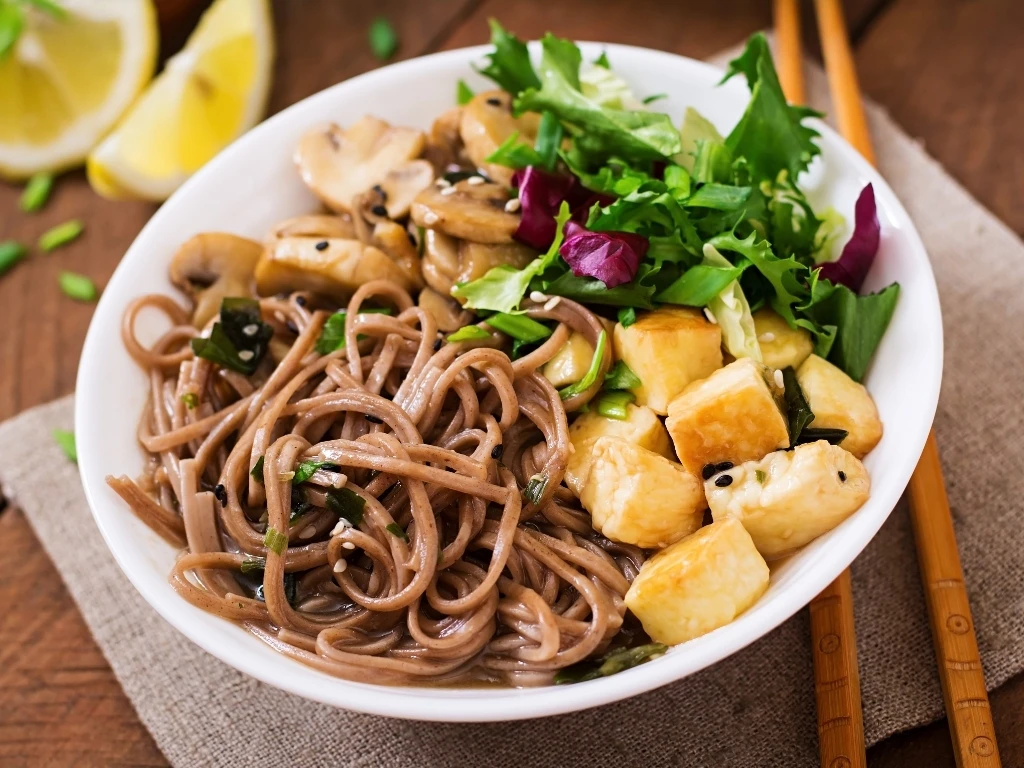
- Dinner: Stir-fried extra-firm tofu with carrots, small portions of broccoli heads, and green beans over buckwheat (soba) noodles
- Optional snack: Homemade popcorn with moderate unsalted butter
Day 4
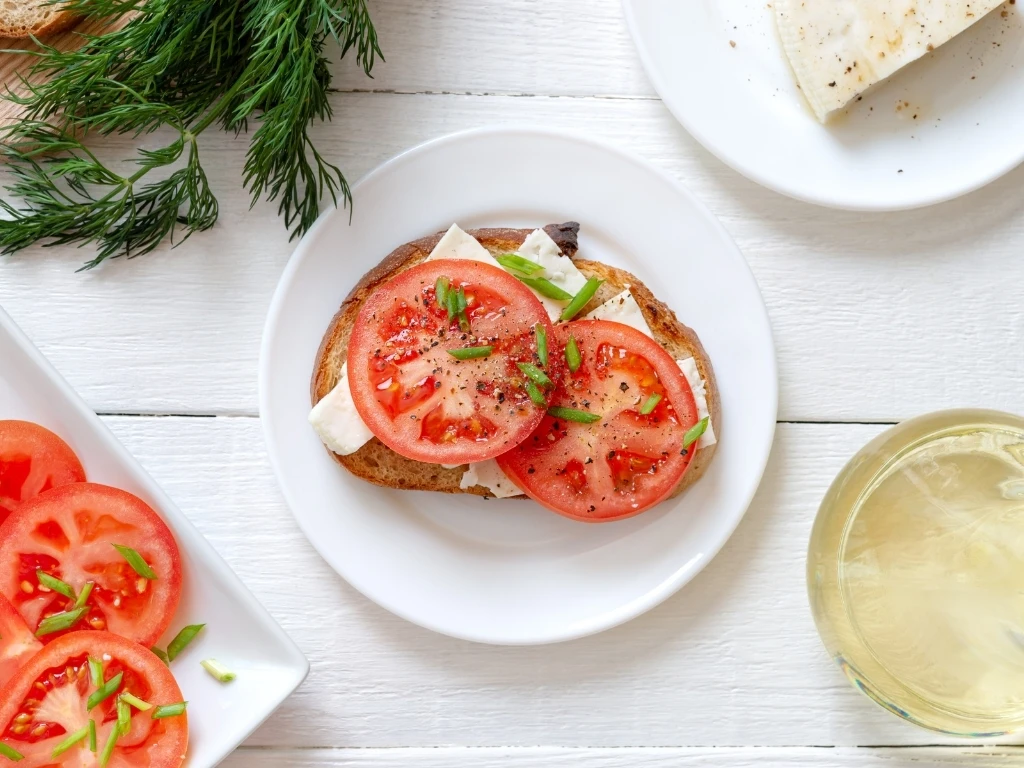
- Breakfast: Sliced tomato, lettuce, and low-FODMAP cheese of choice (cheddar, feta, or mozzarella) on gluten-free toast
- Lunch: Carrot fritters topped with poached eggs
- Dinner: Grilled salmon with soy sauce, bok choy, and brown rice
- Optional snack: Lactose-free yogurt topped with chia seeds
Day 5
- Breakfast: Rolled-oat-and-banana pancakes topped with fresh blueberries, strawberries, or raspberries
- Lunch: Spelt sourdough sandwich with cheese, cucumber, tomato, arugula, and some grilled turkey
- Dinner: Baked lean pork served with steamed carrots and rice
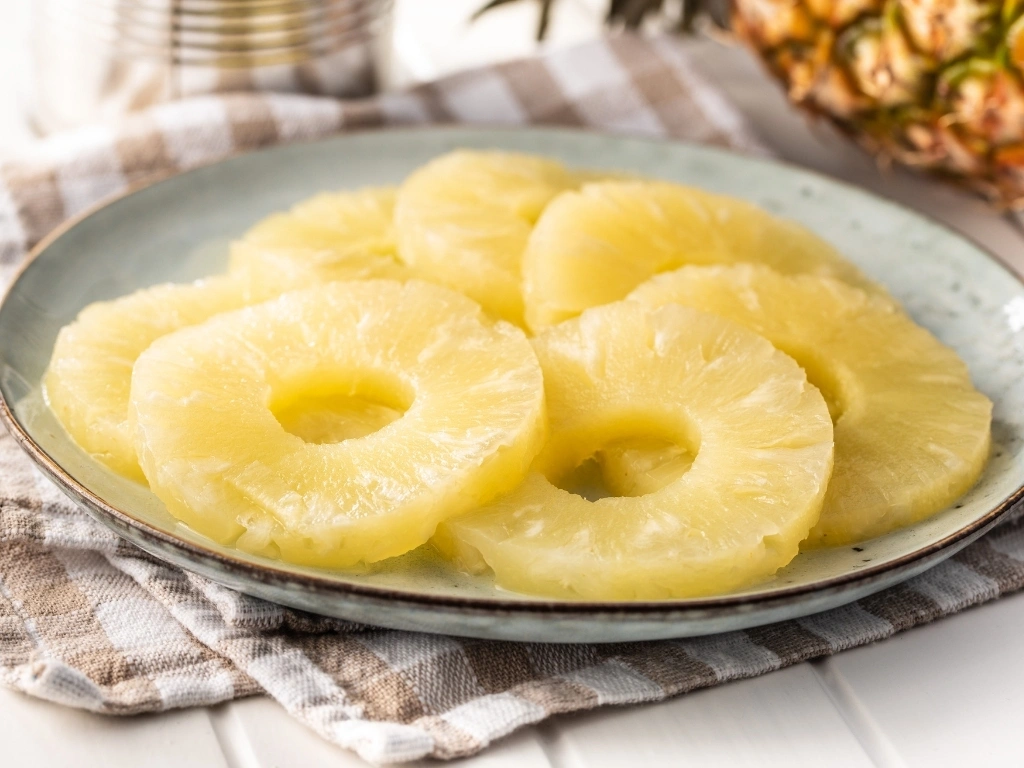
- Optional snack: Pineapple slices or a mandarin
Day 6
- Breakfast: Smoothie made with lactose-free yogurt, berries, and steel-cut oats
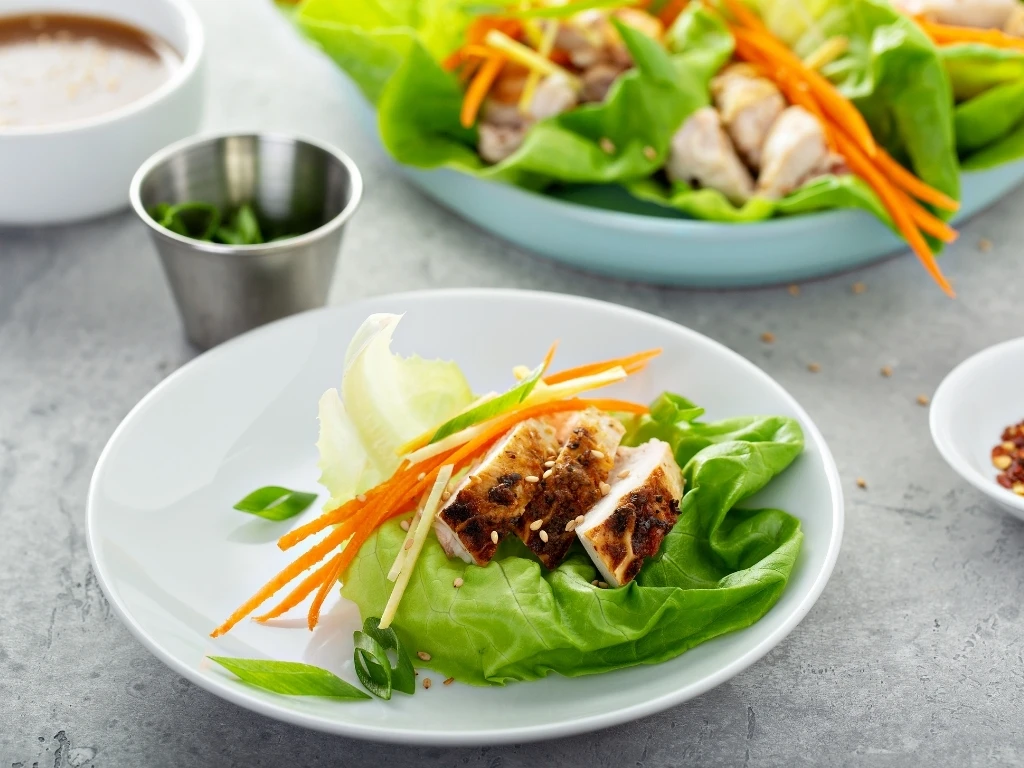
- Lunch: Lettuce wraps with lean chicken or ground beef, shredded carrots, and cucumber
- Dinner: Baked chicken with roasted white potatoes and zucchini
- Optional snack: Small portion of mixed nuts (approx. 12 grams of almonds, 30 grams of walnuts, and 28 grams of peanuts) or some dark chocolate with at least 70% cacao
Day 7
- Breakfast: Scrambled eggs with arugula on gluten-free toast
- Lunch: Quinoa salad with grilled chicken, cucumber, and herbs
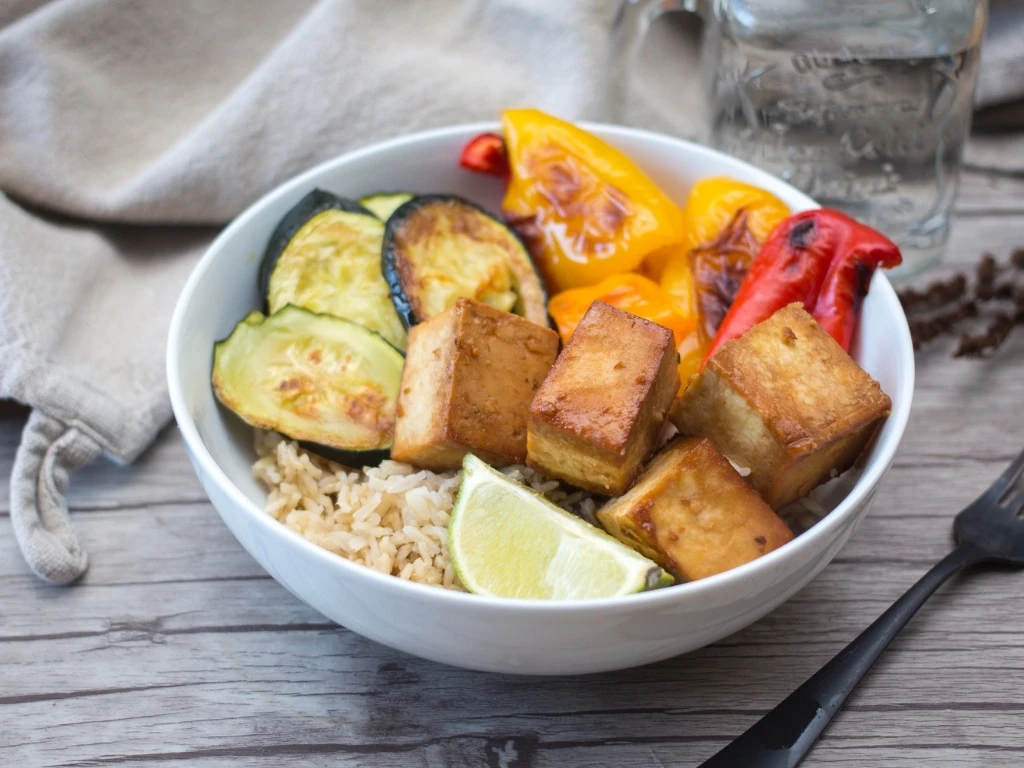
- Dinner: Tofu rice bowl with bell pepper, eggplant, sesame dressing, and an optional splash of citrus
- Optional snack: Banana with unsweetened peanut butter dip
Build a healthier relationship with food with the help of a dietitian
Planning your day-to-day meals with IBS doesn’t have to be overwhelming. This IBS meal plan is not meant to be a rigid set of rules, but rather a supportive starting point where you can adapt to what works best for your body. After all, your approach to nutrition should always reflect your own symptoms, experiences, tolerances, and lifestyle overall.
At Health Loft, we believe confidence around food is best nurtured by accessible expert support. Working with our registered IBS dietitians and nutritionists helps you build a proper diet for IBS through individualized care and balanced nutrition strategies that are tailored to you — and designed to evolve with you over time.
If you are ready to move beyond plain guesswork, let a Health Loft dietitian help you build a flexible IBS meal plan that supports both your digestion and quality of life. Book your first telehealth session for as low as $0, depending on your insurance coverage, and take a step toward healthier, stress-free eating.
This article was reviewed by Solveig Adalsteinsdottir, MS, RDN, LDN. It is intended for informational purposes only and does not replace personalized nutritional advice.