









Mornings can be especially challenging when you have irritable bowel syndrome (IBS). Many people notice their digestion feels more sensitive early in the day, which can make choosing the right breakfast feel confusing or stressful.
Still, breakfast doesn’t have to be something you dread. By paying attention to ingredients and portions — and allowing for a bit of trial and error — you can build breakfasts that support digestion rather than disrupt it. We’ve rounded up IBS-friendly breakfast ideas to serve as a helpful starting point for discovering what feels best for your digestion.

What is IBS?
IBS is a chronic condition causing persistent changes in bowel habits, either alternating between diarrhea and constipation, or both at the same time. This is often accompanied by abdominal pain or discomfort, bloating, cramping, and gas. Because IBS is linked to disruptions in the brain–gut connection, standard tests may appear normal even though digestive function is affected. This is why IBS is classified as a functional gastrointestinal disorder.
Why does IBS feel worse in the morning?
Many people find their IBS symptoms to be more intense in the morning for various possible reasons. One common factor is an overactive gastrocolic reflex — the natural response that triggers bowel movements after eating. In people with IBS, this reflex may be stronger, leading to cramping, discomfort, or an urgent need to use the bathroom soon after breakfast.
Morning IBS symptoms may also be influenced by a buildup of gas or stool overnight. It can also be caused by higher cortisol (stress levels) from rushed morning routines or feeling anxious about the day ahead. For some, caffeine or heavier breakfasts can add to this effect. While these aren’t definite causes, they’re possible factors worth keeping in mind when choosing breakfast foods for IBS.
Foods that may worsen IBS symptoms
Certain foods are more likely to trigger IBS symptoms than others. Learning which ingredients your body struggles with can help you create IBS-friendly breakfast ideas that support a smoother start to the day.
High-FODMAP foods
High-FODMAP foods are among the most common triggers for people with IBS. FODMAP stands for fermentable oligosaccharides, disaccharides, monosaccharides, and polyols — a group of carbohydrates that are poorly absorbed in the small intestine. When these carbohydrates aren’t fully digested, they can pull water into the gut or ferment, leading to gas, bloating, cramping, and discomfort.
Apples, pears, watermelon, onions, garlic, cauliflower, mushrooms, legumes, and lactose-containing dairy products all fall into this category. You don’t necessarily need to avoid all high-FODMAP foods, but working with a registered dietitian to identify the ones that affect you most can be a helpful step toward managing IBS symptoms.
Fatty or fried foods
Fried meats, pastries, fast food, and other high-fat meals can be harder to digest and may worsen IBS symptoms. Fat also stimulates stronger gut contractions, which can be triggering, especially for people who are prone to diarrhea. To reduce discomfort, opt for lighter, lower-fat cooking methods, such as boiling, steaming, or grilling.
Caffeine and alcohol
For some people, caffeine and alcohol can aggravate IBS symptoms. Caffeine may speed up gut motility, leading to urgency or looser stools, while alcohol can irritate the digestive tract and contribute to bloating or cramping.
Limiting — or avoiding — these drinks in the morning can help support a calmer, more stable start to the day.
Artificial sweeteners and ultra-processed foods
Artificial sweeteners found in sugar-free gum, mints, and beverages can ferment in the gut, leading to gas, bloating, or diarrhea. Many ultra-processed foods also contain additives, excess sugars, and fats that may be harder for a sensitive digestive system to tolerate.
Spicy foods and seasonings
Spicy foods can irritate the digestive tract and increase discomfort for some people with IBS. Seasonings and condiments that contain garlic, onion, or fermented ingredients may also trigger IBS symptoms, as they are often high in FODMAP.
10 gentle breakfast ideas to manage IBS
What’s the best breakfast for IBS? Low-FODMAP food options that offer both digestive comfort and steady energy are your best bet. Here are 10 easy-to-follow meal ideas you can try, featuring IBS-friendly foods ideal to eat for breakfast. All recipes are kept flexible, so you’re free to tailor them to your own taste and tolerances.
1. Scrambled eggs with sautéed zucchini
Soft scrambled eggs are typically easy to digest, and a small portion of sautéed zucchini adds fiber without being too heavy. This IBS-friendly breakfast idea provides protein to help keep you satisfied while keeping fat intake moderate. If you find egg yolks trigger symptoms, you can prepare the scramble using egg whites instead.
2. Lactose-free yogurt with blueberries
Lactose-free yogurt offers protein and probiotics in a form that is easier to digest. Adding low-FODMAP fruits like blueberries or kiwi adds natural sweetness and extra vitamin C. Need a dairy-free alternative? You can try a fortified plant-based yogurt, such as coconut or almond. Just check labels for hidden high-FODMAP sweeteners (like inulin, agave, or honey).
3. Overnight oats with plant milk
Not sure what you can eat for breakfast when IBS flares up? Oatmeal is a go-to choice for good reason. Soften the texture further by soaking oats overnight so they’re much easier to tolerate in the morning. They’re rich in soluble fiber, which is especially helpful if you’re more prone to constipation and are considered low-fodmap in a ½ cup serving. If oats aren’t a good fit for your gut, buckwheat flakes or cooked quinoa are great alternatives.
4. Smoked salmon and lactose-free cream cheese
This savory breakfast idea for IBS combines protein and healthy fats in a way that many people find gentle, especially when portions are kept moderate. Using lactose-free cream cheese can make it easier to digest than traditional dairy. If fish isn’t appealing in the morning, you can swap the salmon for sliced chicken breast instead.
5. Sourdough toast with cottage cheese
Sourdough breads, especially those made from spelt flour, are better tolerated because fermentation reduces their FODMAP content. Toast a slice and top it with lactose-free cottage cheese, some berries, and walnuts to achieve a balanced mix of protein, fiber, and healthy fats.
6. Buckwheat porridge bowl
Buckwheat is naturally gluten-free and tends to be IBS-friendly. This IBS breakfast idea features a warm bowl made with buckwheat flakes, lactose-free yogurt or milk, and a drizzle of pure maple syrup for a comforting, grounding start to the day. For a dairy-free or vegan option, choose a fortified plant-based yogurt with added calcium and protein.
7. Tofu cubes
Extra-firm tofu cubes offer a plant-based protein option that many people with IBS find easier to digest, especially when prepared plain or lightly seasoned. Pairing tofu with strawberries or grapes adds hydration and a small amount of soluble fiber for balance. If tofu isn’t well tolerated, you can swap it for simple roasted or boiled potatoes as another gentle option.
8. Spinach kiwi smoothie
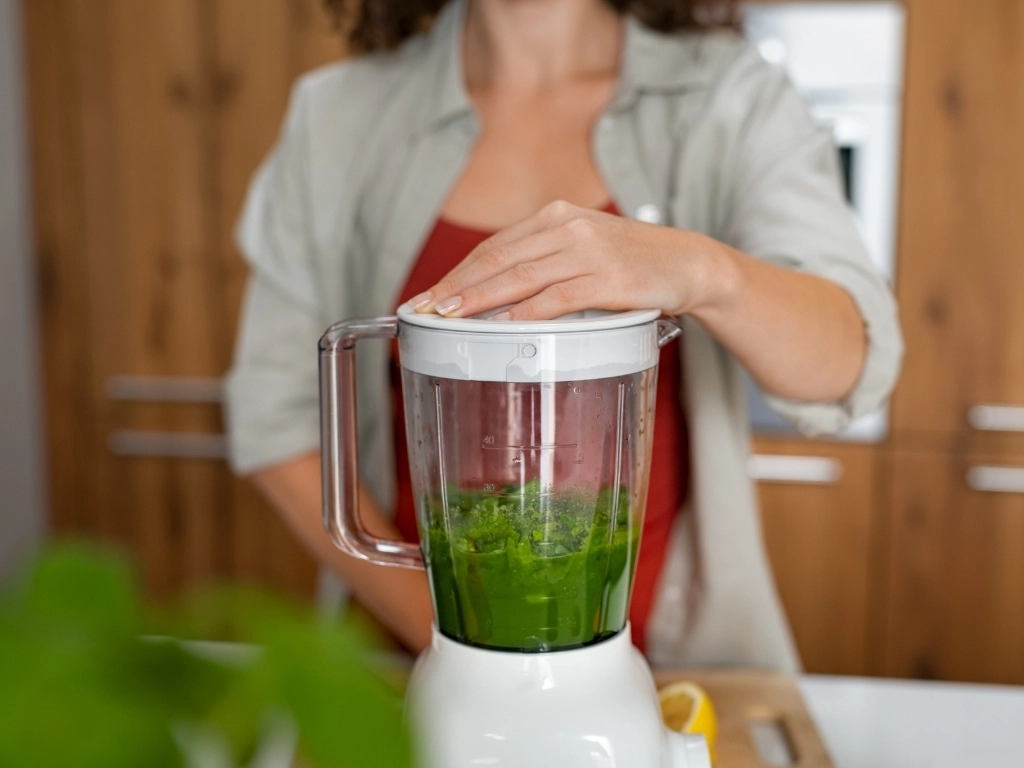
A small smoothie made with lactose-free or plant milk, a handful of baby spinach, and sliced kiwi provides nutrients without overloading the gut. Kiwi also contains actinidin, a natural enzyme that may aid digestion. For a lighter option, you can use rice milk or almond milk as the base.
9. Rice cakes with peanut butter
Rice cakes are generally considered a safe breakfast idea for IBS when consumed in small portions. Adding a thin layer of natural peanut butter provides protein and healthy fats without being too heavy. Be sure to choose plain, unflavored rice cakes, as the seasonings in flavored varieties can be higher in FODMAPs.
10. Fruit salad with chia seeds
Mixing low-FODMAP fruits of your choice (such as pineapple, banana, honeydew melon, guava, berries, or citrus) topped in one refreshing bowl can lend hydration, natural sweetness, and a wholesome dose of fiber, especially on days when you want something delicate but nourishing. A spoonful of soaked chia seeds can also add a gentle source of soluble fiber.
Improve your gut health with expert nutrition guidance
Small changes to your daily morning routine — from selecting breakfast ideas that are certifiably IBS-friendly to paying attention to how your body responds — can make a meaningful impact on your digestion.
Because IBS triggers vary widely from person to person, working with an expert IBS dietitian can be especially valuable. An IBS-focused dietitian can help you identify patterns in your symptoms, understand which foods you tolerate best, and build a breakfast routine that supports both digestive comfort and balanced nutrition.
At Health Loft, you can consult seasoned gut health experts through accessible telehealth sessions you can book anywhere. Depending on your insurance coverage, sessions may cost as little as $0.
Having a Health Loft dietitian in your corner can make IBS feel more manageable. Discover how we can help build better eating habits that truly benefit you.
This article was reviewed by Solveig Adalsteinsdottir, MS, RDN, LDN. It is intended for informational purposes only and does not replace personalized nutritional advice.