









Crohn’s disease is highly unpredictable, and living with this condition often requires constant adjustment. Symptoms and triggers can fluctuate depending on whether inflammation is active, making it hard to know how your body will respond from one day to the next.
That uncertainty can make planning meals especially stressful. Avoiding discomfort while ensuring that you get enough nourishment isn’t always straightforward, particularly when foods that are usually tolerated suddenly feel difficult once inflammation increases.
While no single diet works for everyone, understanding which foods are best avoided with Crohn’s disease can offer a helpful starting point. It can support digestion, reduce the likelihood of flare-ups, and bring a bit more steadiness and confidence to everyday eating.

What is Crohn’s disease?
Crohn’s disease is a chronic inflammatory bowel disease (IBD) that causes ongoing inflammation in the digestive tract. It can affect any part of the gastrointestinal system, from the mouth to the anus, though it most often involves the small intestine and the beginning of the large intestine.
Many people tend to confuse Crohn’s disease with irritable bowel syndrome (IBS), but the two conditions differ greatly. Crohn’s is an inflammatory condition that can be seen on medical tests and may cause physical damage to the bowel over time. IBS, on the other hand, is considered a functional disorder, meaning its symptoms occur without visible inflammation or injury.
Why is Crohn’s disease unpredictable?
During flare-ups, when the lining of the gut is actively inflamed, digestion and nutrient absorption may not function as smoothly as usual. This chronic inflammation can make the digestive system more sensitive. Even foods that are normally well-tolerated may cause symptoms such as abdominal pain, diarrhea, bloating, or fatigue when the gut is irritated during these periods.
In cases of remission, when symptoms are reduced or temporarily absent, the digestive system becomes more settled and is better able to handle a wider variety of foods.
Because symptoms can shift between flares and remissions at any time, the need to avoid certain foods with Crohn’s disease may change as well. This means that a one-size-fits-all diet simply won’t work. Instead, nutrition approaches are best kept personalized and flexible, based mainly on the individual’s tolerances.
Common foods to avoid with Crohn’s disease
The following are some food triggers often reported by people with Crohn’s disease. However, because the condition affects everyone differently, it’s best to view this list as a general guide rather than a strict set of rules to follow.
Not all of the foods listed will cause symptoms for every person, because individual tolerance can vary depending on whether symptoms are active or in remission, as well as factors such as stress levels, medications, and portion size. That being said, many people find it helpful to work with a registered dietitian to identify and manage actual triggers.
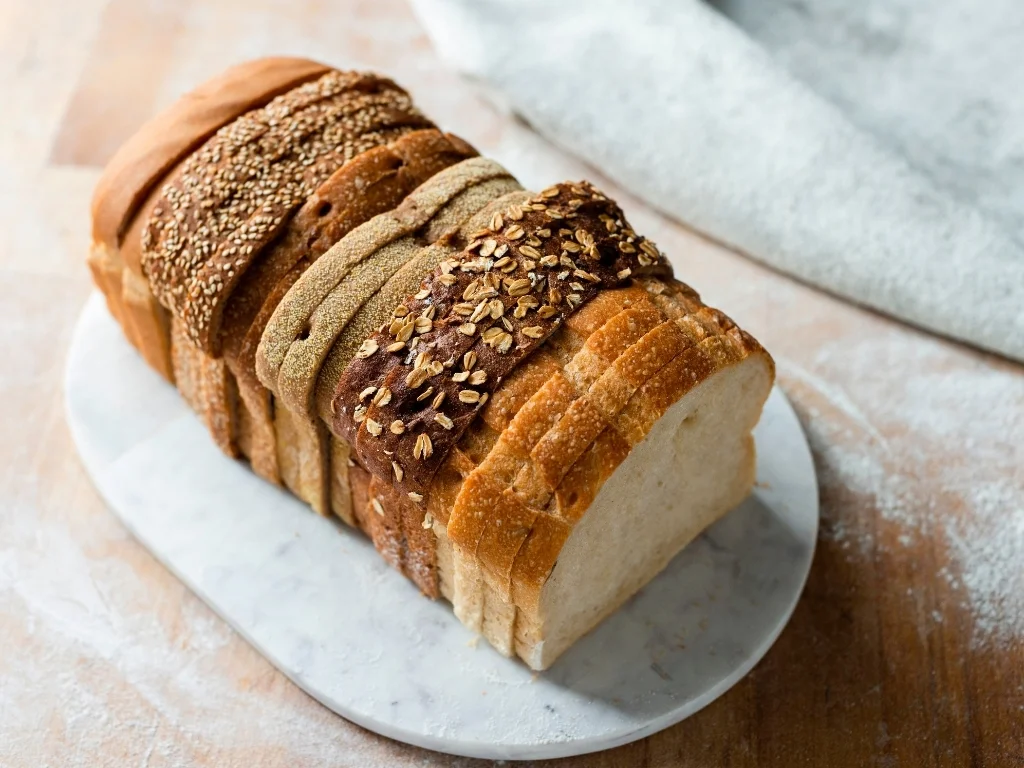
Whole grains
When it comes to any chronic digestive disorder, the type of fiber you consume matters a lot. For many people, insoluble fiber is typically less tolerated than soluble fiber, since the former passes through the digestive tract intact. Because it isn’t broken down, it tends to add bulk and speed up digestion, which can worsen symptoms like diarrhea and abdominal pain.
Among the worst foods for Crohn’s disease are popular sources of insoluble fiber, such as:
- Whole wheat
- Wheat bran
- Barley
- Rye
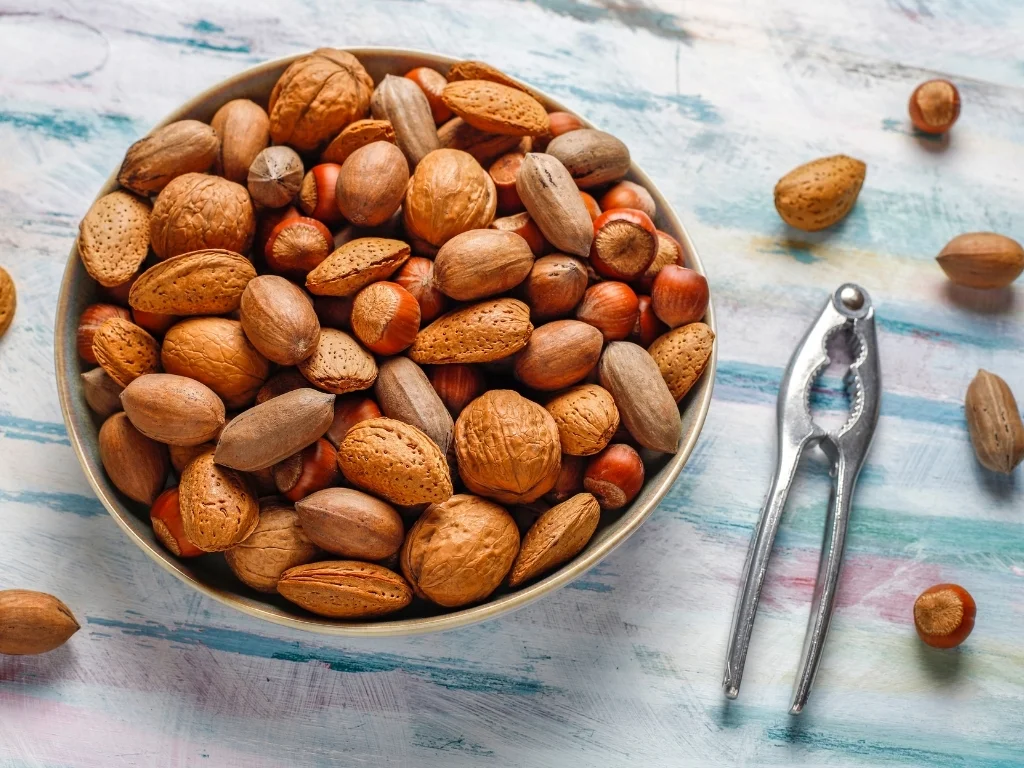
Nuts and seeds
Consuming whole nuts and seeds is generally discouraged during flares or if you have strictures or narrowing of the gut. Their structure can be difficult for an inflamed digestive system to handle. Common examples of foods to avoid with Crohn’s include:
- Almonds
- Pecans
- Walnuts
- Cashews
- Peanuts
- Pumpkin seeds
- Flax seeds
- Chia seeds
- Any variety with shells
These foods also contain insoluble fiber that can be hard to digest. Their rough textures may irritate the gut lining, worsening discomfort and, in some cases, increasing the risk of blockages.
However, how a food is prepared can make a difference. Processing nuts and seeds, such as blending them into smooth nut butters, using seed oils, or finely grinding them, may make them easier to tolerate for some people.
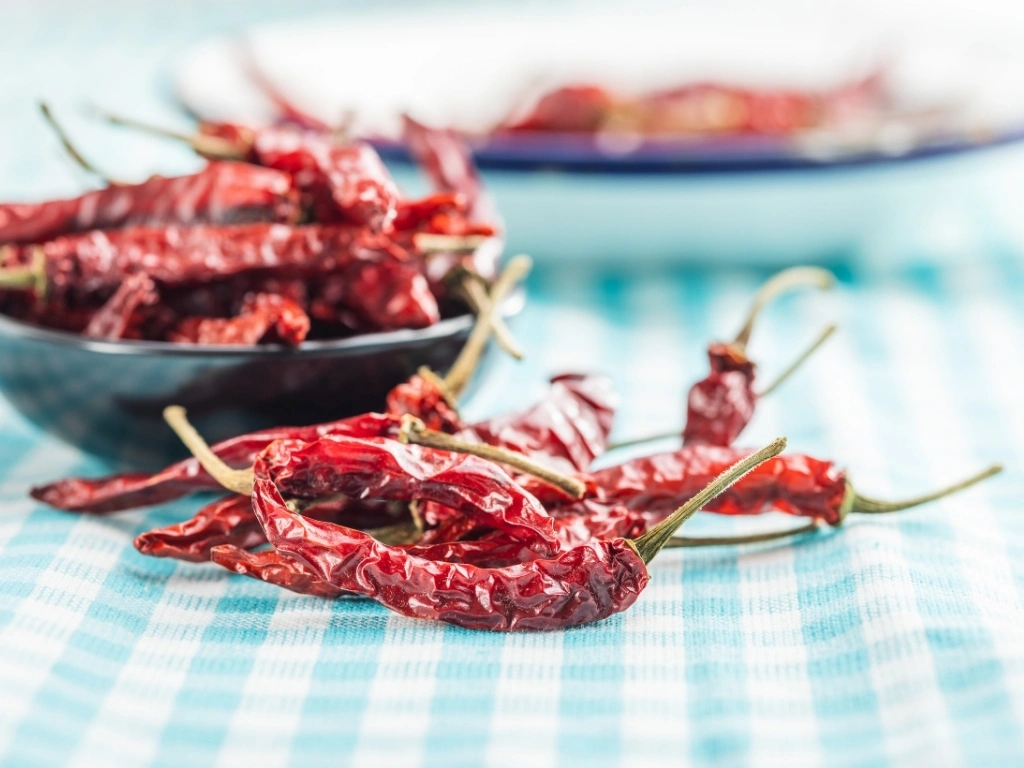
Spicy foods
Heavily spiced dishes can irritate an already sensitive digestive tract, causing burning sensations, abdominal pain, or diarrhea for some people. Below is a list of spicy foods best avoided when you have Crohn’s disease:
- Black pepper
- Chili powder
- Jalapeños
- Garlic
- Onion (white, yellow, or purple)
- Paprika
- Cayenne pepper
If you’re a fan of spices, there’s no need to turn your back on your favorites. It might help to reduce the heat levels you consume or limit your portion size. Explore using milder herbs, such as ginger, cumin, mustard, fresh herbs, or turmeric, the latter of which has been linked by some studies to reduced Crohn’s flare-ups.
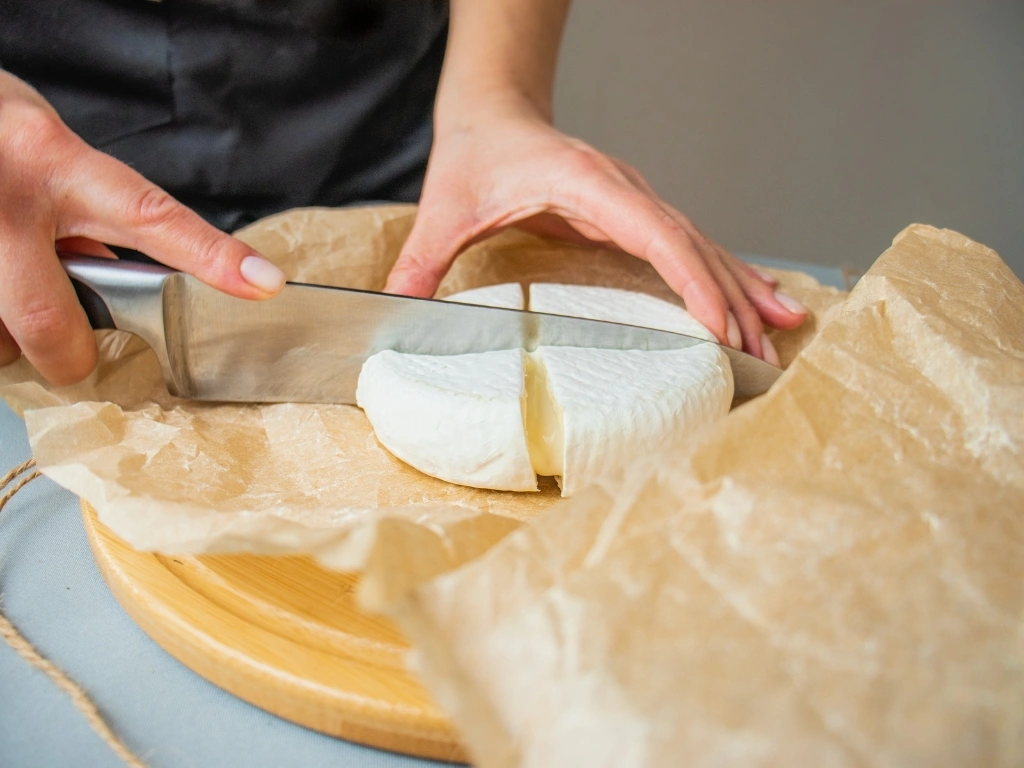
Dairy products
Lactose intolerance can develop alongside Crohn’s disease, making dairy sources such as the following more challenging for some people with the condition:
- Milk (more intolerable in full-fat varieties)
- Cream
- Butter
- Margarine
- Soft cheeses like ricotta, cream cheese, mascarpone, cottage cheese, or fresh mozzarella
Consuming lactose can trigger gas, abdominal pain, and cramps, as well as increase the risk of diarrhea. The higher fat content found in many dairy products can further aggravate symptoms during flares.
Depending on your personal tolerance, you may find alternatives like lactose-free milk or yogurt, as well as hard cheeses with low lactose content, such as aged cheddar, Parmigiano-Reggiano, Swiss, Gouda, and Monterey Jack, much easier to tolerate. Others may feel better temporarily limiting or avoiding dairy during active flares. It’s important to keep in mind, however, that dairy is a major source of calcium and protein, so long-term elimination should be done thoughtfully and with professional guidance to prevent nutrient gaps.
It’s also worth noting that not everyone with Crohn’s becomes lactose intolerant. Working with a dietitian can help you test your tolerance, identify which products fit within your list of foods to avoid with Crohn’s, and decide what level of dairy makes sense for you.
High-fiber fruits and vegetables
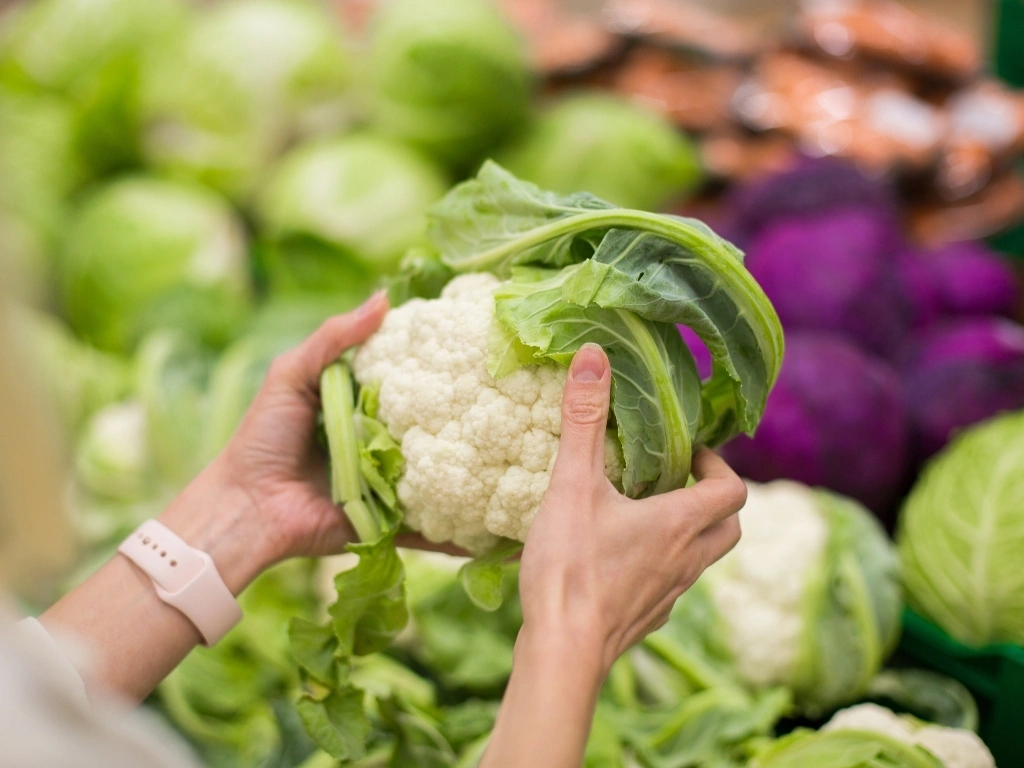
Fruits and vegetables contain valuable vitamins, but during active flares, their fiber content and rough textures can be harder on an inflamed gut. Below are some foods best to avoid with Crohn’s disease, especially when served raw, unpeeled, or with seeds:
- Cruciferous vegetables, such as broccoli, cauliflower, cabbage, Brussels sprouts, and kale
- Fruits with skin and seeds, such as apples, raspberries, blackberries, grapes, pineapples, and dried fruits (prunes or raisins)
- Vegetables with skin and seeds, such as potatoes, carrots, bell peppers, and cucumbers
- Beans
- Lentils
- Corn
- Mushrooms
That said, avoiding these foods doesn’t have to be permanent. Cooking, peeling, blending, or pureeing fruits and vegetables can make them much easier to tolerate. Reintroducing them slowly in small and controlled portions can also help the digestive system adjust without feeling overwhelmed.

High-fat meat and protein sources
Can you eat meat if you have Crohn’s disease? It all depends on the fat content of the meat you consume. In general, higher-fat meats are best kept to a minimum, since they can trigger inflammation and symptom flare-ups. Some sources to limit are:
- Red meat
- Dark meat from poultry (from legs and thighs)
- Processed meat products (e.g., sausages)
You may swap these with leaner meat cuts and protein sources, such as skinless, white meat from chicken or turkey, eggs, lean fish like tilapia or cod, and tofu.

Caffeinated beverages and other drinks
While it doesn’t hurt to have a cup of coffee every once in a while, excessive caffeine is a common IBD trigger. It acts as a stimulant for bowel activity, increasing contractions in the digestive tract, which may result in worsened diarrhea, urgency, and bloating.
Caffeinated drinks, such as the following, are relatively tolerable in moderation and during periods of remission, although they should be avoided during flares:
- Coffee
- Black tea
- Green tea
- Soda
Alcohol can affect people with Crohn’s the same way, as it can also stimulate bowel movements and irritate the gut lining. Carbonated water is another beverage to limit, since it tends to increase gas.
Drinking water in between sips helps dilute these drinks and minimize their effects. You can also consider alternatives that may be better tolerated, such as caffeine-free herbal teas.
Find a clearer, more confident approach to eating with Crohn’s disease
You don’t need to approach meals with fear or overly restrict yourself just to keep Crohn’s symptoms in check. While understanding common foods to avoid with Crohn’s can be helpful, food tolerance often changes over time with this condition. What matters most is staying flexible and making adjustments when they’re needed, rather than following rigid rules.
A registered Crohn’s disease dietitian plays an important role in this process. Aside from informing you exactly what not to eat with Crohn’s based on your personal triggers, they also help you navigate both remission and flares, ensuring that you get the nutrients your body needs by adapting your eating plan as symptoms evolve.
At Health Loft, our dietitians and nutritionists provide compassionate, practical care that puts you first. We take into account your medical history, symptoms, lifestyle, and long-term goals to create guidance that feels realistic and supportive. With a Health Loft expert by your side, you can expect clear, balanced nutrition support that helps bring confidence and stability back to your relationship with food.
Schedule a consultation with a Health Loft dietitian today to get support tailored to your needs.
This article was reviewed by Haleigh Mann, MS, RDN, LDN. It is intended for informational purposes only and does not replace personalized nutritional advice.