







Iron is one of the nutrients most often questioned in vegan and plant-based diets. If you don’t eat meat, it’s natural to wonder whether you’re getting enough or to assume that iron deficiency is unavoidable. In reality, a well-planned vegan diet can meet iron needs effectively. It simply requires a bit more intention around food choices and absorption.
This guide breaks down iron-rich vegan foods, how to use them well, and what to consider if you’re concerned about low iron. With the right approach, preventing iron deficiency on a plant-based diet is both realistic and sustainable.
Understanding iron needs on a vegan diet
Iron is essential for producing hemoglobin, the protein in red blood cells that carries oxygen throughout the body. If iron intake or absorption is insufficient, symptoms such as fatigue, weakness, dizziness, headaches, and reduced exercise tolerance can develop.
Vegan diets rely entirely on non-heme iron, the type of dietary iron from plants that’s more sensitive to absorption factors. While this doesn’t make iron deficiency inevitable, it does mean that iron intake is more sensitive to how foods are paired, how meals are timed, and how consistently iron-rich vegan foods are consumed. Without attention to these factors, iron levels may gradually fall below what the body needs.
This is often the point at which people begin to question the link between a vegan diet and anemia. A diet excluding animal foods doesn’t automatically lead to anemia, but this condition can develop when low iron levels persist due to other factors, such as diet quality, energy intake, and absorption habits. Certain people, including menstruating individuals, endurance athletes, and adolescents, also require more iron.
On the upside, research consistently shows that plant-based diets can meet iron requirements and often curb the risk of anemia when food variety, preparation, and absorption factors are considered.
5 iron-rich vegan foods to include in your diet
Building meals around a variety of iron-containing foods is the most reliable way to support iron levels on a vegan diet. The following are some staples to incorporate into your regular intake.
1. Legumes and pulses
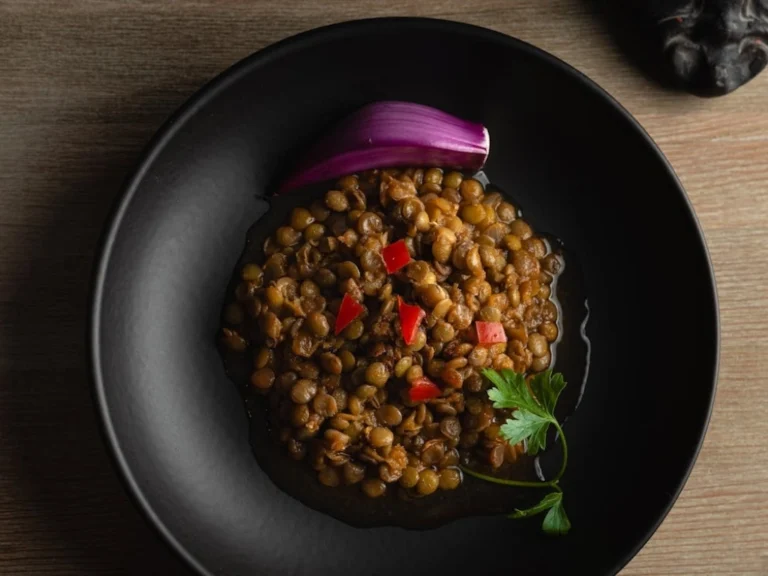
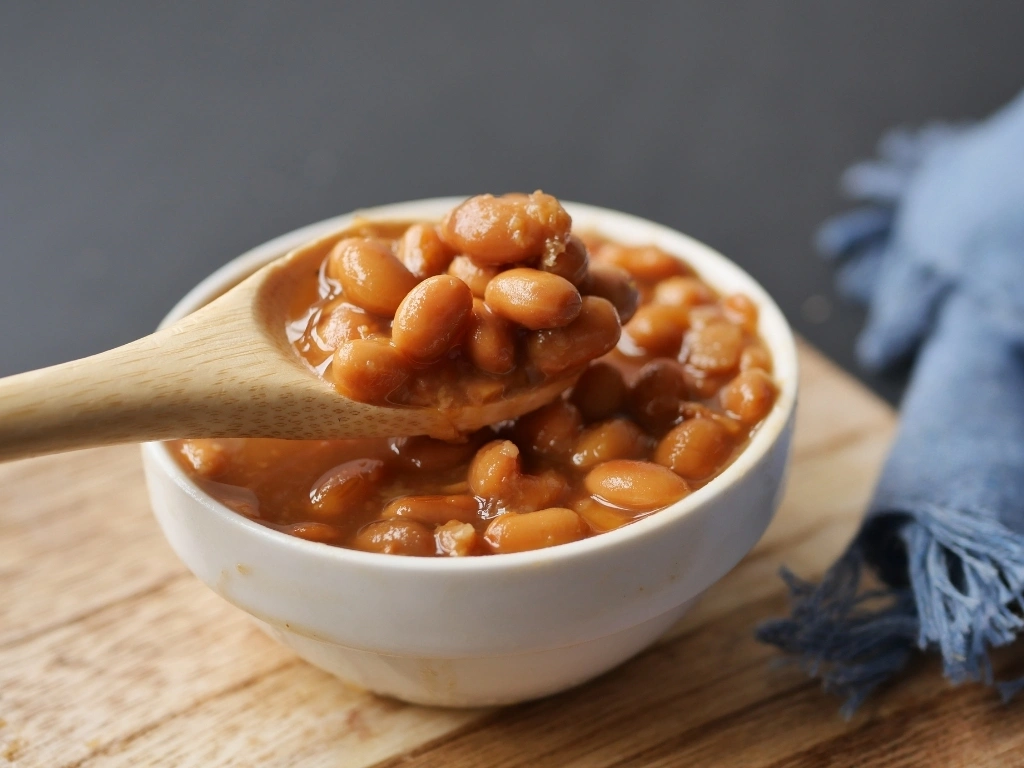
Forming the foundation of most plant-based diets, legumes and pulses contribute meaningfully to daily iron intake while also providing protein, fiber, and slow-digesting carbohydrates that support steady energy. Some options include:
- Soy
- Lentils
- Chickpeas
- Black beans
- Kidney beans
- White beans
However, these foods also contain compounds that can block iron absorption, including phytates and, in some products, high levels of calcium, so it’s important to consider how best to prepare them.
For instance, fermented soy like natto, miso, and tempeh tend to have lower phytate content and increased soluble iron, making them more suitable for regular consumption. Soaking, sprouting, or cooking them also helps increase iron uptake.
2. Whole grains and pseudo-grains
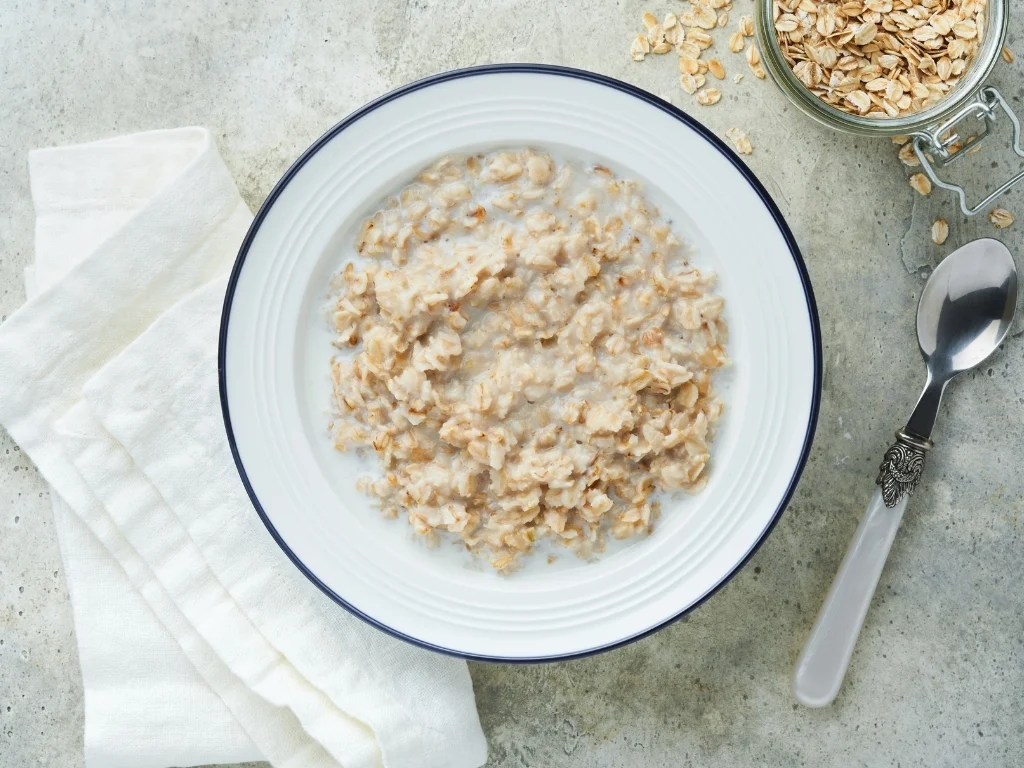
Whole grains and pseudo-grains contribute iron while also helping meet overall calorie and carbohydrate needs. Good sources include:
- Quinoa
- Oats
- Brown rice
- Amaranth
- Iron-fortified cereals
Like legumes, whole grains are naturally high in phytates. Fortunately, grains respond well to traditional preparation methods that reduce phytate content and improve mineral availability. Consider fermenting or soaking grains, then cook them thoroughly. Fortified varieties also provide iron in a more readily available form.
3. Nuts and seeds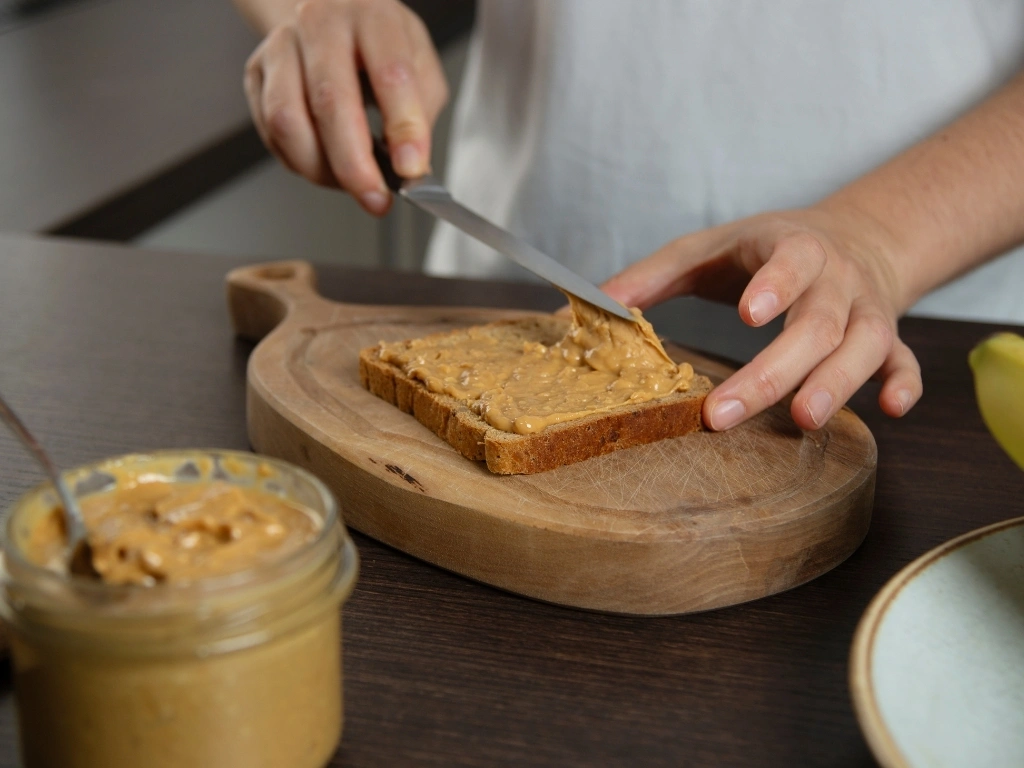
3. Nuts and seeds
Nuts and seeds provide smaller amounts of iron per serving, but their contribution adds up when eaten consistently. Iron-containing options include pistachios, almonds, cashews, pumpkin seeds, and sesame seeds.
In addition to phytates, nuts and seeds are high in fiber and polyphenols, both of which can modestly reduce iron absorption when intake is high. Their inhibitory effect is less significant compared to legumes or grains, but preparation still helps improve uptake.
Grinding, lightly roasting, or blending nuts and seeds (as in tahini or nut butters) improves mineral accessibility. Using them as add-ons rather than standalone meals also helps maximize their contribution without meaningfully impairing iron absorption.
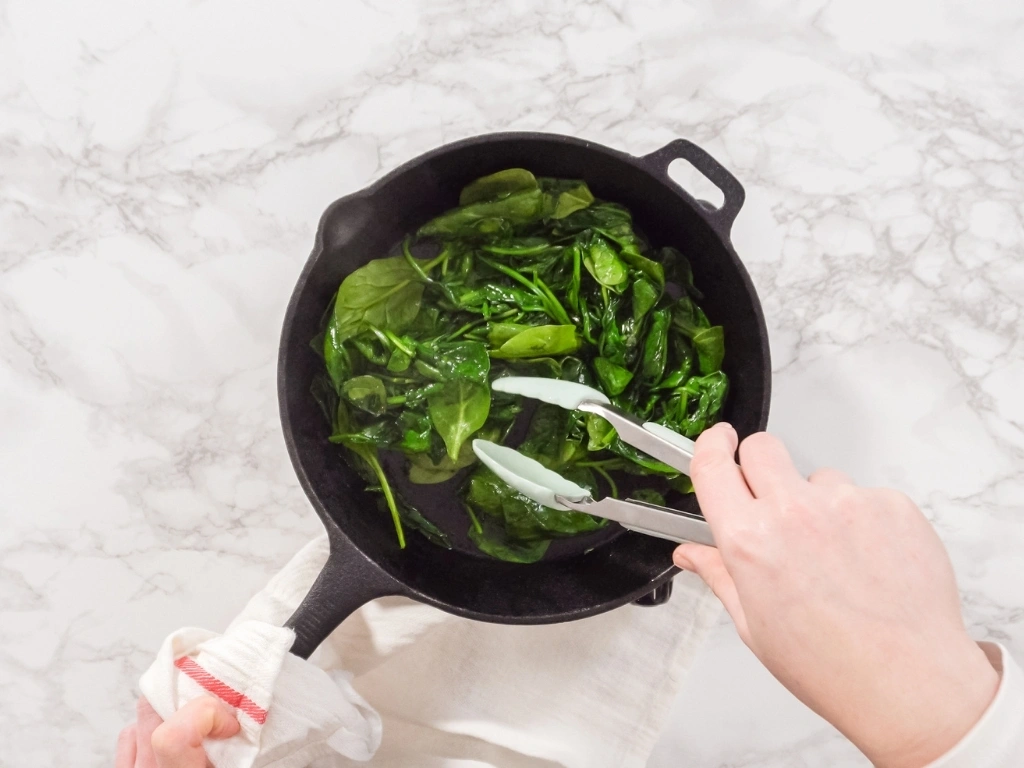
4. Vegetables
Vegetables play an important role in iron-rich vegan diets, particularly leafy greens like spinach, kale, and Swiss chard, which contain non-heme iron along with folate and vitamin K.
Some leafy greens, especially spinach, are high in oxalates, compounds that bind iron and reduce absorption. This doesn’t negate their nutritional value, but it does affect how their iron is utilized. Cook greens well to improve iron availability and reduce oxalate content. It also helps to rotate your intake of greens, rather than relying heavily on high-oxalate options.
Cruciferous vegetables such as broccoli and Brussels sprouts contribute smaller amounts of iron but are rich in vitamin C, which helps enhance absorption when eaten alongside iron-rich vegan foods.
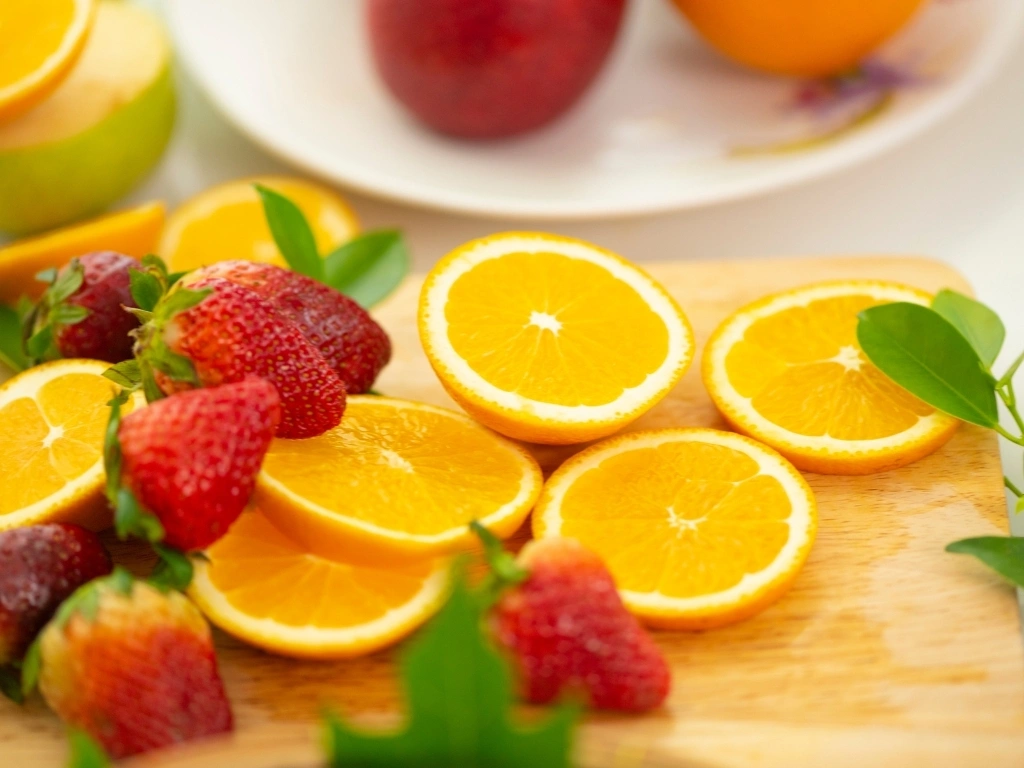
5. Fruits
Most fruits are not major iron sources in vegan diets, but they play a critical role in improving absorption. Fruits high in vitamin C help convert iron into a form that is easier for the body to absorb, often offsetting the inhibitory effects of phytates and fiber in plant-based meals.
Vitamin C–rich fruits include:
- Oranges, lemons, and other citrus fruits
- Kiwi
- Guava
- Strawberries
- Pineapple
Including these fruits in the same meal as iron-rich vegan foods, rather than separately, may be beneficial. Even modest amounts of vitamin C can significantly increase iron uptake.
Dried fruits like raisins and dried apricots also offer modest amounts of iron. Because dehydration concentrates minerals, these fruits have higher iron density than fresh versions, though portion size should be considered due to sugar concentration.
Other strategies to improve iron absorption on a vegan diet
Iron deficiency on a vegan diet is often linked to everyday habits rather than a lack of iron-rich foods. Even well-planned plant-based diets can fall short if absorption is consistently limited or overall intake doesn’t meet the body’s needs. The strategies below focus on timing, balance, and consistency, small adjustments that can make a meaningful difference.
Be mindful of timing and food pairings
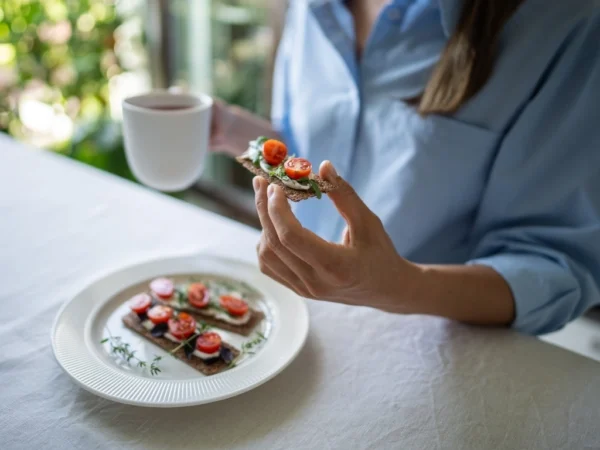
Certain foods and beverages interfere with non-heme iron absorption when consumed at the same time. Coffee and tea contain polyphenols and tannins that can significantly reduce iron uptake, even in iron-rich vegan meals. Keeping these drinks at least one to two hours away from meals helps preserve absorption.
Calcium can have a similar effect. While calcium-rich foods are important for bone health, pairing them with iron-focused meals may limit iron uptake. Spacing calcium-fortified foods or supplements away from iron-rich meals is a simple but effective adjustment.
Make vitamin C a regular part of meals
Including vitamin C–rich foods consistently, not just occasionally, helps counteract natural absorption inhibitors found in plant foods. This can be as simple as adding citrus, tomatoes, bell peppers, or fruit-based dressings to meals built around legumes, grains, or soy.
Ensure adequate overall intake
Eating too few calories can indirectly contribute to iron deficiency. Low energy intake may limit iron consumption and impair red blood cell production, particularly in active individuals. Diets that rely heavily on refined or convenience foods are often lower in iron and key micronutrients, making adequacy harder to achieve.
Use fortified foods strategically
Iron-fortified foods can be a helpful and reliable addition to vegan diets, especially for individuals with higher iron needs, smaller appetites, or limited food variety. Fortified cereals, breads, and plant milks can complement whole-food iron sources and help stabilize intake over time.
Consider supplements when appropriate
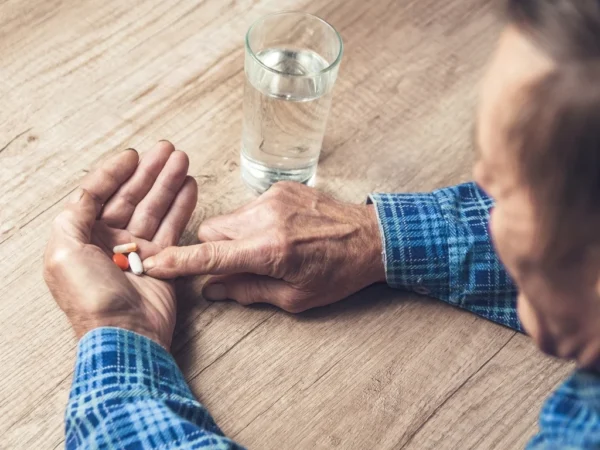
Food-first approaches are ideal, but supplements may be appropriate for people with low ferritin (a protein tied to iron stores), increased iron needs, or absorption challenges. Because excess iron can cause side effects and isn’t always necessary, supplements are best used thoughtfully and with professional guidance rather than as a long-term self-directed solution.
Build a sustainable, iron-supportive vegan diet with Health Loft
Thoughtful food choices and absorption strategies are usually enough to maintain healthy iron levels. But in some cases, people on vegan diets eat iron-rich foods consistently yet still struggle with low ferritin or recurring deficiency because the underlying issue hasn’t been identified. If this happens, professional guidance can be an important next step to learn whether iron intake actually meets your individual needs, what might be limiting your progress, and how you can achieve an iron-supportive vegan diet.
Health Loft makes it easy to connect with nutritionists or registered dietitians who specialize in anemia care. Our experts offer personalized guidance on both vegan diets and anemia-related concerns and can help you build a confident, sustainable approach to nutrition that supports both your values and your health.
With the right plan in place, meeting your iron needs on a vegan diet becomes manageable, empowering, and fully aligned with long-term wellbeing. Connect with a Health Loft dietitian today.
This article was reviewed by Adrienne DePaul, MS, RDN. It is intended for informational purposes only and does not replace personalized nutritional advice.