








Fiber and irritable bowel syndrome (IBS) have a complicated relationship. For some people, fiber helps ease symptoms; for others, it can make discomfort worse. The difference often comes down to the type of fiber, as soluble and insoluble fiber affect the digestive system in very different ways.
To get a better sense of how IBS and fiber really interact, let’s look at how soluble and insoluble fiber differ in behavior and benefit, and why soluble fiber is considered the more supportive choice for managing symptoms.

Can you eat fiber with IBS?
Yes, fiber and IBS can go together, but tolerance depends on the type of fiber and the amount you consume.
While dietary fiber is often recommended to support digestion, the increased gut sensitivity that comes with IBS means some fibers may help relieve symptoms, while others can trigger discomfort. Even fiber sources that are generally well tolerated may cause issues if intake is increased too quickly.
Because responses to fiber vary widely from person to person, understanding how different types of fiber behave in the digestive system can make managing IBS symptoms easier.
Soluble vs. insoluble fiber: why the difference matters for IBS
Fiber is generally classified as either soluble or insoluble, with each one behaving differently during digestion.
Soluble fiber dissolves in water and turns into a soft, gel-like substance as it moves through the digestive tract. This texture helps in maintaining a steady pace of digestion, which is why many people with IBS find it gentler on the gut. Many foods rich in soluble fiber, such as oats, chia seeds, and certain root vegetables, are also low FODMAP, making them more suitable for sensitive digestive systems.
Insoluble fiber, on the other hand, does not dissolve in water. Instead, it adds bulk to stool and helps move food through the intestines. For people whose condition is diarrhea-predominant (IBS-D), this fiber type can sometimes feel too stimulating, leading to increased urgency or looser stools.
Meanwhile, those with constipation-predominant IBS (IBS-C) may find that insoluble fiber helps stimulate movement, though increasing it too fast can lead to bloating or discomfort. Some insoluble-fiber-rich foods, such as wheat bran or cabbage, may also be harder to tolerate because they are higher in FODMAPs.
Because soluble fiber slows digestion, many individuals consistently report better comfort and symptom control when focusing on a low FODMAP, high soluble fiber diet for IBS.
How does soluble fiber help with IBS?
There’s strong, consistent evidence that soluble fiber is better for IBS. Its benefits come from the way it absorbs water and forms a gel-like texture in the gut, helping ease both constipation and diarrhea.
Regulates stool consistency
When soluble fiber draws in water, it softens hard stools, making them easier and more comfortable to pass. This is one reason many people with IBS-C seek fiber supplements, particularly those containing psyllium, to complement fiber from whole foods.
That same gel structure can bind to excess water in the intestines, firming up loose stools in cases of IBS-D. By adding moisture when stools are too hard and holding onto water when they’re too loose, soluble fiber can also be beneficial for people with mixed bowel habits (IBS-M), who alternate between constipation and diarrhea.
Stabilizes digestion and reduces urgency
Soluble fiber also affects how quickly food moves through the digestive tract. The gel slows the transit of food, which can minimize cramping, urgency, and rapid bowel movements in IBS-D.
For those with IBS-C, this slower movement doesn’t usually make constipation worse. Instead, the gel-like substance can help stools pass more smoothly and reduce the feeling of incomplete emptying. People with mixed-type IBS (IBS-M) may also find that soluble fiber helps even out digestion, making bowel habits feel more predictable overall.
Reduces bloating by fermenting more gently
Some types of fiber produce gas quickly when gut bacteria break them down, which can worsen bloating, pressure, or discomfort. Soluble fiber tends to ferment more slowly, releasing gas at a steadier pace and helping reduce bloating flare-ups.
Although soluble fiber can be highly helpful, how it is introduced matters. A sudden increase in fiber can cause temporary bloating or cramping for people with IBS. Gradually adding small amounts and drinking enough water gives the gut time to adjust and helps you better understand your personal tolerance.

6 IBS-friendly fiber sources to help manage symptoms
Many everyday foods contain soluble fiber and can fit comfortably into an IBS-friendly routine. The food groups below include options that are often low FODMAP, slow to ferment, and easier on sensitive digestive systems — making them a helpful starting point when exploring how fiber fits into IBS management.
1. Grains: Oats and sprouted barley
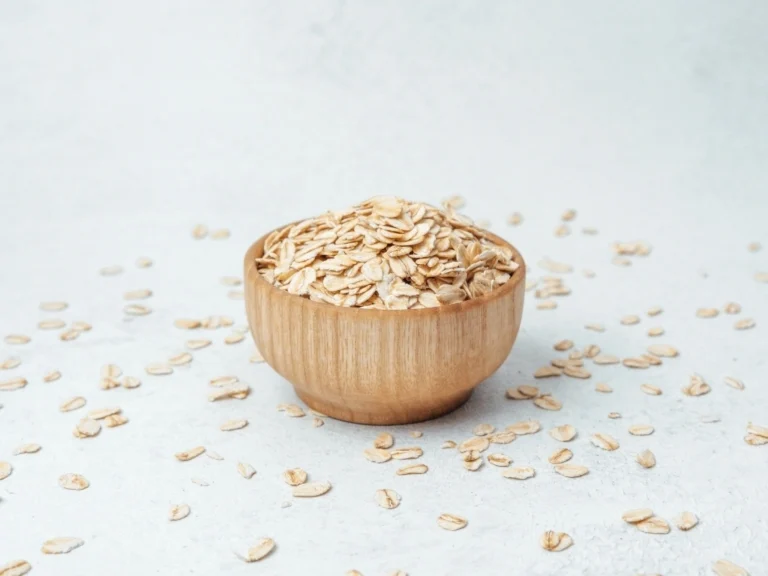
Oats — particularly rolled or steel-cut — are naturally rich in beta-glucan, a type of soluble fiber that ferments slowly and is generally low FODMAP. This makes oats one of the more reliable grain choices for many people with IBS, as they can help support steadier digestion without overwhelming the gut.
Another helpful alternative is barley, which is also high in beta-glucan and is known for its cholesterol-lowering benefits. However, it can be high FODMAP, so keep consumption moderate (around ¼ cup) or opt for sprouted varieties (½ cup).
2. Root vegetables: Carrots, potatoes, turnips, parsnips, rutabaga
Cooked root vegetables are often well tolerated because cooking softens their fiber, making it easier for the digestive system to handle. Carrots are among the most IBS-friendly sources of soluble fiber and remain low FODMAP regardless of how they’re prepared.
White potatoes can also offer a calm, starchy base with low FODMAP content, modest soluble fiber, and minimal insoluble fiber for IBS. This combination can help support stool consistency without triggering excess fermentation.
Parsnips are another low-FODMAP source of soluble fiber. For added variety, turnips and rutabaga can also be included in small portions, as they tend to be easier on digestion when prepared simply and eaten in moderation.
3. Non-starchy vegetables: Zucchini, eggplant, broccoli rabe, collard greens, green beans
Certain non-starchy vegetables bring helpful soluble fiber for IBS while staying mild enough for sensitive digestive systems, especially when thoroughly cooked. Zucchini, eggplant, broccoli rabe, green beans, and collard greens are often among the more consistently tolerated options for people with IBS.
These vegetables tend to ferment more slowly than higher-FODMAP cruciferous or leafy greens, helping reduce bloating and gas. When prepared simply, they add variety, nutrients, and texture to meals without overwhelming digestion.
4. Fruits: Bananas, papaya, kiwi, oranges, berries, pineapple, melons
Fruits with high soluble fiber and low fermentable sugars can support IBS symptoms while providing natural sweetness.
Unripe or just-firm bananas and papaya are often soothing options, helping support stool consistency without contributing to excess gas. Kiwi offers a helpful combination of soluble fiber and natural digestive enzymes, which may be especially beneficial for people with IBS-C.
Oranges, melons, pineapple, and berries like strawberries, raspberries, and blueberries are also good for IBS. These fruits provide gentle fiber and hydration with a lower risk of triggering symptoms when eaten in moderate amounts.
5. Legumes: Beans, lentils, peas
Beans, lentils, and peas are naturally high in soluble fiber and can regulate bowel movements and the softness of the stool. However, they also contain fermentable carbohydrates that may trigger gas or bloating. Soaking dried beans before cooking or rinsing canned options well can make them much more tolerable.
Red lentils and split peas are particularly modest sources, especially when cooked until very soft, because they are lower in FODMAP content.
6. Seeds: Chia, flaxseed, sunflower seeds
Seeds are among the richest low-FODMAP sources of soluble fiber. Chia and ground flaxseed provide mucilage, a gel-forming soluble fiber known to ease constipation and support smoother bowel movements. Soak chia seeds in liquid for at least 15-30 minutes to allow for this gel to form and increase their digestibility. Sunflower seeds also offer an easy option within safe serving sizes (2 to 3 tablespoons).
Move toward gentler digestion with guidance from a Health Loft dietitian
Understanding how IBS and fiber interact can feel confusing, but there’s no reason to sort it out alone. At Health Loft, our registered IBS dietitians can help you identify which fiber sources work best for your body, while supporting balanced nutrition along the way. Rather than relying on trial and error alone, you’ll receive clear, evidence-based guidance tailored to your symptoms and needs.
Our experts can also design a realistic high-fiber diet for your IBS management, accounting for your symptoms, preferences, and goals. With thoughtful adjustments and ongoing support, fiber can become a steady tool for improving digestive comfort over time.
Start receiving personalized gut health advice from seasoned experts at Health Loft today.
This article was reviewed by Solveig Adalsteinsdottir, MS, RDN, LDN. It is intended for informational purposes only and does not replace personalized nutritional advice.