









Managing food choices with Crohn’s disease often involves some level of restriction. Over time, this can turn eating into a source of stress instead of something to enjoy or rely on for nourishment.
This is exactly the challenge that the Crohn’s disease exclusion diet (CDED) is designed to address. By providing a clear, structured approach to eating that removes much of the guesswork, CDED helps people understand what they should eat, when, and why, making daily meals feel a lot more predictable and easier to plan.
Typically used alongside other medical treatments, this diet plan can help rebuild your confidence around food while supporting your nutritional needs.

What is CDED?
CDED is a therapeutic nutritional approach designed to help manage symptoms and reduce intestinal inflammation in people with Crohn’s disease. The diet works by limiting foods that may irritate the gut while encouraging the consumption of whole foods that support a healthier gut microbiome.
Foods commonly excluded from CDED include wheat, dairy, processed products, food additives, animal fats, and red meat. In their place, the diet emphasizes easily digestible options generally better tolerated by many individuals with Crohn’s disease, such as fruits, vegetables, rice, potatoes, eggs, and lean proteins.
CDED is often used together with partial enteral nutrition (PEN) to help meet energy and nutrient needs during active treatment. With PEN, 30–50% of daily calories come from a nutritionally complete formula, with the remaining calories obtained from regular foods.
CDED isn’t a cure for Crohn’s, but rather a part of an individualized, clinician-guided care plan meant to complement medical treatment and help simplify eating.
How does CDED work?
Instead of eliminating foods indefinitely, CDED works through a phased approach that changes the food environment inside the gut.
The diet is divided into three phases, each with a specific role. The first phase is more restrictive, giving the digestive system time to settle and allowing inflammation to decrease. In the later phases, foods are gradually reintroduced, helping the gut adapt more comfortably over time.
These phases build on one another, with food variety increasing step by step. This gradual progression allows you to better understand how your body responds to different foods, rather than returning abruptly to a fully liberated diet.
CDED isn’t only aimed at reducing potential food triggers and managing symptoms. As more foods are safely added to your diet, it also supports essential aspects of gut health, including providing nutrition and balancing gut bacteria.
Although CDED can be helpful for some people with active Crohn’s, it isn’t suitable for all. Disease severity, nutritional status, medications, and individual circumstances all play an important role in determining whether this approach is appropriate. For this reason, CDED should always be followed under close medical supervision — ideally with guidance from a gastroenterologist and a registered dietitian experienced in inflammatory bowel diseases (IBD) like Crohn’s.
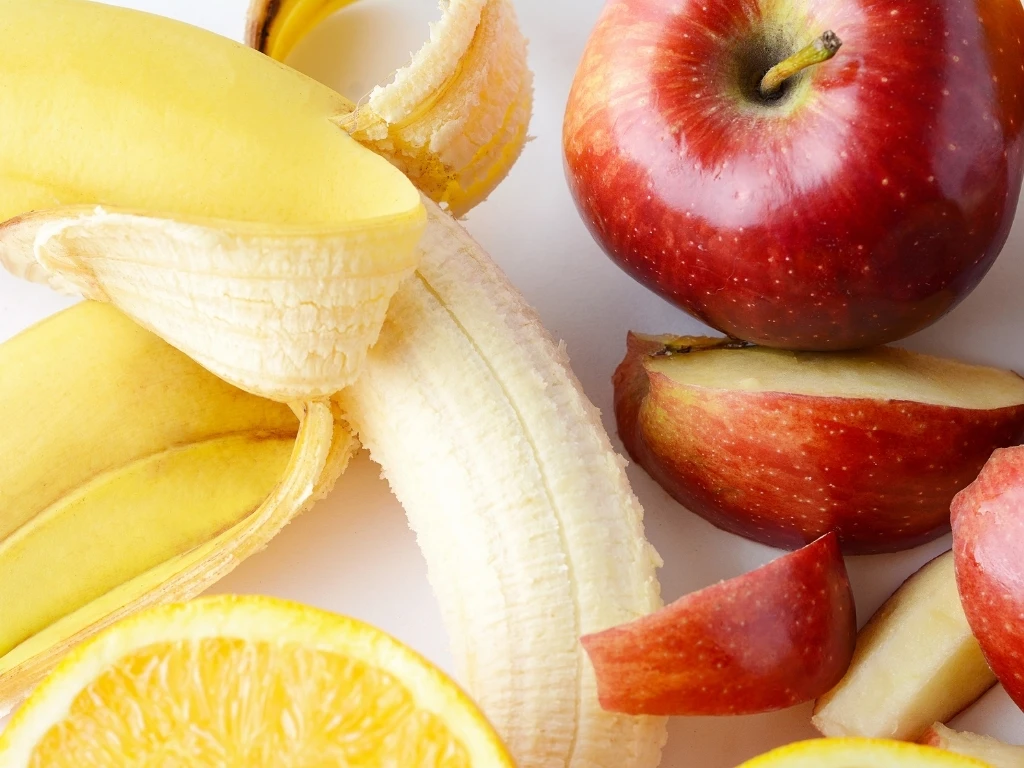
Phase 1: resetting the gut
Phase 1 of the CDED diet lasts for six weeks and focuses on reducing gut inflammation and managing symptoms. This is achieved by temporarily reducing intake of processed foods, gluten, dairy, and higher-fat animal products. Insoluble fiber is also restricted to prevent bowel irritation.
PEN may be used during this phase to help meet nutrient needs while giving the gut a break. Typically, a complete nutrition formula provides 50% of total energy intake, while the remaining 50% comes from whole, minimally processed foods.
There are five “mandatory foods” that form the foundation of CDED Phase 1:
- Chicken (lean, skinless)
- Eggs (up to 2 whole eggs daily)
- Banana (up to 2 whole bananas daily)
- Apple (peeled and cooked)
- Potatoes (cooked and then cooled before serving)
- Lean fish (1 serving/week)
These additional items may be used to prepare meals for Crohn’s disease throughout Phase 1 (and in later phases):
- Olive oil
- Avocado oil
- Canola oil
- Tomatoes
- Carrots (peeled)
- Spinach (uncooked)
- Lettuce
- Melon
- Strawberries
- Rice
- Rice flour
- Rice noodles
- Onion
- Garlic
- Ginger
- Lemon juice (fresh)
- Orange juice (fresh)
- Water
- Honey
- Herbal teas
Because this phase involves significant dietary changes, some people may notice shifts in energy, appetite, cravings, or bowel habits. These responses usually stabilize over the first few weeks as the body adjusts to the diet.

Phase 2: slowly reintroducing foods
The next phase, which runs for another six weeks, gently expands food variety to maintain nutrition, while still protecting the gut as it recovers. Foods that are easy to digest are reintroduced bit by bit, still aided by a complete nutrition formula, which provides roughly 25% of total energy intake. Common food triggers, however, such as ultra-processed foods, are still avoided to minimize inflammation.
Depending on individual tolerance, the following nutrient-dense foods may be added back during this phase:
- Canned tuna (in olive oil or canola oil)
- Almonds or walnuts (unprocessed and unsalted)
- Tahini (raw)
- Lentils, beans, peas, or chickpeas (uncooked)
- Sweet potato or yam
- Quinoa
- Bread (made with baking powder instead of yeast)
- Oatmeal
- Blueberries
- Pear
- Kiwi
- Peaches
- Zucchini
- Mushroom
- Broccoli (floret only)
- Cauliflower (floret only)
By the tenth week of the overall CDED diet plan (or the fourth week of Phase 2), the list of allowable foods can expand further to include:
- Mango
- Pineapple
- Orange
- Most other vegetables (except kale, leeks, asparagus, and artichokes)
Some individuals may experience temporary changes in digestion or energy levels as foods are reintroduced. This is normal, which is why regularly monitoring symptoms and adjusting intake as needed is an important part of the process.
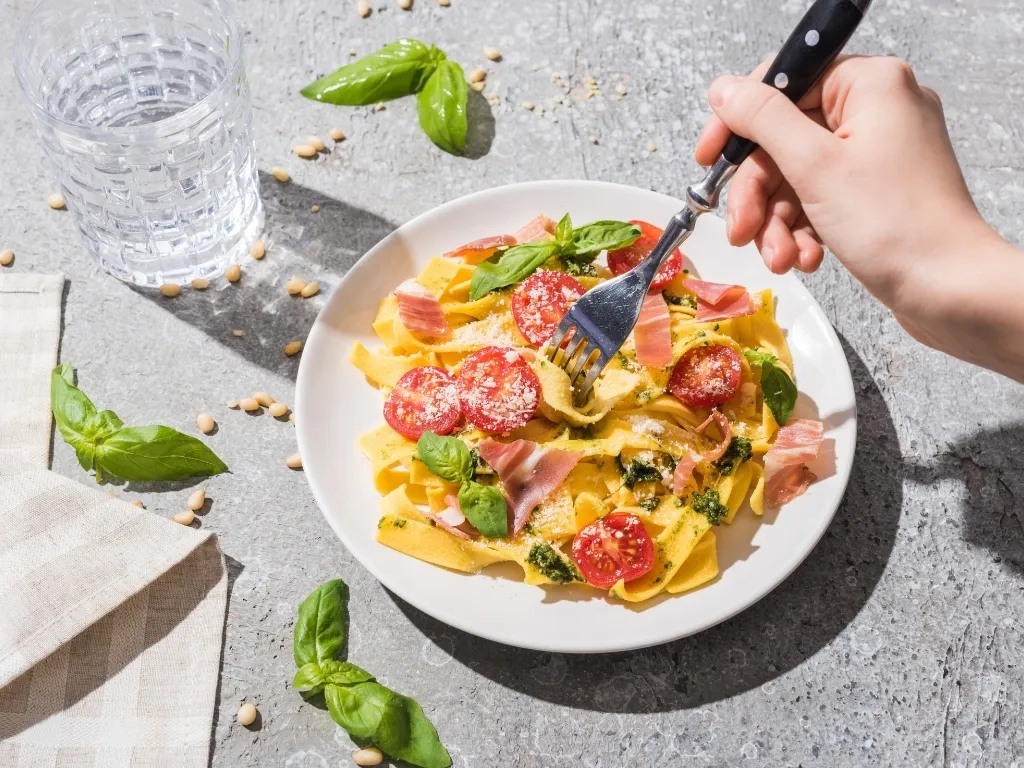
Phase 3: building a sustainable, long-term eating pattern
The final phase focuses on maintenance. The goal is to sustain the dietary pattern established in Phase 2 while continuing to broaden food variety in a way that feels manageable long term.
At this stage, many foods are reintroduced, and the diet becomes more flexible. There are no strict food requirements, although 25% of total energy intake should still come from a complete nutrition formula to help support ongoing nutritional adequacy.
Foods that may be introduced in Phase 3 include:
- Seafood
- Salmon
- Other chicken parts (except wings, skin, and internal organs)
- Yogurt (unprocessed, full-fat with no additives)
- Other fruits (except pomegranate, persimmon, and passionfruit)
- Pasta
This phase looks different for everyone, largely based on individual symptoms and preferences. The ultimate goal is to establish an eating pattern that’s practical for everyday life and supports long-term gut health.
Symptom control is easier with support from a Health Loft dietitian
CDED is a complex dietary approach that involves multiple changes to food choices as its phases progress. Because restrictive eating is in its nature, following CDED without proper guidance can increase the risk of nutrient deficiencies.
Working with a registered dietitian makes the implementation feel safer, more effective, and easier to sustain. A dietitian helps guide phase transitions based on your individual symptoms, so that foods are added or removed at an appropriate pace. This support is especially important for individuals with a history of disordered eating. Elimination diets can intensify food-related stress, which dietitian-led care helps reduce by providing clear goals, expectations, and reassurance that support both physical health and emotional well-being.
At Health Loft, our Crohn’s disease dietitians understand how CDED fits alongside medications, flares, and everyday life. They help translate clinical recommendations into realistic, flexible meal plans, adjusting strategies as your symptoms change and ensuring that you receive adequate nutrient intake without unnecessary restriction.
If you’re considering CDED or already following it, connect with a Health Loft dietitian. With expert guidance in your corner, you can approach symptom control with better confidence and steady support at every step.
This article was reviewed by Haleigh Mann, MS, RDN, LDN. It is intended for informational purposes only and does not replace personalized nutritional advice.