









Type 2 diabetes is a long-term condition that affects how your body uses blood sugar. It usually happens when the body becomes resistant to insulin or doesn’t produce enough of it, eventually leading to higher-than-normal blood sugar levels.
While healthy habits like eating well and staying active are important, many people also need medication to keep their blood sugar within a safe range. These medications work in different ways: some improve the body’s ability to use insulin, while others lower or remove excess glucose (sugar) from the bloodstream.
Healthcare providers prescribe medication based on the individual’s blood glucose patterns, medical history, and overall health to create the most effective and safe treatment plan. Continue reading to learn more about the most common medications used for type 2 diabetes management.

How do medications help manage type 2 diabetes?
Medications for type 2 diabetes help to control blood sugar in several ways, depending on their class and mechanism of action:
- Helping the body respond more effectively to insulin by improving insulin sensitivity
- Increases insulin production, specifically by encouraging the pancreas to release additional insulin when needed
- Reducing glucose production in the liver and limiting the amount of sugar entering the bloodstream
- Slowing digestion and the absorption of glucose to prevent sharp blood sugar spikes after meals
- Helping the kidneys remove excess glucose by allowing excess sugar to be expelled through the urine
Many medications may use more than one of these approaches. Furthermore, individualized treatment will be tailored based on your specific needs and health profile.
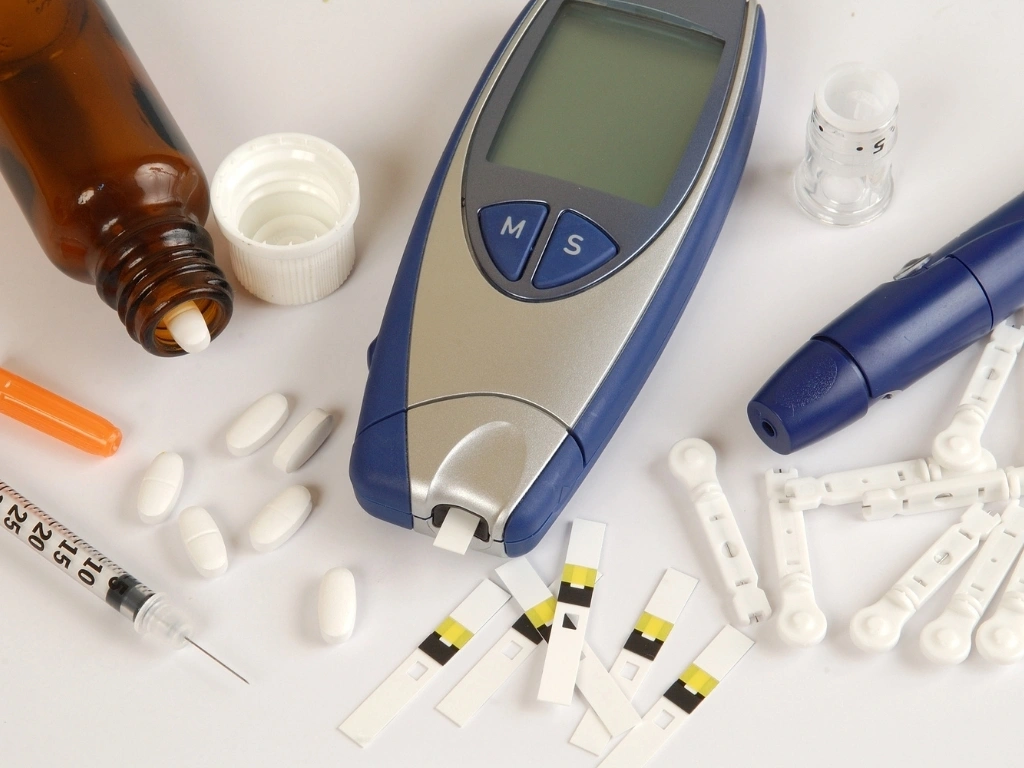
Which medications are commonly used for type 2 diabetes?
Below is a list of drugs often prescribed for diabetes management:
Biguanides
Biguanides are often the first-line treatment for type 2 diabetes. They work by decreasing glucose production in the liver and improving how the body responds to insulin, making them especially effective for managing blood sugar, particularly fasting levels.
These medications are commonly prescribed for people newly diagnosed with type 2 diabetes or for those who want to manage blood sugar without gaining weight.
Metformin (also called Glucophage, Glumetza, and Riomet) is the most popular medication belonging to this class.
Sulfonylureas
Sulfonylureas lower blood sugar by stimulating the pancreas to release insulin. They are typically used when lifestyle changes or other oral medications are not enough to maintain glucose control alone.
However, because they trigger insulin release regardless of blood sugar levels, hypoglycemia (low blood sugar) is a common risk associated with these drugs.
Common diabetes medications in this group include:
- Glipizide (Glucotrol)
- Glyburide (Diabeta, Glynase)
- Glimepiride (Amaryl)
SGLT2 inhibitors
Sodium-glucose cotransporter 2 (SGLT2) inhibitors help to lower blood sugar levels by preventing the kidneys from reabsorbing glucose, meaning excess sugar can then be excreted in the urine. They may also contribute to modest weight loss and improved blood pressure, and are often considered for overweight individuals or those with heart or kidney concerns.
While generally safe, potential side effects include dehydration, genital infections, and/or low blood pressure.
Common SGLT2 inhibitors include:
- Empagliflozin (Jardiance)
- Dapagliflozin (Farxiga)
- Canagliflozin (Invokana)
GLP-1 receptor agonists
Glucagon-like peptide (GLP-1) receptor agonists are injectable medications that mimic the body’s natural GLP-1 hormone, which helps the body to release insulin when blood sugar is high and lowers the blood-sugar-raising hormone called glucagon.
Since GLP-1s also slow digestion and increase feelings of fullness, they’re also used to support weight loss and appetite control.
Some studies have reported that GLP-1s may also benefit heart and kidney health by lowering the risk of cardiovascular events and supporting kidney function. Still, further research may be needed to support these claims.
Common diabetes medications in this group include:
- Semaglutide (Ozempic, Wegovy)
- Dulaglutide (Trulicity)
- Liraglutide (Victoza)
DPP-4 inhibitors
Dipeptidyl peptidase-4 (DPP-4) inhibitors work by prolonging the action of incretin hormones, which help to increase the release of insulin and decrease glucagon after meals. This leads to more stable blood sugar levels without a significant risk of hypoglycemia.
They are taken as oral tablets and are often used alone or in combination with other diabetes medications.
Drugs in this category include:
- Sitagliptin (Januvia)
- Saxagliptin (Onglyza)
- Linagliptin (Trajenta)
Thiazolidinediones (TZDs)
Thiazolidinediones (TZDs) help the body respond better to insulin, improving glucose uptake in fat and muscle cells while reducing glucose production in the liver. They are especially useful for people with insulin resistance and have a low risk of causing hypoglycemia when used alone.
However, they should be monitored closely in individuals with heart or liver conditions due to potential side effects like edema or fluid retention.
Common diabetes medications in this group include:
- Pioglitazone (Actos)
- Rosiglitazone (Avandia)
Insulin therapy
Insulin therapy replaces or supplements the body’s natural hormone insulin. It is essential for people with type 1 diabetes, where the body cannot produce insulin, though it’s also used in type 2 diabetes when other medications are not enough to control blood sugar.
Different types of insulin provide coverage for mealtime spikes, baseline needs, or both. Close monitoring of insulin therapy is critical to avoid low blood sugar, or hypoglycemia.
Common diabetes medications in this group include:
- Insulin glargine (Lantus, Basaglar)
- Insulin detemir (Levemir)
- Insulin lispro (Humalog)
Meglitinides
Meglitinides trigger quick bursts of insulin to be released around mealtimes, helping prevent post-meal blood sugar spikes. They’re considered short-acting and are taken before meals, making them a flexible option for people with irregular eating schedules.
Although they’re not as commonly prescribed as some newer diabetes medications, they may still be reliable in specific situations, particularly for managing post-meal glucose levels.
Common diabetes medications in this group include:
- Repaglinide (Prandin)
- Nateglinide (Starlix)
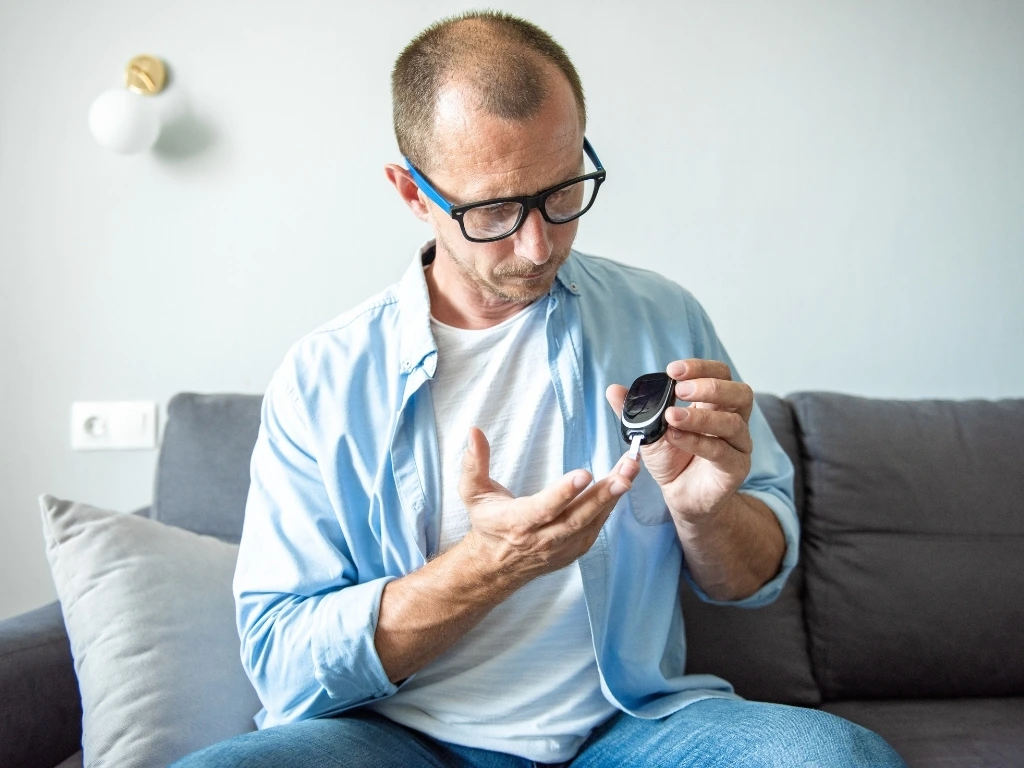
How specialists choose the best medicine for your diabetes treatment
Selecting the most appropriate medication for type 2 diabetes depends on several individual factors:
- Blood sugar levels: Current fasting and post-meal glucose readings help determine which medication will be most effective.
- Weight management goals: Some medications promote weight loss, while others are weight-neutral or may even contribute to weight gain.
- Heart and kidney health: Certain drugs offer added benefits for cardiovascular or kidney protection.
- Other medical conditions and potential side effects: Doctors weigh the risks and benefits based on a person’s overall health.
- Lifestyle factors: Eating habits, physical activity, and the ability to manage injections or oral medications influence the decision.
- Cost and insurance coverage: Practical considerations often affect which medications are accessible and sustainable in the long term.
In many cases, one medication may not be enough to maintain blood sugar targets, so combination therapy with two or more drugs is often used. This also allows for lower doses of each medication, which may help to reduce side effects while improving overall effectiveness. Treatment plans are carefully adjusted over time to balance blood sugar control, safety, and long-term health outcomes.
What are the possible side effects of diabetes medications?
Side effects vary depending on the type of diabetes medication, but here are the most commonly reported:
- Nausea
- Digestive discomfort
- Low blood sugar (hypoglycemia)
- Increased urination
- Mild weight changes
Contact your healthcare provider immediately if you experience any of these more severe side effects:
- Extreme nausea and dizziness
- Vomiting
- Fainting
- Unusually low blood sugar
- Signs of severe allergic reactions (rash, swelling, or difficulty breathing)
Not everyone using diabetes medications notices side effects, and the severity tends to differ from person to person. While medications are a common part of type 2 diabetes management, they’re most effective when used in conjunction with healthy eating habits, regular physical activity, and consistent blood sugar monitoring.
Approach diabetes management with expert support from Health Loft
Managing type 2 diabetes should go beyond common medications. While the right treatment plan can help regulate blood sugar levels, long-term success usually depends on combining medicine with balanced lifestyle habits that are supportive of all aspects of health.
Our diabetes-specialized dietitians at Health Loft can help you discover a whole-body approach toward treatment. We take the time to understand your blood sugar patterns, daily routine, food preferences, and personal health goals to develop practical, food-first strategies that complement your existing medical treatment plan.
Connect with a Health Loft dietitian today to take a bold next step toward better blood sugar control and improved quality of life that you can sustain.
This article was reviewed by Haleigh Mann, MS, RDN, LDN. It is intended for informational purposes only and does not replace personalized nutritional advice.