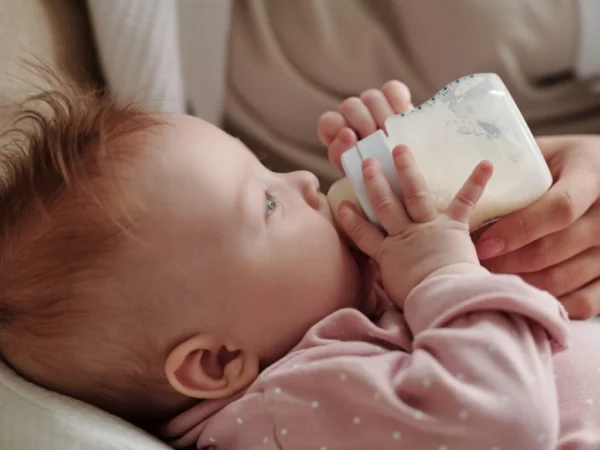









Most parents don’t expect feeding to become complicated. One minute you’re choosing between brands at the store, and the next, you’re trying to figure out why your baby seems uncomfortable after every feed. When cow’s milk protein allergy (CMPA) is part of the picture, even simple choices can get overwhelming.
Here’s what may be reassuring to learn: there are well-established formula options for infants with CMPA. It can take some trial and adjustment to find the right fit, but many babies settle into a feeding routine that works and continue to grow just as they should.

What is CMPA?
CMPA is an immune reaction to proteins found in cow’s milk. It’s one of the most common food allergies in infancy, affecting about 2–3% of babies.
It’s also easy to confuse with lactose intolerance, but they’re very different. Lactose intolerance is a digestive issue concerning milk sugar, while CMPA involves the immune system reacting to milk proteins.
Symptoms don’t always appear the same way. Some babies react soon after feeding, while others show signs hours or even days later. This variation can make CMPA harder to recognize at first.
How to tell if a newborn has a milk protein allergy
The signs of milk protein allergy in newborns aren’t always straightforward. They can affect different parts of the body and may appear gradually rather than all at once.
Some of the more common symptoms include:
- Frequent vomiting or spit-up beyond what feels typical
- Diarrhea or loose stools
- Blood or mucus in the stool
- Eczema or ongoing skin irritation
- Increased fussiness, especially around or after feeds
- Discomfort during feeding or refusal to feed
- Slower weight gain in some cases
If you’re wondering how to tell if a newborn has a milk allergy, look for patterns rather than isolated symptoms. For example, do issues consistently appear after feeding? Do they persist despite trying typical adjustments? If so, it’s worth discussing with your pediatrician. A proper evaluation helps rule out other causes and guides the next steps.
Do babies grow out of milk allergy?
Many babies with CMPA do outgrow it, often within the first few years of life. That can be reassuring, especially early on when feeding feels uncertain.
That said, the timeline is not the same for every child. Some develop tolerance sooner, while others may take longer. Because of this, regular follow-up with your pediatrician is important. They may periodically reassess your baby’s response and decide when it’s safe to reintroduce certain foods.
In the meantime, the priority should be to keep your baby well-nourished, comfortable, and growing steadily.
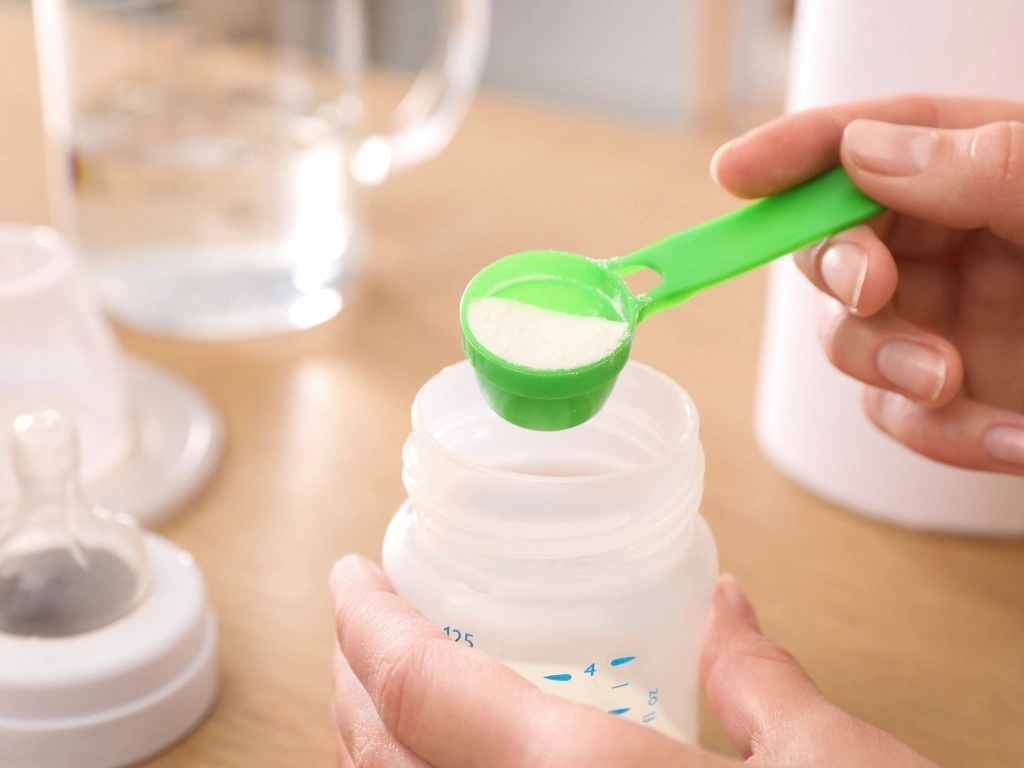
Formula options for infants with milk protein allergy
Breastmilk is usually the preferred option when available. However, if a breastfed baby has CMPA, the breastfeeding parent may need to remove dairy from their own diet, since milk proteins can pass into breastmilk.
In some cases, exploring alternative formulas may make more sense for you. Not all babies respond the same way, so finding the right fit is an important step that may require some flexibility and patience.
Here are the most reliable alternative formulas for milk protein allergy to help manage your baby’s symptoms and support their growth:
Soy formulas
Soy formulas replace cow’s milk protein with soy protein and are often among the first alternatives parents consider. While they can work for some babies, they are not always the best starting point.
Some infants with CMPA may also react to soy protein, especially in early infancy. Because of this, soy formulas are typically used with caution and may be considered later if other options are not suitable.
Rice protein-based formulas
Rice-based formulas use hydrolyzed rice protein instead of cow’s milk protein. These are designed to be nutritionally complete and can be a suitable option for babies who do not tolerate either dairy or soy.
Some families find that these formulas are easier for their baby to digest, although availability can vary depending on where you live. They are often considered as an alternative when other standard options are not well tolerated.
Extensively hydrolyzed formulas
Extensively hydrolyzed formulas (EHF) contain cow’s milk proteins that have been broken down into much smaller fragments. This reduces the likelihood that the immune system will recognize them as a trigger.
For many babies with mild to moderate CMPA, this is often the first formula recommended. Products like Enfamil Nutramigen fall into this category. Many infants tolerate these well, although some may still have symptoms if they are more sensitive.
Amino acid-based formulas
Amino acid-based formulas (AAF) take things a step further by using individual amino acids instead of whole or partially broken-down proteins. Because they contain no intact milk proteins, these formulas are among the least likely to trigger a reaction.
They are typically used for more severe CMPA or when extensively hydrolyzed formulas are not tolerated. Options like Neocate® are commonly used in these cases and are usually introduced under medical supervision.
What’s the best formula for infants with milk allergy?
In general, EHFs or rice-based options are often suitable for mild to moderate CMPA. For babies with more persistent or severe symptoms, AAFs may be more appropriate.
However, keep in mind that there’s no single formula that works for every baby. The best formula for your child relies heavily on their individual response, how severe their symptoms are, and what they tolerate over time. Working with your pediatrician and a pediatric dietitian can help navigate a potentially stressful process of finding the right formula for your child.
It’s also important to give your baby time to adjust after switching formulas. Improvements are not always immediate, and pediatricians often recommend observing changes over a couple of weeks. Signs like improved comfort during feeding, fewer digestive symptoms, and better overall mood can help guide the next step.
When feeding feels complicated, support makes a real difference
It’s normal to question whether your baby is getting enough, especially when certain foods or formulas are removed to manage conditions like CMPA. Feeding can start to feel less intuitive and more like a series of decisions you’re constantly trying to get right.
At Health Loft, we help you approach those decisions with more clarity. Our dietitians specializing in food allergies can help you determine the most appropriate formulas for milk protein allergy based on your baby’s symptoms and tolerance, while making sure their nutrition remains complete and balanced.
If you’re breastfeeding, we also guide you through adjusting your own diet in a way that supports both you and your baby. As your child grows, we help you move into the next stages, including introducing solids and adjusting to new feeding needs. We work alongside your pediatrician so your baby’s care stays coordinated and consistent.
Even with CMPA, babies can continue to grow and thrive. Make feeding more manageable by connecting with a Health Loft dietitian.
This article was reviewed by Adrienne DePaul, MS, RDN. It is intended for informational purposes only and does not replace personalized nutritional advice.