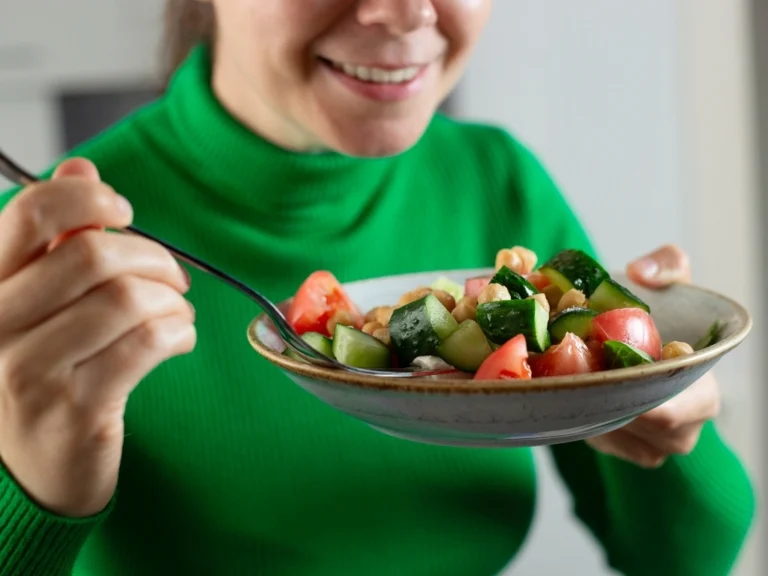









Food is often a source of uncertainty for people with inflammatory bowel disease (IBD). What feels safe to eat can vary from day to day, as symptoms shift with disease activity and individual tolerance, making it challenging to pinpoint a single “right” approach to nutrition. That said, there are several diets for IBD that can help manage symptoms.

Understanding the nutrition challenges introduced by IBD
IBD has two major types: Crohn’s disease and ulcerative colitis, both of which cause chronic inflammation in the digestive tract. This ongoing inflammation can place added stress on digestion and nutrient absorption, contributing to symptoms such as abdominal pain, diarrhea, bloating, nausea, fatigue, and unintended weight loss. Over time, these challenges can increase the risk of malnutrition or deficiencies in key nutrients.
What makes IBD even more challenging is that nutrition needs can shift over time, depending on factors, including:
- Where the disease is located: An inflamed small intestine impairs nutrient absorption, while an inflamed colon disrupts water absorption.
- Whether the disease is in flare or in remission: Some foods are best restricted when symptoms are active, but can be eaten in moderation when inflammation subsides.
- Personal food tolerance: The same foods don’t affect everyone in the same way.
- Current state of the gut: Prior surgeries or the presence of strictures can cause significant malabsorption of fats and certain vitamins, while narrowing of the bowel can lead to blockages.
Common diets for inflammatory bowel disease
The variation in nutritional needs and symptoms helps explain why there’s no single IBD diet that works for everyone. Still, several dietary approaches may help ease symptoms, support nutrition, and improve quality of life.
The following IBD diet plans work best with guidance from a registered dietitian, who can help monitor your response and adjust your approach as your symptoms and needs change.
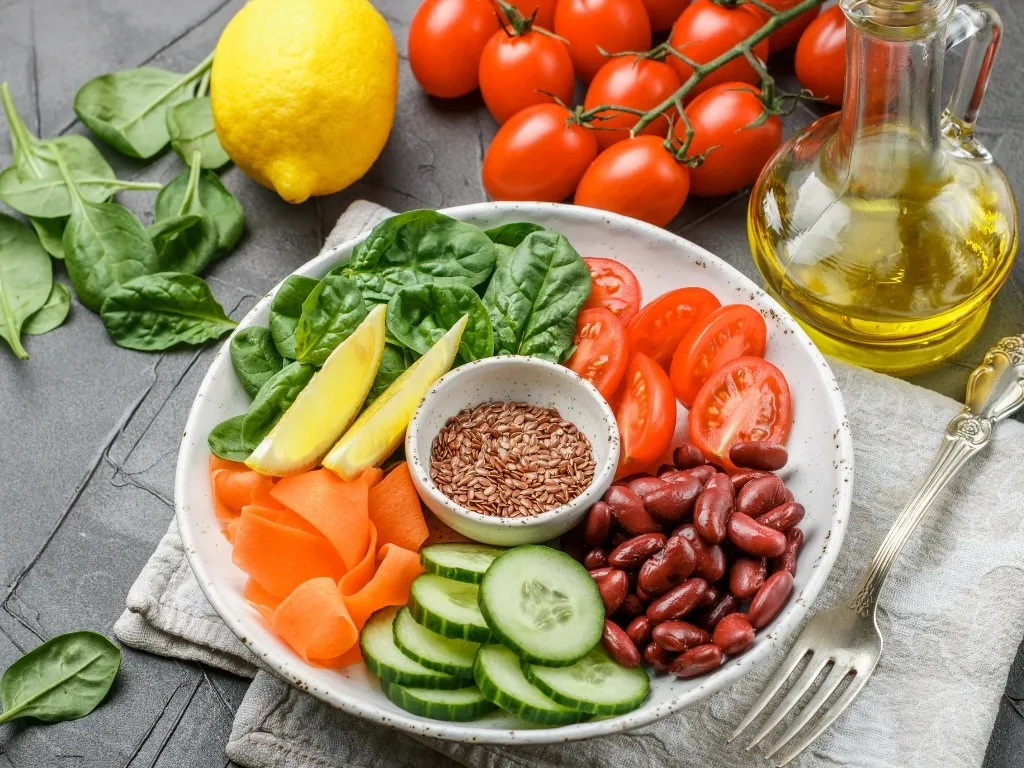
Mediterranean diet
The Mediterranean diet is a long-term eating pattern known for its anti-inflammatory and cardiovascular benefits. Rather than focusing on strict elimination, it emphasizes variety, balance, and whole foods, making it a more flexible and sustainable option for many people.
Some foods included:
- Fruits
- Vegetables
- Legumes
- Nuts
- Seeds
- Whole grains
- Fish
- Seafood
- Healthy fats like extra virgin olive oil or canola oil
- Poultry and eggs
- Yogurt
- Cheese (consumed in moderation)
- Red meat (can be consumed in strictly limited amounts)
Some foods excluded:
- Processed foods
- Refined grains
- Added sugars
- Processed meats
IBD-specific research is still emerging, but current studies suggest this dietary pattern may help support remission, overall health, and long-term food inclusion — without the level of restriction required by more rigid IBD diets.
Crohn’s disease exclusion diet (+ partial enteral nutrition)
The Crohn’s disease exclusion diet (CDED) focuses on limiting foods that may irritate the gut while introducing whole foods that support a healthier gut microbiome.
It’s often used along with partial enteral nutrition (PEN), another dietary approach where 30–50% of daily calories come from a nutritionally complete formula, with the remaining calories obtained from regular foods (in this case, whole foods).
This IBD diet is structured in three phases. It begins with a more restrictive elimination phase, followed by the gradual and controlled reintroduction of well-tolerated foods for IBD. It eventually transitions into a long-term approach designed to support symptom management and nutritional balance.
Some foods included in this diet for IBD:
- Chicken breast
- Banana
- Apple
- Eggs
- Lean fish
- White rice
- PEN formulas (50% at Phase 1, 25% at Phases 2 and 3)
Some foods excluded:
- Processed meats (sausages or deli meats)
- Excessive animal fats
- Red meat
- Dairy
- Gluten (including bread, pasta, and most baked goods)
- High-sugar products and artificial sweeteners
- Alcohol
Randomized controlled trials suggest that CDED may help induce remission in children with mild to moderate Crohn’s disease, with growing evidence supporting its use in adults. Because the diet is structured and restrictive, it should be followed with guidance and monitoring from a healthcare provider.
Low FODMAP diet
Fermentable oligosaccharides, disaccharides, monosaccharides, and polyols (FODMAPs) are carbohydrates that aren’t well absorbed in the small intestine, which can contribute to symptoms like bloating, gas, and abdominal pain.
The low FODMAP diet for IBD limits these carbohydrates to manage persistent gastrointestinal symptoms, though it’s important to note that it doesn’t address underlying inflammation.
Some foods included:
- Plain meats
- Fish
- Eggs
- Firm tofu
- Rice
- Oats
- Quinoa
- Lactose-free dairy like cheddar, parmesan cheese, or ghee
- Plant-based dairy alternatives like almond milk, rice milk, or coconut milk
- Low-fructose fruits like unripe bananas, berries, or oranges
- Specific vegetables like carrots, zucchini, lettuce, or spinach
Some foods excluded:
- Wheat
- Rye
- Barley
- Beans
- Lentils
- Milk and high-lactose dairy
- Many cruciferous vegetables, like cauliflower or Brussels sprouts
- Other vegetables like onions, garlic, or mushrooms
- High-FODMAP fruits like apples, pears, or watermelon
- Sugar alcohols and sweeteners (honey or agave)
More commonly used in irritable bowel syndrome (IBS), the low FODMAP diet may also be helpful for people with IBD, particularly during periods of remission when symptoms tend to resemble those of IBS. As undernutrition is common in IBD, the use of restrictive diets should be supervised by a dietitian.
Gluten-free diet
A gluten-free diet (GFD) is often tried alongside a low FODMAP diet. While gluten avoidance is essential for people with celiac disease (and celiac disease is more common in those with IBD), it’s unclear whether symptom improvement comes from eliminating gluten itself or from reducing FODMAP intake.
Some foods included:
- Gluten-free grains like rice, quinoa, corn, or oats
- Gluten-free starches like arrowroot, tapioca, or potato flour
- Meat
- Fish
- Eggs
- Dairy
- Fruits
- Vegetables
Some foods excluded:
- Wheat
- Barley
- Rye
- Any derivatives of the aforementioned
Gluten-free diets can be low in fiber if not carefully planned. Over time, this may affect gut health, bowel regularity, and nutrient intake, which is why fiber sources and overall balance matter when following a GFD with IBD.
Specific carbohydrate diet
The specific carbohydrate diet (SCD) is a nutritionally complete, grain-free diet that is low in sugar and lactose, restricting all hard-to-digest carbohydrates. It’s based on the idea that certain complex carbohydrates are harder to digest and may promote harmful bacterial growth in the gut. Because of this, the diet focuses on simpler, more easily absorbed foods.
Some foods included:
- Fruits (no added sugar)
- Most vegetables, including leafy greens, carrots, broccoli, zucchini, and tomatoes
- All meats, fish, and shellfish (unprocessed)
- Eggs
- Yogurt (must be homemade and fermented for 24 hours)
- Hard, aged cheeses like cheddar, Colby, and Swiss
- Nuts (raw, unsalted)
- Honey
- Oils like olive, coconut, and butter
- Vinegar
Some foods excluded:
- All grains and starches
- Refined and added sugars, candies with high-fructose corn syrup
- Processed meats
- Most dairy products
- Starchy vegetables like potatoes, peas, and squash
Evidence for how this IBD diet reduces inflammation is mixed. Since it can be highly restrictive, following this eating pattern long-term poses risks for nutrient deficiencies. Furthermore, the grain-free approach may limit fiber diversity, which is why the Mediterranean diet is typically recommended over SCD.
IBD anti-inflammatory diet
The IBD anti-inflammatory diet (IBD-AID) builds on SCD principles while placing greater emphasis on probiotics, prebiotics, well-tolerated textures, and overall nutritional adequacy.
Some foods included:
- Eggs
- Tofu
- Lean meat (skinless chicken, turkey) and fish (salmon, trout, whitefish)
- Peeled, well-cooked vegetables
- Soft, stewed, canned, or cooked fruit (no added sugar)
- Healthy fats and oils, including olive oil, avocado, and nut butters (smooth)
- Probiotic-rich foods like yogurt (lactose-free if needed), kefir, miso, and kefir
- Well-cooked oatmeal, rice, or pasta (during flares)
- Whole grains like brown rice or quinoa (only in remission)
- Mild anti-inflammatory spices like turmeric, ginger, and cinnamon
Some foods excluded:
- Gluten-based grains, processed carbs
- Refined and added sugars
- Processed foods and meats
- Many dairy products
- Starchy vegetables like potatoes, peas, and squash
Many people find this approach helpful for managing symptoms, but larger, high-quality clinical trials are still needed.
Exclusive enteral nutrition
Exclusive enteral nutrition (EEN) is a medical therapy in which all calories and nutrients come from a nutritionally complete liquid formula. It can be taken orally or delivered through a feeding tube, and regular solid foods are temporarily avoided. By removing whole foods for a period of time, EEN limits exposure to dietary triggers that may worsen inflammation, giving the intestinal lining time to heal.
Some foods included:
- Prescribed enteral nutrition formulas
- Clear fluids such as water, clear broth, or herbal tea
- Clear juices without pulp
- Gelatin (applicable only in some cases)
Some foods excluded:
- All solid foods
- Blended or pureed meals
- Any foods outside the prescribed formula
EEN is well-supported by evidence for inducing remission in children with Crohn’s disease and is recommended by pediatric gastroenterology societies. However, its use must be tailored to individual disease activity and complications. EEN can also be used in adults with active inflammation or narrowing (strictures) in the intestines for a six- to eight-week period, though it’s less commonly prescribed for adults because observing a liquid-only plan can be more challenging.
Discover an approach to nutrition that works for you
Nutrition can be a powerful tool for supporting health and quality of life with IBD, but it isn’t a cure, and it works best as part of a broader care plan. The most effective IBD diet is responsive to periods of remission versus flares, remaining flexible, compassionate, and personalized as symptoms and disease activity change.
While highly restrictive diets may seem appealing, they carry significant risks, including nutrient deficiencies, unintended weight loss, and a strained relationship with food. This is where professional guidance can make a difference. Working with a registered IBD dietitian can help you sort through your options, choose strategies that fit your body and lifestyle, and adapt your approach as your needs change.
At Health Loft, this individualized approach helps ensure your nutrition plan supports not only your physical health, but also a positive, sustainable relationship with food. Connect with a Health Loft dietitian to get started today.
This article was reviewed by Solveig Adalsteinsdottir, MS, RDN, LDN. It is intended for informational purposes only and does not replace personalized nutritional advice.