









Crohn’s disease is a chronic inflammatory bowel condition where both symptoms and sensitivities can change over time. While there is currently no cure, many people learn to live well with it by pairing medical treatment with a mindful approach to eating. Planning a Crohn’s disease diet around foods that feel comfortable can make meals less stressful while supporting steady energy and providing essential nutrients.
As a gentle starting point, it helps to understand what foods can be eaten with Crohn’s disease, based on how well they’re generally tolerated. These foods can be adapted to your personal needs and preferences, ideally with guidance from a healthcare professional, allowing you to build a diet that works best for your body.

7 best foods to eat with Crohn’s disease
Since the condition registers differently from person to person, there’s really no single best diet for Crohn’s disease. What works for someone may not work as well or at all for another. Tolerances also change depending on whether the disease is active or not, or if complications like strictures are present.
That being said, certain foods are considered Crohn’s disease-friendly because they support healthy digestion, steady release of energy, and proper nourishment. Not every food on this list will suit everyone, so it’s important to approach them with awareness of your own triggers and comfort level, adjusting as needed to fit your body’s needs.
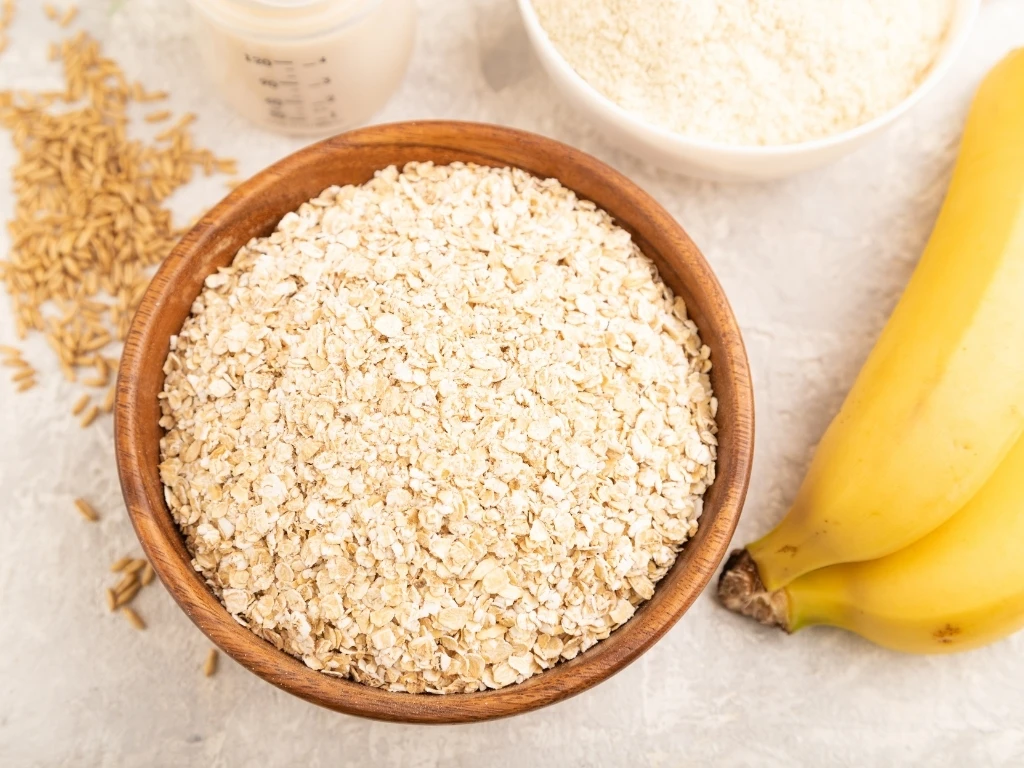
1. Refined grains
Grains are a primary source of carbohydrates, which can be especially helpful for people with Crohn’s when appetite is low or fatigue is high. Refined varieties are often easier to digest than whole grains because much of the rough, insoluble fiber has already been removed. Familiar, reliable choices include:
- White rice
- Plain pasta
- Bread made of white flour
- Cream of wheat
- Low-fiber cereals
Choosing refined grains can translate to fewer symptoms like bloating, cramping, or urgency, especially during flares.
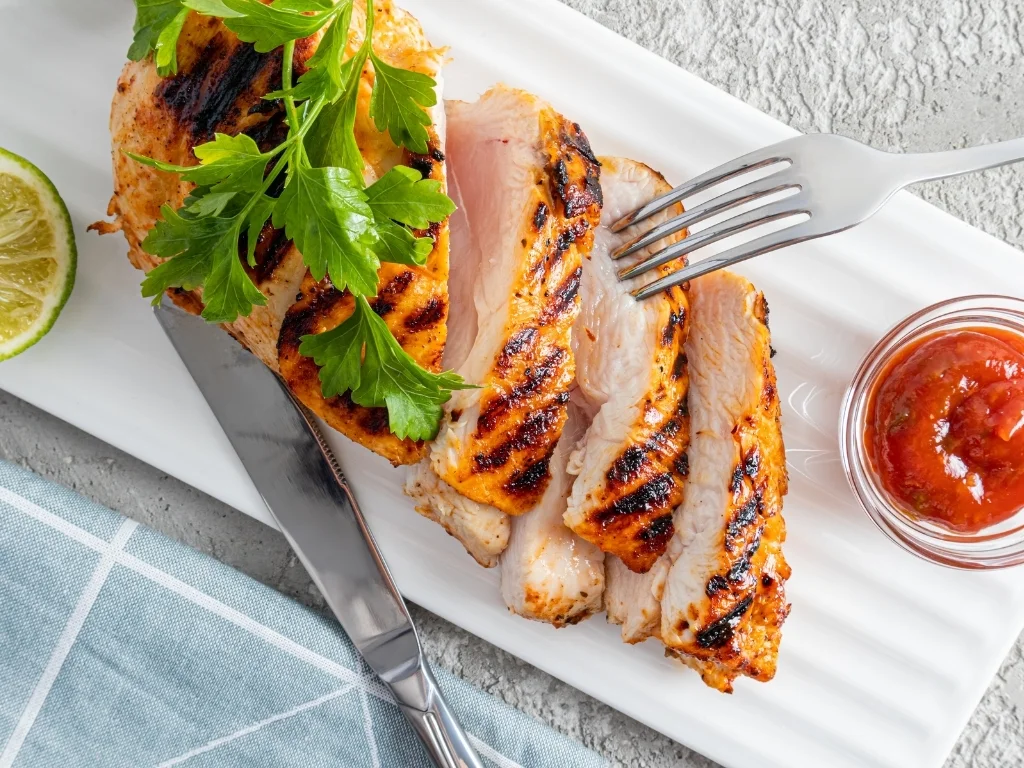
2. Lean proteins
Protein supports healing, helps to maintain muscle, and plays an important role in immune health. When the body is under stress from inflammation or recovery, protein needs can increase to support repair and resilience.
Swap regular meat cuts for lean proteins, which are easier to digest and less likely to cause discomfort since they contain less fat. Some accessible sources to include in your Crohn’s disease diet are:
- Chicken (skinless, white meat only)
- Turkey (skinless, white meat only)
- Eggs
- Fish like cod, tilapia, or bass
- Tofu
- Tempeh
- Nut butters (smooth, with minimal sweeteners)
Having smaller amounts of protein throughout the day can support steady energy while placing less stress on the gut.
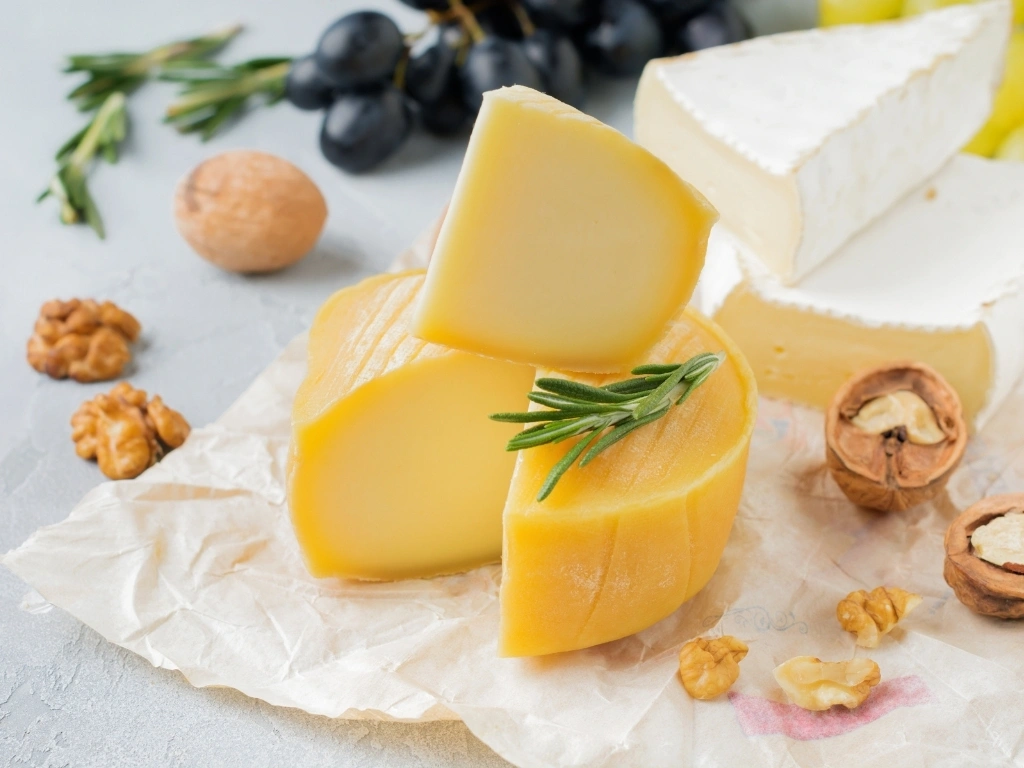
3. Low-lactose or lactose-free foods
Some people with Crohn’s may develop lactose intolerance, even if they previously tolerated dairy without issues. This typically causes gas, bloating, abdominal pain, or a higher risk of diarrhea. However, cutting out dairy entirely can make it harder to get important nutrients like calcium, vitamin D, and protein.
Fortunately, many lower-lactose or lactose-free alternatives allow you to enjoy the same nutrients while remaining gentle on the gut. Some examples you can add to your Crohn’s disease-friendly diet are:
- Lactose-free milk
- Hard cheeses, like Parmesan, aged Cheddar, Swiss, Gouda, Gruyère, and Pecorino
- Lactose-free yogurt
- Fortified plant-based milks, such as almond or soy
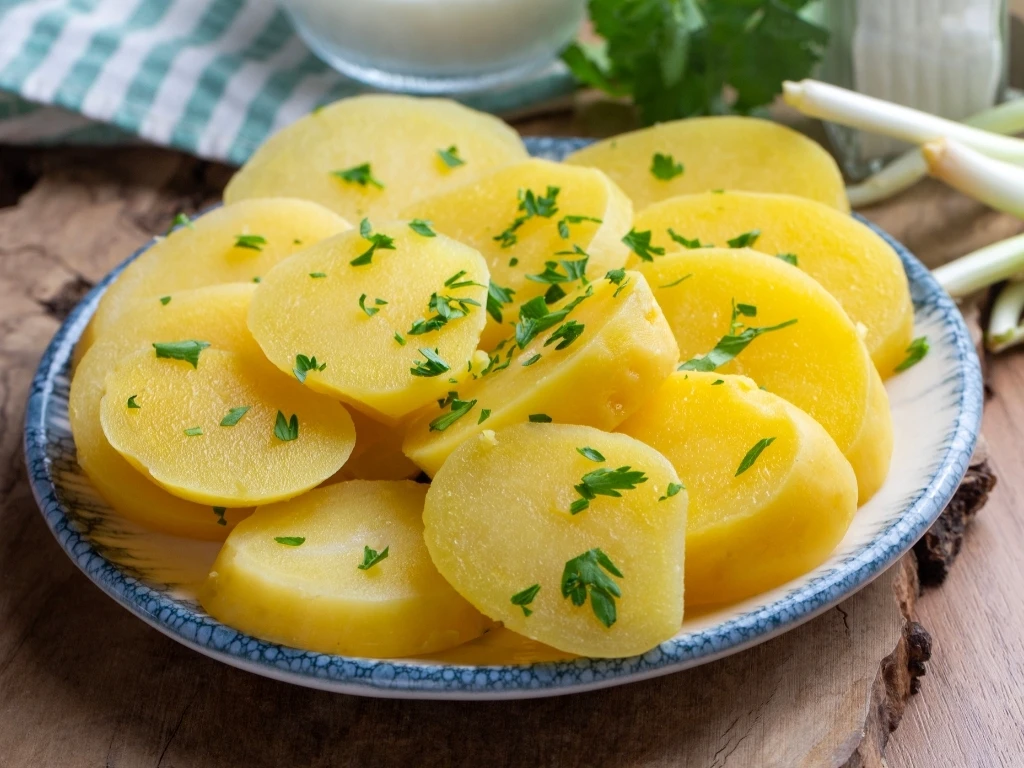
4. Cooked vegetables
Vegetables are rich in vitamins, minerals, and antioxidants, but raw fiber can be harder to tolerate during active inflammation. The good news is, you can still benefit from plant nutrients without worsening symptoms. Cooking vegetables helps soften fiber, making them easier to digest while preserving key nutrients.
The following are some of the easiest to tolerate when steamed, boiled, mashed, or pureed:
- Carrots
- Zucchini
- Green beans
- Potatoes (peeled)
- Squash
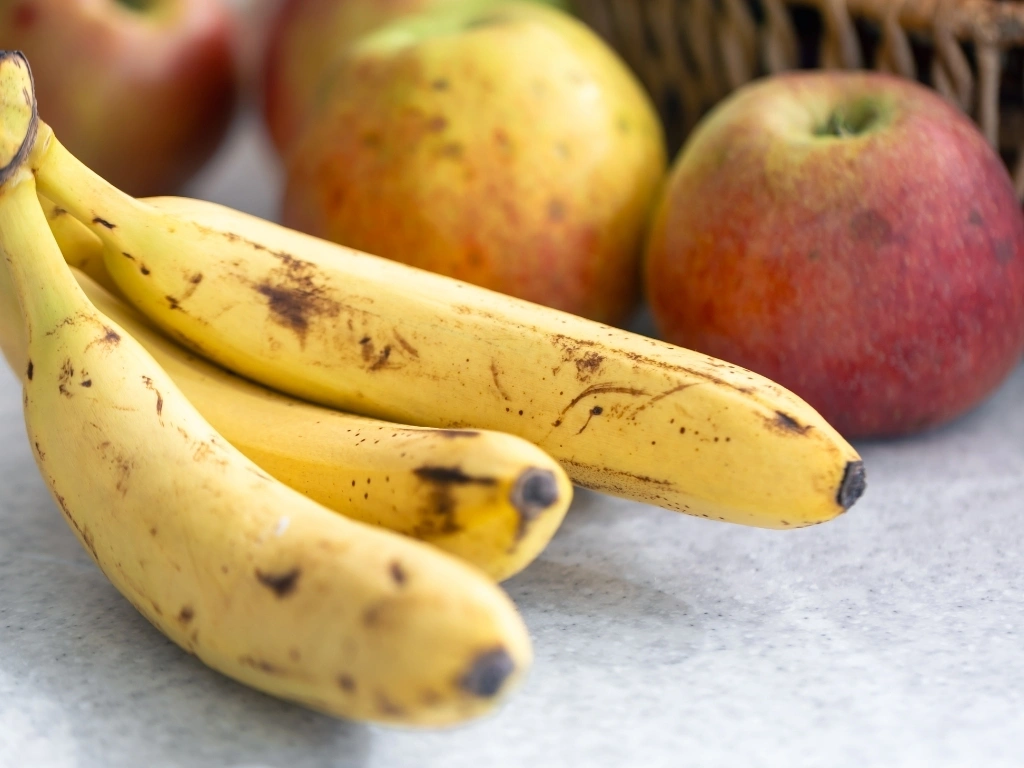
5. Low-fiber fruits
Fruits are an important source of nutrients, but like vegetables, higher-fiber options can be harder to tolerate during flares. The options below are lower in fiber and can provide vitamins and natural sweetness while being gentler on digestion:
- Ripe bananas
- Apples (peeled)
- Melons like cantaloupe or honeydew
- Watermelon (seedless)
- Canned fruits in light syrup, such as pears, apricots, or peaches (peeled)
- Fruit sauces like applesauce
Many fruits become easier to tolerate when eaten without skin or seeds. You can also steam them to soften the fiber. As symptoms improve during remissions, you may be able to gradually reintroduce a wider variety of fruits, helping you maintain variety and balance in your Crohn’s disease diet.
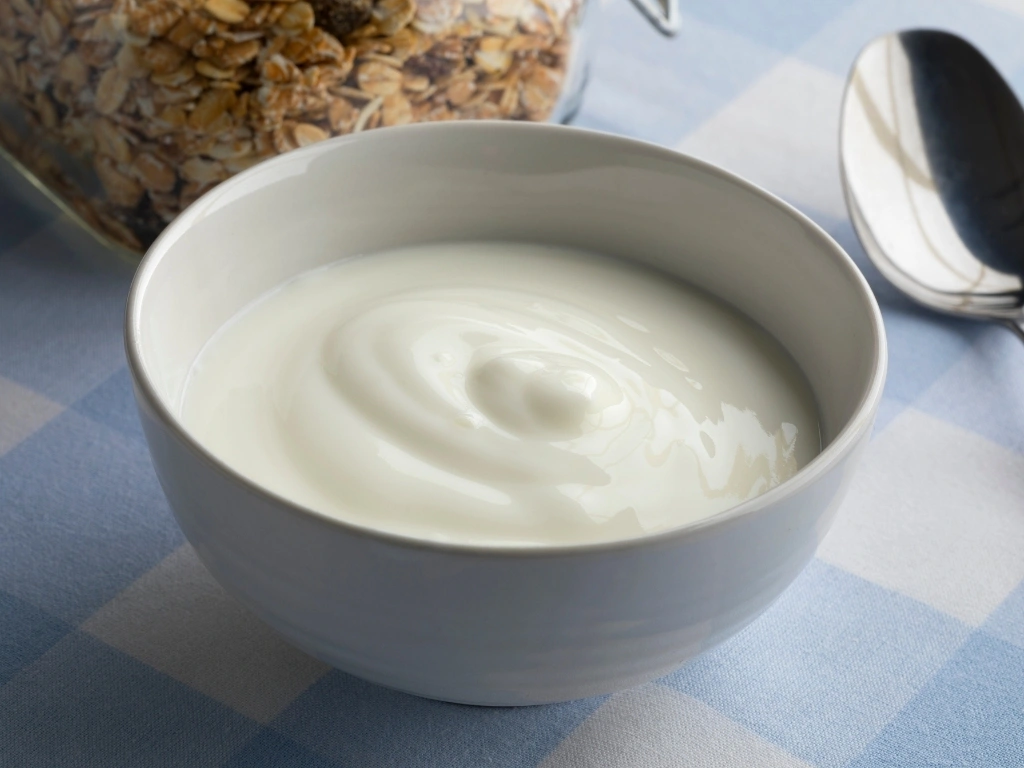
6. Probiotic-rich foods
Probiotic-rich foods contain beneficial bacteria that may support gut health and digestion, though tolerance can vary widely with Crohn’s disease. While probiotic supplements may help some people, others find better results from food-based sources such as:
- Yogurt with live cultures
- Kefir
- Fermented foods such as miso (served in small amounts)
Integrating these slowly into your Crohn’s disease diet can help you gauge how well your body responds. If symptoms worsen, working with a dietitian can help you explore more gentle options that better support your digestion.
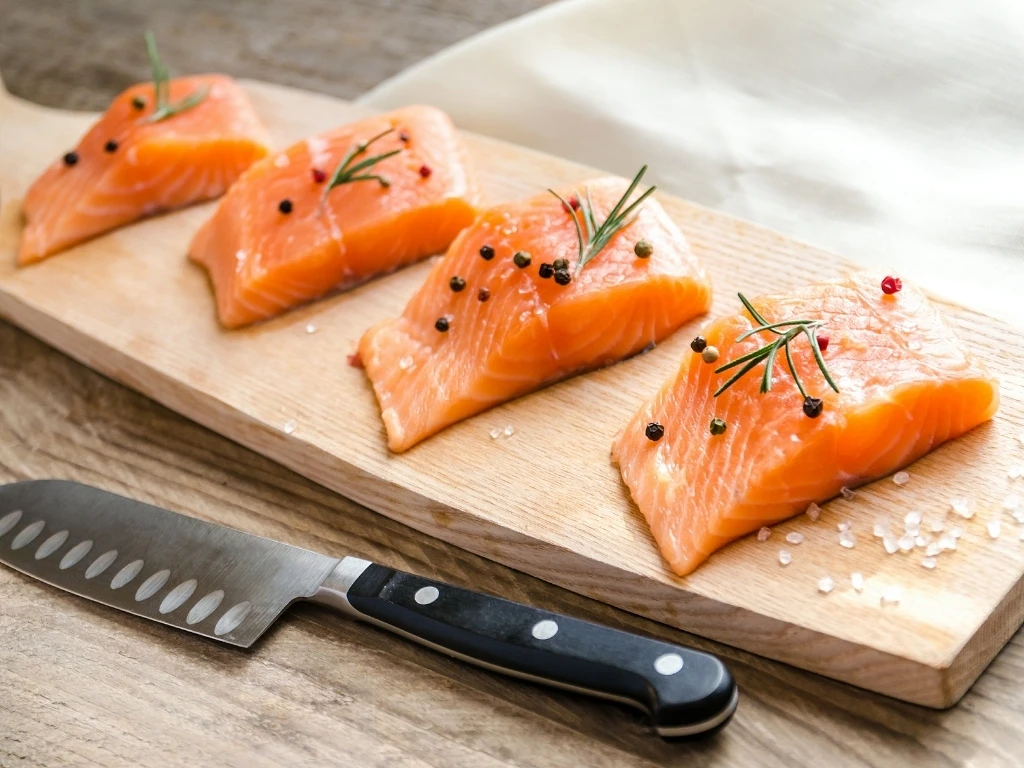
7. Healthy fats
Omega-3 fats are known for their anti-inflammatory properties and overall health benefits. Common sources that may fit into a Crohn’s-friendly diet include:
- Fatty fish like salmon, sardines, and tuna
- Flaxseed oil
- Chia seeds (best taken in moderation and during remission only)
- Walnut butter (smooth, minimally sweetened)
For people with Crohn’s disease, fats are often better tolerated in smaller portions or when blended into meals, such as smoothies or puréed dishes. These options can add calories and flavor without increasing food volume, which can be especially helpful when maintaining weight feels challenging.
Does diet look the same for everyone with Crohn’s disease?
Not at all. Crohn’s can affect different areas of the digestive tract, and the location of inflammation can strongly influence individual symptoms, food tolerance, and nutrition needs. People can react very differently to the same foods, depending on where Crohn’s is active.
- Small bowel Crohn’s disease: The body may have a harder time absorbing nutrients, since most digestion and absorption happen in the small bowel. Nutrition often centers on meeting calorie and protein needs to help maintain strength, support energy levels, and promote healing.
- Colonic Crohn’s disease: The colon absorbs water and electrolytes, not nutrients. When inflamed, diarrhea and urgency tend to follow. Adjusting portion sizes and food textures especially with fiber, is often helpful, as many people tolerate soluble fiber better than insoluble fiber.
- Crohn’s disease with strictures: Strictures are narrowed areas of the bowel that can slow or block the movement of food. Choosing softer foods and avoiding large pieces or tough, fibrous textures can reduce discomfort. Because strictures vary widely in cause and severity, dietary approaches are best personalized with professional guidance.
Practical tips for better digestion with Crohn’s
With Crohn’s disease, there’s no single “right” way to eat all of the time. The following tips are meant to gently support comfort, nourishment, and confidence around food, and can be adapted as your needs change, whether you’re in a flare, remission, or recovering after surgery.
- Eat smaller, more frequent meals instead of large portions. This makes digestion less overwhelming and improves calorie intake without triggering discomfort.
- Chew food thoroughly. Doing this helps start digestion in the mouth and reduces the amount of work your intestines need to do.
- Stay well-hydrated. Fluids support digestion and nutrient absorption, and increasing your intake of water or gentle liquids like herbal tea, juices, soups, or broths may be needed when experiencing diarrhea.
- Adjust your intake during flares or post-surgery. Prioritize softer textures and nutrient-dense options, then gradually expand choices as symptoms improve.
Build confidence around food with the help of a Health Loft dietitian
Crohn’s does not have to take the joy out of eating. When meals are planned around your comfort, food becomes less of a source of stress and more of a meaningful way to manage the condition and care for the body.
Because needs can change between flares and remission, working with a registered dietitian who understands Crohn’s disease can help you feel more confident and supported in your food choices while also ensuring that your nutritional needs are being met.
At Health Loft, our Crohn’s disease dietitians take the time to understand your symptoms, triggers, and day-to-day challenges, adjusting nutrition guidance as your needs evolve. With telehealth visits available often for as little as $0, depending on coverage, you can receive thoughtful, compassionate support wherever you are.
If you’re looking for support that feels practical and personalized, connecting with a Health Loft dietitian can be a meaningful step toward building a more empowered, sustainable relationship with food. Find a nutritionist today.
This article was reviewed by Haleigh Mann, MS, RDN, LDN. It is intended for informational purposes only and does not replace personalized nutritional advice.