








Have you noticed that certain meals or snacks seem to trigger heartburn or acid reflux? This is actually quite common — many people feel discomfort after eating certain foods, and it’s a normal part of dealing with GERD. Learning which foods affect your body can make a real difference in managing symptoms and feeling better day to day.
This 7-day GERD diet plan offers practical meal ideas and lunch options designed to reduce acid reflux, while giving you the flexibility to mix and match based on your preferences.
Use this as a guide to plan your meals, and once you get the hang of it, adjust it to fit your routine. If you want more personalized guidance, a healthcare professional or registered dietitian can help fine-tune it for your needs.

What is GERD?
Gastroesophageal reflux disease (GERD), commonly known as acid reflux, is a chronic condition in which stomach acid flows back into the esophagus. It’s considered chronic if symptoms last at least a couple of months or longer. Many people with GERD experience burning in the chest (heartburn), a sour or acidic taste in the mouth, bloating, or discomfort after eating. Over time, frequent reflux can irritate the esophagus and lead to health complications, which is why managing symptoms through diet and lifestyle is often an important part of treatment.
Diet can influence symptoms, but the connection isn’t always straightforward and can vary from person to person.
What foods may trigger GERD symptoms?
Certain foods and eating habits can influence GERD symptoms, but triggers aren’t the same for everyone. Understanding which foods commonly cause issues can help you make better choices for your digestion. The list below can help you get a sense of which foods are more likely to cause discomfort.
Fatty foods
Fat is calorie-dense, and digesting it releases bile salts and the hormone cholecystokinin (CCK), both of which can irritate the esophagus or relax the lower esophageal sphincter (LES). Large, higher-fat meals can slow stomach emptying and make reflux more likely.
Research from 2014–2019 suggested that high-fat diets may increase reflux risk, while earlier studies (1999, 2007, and 2013) found no clear link. Interestingly, some studies even found that people without GERD sometimes consumed more fat than those with symptoms. A 2021 study in Iran also found no strong association between total fat intake and reflux, though higher fat and cholesterol intake may raise risk in individuals who are overweight (BMI > 25).
Overall, fat can contribute to reflux, but it is not the only factor. It’s also important to remember that not all fats are equal. While trans fats and highly processed fats can worsen reflux and overall health, unsaturated fats (such as those found in nuts, olives, certain oils, and fatty fish) are better choices and can be included in a balanced diet.
Still, more research is needed to fully understand how different types and amounts of fat affect GERD.
Fried and spicy foods
Fast food is convenient, and sometimes it’s just easier than cooking. But many fast foods are often salty, fried, or spicy, and these qualities can contribute to reflux.
Some of the most commonly consumed fast foods linked to worsened symptoms include sausage, pizza, fried chicken, and similar items. Supporting this, one survey reported that nearly half of participants experienced worsened reflux after eating fried foods, and a similar number reported the same with spicy foods, as well as worsened symptoms with frequent consumption.
This is especially relevant for the typical American diet, which tends to be high in calories, saturated and trans fats, added sugars, and sodium. Combined with a sedentary lifestyle, these eating patterns can further aggravate reflux and overall digestive health.
High-glycemic foods
High-glycemic foods – such as sugary snacks, sweets, honey, jam, syrup, and chocolate – can worsen reflux for some people. These foods digest quickly and can increase gas, stomach pressure, and overall irritation in the digestive tract. In one study, people with GERD consumed sugary foods much more often than those without symptoms, with up to half eating sugar, honey, jam, syrup, or chocolate daily. Occasional treats are fine, but frequent intake may aggravate symptoms.
Certain fruits and vegetables
The same study also showed meaningful differences in everyday eating patterns. People with GERD consumed tomatoes, onions, garlic, and pickles far more often than those without symptoms. These foods can be acidic, pungent, or gas-producing, and for some individuals, that combination can make reflux flare-ups more likely.
Citrus juices
Citrus fruits and citrus-based drinks followed a similar pattern. Many in the GERD group from the same research consumed orange juice, lemonade, and other citrus beverages daily, whereas the control group drank them far less often. Because these drinks are naturally acidic, they can irritate the esophagus and contribute to discomfort in people who are already prone to reflux.
Carbonated beverages
Carbonated drinks were also consumed more often by people with GERD. The extra gas from carbonation can increase pressure in the stomach, which may make reflux easier to trigger. For some people, even small amounts of soda or fizzy drinks can bring on symptoms, while others notice issues only when they drink them frequently.
Moderation goes a long way. You can still enjoy the foods you love — just stay mindful of how your body reacts and adjust when needed. There isn’t one perfect diet for GERD, and what triggers symptoms varies widely from person to person. Keeping track of your own patterns and checking in with a healthcare provider or dietitian can help you build a plan that actually works for you.
Sample 7-day diet plan for GERD built around simple, soothing meals
Here are some delicious and easy meals for people with GERD to enjoy while keeping symptoms in check.
Day 1

- Breakfast: Banana pancakes – you can also add a few berries or a spoon of yogurt if you like.
- Lunch: Turkey lettuce wraps with carrots and hummus – try soft rice paper instead of lettuce to add variety.
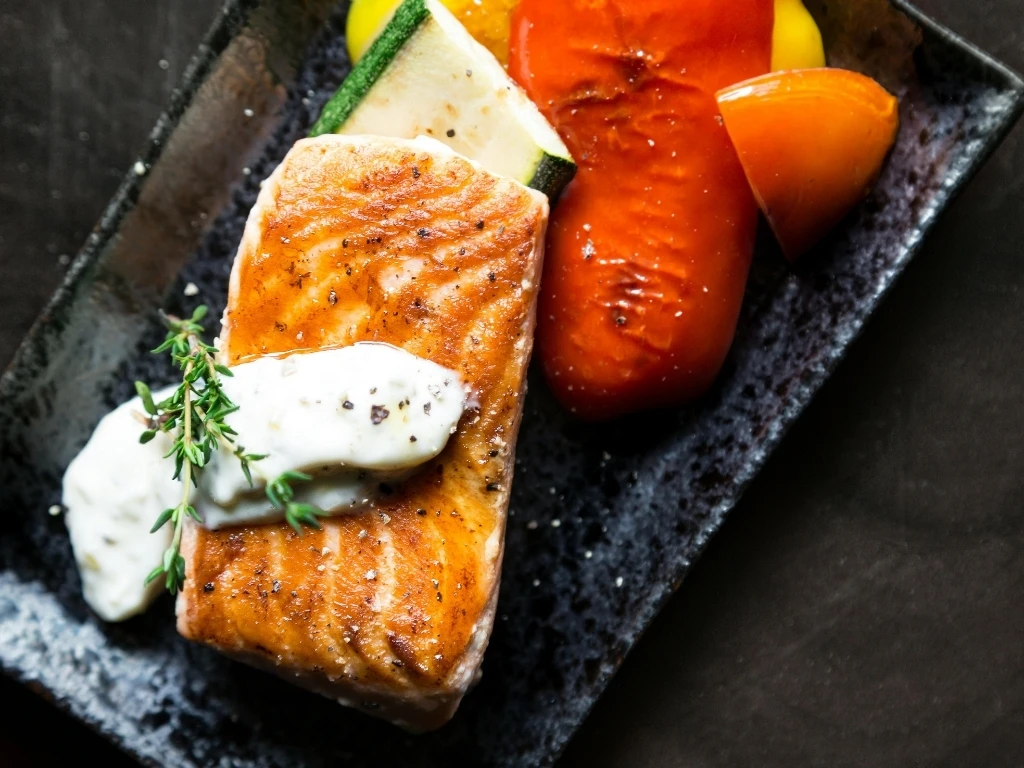
- Dinner: Baked salmon with mashed sweet potatoes and steamed green beans – if salmon feels too rich, try a mild white fish like tilapia or cod.
Day 2
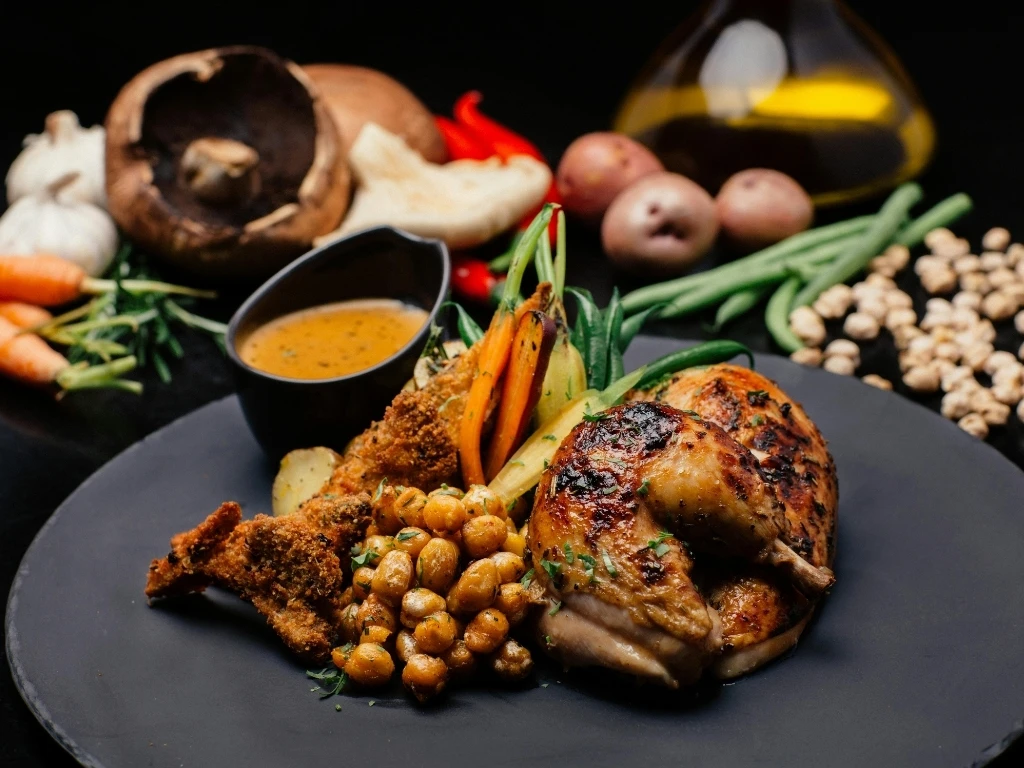
- Breakfast: Scrambled egg whites with a slice of whole-grain toast.
- Lunch: Rice bowl with chicken, roasted red bell peppers, snap peas, and a light teriyaki glaze.
- Dinner: Baked tilapia or chicken with roasted potatoes and steamed carrots or zucchini – tofu or lentils are good alternatives if you’d like a plant-based protein.
Day 3
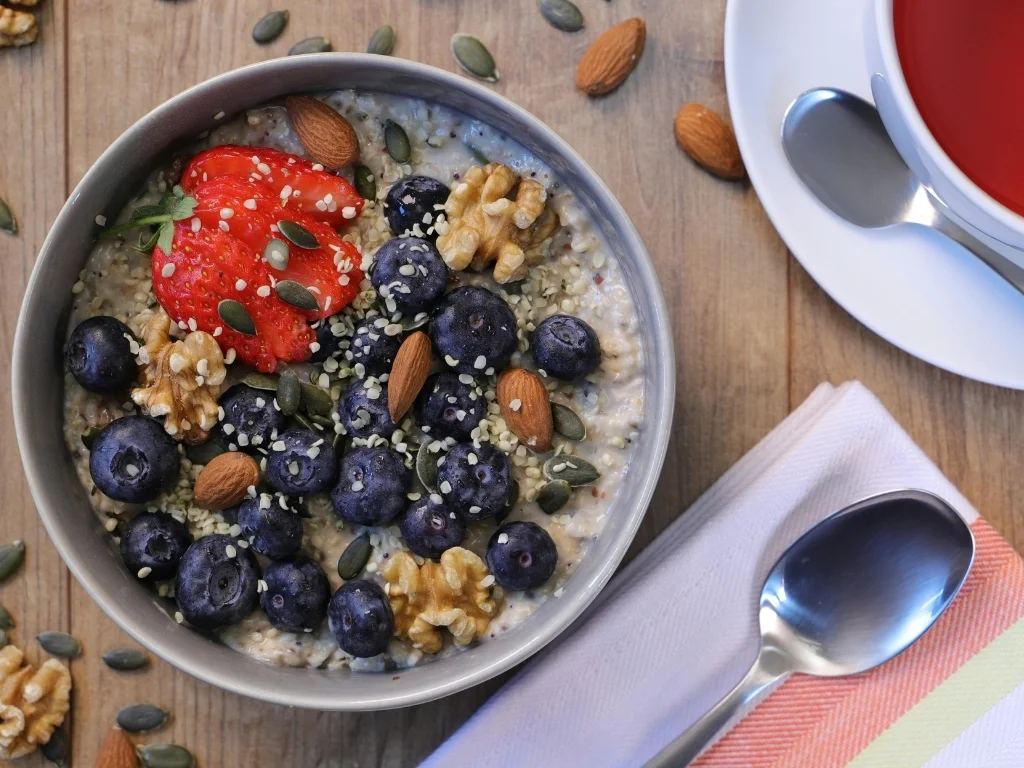
- Breakfast: Low-fat or plant-based yogurt with berries, oats, nuts, and ground flaxseed.
- Lunch: Chicken sliders (no bun) with shredded carrot and zucchini – or serve it wrapped in lettuce leaves.
- Dinner: Whole-grain pasta with a mild olive oil and herb sauce, plus steamed veggies – skip cheese if dairy bothers you, and use regular pasta if whole-grain is too heavy.
Day 4
- Breakfast: Smoothie with almond or other plant-based milk, banana, spinach, and a spoonful of oats – you can swap plant milk for water or herbal tea if needed.
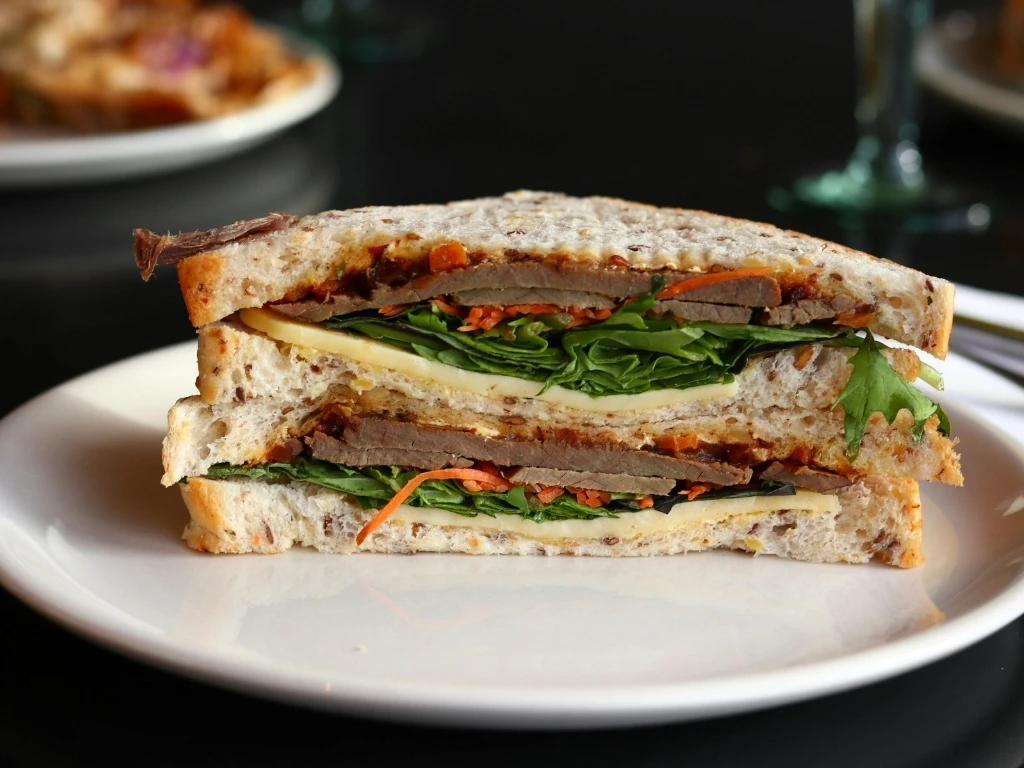
- Lunch: Turkey and thinly sliced pear and mild goat cheese sandwich
- Dinner: Whole-grain spaghetti with poached chicken, roasted pumpkin cubes, and fresh spinach ribbons
Day 5
- Breakfast: Whole-grain toast with a thin spread of almond butter and banana slices
- Lunch: Grilled salmon and carrot stir-fry with zucchini
- Dinner: Turkey-stuffed bell peppers with steamed green beans
Day 6

- Breakfast: Smoothie with almond or oat milk, banana, and a spoonful of oats or flax for fiber.
- Lunch: Roasted vegetables with plain rice or quinoa and a mild olive oil and herb dressing.
- Dinner: Ground turkey patties with mashed parsnips and lightly sautéed zucchini.
Day 7
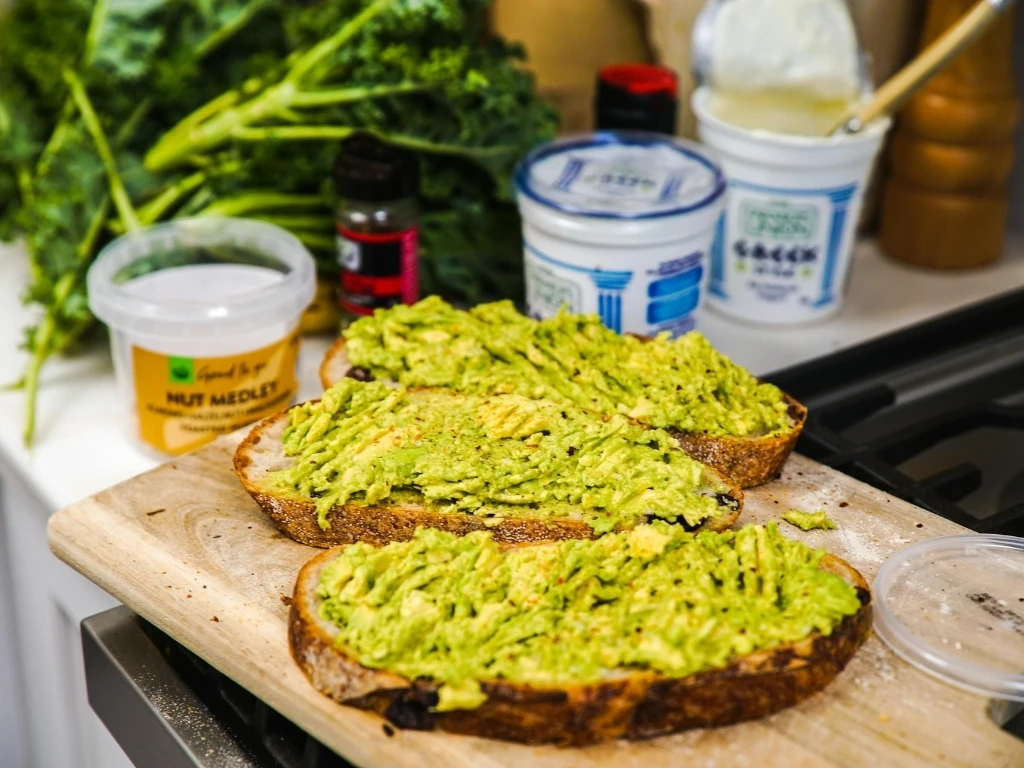
- Breakfast: Avocado toast on white or gluten-free bread
- Lunch: Chicken enchiladas with roasted sweet potato, spinach, and a drizzle of lime yogurt
- Dinner: Chicken and vegetable dumplings with steamed yellow squash and carrot slices
How to make meal planning for GERD simple and realistic
Managing GERD doesn’t have to feel like a chore. Here are a few tips to help make your meals easier, more enjoyable, and gentler on your stomach.
- Start with a shopping list. Stock up on GERD-friendly pantry staples like oatmeal, bananas, gentle grains, lean proteins, and easy-to-digest vegetables.
- Prep ahead. Set aside a few hours each week to chop vegetables, cook grains, or portion proteins. Having ingredients ready makes meal prep easy — even on busy days.
- Get meal ideas. If you run out of ideas, check TikTok, YouTube, Google, or apps that suggest meals based on what you already have in your kitchen.
- Control portions wisely. Portion control doesn’t mean harsh restriction — just aim for balanced, nutrient-dense meals with the right mix of protein, vegetables, and fruit.
- Make eating out or traveling easier. Read menus carefully, check them online in advance, and choose grilled, baked, or steamed options over fried. Ask for sauces, dressings, or toppings on the side to stay in control.
- Carry GERD-friendly snacks. Keep small snacks like apples, a handful of nuts, or crackers on hand so you’re never left hungry.
- Stick to regular meal timing. Try to avoid skipping meals or having very late, heavy dinners, as this can increase stomach pressure and trigger reflux. Eating at consistent times helps keep digestion steady and reduces the likelihood of flare-ups.
Listen to your body. GERD is highly personal. Pay attention to what triggers your symptoms, adjust as needed, and experiment to see what works best for you.
Find relief with help from a registered dietitian
Changing your diet can make a big difference in managing GERD, but it’s important to remember it’s not a one-size-fits-all solution. Some foods may help, others might still trigger symptoms, and that’s okay — it’s all about learning what works for you. Small, steady adjustments, along with paying attention to how your body responds, can help you build habits that feel both sustainable and comfortable.
This 7-day GERD diet plan can serve as a helpful starting point, but the most effective approach is one tailored to you. A Health Loft dietitian can guide you in identifying your unique triggers, balancing meals to support symptom relief, and creating a long-term plan that feels enjoyable rather than restrictive. With personalized support, you can manage GERD with more clarity, confidence, and comfort.
Connect with a registered acid reflux dietitian at Health Loft today to get the guidance and support you need.
This article was reviewed by Adrienne DePaul, MS, RDN. It is intended for informational purposes only and does not replace personalized nutritional advice.